Bière de garde
A malty farmhouse ale from French Flanders, cellared for months
- Alcoholic
- Local name
- Bière de garde
- Served
- Cellar-cool, in a tulip glass
- Best eaten at
- An estaminet in French Flanders
- Pairs with
- Carbonnade, Maroilles cheese
What it is
Bière de garde, literally "beer for keeping", is a farmhouse beer that belongs to French Flanders and the rest of the old Nord-Pas-de-Calais, in the north of France, now part of the Hauts-de-France region. Before refrigeration, brewing in the warm summer months risked spoiling the beer. Instead, farm brewers made stronger beers in winter and early spring, when cool temperatures allowed a clean fermentation, and stored them in cool cellars to be consumed gradually over the following months.
The name describes its original purpose rather than a specific recipe. These beers were made to refresh and sustain farmhands through the warmer months and the long hours of the harvest season. Today, bière de garde is defined by a malty profile, its closest relative being the Belgian saison, though the French versions are usually rounder and sweeter. It comes in blonde, amber (ambrée) and brown (brune) versions, typically at 6 to 8.5 per cent alcohol, a strength that once helped preserve the liquid through long storage without refrigeration. The finish is clean rather than sour, offering notes of toasted bread, honey, or dried fruit depending on the version.
The history of the cellar ale
For centuries, much brewing in the region took place on farms. In rural French Flanders, the farmhouse brewery produced beer for the workers and their families, often using barley grown in the nearby fields. Brewing in the cool season meant that fermentation could take place without spoiling the liquid, allowing the brewer to store the finished beer in cellars that kept a steady, low temperature.
Northern France counted thousands of breweries around 1900, but the style nearly vanished in the 20th century as wars, refrigeration and the rise of pale industrial lager took their toll. A few producers kept it alive: one Nord brewery began selling its beer in corked bottles in the 1950s and built a cult following, and others followed in the late 1970s, reviving the regional character of the style. Today, the beer is brewed year-round by a number of breweries in the Nord and Pas-de-Calais, most of them small businesses.
The revival has kept the connection to the land alive. The beers are often associated with the local landscape of flat fields, windmills, and brick farmhouses that characterise French Flanders. While the original farmhouse breweries have largely disappeared, the spirit of the drink remains tied to the region's agricultural history and the slow pace of rural life.
How it is made and served
Bière de garde is not a sour beer or a wild ale. It relies on a clean fermentation that produces a smooth, malty character. Most are top-fermented, though some brewers use lager yeast at relatively warm temperatures, followed by a period of cold conditioning, the "garde" itself. The result is less dry and more substantial than a saison. The hops are present but secondary to the malt, which provides the backbone of the flavour. This balance allows the beer to age well, developing complexity over time without becoming unstable.
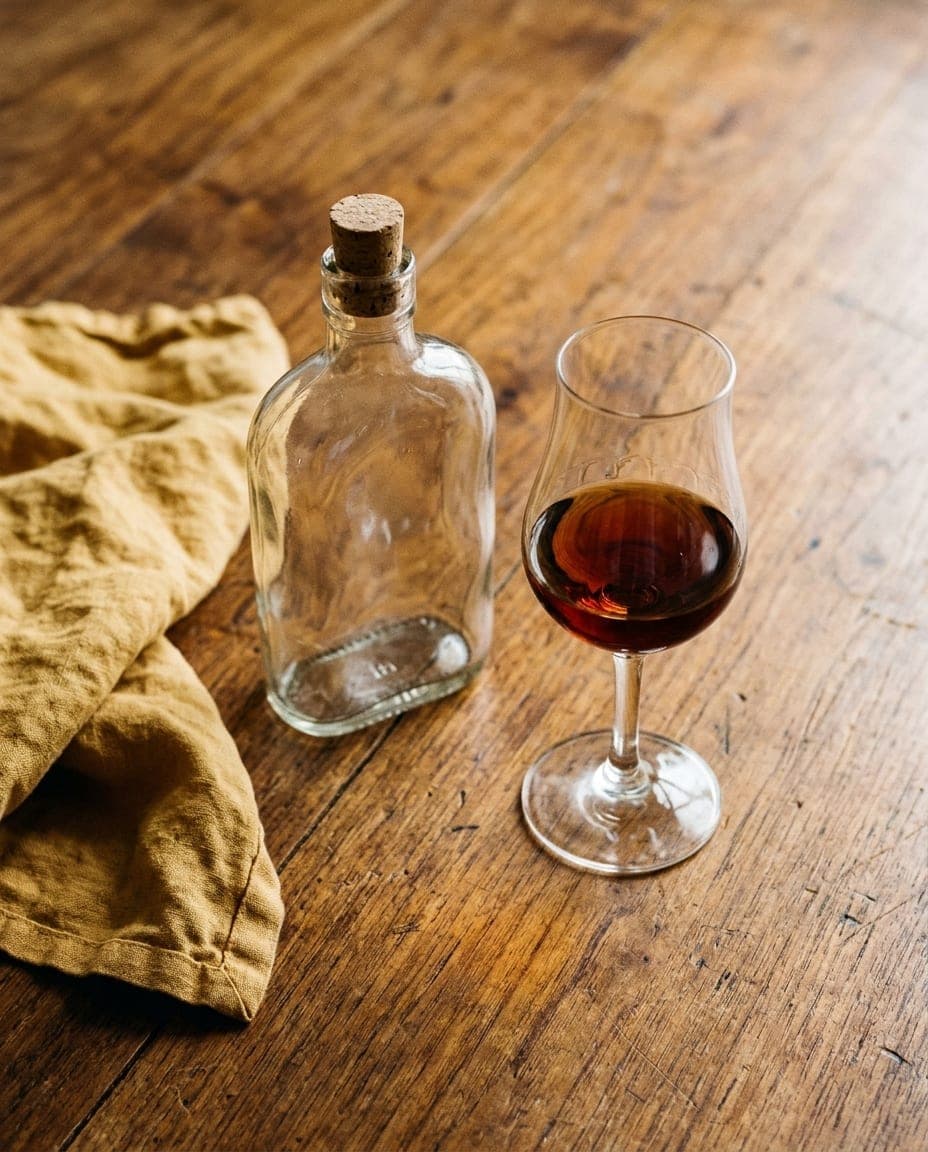
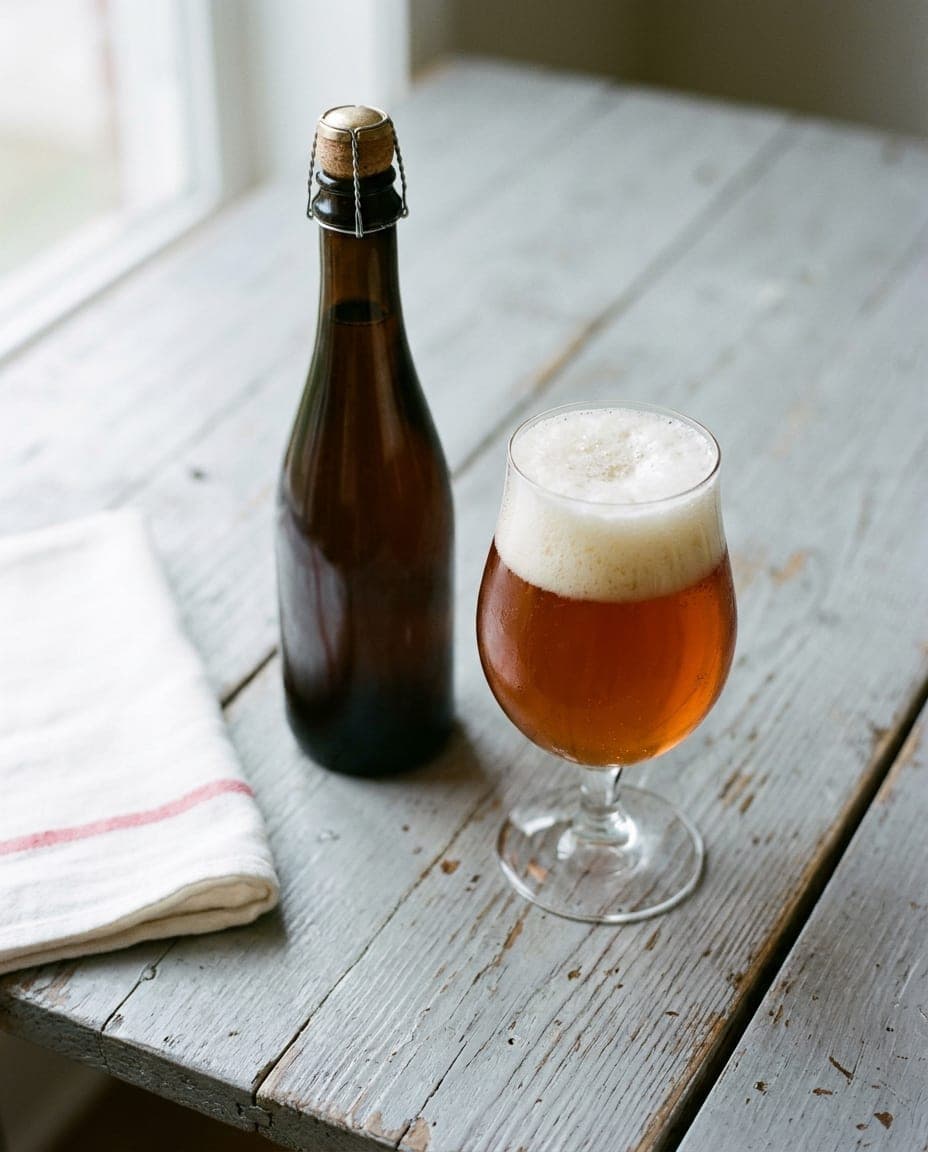
Traditionally, the beer was served cellar-cool rather than ice-cold. The ideal temperature allowed the aromas to open up while keeping the drink refreshing. It is now typically poured into a tulip glass, which helps trap the aromatic compounds and supports a thick, persistent head. The bottle is another key part of the identity: it is often corked, resembling a wine bottle, which signals that the beer was meant for keeping rather than immediate consumption.
The strength of the beer varies, but the traditional versions were strong enough to be kept in cool cellars for months without spoiling. This durability was essential for farm life, when fresh beer could not be brewed in the warm season. The modern revival respects this history, producing beers that can age gracefully while offering immediate enjoyment.
Where to drink it
The most atmospheric setting is an estaminet, the traditional Flemish tavern of northern France. These small taverns have long been the heart of village life, serving as gathering spots for farmers, workers and locals, and the beer is often served from corked bottles.
The walls are often hung with old photographs and traditional games, and the tables are worn smooth by years of use. Here, the beer is not just a drink but part of the daily routine, enjoyed slowly alongside conversation and local food. The best-known brands are also sold in supermarkets across France, but the beer's spiritual home remains the traditional establishments of the region.
What goes with it
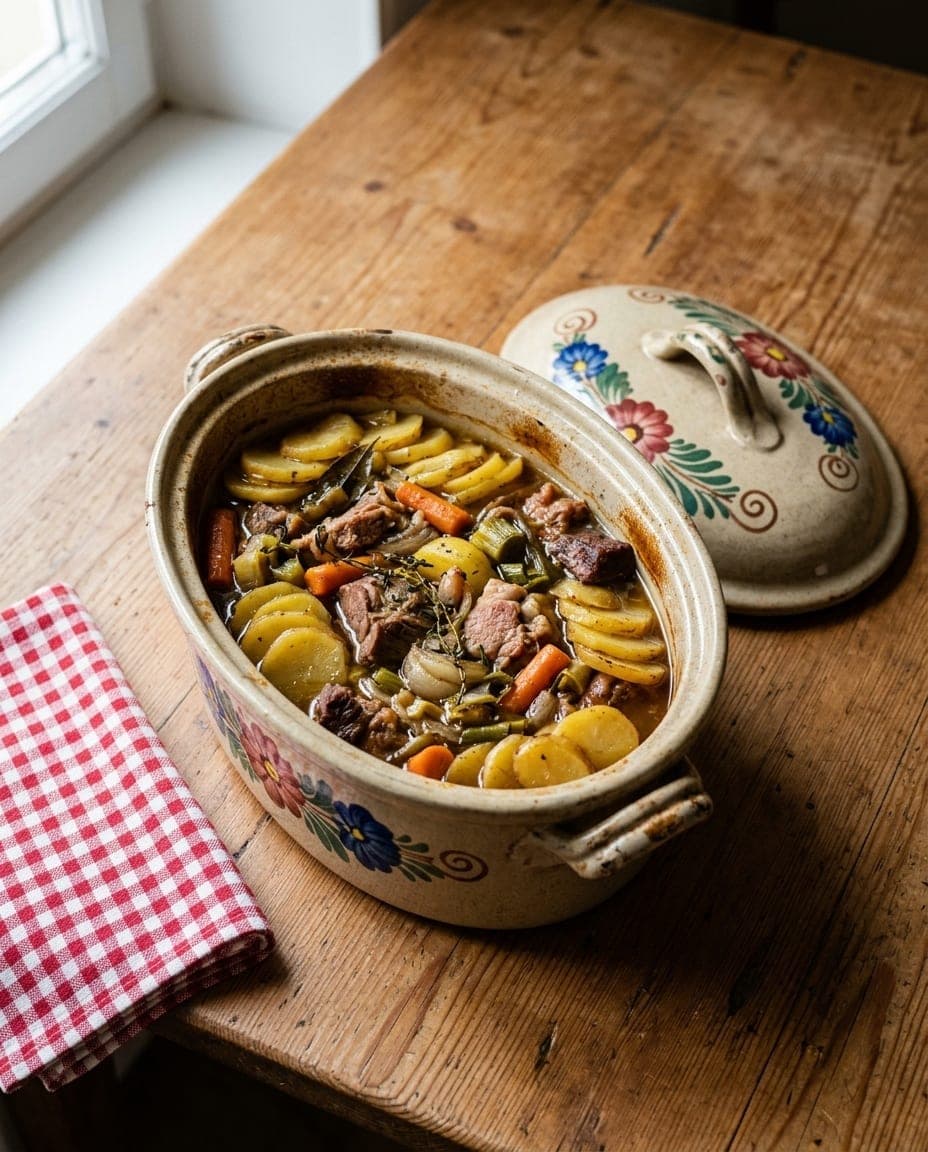
The taste of bière de garde pairs naturally with the heavy, savoury dishes of French Flanders. The maltiness complements rich stews and strong cheeses without being overwhelmed by them. A classic combination is carbonnade, a beef stew cooked in beer with onions and spices, which mirrors the depth of the ale. The sweetness of the stew balances the slight bitterness of the hops, creating a harmonious finish.
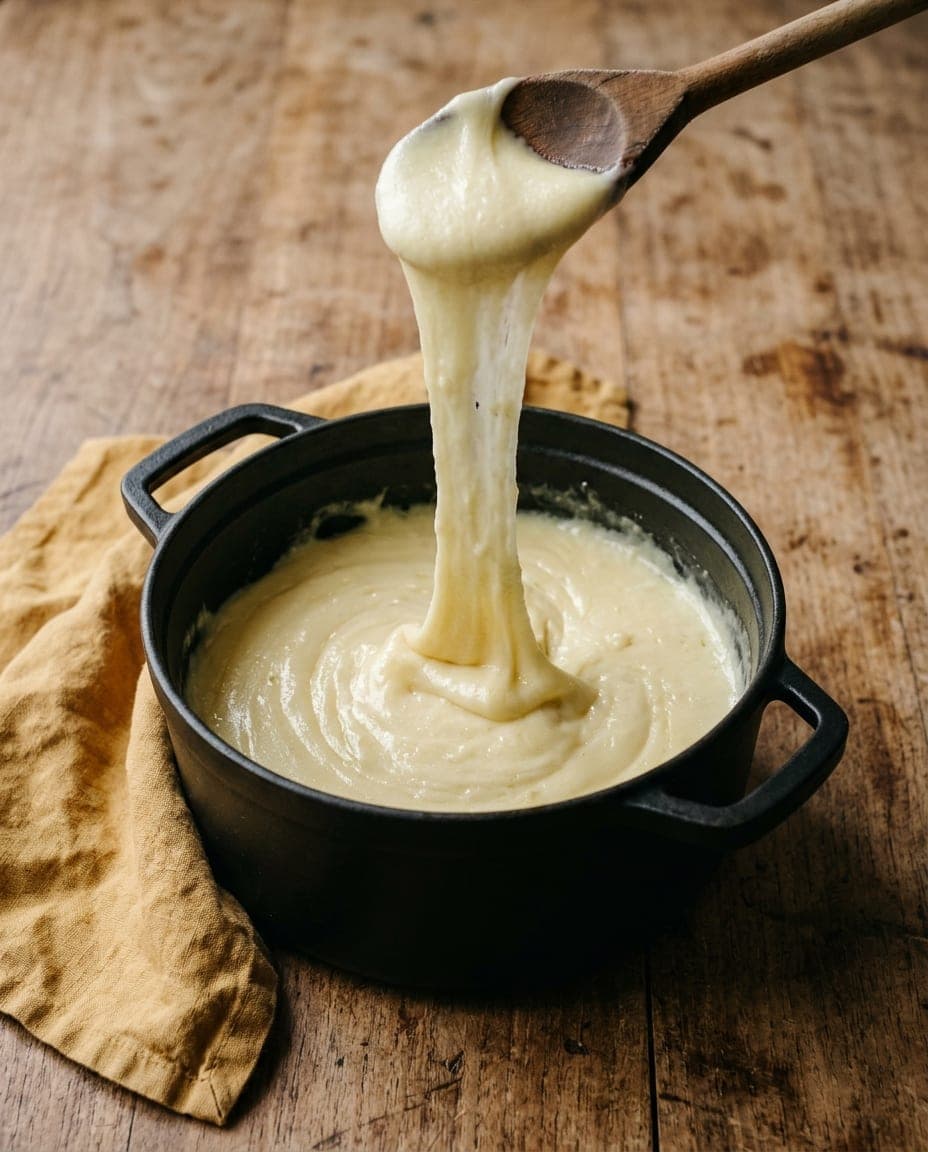
Maroilles cheese is another traditional match. This pungent, washed-rind cheese from the region has a creamy texture and a strong flavour that stands up to the strength of the beer. The pairing is a staple in local eateries. Other regional dishes, such as flamiche or potato-based preparations, also work well with the beer's earthy notes.
Curious facts
- A wine-like bottle. The use of a corked 75cl bottle sets bière de garde apart from most other beers, reflecting its history as a cellar-stored product meant for keeping.
- Not a sour beer. Despite the long storage period, the beer is clean and malty rather than tart or wild, distinguishing it from farmhouse styles that rely on spontaneous fermentation.
- A regional speciality. The beer is tied specifically to the Nord and Pas-de-Calais; it remains a regional identity even though imitations are now brewed abroad.
- A spring sibling. A lighter bière de mars was traditionally brewed in winter to be drunk young in early spring.
- A drink for the cellar. The name bière de garde refers to the practice of storing the beer in cool cellars to be consumed over months, ensuring a supply when brewing was impossible in summer.
Where to try it
1 region
 Wine Tasting3 destinations
Hauts-de-France
Hauts-de-France is the northernmost region of France, known for its rich industrial heritage, unique cultural blend, and stunning coastal landscapes along the English Channel. Lille, the largest city, boasts vibrant Flemish architecture and a thriving arts scene. The region is the birthplace of French Impressionism, with museums dedicated to renowned artists like Van Gogh. The Somme Valley offers historic World War I sites, while the Opal Coast features breathtaking cliffs and charming fishing villages. Known for its local cuisine, Hauts-de-France is famous for dishes like 'potjevleesch' and 'moules-frites,' providing an authentic taste of the area. Off the beaten path, explore towns such as Arras, with its grand squares, or the serene countryside of the Avesnois Natural Park, rich in biodiversity and picturesque landscapes.
Wine TastingCamper Van RentalsHiking