Salmiakki
Salty ammonium liquorice, black and divisive
- Vegetarian
- Local name
- Salmiakki
What it is
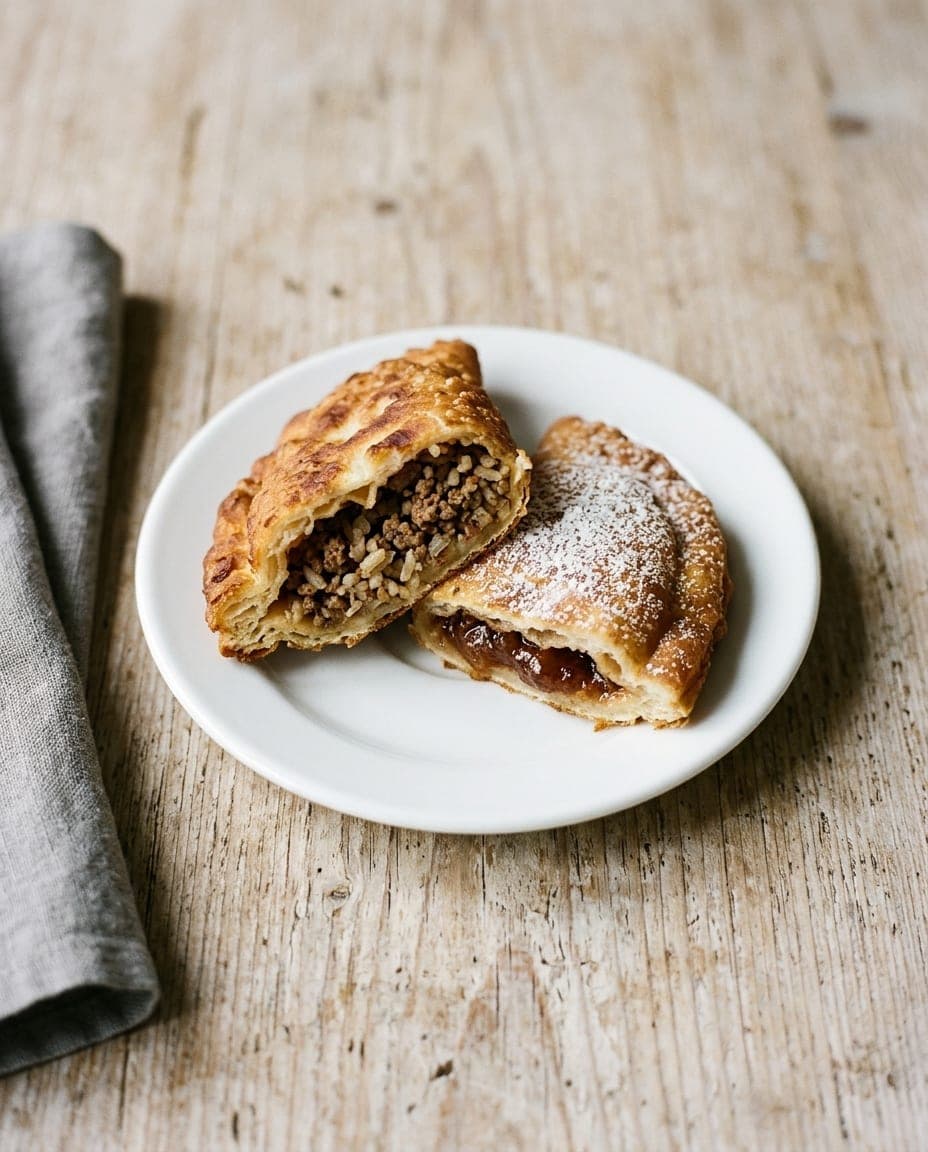
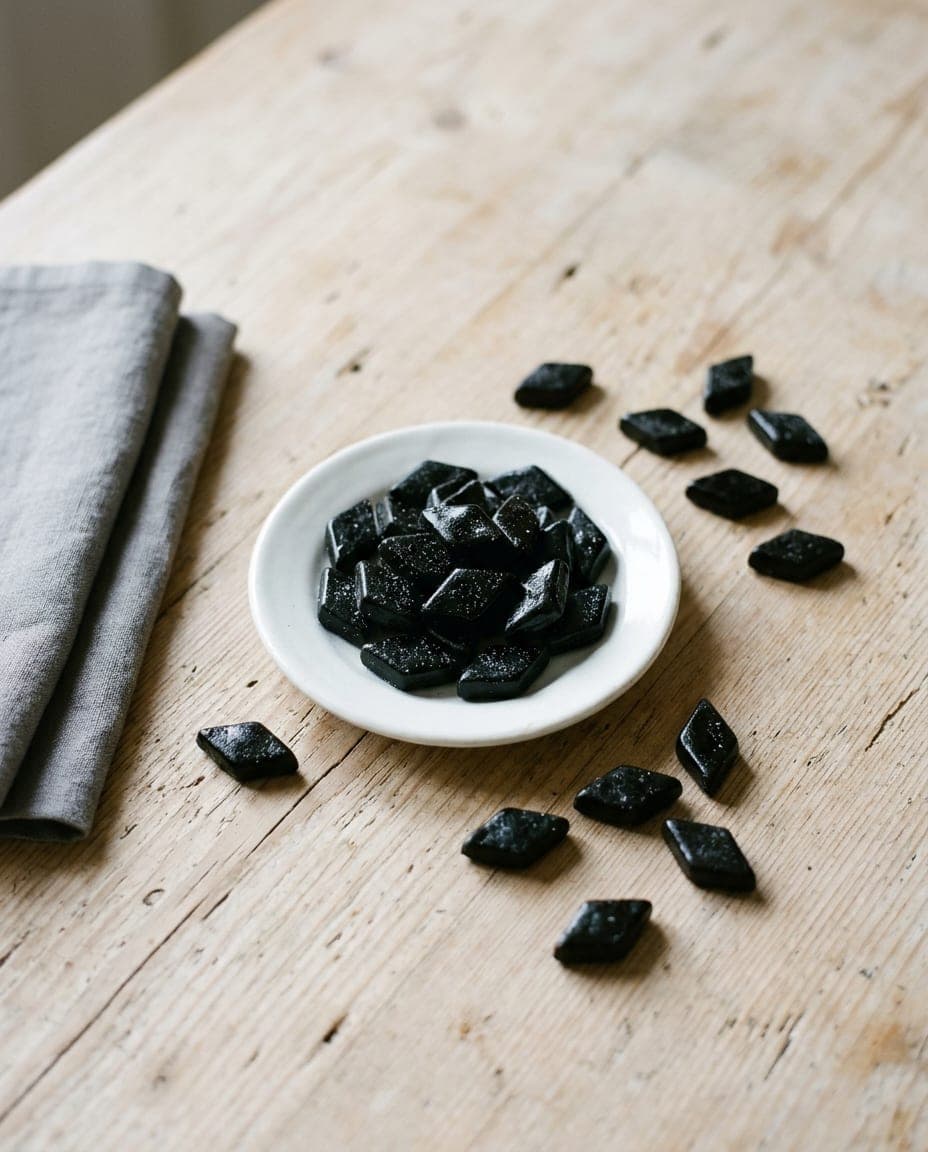
Salmiakki is the Finnish name for sweets flavoured with ammonium chloride, usually combined with liquorice, a chemical compound that creates a sharp, saline flavour unlike any other sweet. The candy is black, often appearing as glossy hard diamonds, chewy pastilles, or soft liquorice twists. It is sold in every shop across the country, from large supermarkets to small kiosks, and is eaten by people of all ages.
The experience of tasting salmiakki for the first time is rarely a simple pleasure. Most visitors find the initial flavour shocking, describing it as salty, metallic, or even chemical. The ammonium chloride tingles on the tongue and leaves a lingering sensation that can be difficult to place. For many Finns, however, this sharp intensity is the defining feature of their childhood sweets. It is not a delicacy for the faint-hearted, but a staple that defines a specific part of Finnish confectionery culture.
The pharmacy origin
The story of how salt reached the sweet bowl most likely begins in a pharmacy rather than a kitchen. Ammonium chloride was historically used in cough medicine to help clear the lungs, and one theory holds that salty liquorice grew out of the cough remedies pharmacies made themselves. Where and when the two were first combined is unclear, but by the 1930s salmiakki pastilles were being made in several Nordic countries. Today the compound is produced industrially.
This history explains why the flavour feels so distinct from standard black liquorice. While traditional liquorice relies on the root of the Glycyrrhiza plant for its sweet and earthy notes, salmiakki adds a layer of chemical saltiness that cuts through the sugar. The combination creates a complex profile where sweetness and saltiness compete rather than blend. This duality has made it a polarising item that separates those who grew up with it from those who encounter it only as tourists.
How it is made and eaten
The production of salmiakki involves mixing the ammonium chloride into the liquorice base, which is then shaped into various forms. Hard versions are often found in small, diamond-shaped pieces that dissolve slowly on the tongue. Softer varieties come as pastilles or twisted ropes that offer a chewier texture. The deep black colour usually comes from vegetable carbon (E153) added alongside the liquorice extract.
Finns eat salmiakki at any time of day. It is common to find children carrying small bags of the hard candy in their pockets or schoolbags. Adults often keep it on hand as a palate cleanser or a quick energy boost. The texture changes depending on the shape; the hard diamonds require patience, while the soft pastilles melt quickly. Some people enjoy it plain, while others use it to complement coffee or tea.
Variations beyond the candy
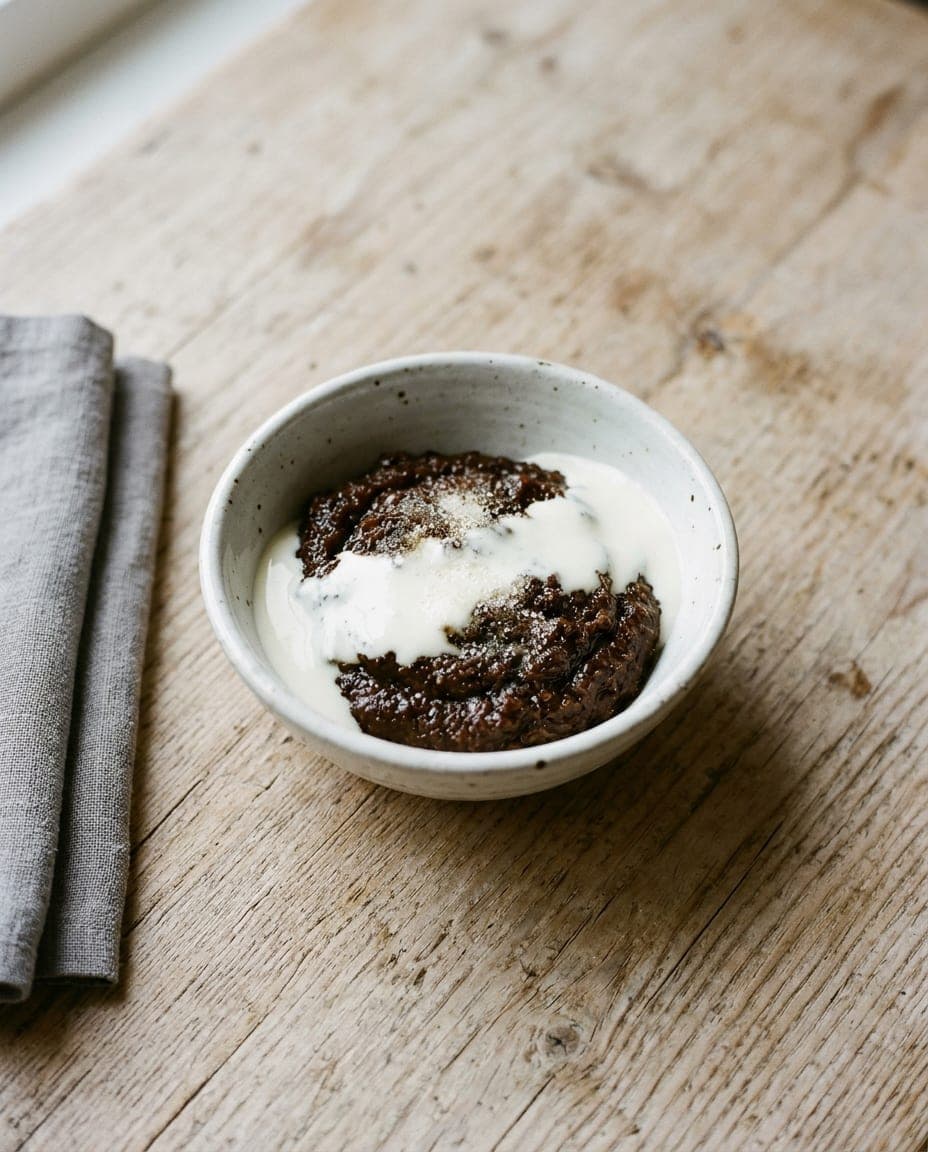
The influence of salmiakki extends far beyond the traditional sweet. It has become a flavouring agent for other Finnish products that might seem unexpected. Ice cream shops serve black salmiakki ice cream, which is often described as a challenge even for locals who love the candy. The frozen treat retains the sharp saltiness but adds a creamy texture that softens the blow of the ammonium chloride.
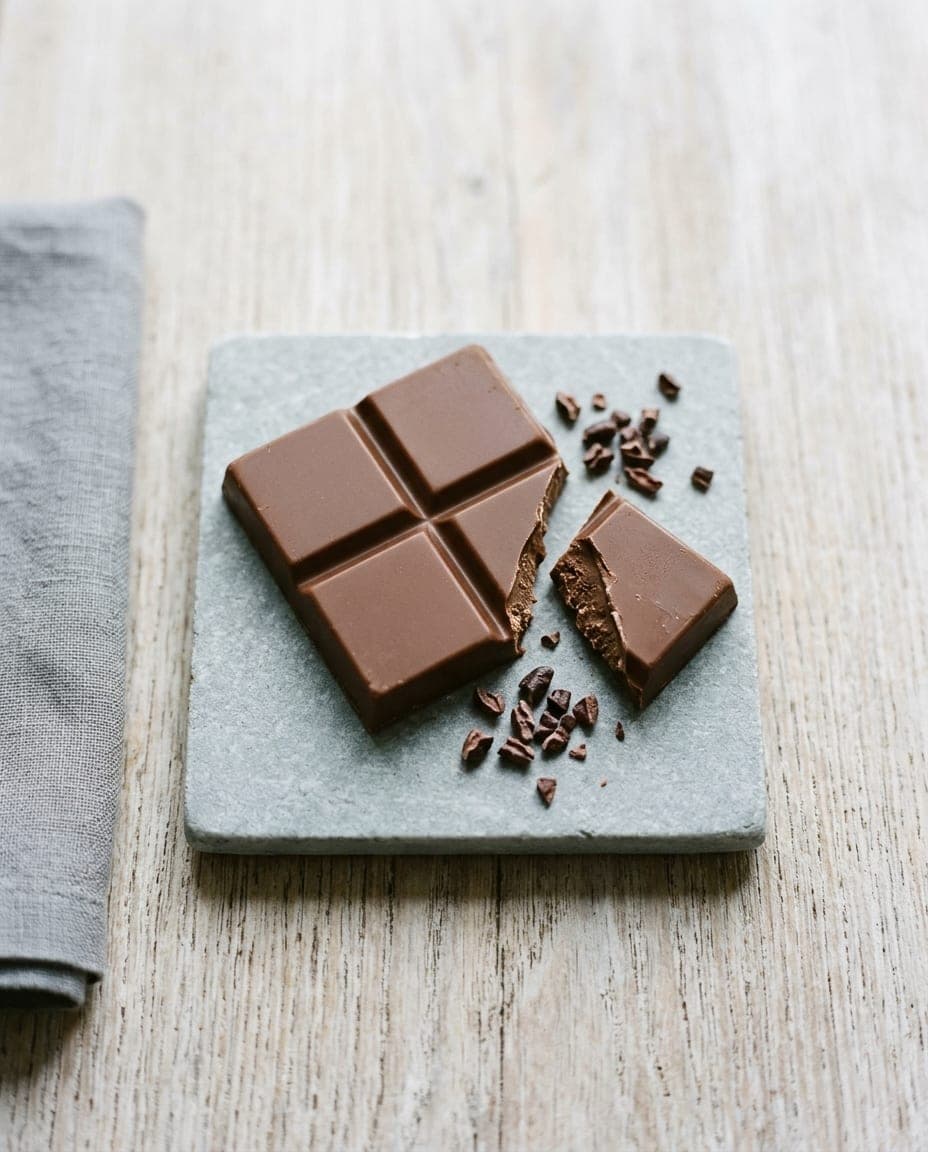
Chocolate manufacturers also incorporate the flavour into their bars and truffles. A dark chocolate bar with salmiakki offers a contrast between the bitterness of cocoa and the salty bite of the liquorice. Perhaps the most famous application is in the realm of alcohol. Salmiakki-flavoured vodka, popularly called salmiakkikossu, is a well-known Finnish shot: sharp, sweet and warming. This combination has become a ritual for some Finns during colder months or social gatherings.
The cultural divide
The relationship between Finns and salmiakki is one of the clearest markers of local identity. For many visitors, the first attempt at eating it is a moment of surprise, sometimes leading to immediate rejection. The sharpness can be overwhelming for those accustomed to purely sweet or mildly salty treats. However, for Finns, this intensity is part of what makes the candy special. It is not an acquired taste that everyone eventually learns to love; many people simply do not enjoy it, and that is accepted as a normal part of life.
This divide does not diminish the popularity of the sweet in Finland. It remains a constant on shelves across the country, from the capital region of Uusimaa to the far north. The fact that it divides people is often seen as a point of pride rather than a flaw. Finns will offer it to guests with a mix of curiosity and expectation, knowing the reaction might be strong.
Curious facts
- The chemical source. Ammonium chloride is a salt used in medicine and industry, not a spice, which gives the candy its unique sharp tingle.
- A black standard. The deep black colour usually comes from vegetable carbon, though white and grey salmiakki also exist.
- Ice cream challenge. Black salmiakki ice cream is a specific Finnish product that combines the sharp saltiness with frozen dairy, often considered a test of courage.
- Vodka pairing. Salmiakkikossu, salmiakki-flavoured vodka, is a popular shot at parties and social gatherings.
- A shape as well as a sweet. The classic lozenge is diamond-shaped, and in Finnish the word salmiakki is also used for the diamond shape itself.
Where to try it
The best place to find salmiakki is anywhere in Finland. It is available in every grocery store, convenience shop, and candy counter across the country. Helsinki sweet shops give it whole shelves. For a broader experience, visit a traditional Finnish café where it is served alongside coffee or tea.
It also turns up as black ice cream at dessert counters, and as a flavoured vodka behind bars. The key is to approach it with an open mind, knowing that the first taste might be surprising.
Where to try it
1 region
 Boat Rentals2 destinations
Uusimaa
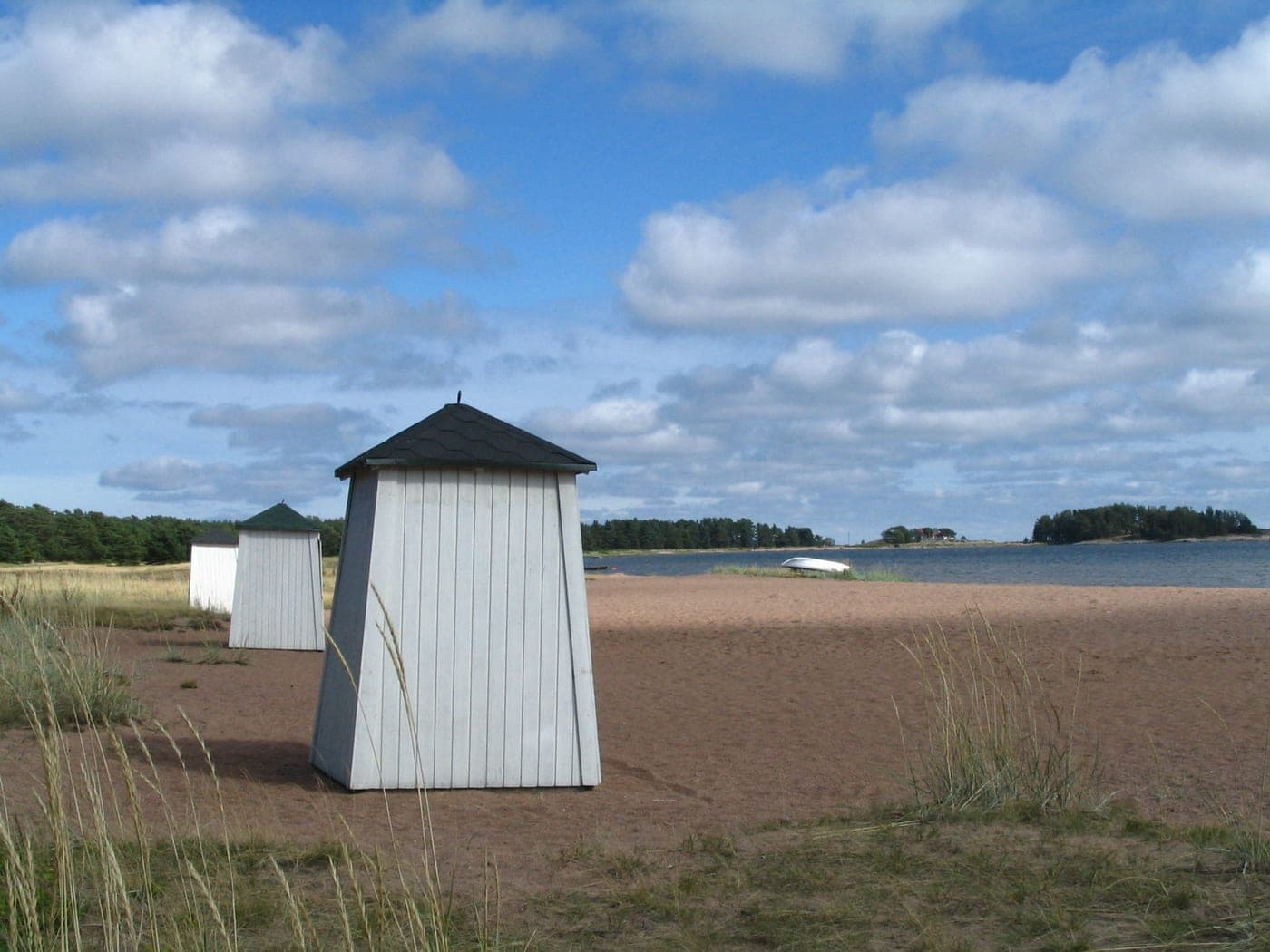
Uusimaa is Finland's southern coastal region and home to the capital, Helsinki. Its coastline breaks apart into thousands of islands, skerries and inlets, and this archipelago, together with the forests and lakes just inland, gives the whole region its unhurried character. Uusimaa is the most visited part of Finland, yet away from Helsinki the pace drops quickly: small wooden towns, fishing villages and quiet lakeshores sit close enough together that a slow, multi-stop trip is easy to build. The archipelago is the region's defining feature. Boats link small islands off Helsinki and the western coast, many reachable on a half-day trip. Suomenlinna, the sea fortress guarding Helsinki's harbour, is well known among these islands and a UNESCO World Heritage Site, but quieter islands further along the coast reward travellers who stay longer. Life on them still follows old patterns: net fishing, small wooden cottages known as mökki, and saunas built right at the water's edge for a swim before or after. Sauna culture is easiest to feel properly outside the city. Many guesthouses and cottages along the coast keep a wood-heated sauna, followed by a swim in the sea or a lake, a rhythm that shapes the day rather than breaking it up. Inland, this slower pace continues in Nuuksio National Park, west of Helsinki, where marked trails, quiet lakes for swimming, and simple overnight huts draw hikers and canoeists rather than day-trippers in a hurry. Beyond Helsinki, Uusimaa's towns each keep their own character. Porvoo, one of Finland's oldest towns, has a river-side old town of orange wooden warehouses and narrow cobbled streets that are still lived in, not kept as a museum piece. Loviisa, further east along the coast, has a similar wooden core with far fewer visitors. To the west, Hanko stretches along a narrow sand-and-granite peninsula, known for its late-19th-century wooden villas and long beaches. Nearby Raasepori, including the old town of Tammisaari, mixes Swedish-speaking coastal culture with dense archipelago just offshore. Inland, Lohja sits on its own lake, a reminder that Uusimaa's water is not only coastal. Language reflects this coastal history: Finnish and Swedish are both spoken across the region, more evenly than almost anywhere else in Finland, and many towns and villages carry a name in each. Food follows the same coastal and seasonal pattern, with smoked and salted fish from the archipelago, summer berries and mushrooms from the forests, and simple bakery traditions in the old wooden towns. Uusimaa works best as a loop rather than a single base. Three or four days allow time split between Helsinki, one archipelago excursion, and one smaller coastal town such as Porvoo or Raasepori. A week allows a slower circuit: a few nights on the coast, a night inland near Nuuksio for hiking and lake swimming, and time left over for the islands. Distances between towns are short, so there is little need to rush, and most places in the region can be properly explored in a day, leaving room to simply stay longer wherever the pace suits. What ties Uusimaa together is water: sea to the south, lakes inland, and a coastline shaped by centuries of fishing, trade and shipbuilding. The traditions here are practical rather than staged, a sauna built for daily use, a wooden warehouse still used for storage, a rowing boat tied to its own jetty. Visitors tend to slow down here simply because the region already moves at that pace.
Boat RentalsHiking