Mämmi
A dark baked rye-malt Easter pudding
- Vegetarian
- Local name
- Mämmi
- Served with
- Cream, sugar
- Best eaten at
- A Finnish Easter table
What it is
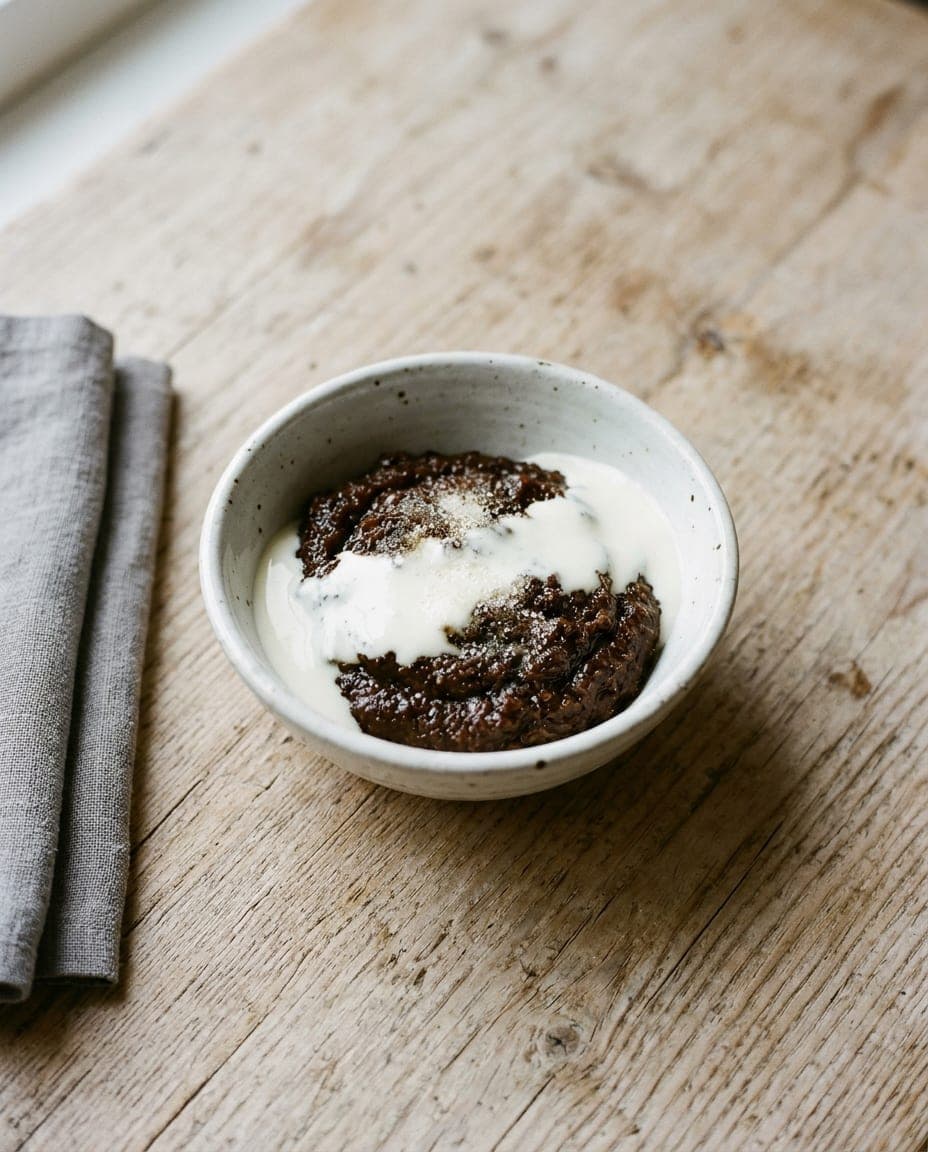
Mämmi is a dark brown, sweet-tasting pudding made from rye flour and malted rye, traditionally served as an Easter dessert in Finland. It is not a cake or a light pastry but a dense, moist pudding with a texture often described as similar to wet soil or mud. The colour ranges from deep brown to almost black, a result of the slow baking process that caramelises the sugars within the grain.
The dish is defined by its seasonality. It appears on Finnish tables only around Easter, before disappearing from shops until the following year. While it originates from the southwest of the country, it is now eaten across the whole nation as a standard part of the holiday menu. The taste is distinct: faintly sweet with a malty depth and a subtle bitterness that balances the fat of the cream served alongside it.
How it is made
The technique relies entirely on the natural conversion of starch to sugar through malting, rather than the addition of refined sweeteners. Malted rye contains enzymes that break down the grain's starches into sugars as it ferments and bakes slowly over many hours. This process creates a pudding that tastes sweet with little or no added sugar in its traditional form; commercial versions are usually sweetened with dark molasses.
Historically, mämmi was baked in a birch-bark box, a method that imparted a subtle woody aroma to the pudding. The bark acted as a natural container that could withstand the long, gentle heat required for the slow bake. While few households still use real birch boxes today, the tradition remains visible in how the dish is sold. Supermarket versions are packaged in cardboard boxes printed with a pattern designed to look exactly like a birch-bark container, preserving the visual link to the past.
What goes into it
The list is short, and rye does nearly all of it.
- Rye flour: The base of the pudding, providing the dark colour and earthy foundation.
- Malted rye: The essential agent that converts starches to sugars, giving the dish its characteristic sweet taste without added sugar.
- Water: Used to create the batter before baking, with a little salt and, traditionally, dried Seville orange zest.
- Cream or vanilla sauce: Served cold on top of the pudding to cut the bitterness and add body.
- Sugar: Often sprinkled over the top just before eating, though the traditional recipe relies on the malt for sweetness.
The final result is a cool, dense block that melts in the mouth when paired with the cold cream. It is not a warm dish; it must be served chilled to achieve the correct texture and flavour balance.
How to eat it
Mämmi is eaten as a dessert at the end of the Easter meal, over the Easter weekend or in the days leading up to it. It is served cold in a bowl, often topped with a generous layer of single cream or vanilla sauce, and sometimes sprinkled with extra sugar to taste. The combination of the dark, bitter pudding and the white, sweet cream creates a striking visual contrast on the plate.
Finnish families gather around the table to share this dish, often alongside other Easter foods such as roast lamb or pasha. It is considered a seasonal treat that marks the end of winter and the arrival of spring. The experience is as much about the ritual of eating it during this specific window of time as it is about the flavour itself. Some Finns like it; others eat it once a year because it is Easter.
Curious facts
- The soil look. The dark colour and thick texture are so similar to wet earth that Finns often joke about the pudding looking like mud or soil before tasting it.
- Little added sugar. Traditional recipes rely mainly on the natural sugars created by the malted rye; shop-bought mämmi is usually sweetened with molasses.
- Birch-bark origin. The dish was originally baked inside birch bark containers, which gave it a distinctive aroma and are now mimicked by packaging designs.
- Short season. It is available for purchase only in the weeks around Easter, vanishing from shelves once the holiday passes.
- National custom. While rooted in southwest Finland, mämmi is now a standard part of Easter menus across the entire country.
Where to try it
A Finnish Easter table, between Palm Sunday and Easter Monday. It is a shop-bought dish for almost everyone: the cardboard tubs appear in supermarkets across the country from early Lent and vanish again by late April, and the household contribution is the cream and sugar.
Cafés and lunch restaurants serve it as a dessert in the same weeks, and some bakeries still make their own, which is closer in texture to the rye-sweetened original than the industrial version.
Where to try it
1 region
 Boat Rentals2 destinations
Southwest Finland
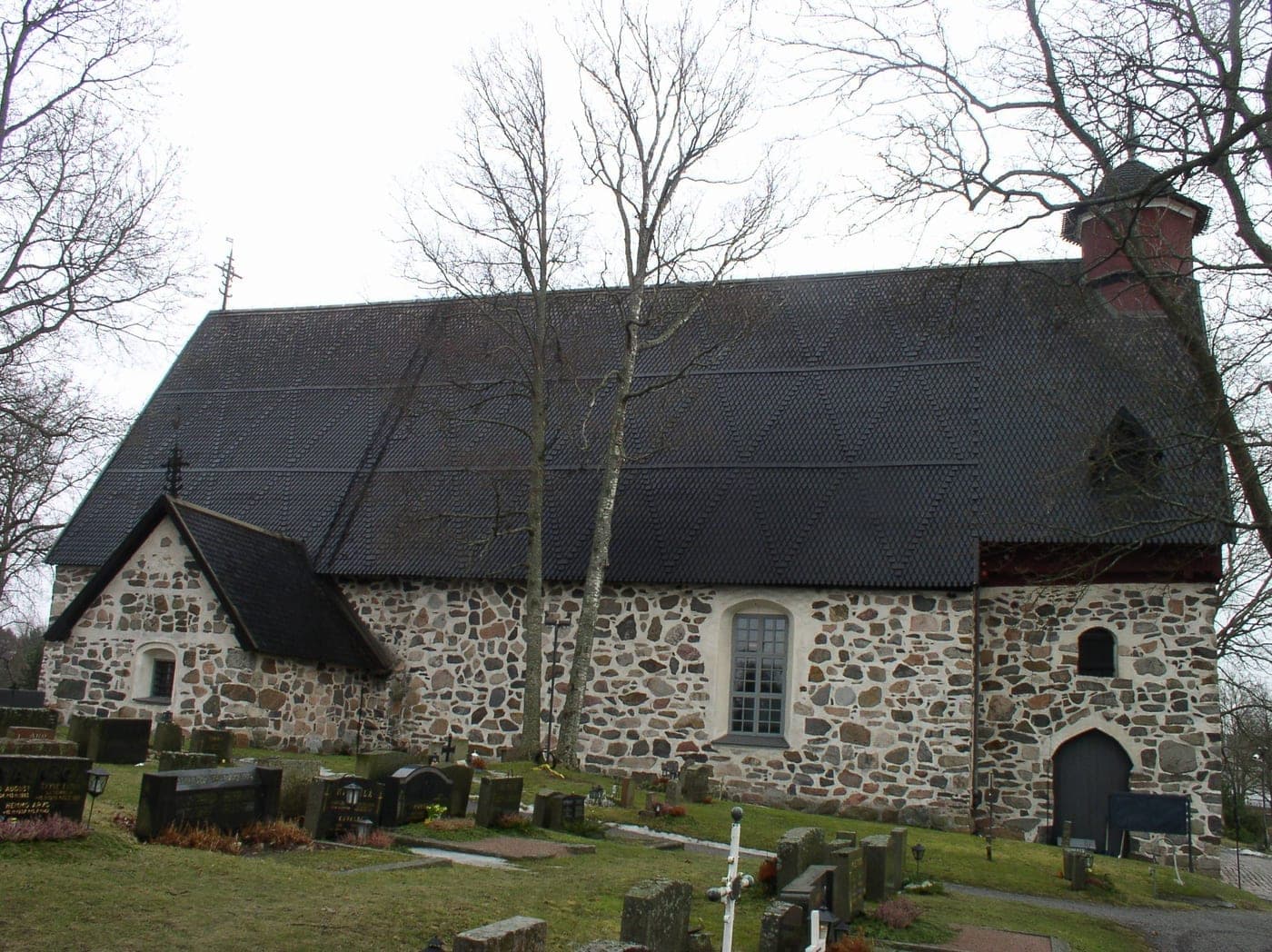
Southwest Finland is a diverse region known for its unique blend of coastal landscapes and rich cultural heritage. It is home to Turku, the oldest city in Finland, with a vibrant history reflected in its medieval castle and the lively Turku Archipelago. This region, featuring the only significant coastal area in Finland, boasts over 20,000 islands, offering opportunities for exploration by boat. The area is famous for its traditional archipelago cuisine, including fresh fish and local berries. The picturesque towns of Naantali and Kaarina are also noteworthy, providing insights into local life and traditions. Visitors can enjoy hiking in the surrounding nature reserves, such as the Teijo National Park, to experience the tranquil beauty of Finnish nature.
Boat RentalsHiking