Fazer Sininen (Fazer Blue)
Finland's blue-wrapped milk chocolate since 1922
- Vegetarian
- Local name
- Fazerin Sininen
- Served with
- Coffee
- Best eaten at
- A Finnish coffee break
- Pairs with
- Coffee
What it is
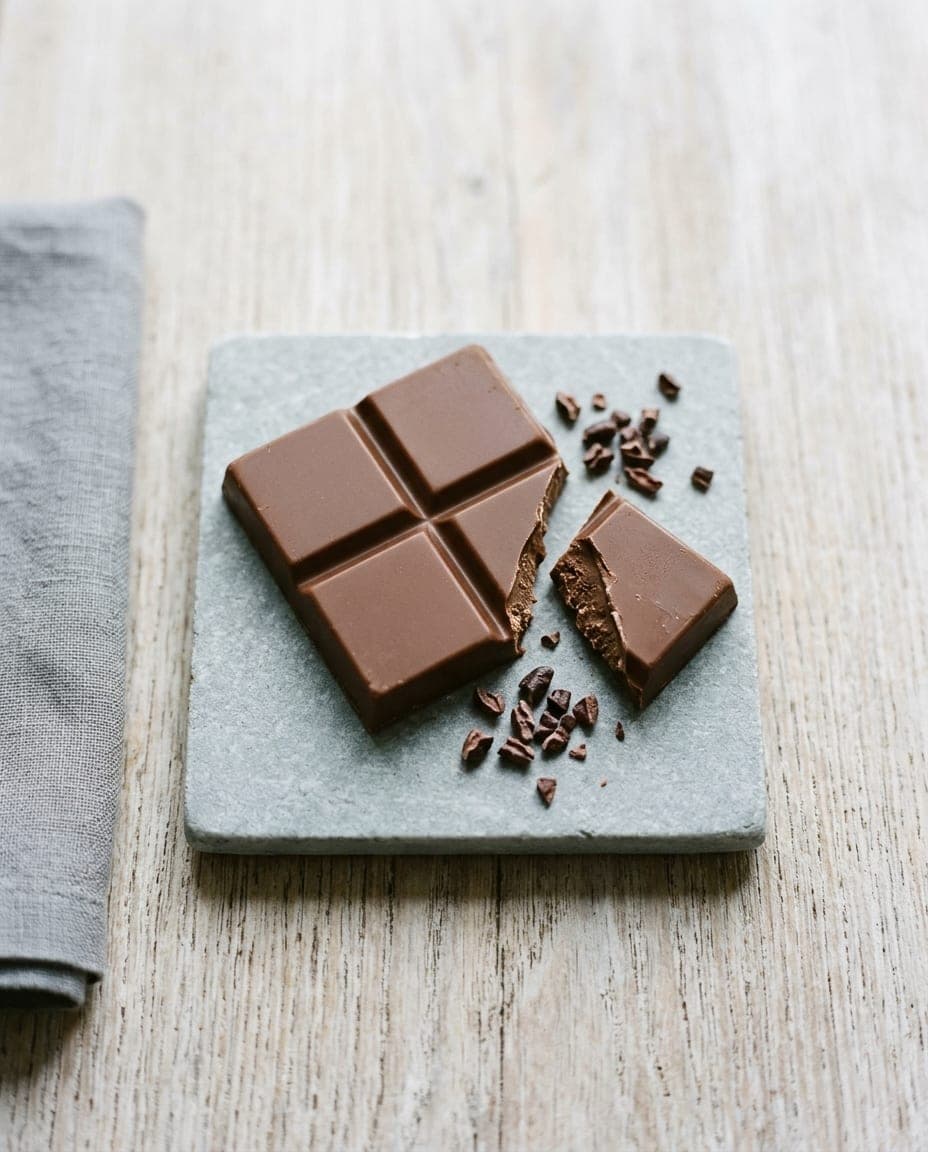
Fazer Sininen, properly Fazerin Sininen ("Fazer's Blue"), is the everyday name for Karl Fazer Milk Chocolate, produced by the Finnish confectionery company Fazer. The product itself is a simple, smooth milk chocolate with a mild sweetness and a creamy texture that melts slowly on the tongue. Its defining feature is not a complex taste but its packaging: a deep, unmistakable blue wrapper that has become one of the most recognised visual symbols in Finland.
Since 1922, this particular bar has been sold alongside other products from the company, yet it stands apart as a national icon. While Fazer produces a wide range of sweets and biscuits, the blue-wrapped bar is the one most often sought by Finns living abroad and a favourite with visitors buying Finnish gifts. It is a mass-market confection, widely available in supermarkets across the country, yet it carries a weight of sentiment far beyond its price. The chocolate is not a regional delicacy in the sense of being made only in a specific village; rather, it comes from a company founded in Helsinki, is made today in neighbouring Vantaa, and has been adopted as a shared symbol by the entire nation.
A wrapper that defines a nation
The blue wrapper is the true heart of Fazer Sininen. In Finland, where the colour blue appears frequently in flags and coats of arms, this deep shade has become synonymous with quality and tradition. In 2001 the Fazer blue (Pantone 280 C) became Finland's first registered colour trademark. The packaging is so familiar that Finns often refer to the chocolate simply as "the blue one". For many, the sight of the wrapper is enough to trigger a memory of home, whether they are at an airport in Helsinki or in a city far from the Baltic Sea.
The design has kept its core elements for over a century. The deep blue background, carrying Karl Fazer's signature in gold, creates a visual identity that feels both classic and modern. This consistency is rare in the world of food branding, where packaging often shifts with trends. The enduring nature of the wrapper suggests a reliability that Finns have come to trust over generations. It is not merely a sweet treat but a tangible piece of national identity, often bought as a souvenir for friends and family returning from abroad.
The history of the blue bar
The story of Fazer Sininen begins in 1922, when Karl Fazer Milk Chocolate went on sale in its blue wrapper. The company itself is older: Karl Fazer opened his café in central Helsinki in 1891. According to Fazer, the milk chocolate recipe has stayed essentially unchanged since the launch.
Over the decades, the chocolate has become a staple in Finnish households. It is common to find it in the pockets of coats or in the bags of travellers who have just returned from a trip abroad. While other confectionery items may come and go, the blue bar remains a constant presence on shelves and in conversations about Finnish culture.
What goes into it
Fazer Sininen is a milk chocolate, meaning it contains cocoa solids, sugar, and milk; Fazer stresses that it is made with fresh milk rather than milk powder. The texture is smooth and creamy, designed to melt easily without being overly sweet or rich. There are no nuts, fruits, or other fillings inside the standard bar (flavoured versions are sold separately); the flavour comes entirely from the balance of the cocoa and the milk. This simplicity allows the chocolate to pair effortlessly with other foods, particularly those that might contrast with its sweetness.
The chocolate is made at Fazer's factory in Vantaa; production of the fresh-milk chocolate is due to move to a new factory in Lahti, planned for 2028. The chocolate is known for being mild, which makes it accessible to a wide range of palates, from children to adults. It does not rely on strong, bitter notes or exotic spices. Instead, it offers a clean, sweet taste that feels familiar and comforting. This approach aligns with the Finnish preference for straightforward, high-quality food items that do not require explanation.
How to eat it
A common way to enjoy Fazer Sininen is simply alongside a cup of coffee. Finland has one of the highest rates of coffee consumption per capita in the world, and the combination of blue-wrapped chocolate and strong black coffee is a familiar part of many Finnish coffee breaks. The sweetness of the chocolate cuts through the bitterness of the coffee, creating a balanced experience that is both refreshing and warming.
At home or at work the bar is broken into squares beside the morning or afternoon coffee. It is not typically eaten as a dessert after a meal but rather as a small treat during a break. The chocolate is also common as a gift; Finns frequently give it to visitors as a token of hospitality. In airports, returning travellers often buy extra bars to take home, ensuring that the taste of Finland travels with them.
Curious facts
- A national symbol. The brand regularly tops Finnish polls of the most respected brands and is often ranked the country's best-selling confectionery.
- Coffee culture. Finland consistently ranks among the top nations for coffee consumption per person, making the pairing with Fazer Sininen a natural daily habit.
- Traveller's favourite. Finns living abroad frequently ask friends and family to bring them this specific chocolate when they visit Finland, often by name.
- Simple ingredients. The bar contains no nuts, fruits or fillings; its appeal lies entirely in the smooth balance of cocoa, sugar and milk.
- A trademarked colour. In 2001 the Fazer blue became Finland's first registered colour trademark.
- Helsinki roots. Fazer began as a Helsinki café in 1891; the chocolate is made today in neighbouring Vantaa.
Where to try it
There is no special place to eat Fazer Sininen; it belongs to the everyday coffee break, at home, at work or in a café. For those who wish to take the taste home, the bars are available in supermarkets across Finland and in airport shops before departure.
Where to try it
1 region
 Boat Rentals2 destinations
Uusimaa
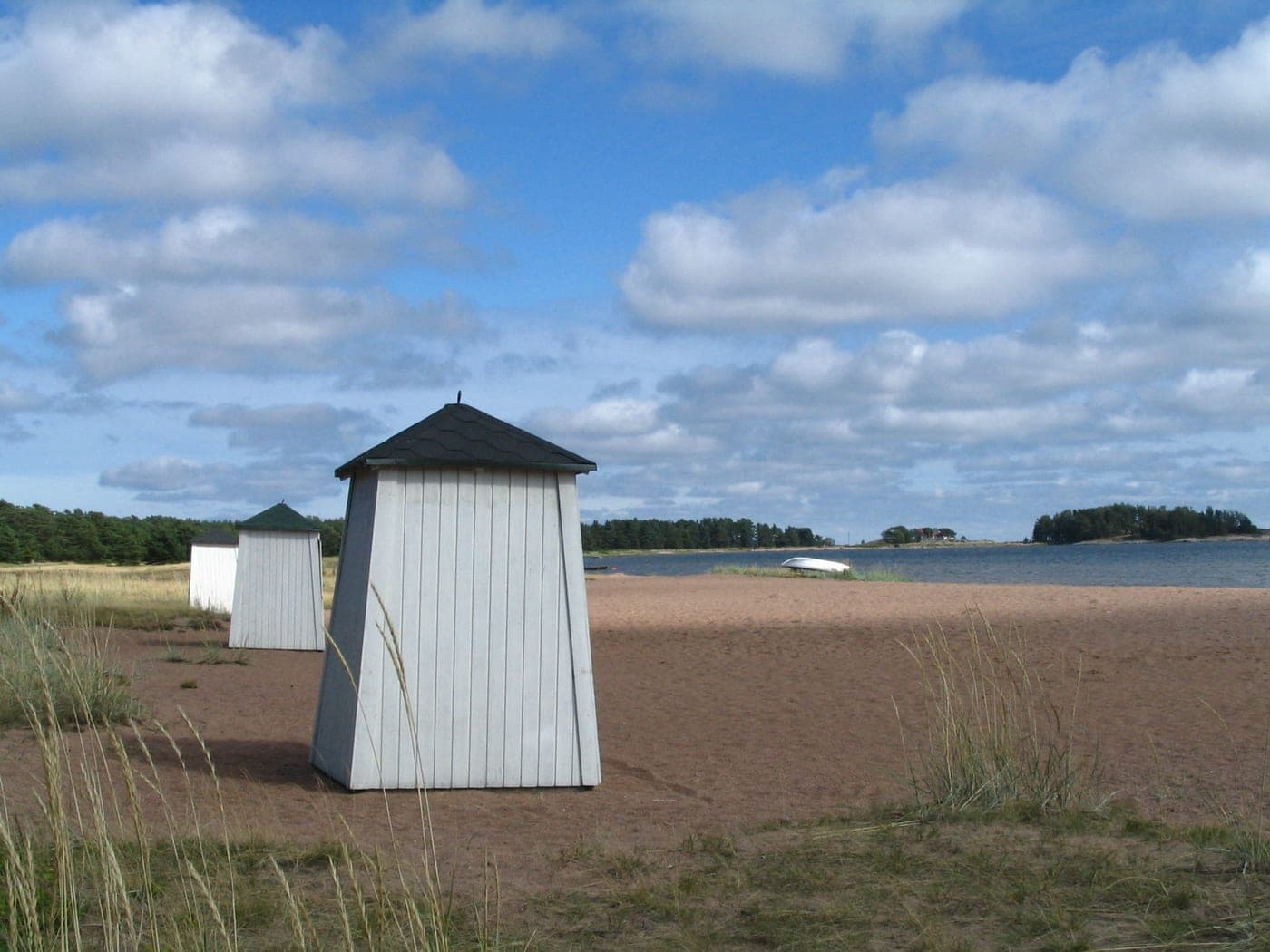
Uusimaa is Finland's southern coastal region and home to the capital, Helsinki. Its coastline breaks apart into thousands of islands, skerries and inlets, and this archipelago, together with the forests and lakes just inland, gives the whole region its unhurried character. Uusimaa is the most visited part of Finland, yet away from Helsinki the pace drops quickly: small wooden towns, fishing villages and quiet lakeshores sit close enough together that a slow, multi-stop trip is easy to build. The archipelago is the region's defining feature. Boats link small islands off Helsinki and the western coast, many reachable on a half-day trip. Suomenlinna, the sea fortress guarding Helsinki's harbour, is well known among these islands and a UNESCO World Heritage Site, but quieter islands further along the coast reward travellers who stay longer. Life on them still follows old patterns: net fishing, small wooden cottages known as mökki, and saunas built right at the water's edge for a swim before or after. Sauna culture is easiest to feel properly outside the city. Many guesthouses and cottages along the coast keep a wood-heated sauna, followed by a swim in the sea or a lake, a rhythm that shapes the day rather than breaking it up. Inland, this slower pace continues in Nuuksio National Park, west of Helsinki, where marked trails, quiet lakes for swimming, and simple overnight huts draw hikers and canoeists rather than day-trippers in a hurry. Beyond Helsinki, Uusimaa's towns each keep their own character. Porvoo, one of Finland's oldest towns, has a river-side old town of orange wooden warehouses and narrow cobbled streets that are still lived in, not kept as a museum piece. Loviisa, further east along the coast, has a similar wooden core with far fewer visitors. To the west, Hanko stretches along a narrow sand-and-granite peninsula, known for its late-19th-century wooden villas and long beaches. Nearby Raasepori, including the old town of Tammisaari, mixes Swedish-speaking coastal culture with dense archipelago just offshore. Inland, Lohja sits on its own lake, a reminder that Uusimaa's water is not only coastal. Language reflects this coastal history: Finnish and Swedish are both spoken across the region, more evenly than almost anywhere else in Finland, and many towns and villages carry a name in each. Food follows the same coastal and seasonal pattern, with smoked and salted fish from the archipelago, summer berries and mushrooms from the forests, and simple bakery traditions in the old wooden towns. Uusimaa works best as a loop rather than a single base. Three or four days allow time split between Helsinki, one archipelago excursion, and one smaller coastal town such as Porvoo or Raasepori. A week allows a slower circuit: a few nights on the coast, a night inland near Nuuksio for hiking and lake swimming, and time left over for the islands. Distances between towns are short, so there is little need to rush, and most places in the region can be properly explored in a day, leaving room to simply stay longer wherever the pace suits. What ties Uusimaa together is water: sea to the south, lakes inland, and a coastline shaped by centuries of fishing, trade and shipbuilding. The traditions here are practical rather than staged, a sauna built for daily use, a wooden warehouse still used for storage, a rowing boat tied to its own jetty. Visitors tend to slow down here simply because the region already moves at that pace.
Boat RentalsHiking