Pašticada
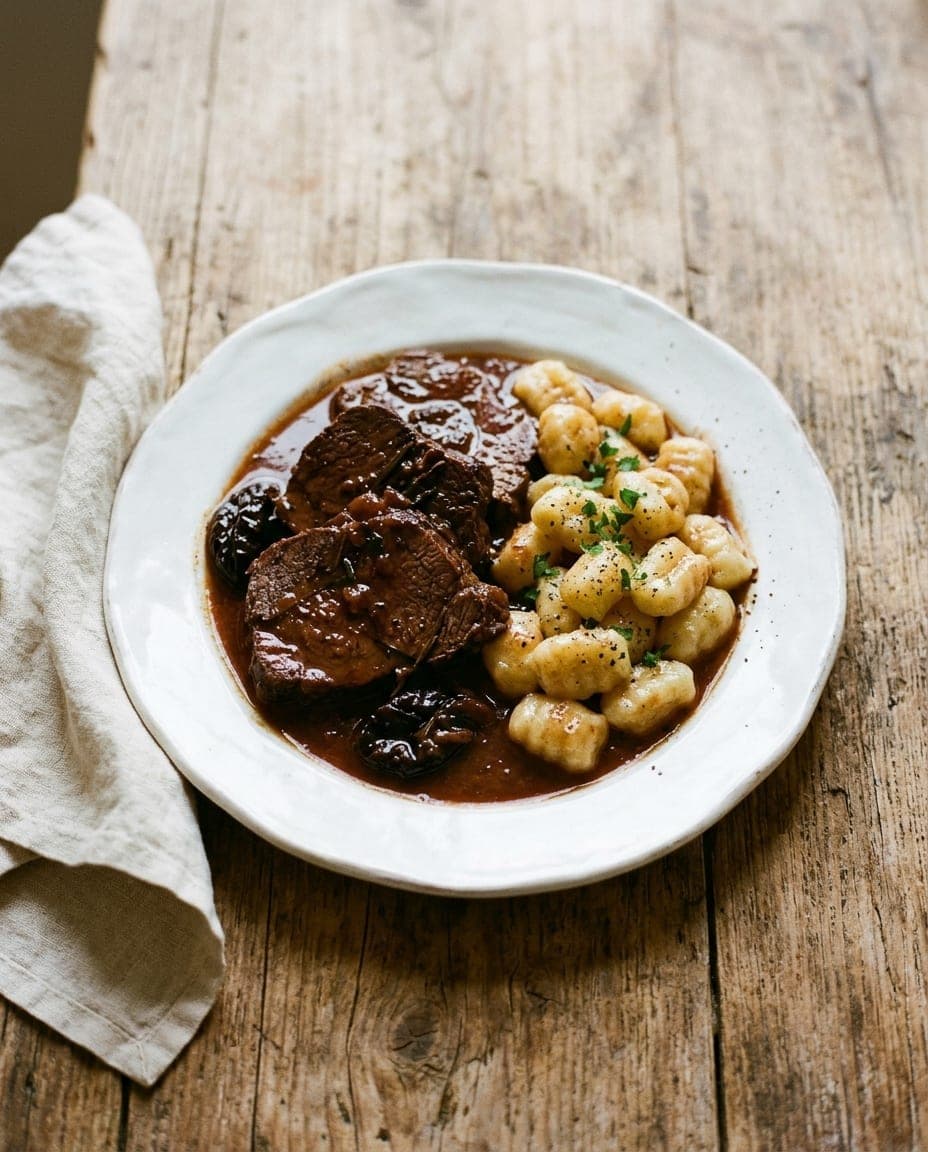
Beef braised in wine and prunes, served with homemade gnocchi
- Local name
- Pašticada
- Served with
- Homemade gnocchi (njoki)
- Best eaten at
- A Dalmatian konoba
- Pairs with
- Plavac Mali or Babić
What it is
Pašticada is the most celebrated meat dish of Croatia's Dalmatian coast, a rich beef stew that defines the region's Sunday tables and holiday celebrations. It is not an everyday meal but a feast prepared for special occasions such as weddings, baptisms, or family gatherings. The dish consists of a single large piece of beef, traditionally a lean joint from the round (silverside or eye of round), which is larded with strips of bacon, garlic, carrot and whole cloves before being marinated in wine vinegar, sometimes with red wine, overnight or for up to two days.
The meat is then slow-braised for several hours until it falls apart when cut with a fork. It is cooked in a dark, glossy sauce built on red wine, often enriched with prošek (a sweet dessert wine), prunes or dried figs, and a base of root vegetables like carrots and onions. The result is a deep, complex flavour where the savoury beef meets the sweet-tart notes of the fruit and the sharpness of the vinegar.
Pašticada is almost always served with homemade gnocchi, known locally as njoki. These soft potato dumplings are essential to the dish, designed to soak up the thick, dark sauce. The combination creates a meal that is heavy, warming and deeply satisfying, reflecting the agricultural history of the region where meat was often reserved for the most important days of the year.
The Venetian roots of the sweet-sour sauce
The exact origins of pašticada are unclear, but its character points to a long history of trade and cultural exchange along the Adriatic coast. For centuries, the Dalmatian cities were under the rule of the Republic of Venice, and a Venetian influence is the most commonly cited explanation; a similar dish, pastissada, exists in the Veneto, and an early Dalmatian recipe is recorded in Dubrovnik. The use of prunes or dried figs in a meat dish is uncommon in mainland Balkan cuisine but fits perfectly with the sweet-sour profiles found in Venetian and Northern Italian traditions.
The marination process itself shows this heritage. Soaking the beef in vinegar or wine for days before cooking was a method to tenderise tougher cuts of meat and preserve them in an era before refrigeration. The addition of cloves and garlic suggests a further layer of Mediterranean spice trade, where aromatics were valued not just for flavour but for their ability to transform the taste of humble ingredients.
Every family in the region has its own version of the recipe, passed down through generations. Prunes are the usual fruit, but some families add or substitute dried figs for a softer sweetness. Neither is considered wrong, and the choice usually depends on what the cook prefers or what is available in the local market.
How it is made
The preparation of pašticada begins with the marination. A large piece of beef is pierced with lardons of bacon and cloves, then submerged in a mixture of vinegar, red wine, onions, carrots, celery and herbs. The meat sits in this liquid at least overnight, sometimes up to two days, allowing the acid to break down the fibres and infuse the meat with flavour.
After marinating, the beef is removed from the liquid and placed in a heavy pot. The cooking liquid is often strained and added back to the pot along with fresh vegetables and the chosen dried fruit. The dish simmers gently for several hours until the meat is tender enough to slice thinly against the grain. The sauce reduces to a dark, glossy consistency that clings to the meat rather than running off it.
The homemade gnocchi are prepared separately, usually from potatoes, flour and egg, rolled into small pillows and boiled just before serving. They are placed in deep bowls or on large platters, topped with the sliced beef and covered generously with the sauce. The dish is often served family-style, intended to be shared among two or more people.
Where it comes from
Pašticada is a regional speciality of the Dalmatian coast, made from Zadar to Dubrovnik and particularly associated with Split. It is not commonly found in the inland regions of Croatia, where beef stews might rely on different methods and ingredients. The dish thrives in the coastal climate where vineyards grow alongside olive groves and small farms.
How to eat it
Pašticada is a substantial meal, typically served at lunch or dinner rather than as a starter. It is best eaten with a fork and knife, cutting the beef into bite-sized pieces before mixing them with the gnocchi and sauce. The dumplings are soft and absorbent, so they should be used to gather the rich liquid from the plate.
The dish pairs naturally with local red wines that have enough structure to stand up to the strong flavours of the meat and fruit. Plavac Mali is the most common choice, a robust red wine from the Dalmatian coast that complements the savoury notes without overwhelming them. Babić, another regional red variety, is also an excellent match for its dark, spicy character.
Curious facts
- A feast for two days. The preparation involves marinating the meat for a day or two, followed by hours of slow cooking, making it a labour-intensive dish reserved for special occasions.
- The fruit question. Prunes are standard, but some families use dried figs instead or as well, and both versions are considered authentic.
- Venetian influence. The sweet-sour combination of meat and dried fruit is usually traced to the Republic of Venice, though the dish's exact origins are disputed.
- Regional boundary. Pašticada is specific to Dalmatia, particularly Split, and is rarely found in inland Croatian cuisine.
- Shared platter. It is traditionally served as a dish for two or more people, often presented on a large platter to encourage sharing at family gatherings.
- The konoba connection. The dish is most authentically experienced in a konoba, a traditional tavern that prioritises local ingredients and slow cooking methods over quick service.
Where to try it
A konoba in Dalmatia — Split, the Cetina valley, the hinterland towns behind Šibenik — where it is a Sunday dish and often needs ordering a day ahead, because the marinating cannot be hurried.
It is also wedding and feast food, which is the setting it comes from: a large pot, a long table, and gnocchi made the same morning. Restaurants on the coast serve it year-round, though it belongs more naturally to the cooler months, when a slow braise is what the kitchen wants to be doing anyway.
Where to try it
2 regions
 Boat Rentals4 destinations
Split-Dalmatia
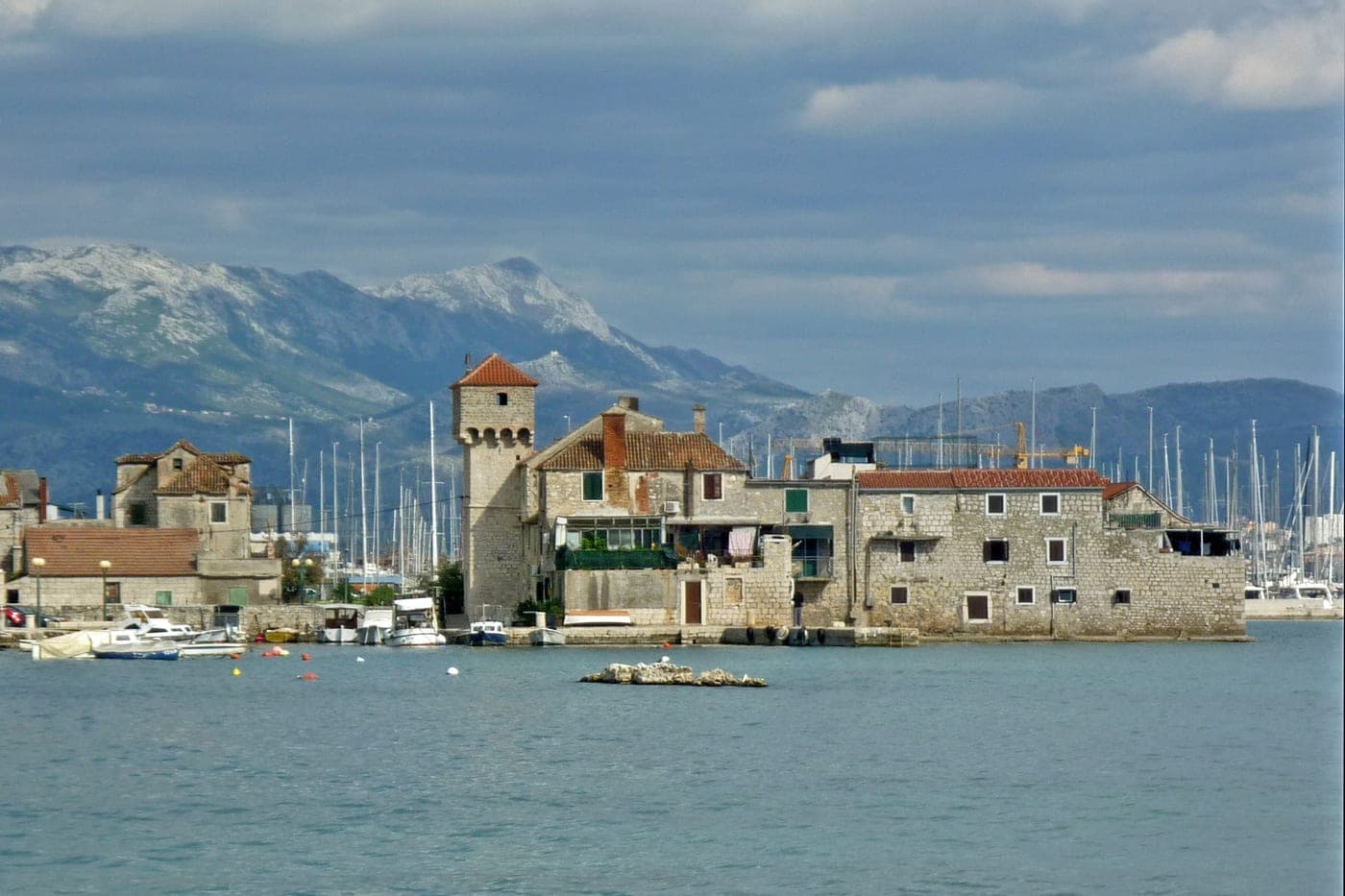
Split-Dalmatia is the largest county in Croatia, known for its stunning coastline along the Adriatic Sea. The city of Split, with its UNESCO-listed Diocletian's Palace, serves as the region's cultural heart. Beyond the city, the county boasts lesser-known gems like the historic town of Trogir, famous for its medieval architecture, and the serene islands of Hvar and Brač, known for their local wines and olive oil. Nature lovers can explore the rugged beauty of the Biokovo Mountain range or the hidden coves along the coast. This region is rich in traditional gastronomy, featuring fresh seafood, local cheeses, and the unique wines of the Dalmatian hinterland. Festivals such as the Split Summer Festival showcase local arts and culture, providing an authentic glimpse into life here.
Boat RentalsHiking Boat Rentals2 destinations
Šibenik-Knin
Šibenik-Knin is a significant region in Croatia, known for its unique blend of coastal and inland landscapes. It boasts the only major city in the country with a UNESCO World Heritage-listed fortification system, Šibenik. The region features Krka National Park, famous for its stunning waterfalls and diverse flora and fauna. Small towns like Knin, rich in Ottoman and medieval history, offer insights into Croatia's past. Local traditions thrive, with festivals celebrating everything from olive oil to traditional music. The region's wine production, particularly the indigenous Babic grape, adds to its appeal, making it a delightful area for discovery away from the usual tourist paths.
Boat Rentals