Kriek lambic
A sour lambic beer from Brussels and the Pajottenland, refermented with whole cherries
- Alcoholic
- Local name
- Kriek
- Served
- Chilled, in a stemmed glass
- Best eaten at
- A Brussels lambic café
- Pairs with
- Dark chocolate, cheese
What it is
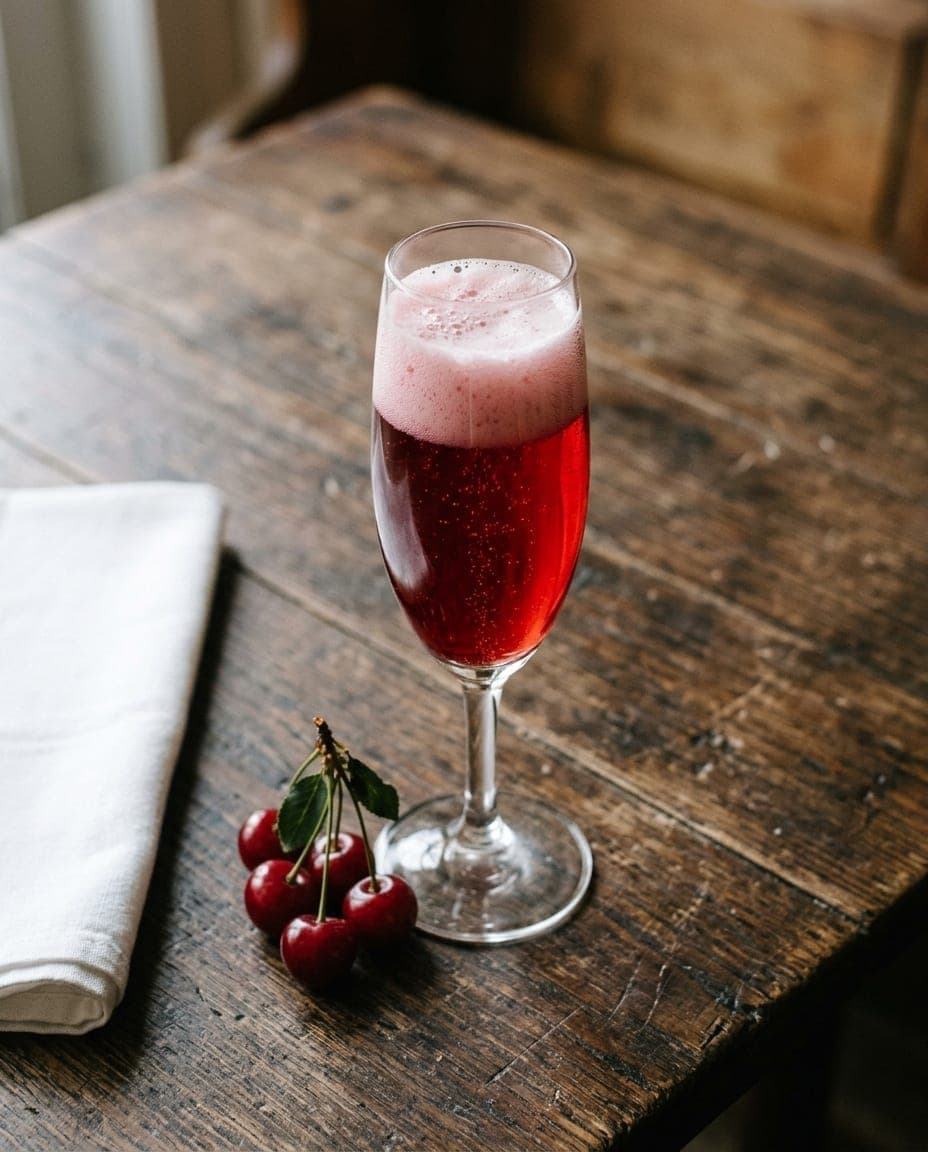
Kriek is the name given to a lambic beer that has been refermented with sour cherries. It is a drink of deep red colour and a pale pink head, with an aroma that balances the tartness of fruit against the earthy funk of wild fermentation. The liquid finishes dry rather than sweet, as the remaining yeasts in the base beer consume the sugar from the fruit.
This beverage is a regional speciality of Brussels and its immediate surroundings. It is not produced across Belgium in the same way that standard lagers or pale ales are, but remains concentrated in Brussels and the Pajottenland to its south-west, where the tradition of spontaneous fermentation survives. The drink is served chilled, typically in a stemmed glass known as a tulip or balloon, which helps to trap the delicate aromas while keeping the temperature low.
The story of kriek begins with the lambic itself. Unlike most beers that are brewed with specific yeast strains added at the start, traditional lambic wort is left to cool overnight in a wide, open vessel called a koelschip, where wild yeasts and bacteria from the air settle into it. It then ferments slowly in wooden barrels or large casks called foeders. This creates a beer that is sour, complex and unpredictable. Once it has aged, usually for a year or more, it is ready to receive the cherries.
The history of the cherry barrel
The practice of refermenting lambic with fruit has long been part of brewing in the Pajottenland region, just south-west of Brussels, where the air carries the specific microflora needed for spontaneous fermentation. While other fruits like raspberries or peaches have been used, the sour cherry has always held a place of honour. The tradition is bound up with the agricultural calendar of the valley, where orchards once grew alongside the hops fields and the breweries.
In the past, the fruit was also a practical way to use up surplus cherries and lambic and create a new product from the same batch. Brewers would take lambic and pour it over a layer of whole cherries in a large wooden cask. The yeast would finish its work on the cherry sugar, producing carbonation and alcohol while infusing the liquid with the fruit's essence.
Over time, the specific variety of cherry became important. The Schaarbeek cherry, named after Schaerbeek, a municipality of the Brussels-Capital Region once known for its orchards, was traditionally preferred for its high acid content and distinct taste. These cherries were small, dark and intensely sour, providing the sharp counterpoint to the funky beer. As the fruit macerated in the cask for several months, the liquid turned a deep ruby red and developed a faint nutty note from the cherry stones.
What goes into it
The ingredients of a traditional kriek are simple, yet the process requires patience and specific conditions. The base is always a lambic beer, fermented spontaneously with wild yeast and bacteria. This provides the sour backbone and the active yeasts needed for the second fermentation.
The fruit component consists of whole sour cherries. Traditionally, these were the Schaarbeek variety, grown in the orchards surrounding Brussels. The cherries are used with their stones intact, which contributes a subtle almond flavour to the final drink. In modern production, however, the scarcity of Schaarbeek cherries has led many brewers to use other varieties of sour cherries, such as Morello-type cherries from Belgian Limburg, Poland and elsewhere that offer similar acidity.
There is also a distinction between traditional and commercial versions. The former relies on the natural sugar in the fruit for fermentation, resulting in a dry finish. The latter often involves adding cherry syrup after fermentation, creating a sweeter, less complex beverage that shares the name but follows a different path. Kriek and oude kriek are protected in the EU as Traditional Specialities Guaranteed, and the 'oude' label marks the traditional kind that referments in the bottle. A true kriek will not taste cloying; it should be sharp and clean.
How to drink it
Kriek is best enjoyed chilled, typically between 8 and 10 degrees Celsius. Serving it warm would mute the delicate fruit aromas and exaggerate the sourness in a way that feels unbalanced. The stemmed glass is essential, as the shape concentrates the volatile esters released by the cherries and allows the drinker to appreciate the deep red colour against the light.
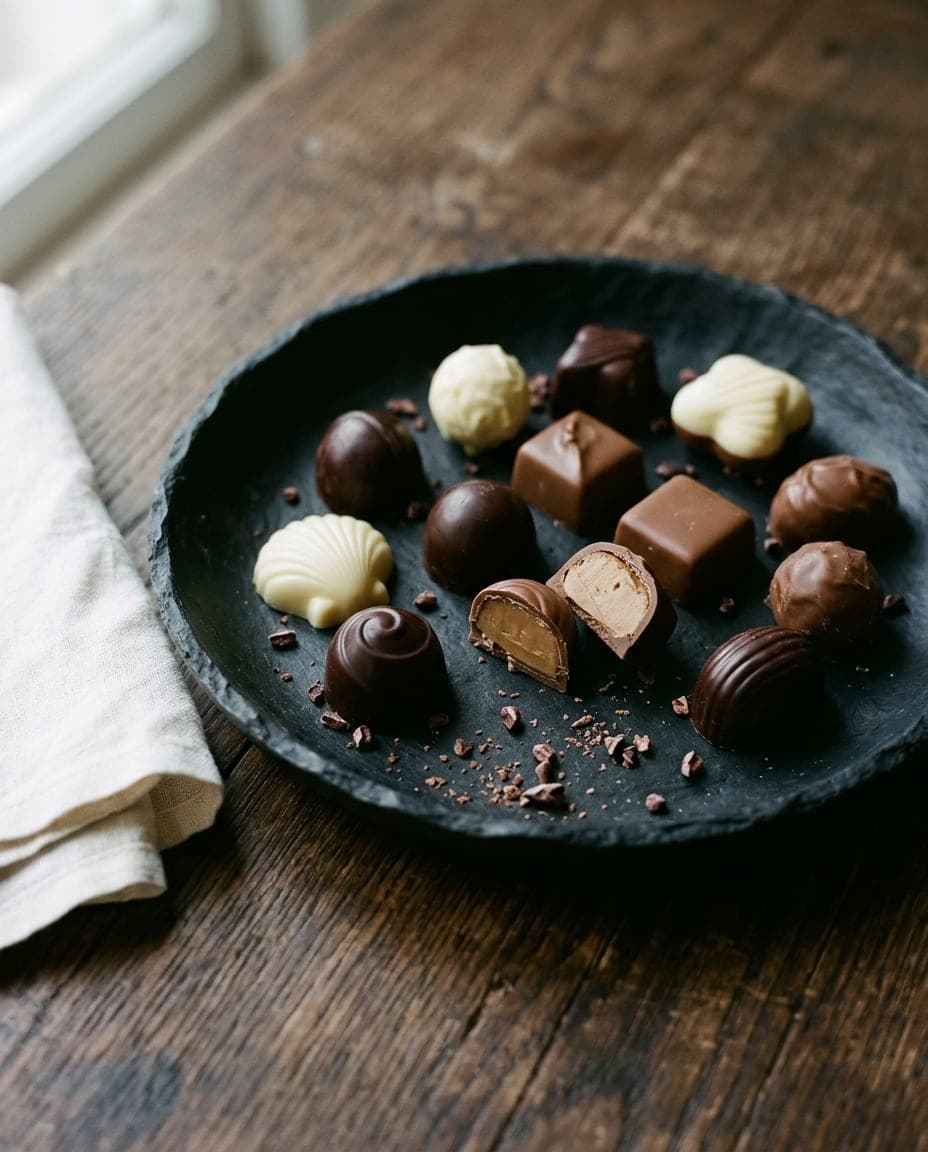
The acidity of the beer makes it an excellent companion for rich foods. It pairs naturally with dark chocolate, where the fruit notes complement the cocoa without overwhelming it. A selection of aged cheeses, particularly those with a firm texture or a slight saltiness, also works well, as the sharpness of the kriek cuts through the fat.
In Brussels, the drink is found in traditional cafés that specialise in lambic. These are not tourist traps but local institutions where the air smells of wood and fruit. A visit to one of these establishments involves sitting at a wooden table, ordering a glass of kriek alongside a plate of cheese or chocolate, and perhaps trying other spontaneous beers on offer.
Curious facts
- The stones matter. Unlike many fruit beers where the seeds are removed, traditional kriek macerates with the stones inside. This process imparts a faint almond note to the taste.
- It finishes dry. The active yeasts in the lambic consume the sugar from the cherries during refermentation, so a well-made kriek is not sweet but rather sharp and tart.
- The Schaarbeek variety is rare. While historically central to the recipe, these specific sour cherries have become scarce, leading most brewers to use alternative varieties today.
- It is a blended drink. After the fruit fermentation, the beer is often blended from different barrels to ensure consistency, much like the process used for gueuze.
- A seasonal harvest. The cherries are harvested in early summer, but the fermentation and maturation process extends well into autumn and winter before bottling.
Where to try it
The best place to find an authentic kriek is within the Brussels and Pajottenland lambic tradition. You are unlikely to find the traditional kind on the menu of a standard chain bar or a generic brewery. Instead, seek out the small neighbourhood taverns in the capital that specialise in spontaneous beers. These establishments are often tucked away in quiet streets, with signs indicating they serve gueuze, kriek and other lambics.
A visit to one of these cafés is an opportunity to taste the drink as it was intended: cold, dry and full of character. The staff will likely have a selection of different krieks available, ranging from those made with traditional methods to more modern interpretations. It is worth asking about the specific fruit used, as this can vary between producers.
The experience is best paired with a plate of dark chocolate or a selection of aged cheeses. This combination allows the drinker to appreciate the interplay between the sour beer and the rich food without distraction. There is no need to rush; the goal is to savour the complexity of a drink that has taken months to mature.
Where to try it
1 region
 Camper Van Rentals1 destination
Brussels
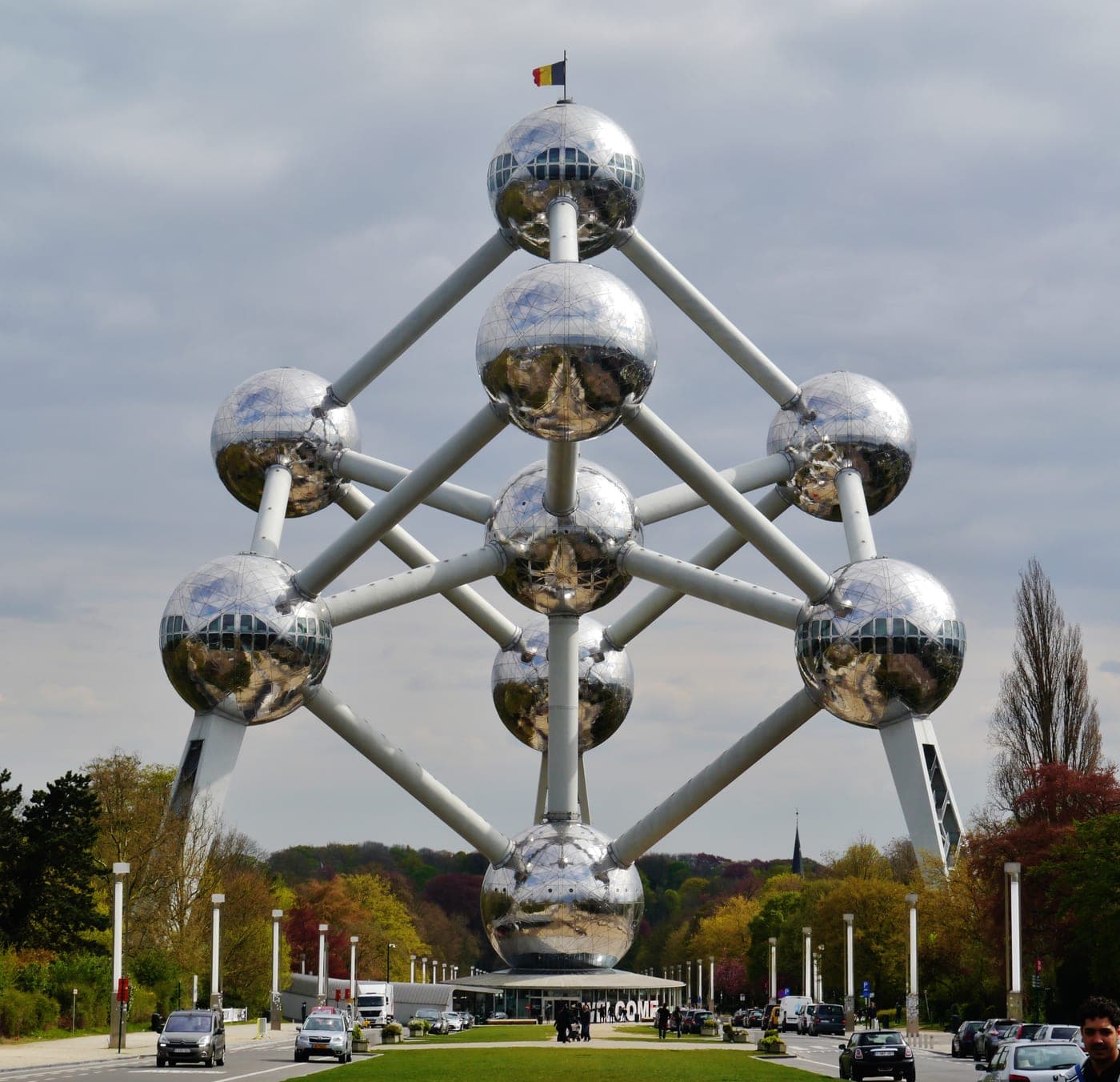
Brussels sits at the meeting point of French and Flemish Belgium, and that mix shapes everything about how the region feels: two languages on every street sign, two culinary traditions on every menu, and a pace that has never quite caught up with its role as a capital of European institutions. Away from the glass towers of the EU quarter, the older city keeps its own rhythm, built around guild squares, covered arcades, and small bars that have poured the same abbey beers for generations. The Grand Place is the obvious starting point, a market square ringed by gilded guildhalls that once belonged to the city's bakers, brewers, and boatmen. It is a UNESCO World Heritage Site, and even on a busy afternoon the carved facades reward slow looking rather than a quick photo. From here, narrow lanes lead into the Îlot Sacré, where waffle stands sit beside chocolate shops that still temper cacao by hand. Belgian chocolate culture runs deep in Brussels: family-run ateliers sell pralines by weight, and a few keep working display kitchens where the process is part of the shop. Beer is the other constant. Brussels is where lambic and gueuze are still brewed using spontaneous fermentation. Traditional estaminets pour these alongside Trappist and abbey beers, often with a matching cheese or a plate of frites on the side. A few breweries in the city centre still run tours through working cellars, and tasting a gueuze where it is made is a different experience from drinking it anywhere else. Beyond the tourist core, Brussels holds neighbourhoods that reward unhurried wandering. Saint-Géry is now full of small galleries and bars built into old warehouses. The Marolles keeps a flea market running through its cobbled streets, where dealers lay out furniture, glassware, and old postcards each morning. Matongé, the Congolese quarter near Porte de Namur, brings West African fabrics, music shops, and cooking into the same few blocks, a reminder that Brussels' identity is not only Franco-Flemish but genuinely international. Ixelles and Saint-Gilles hold rows of townhouses with curved iron balconies and stained-glass stairwells from the era of architect Victor Horta. Walking these streets without a fixed plan is often how they're noticed, since many of the finest facades sit on quiet residential blocks rather than main avenues. Brussels' long-standing love of comic art shows up in a similar way: painted murals of characters from Belgian comics appear on gable walls across the centre, part of a public trail that turns a walk between neighbourhoods into something like a treasure hunt. The Zenne river, mostly covered over in the nineteenth century, still shapes the city's geography, and the canal that runs north from the centre connects Brussels to Antwerp and the Flemish lowlands beyond it. Along its banks, old industrial warehouses have become galleries, breweries, and weekend markets, giving the canal district a slower, more local feel than the tourist streets around the Grand Place. As a region, Brussels works as a base for exploring the smaller Flemish and Walloon towns that ring it, each with its own guildhalls, beer traditions, and market squares, all reachable within short distances of the capital. Together they form a compact, walkable corner of Belgium where medieval architecture, brewing traditions, and chocolate craft sit within easy reach of one another.
Camper Van RentalsHiking