Gueuze
A dry, sparkling blend of young and old lambic from Brussels
- Alcoholic
- Local name
- Geuze
- Served
- Cellar-cool, poured gently
- Best eaten at
- A Brussels lambic café
- Pairs with
- Pottekeis on bread
What it is
Gueuze, or Geuze in the local dialect, is a drink that stands apart from the rest of Belgian brewing. It is a sparkling blend of young and old lambic beers, traditionally produced in Brussels and the Pajottenland, the rolling country of the Zenne valley south-west of the city. Unlike most beers where fermentation is controlled by adding specific yeast strains, gueuze relies on wild yeasts and bacteria living in the air of the region to start the process. The result is a dry, intensely acidic, and effervescent beverage that tastes of sour fruit, hay, and barnyard earth.
It is not a beer made for casual sipping alongside a sandwich. It is a drink with a serious character, often described as the driest and most complex beer Belgium makes. The fizz comes from a second fermentation that happens inside the bottle, triggered when young, sweet lambic is mixed with old, dry lambic. This process creates a carbonation similar to champagne, yet the taste remains firmly rooted in the earth of the Zenne valley.
How it is made
The story begins with the koelschip, a wide, shallow open vessel, usually of copper, where the wort, or unfermented beer, is left to cool overnight. In the Pajottenland, this open-air exposure allows wild microorganisms from the air to settle into the liquid. No brewer's yeast is added. The fermentation that follows can take months and involves complex bacteria that give the beer its sharp acidity and distinctive aromas.
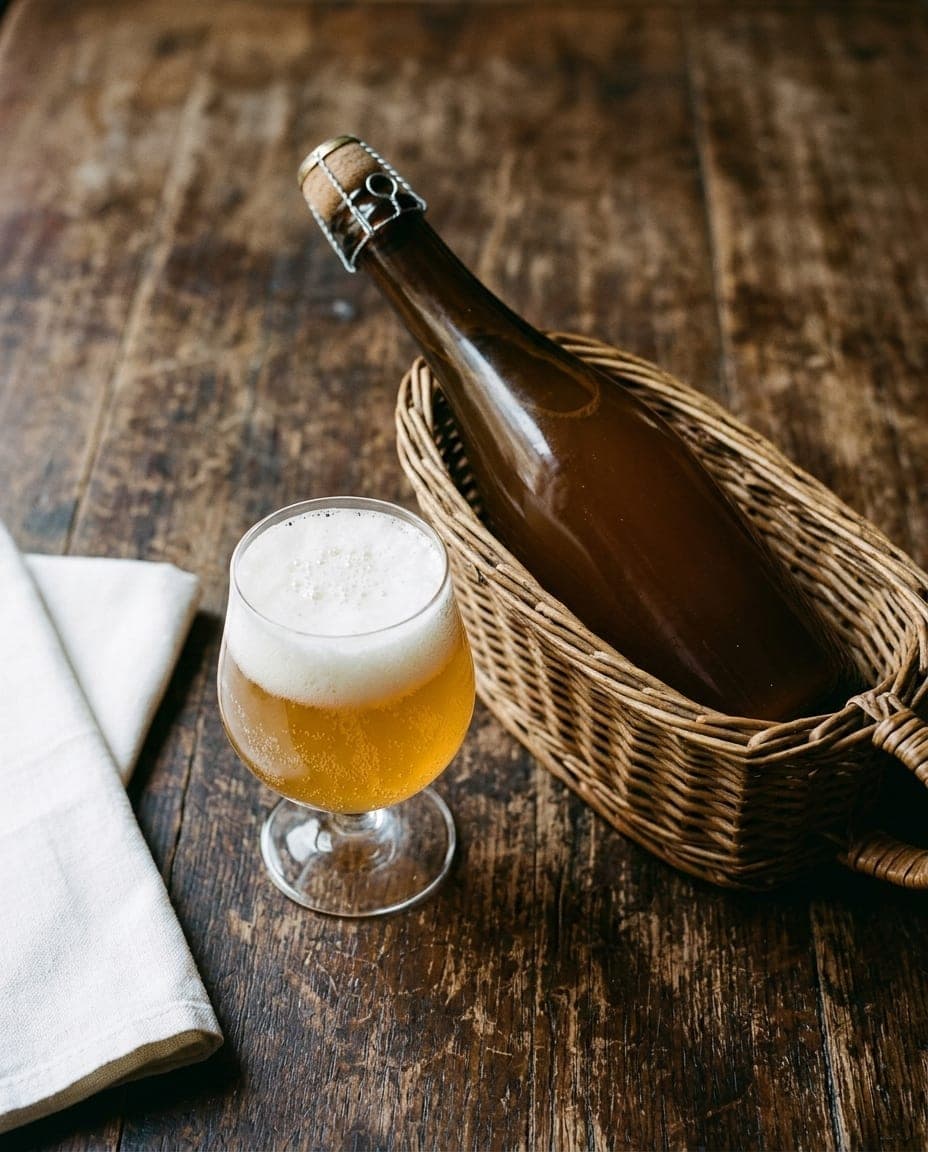
Once the young lambic has finished its initial work, it still contains residual sugar. This is the key to the next step. Blenders take this young beer, usually about a year old, and mix it with old lambic that has matured for two or three years in oak casks. The older beer is bone dry by this point, having consumed all its sugar. When these two are combined in a bottle, the remaining sugar in the young beer feeds the wild yeast again, creating a natural carbonation. The heavy, champagne-style bottles are then corked, much like sparkling wine, to withstand the pressure.
Some houses brew their own lambic and blend it themselves. Others act as blenders only, purchasing the young and old beers from different producers to create their final cuvée. There is no single rule for the ratio of young to old; each blender adjusts the balance to suit their style, resulting in a range of gueuzes that vary in sharpness and fruitiness.
The taste of the barnyard
To the uninitiated, the aroma of gueuze can be surprising. It often carries scents described as funky, reminiscent of a farmyard, horse blankets, or wet leather. These are not flaws but essential characteristics of the spontaneous fermentation process. As the beer warms in the glass, these earthy notes settle into a background for the sharper, citrus-like acidity and hints of green apple, pear, and lemon zest.
The palate is dry, with almost no residual sweetness. The carbonation is lively, cutting through the sourness to create a refreshing finish that lingers on the tongue. It is a drink that demands attention; it does not offer immediate comfort but rather a complex, evolving experience. The sediment at the bottom of the bottle is natural and should be left behind when pouring.
How to drink it
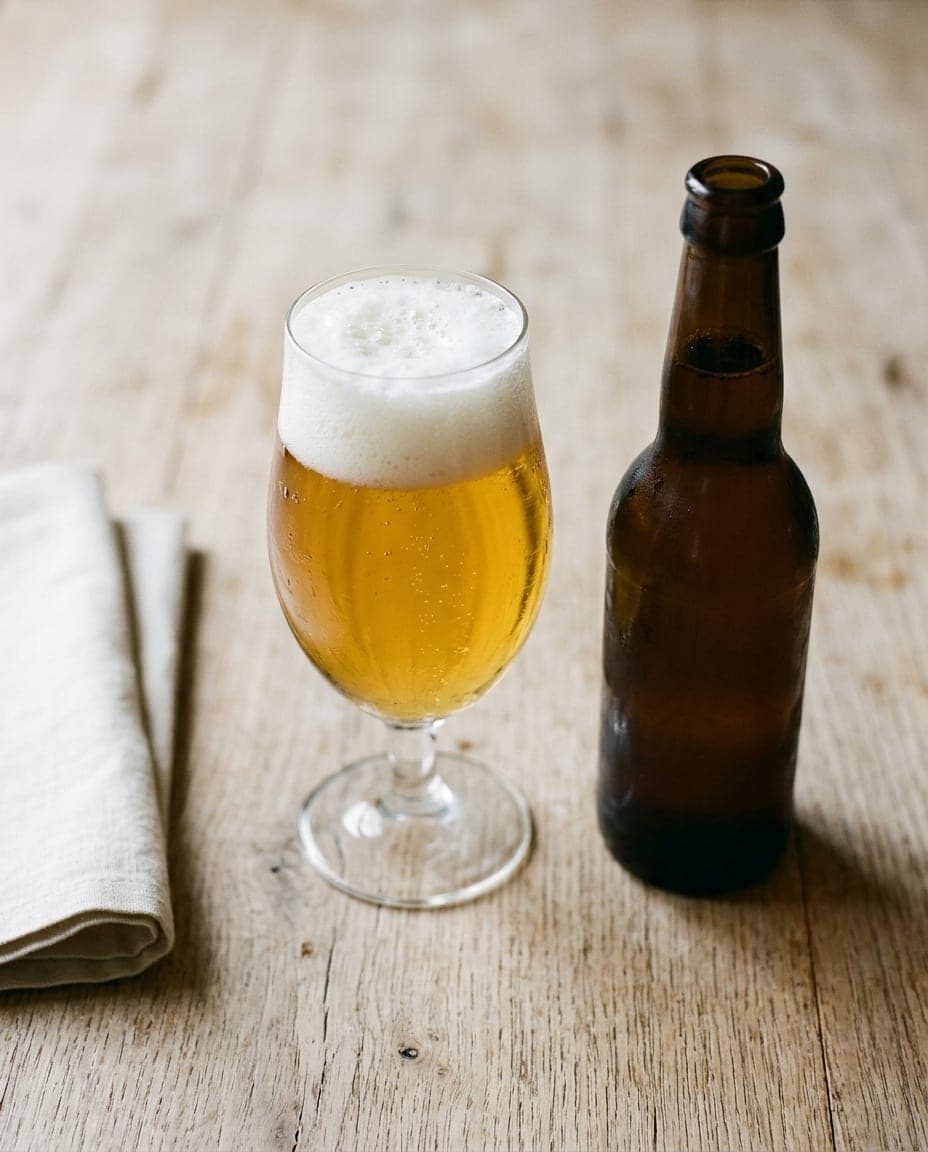
Gueuze is best served cellar-cool, never ice-cold, which would mute its delicate aromas. It is poured gently into a tulip glass or a wide-mouthed goblet to allow the bubbles to rise without agitating the sediment too much. Because of the pressure from the secondary fermentation, the pour should be slow and steady. If the bottle has been standing for a while, it is wise to let it rest for a few minutes after pouring so the foam settles before drinking.
The traditional setting for this drink is a lambic café in Brussels, where the staff are knowledgeable about the specific blenders and vintages available. These are not tourist traps but local institutions where regulars gather to discuss the latest release from a particular house.
For food, gueuze has a specific partner that locals swear by: pottekeis, a pungent spread of soft white cheese and salty Brussels cheese with shallot, spring onion and often a splash of geuze, served on bread. The sharp acidity of the beer cuts the fat of the cheese, while its tang stands up to the raw onion. It is an unusual pairing that works perfectly because both elements share that same deep, fermented character.
Where to find it
Gueuze is made in Brussels and the Pajottenland, though bottles travel widely and turn up in specialist beer shops abroad. Gueuze and oude gueuze are protected in the EU as Traditional Specialities Guaranteed, which fixes the method rather than the place, but in practice nearly all of it still comes from Brussels and the Zenne valley.
In Brussels, look for establishments that specialise in traditional Belgian beers. These cafés often display their selection on wooden boards or chalk walls, listing the producer and the year of the blend. A good café will offer several different gueuzes, allowing you to compare how one blender's young lambic interacts with another's old stock.
Curious facts
- The wine of beer. Because of its secondary fermentation in the bottle and its dry, acidic profile, gueuze is often compared to Champagne or fine white wine rather than standard beer.
- No brewer's yeast. The fermentation relies entirely on wild microorganisms from the air and the old oak casks of the breweries, making the local environment a crucial ingredient.
- Sediment is natural. The sediment at the bottom of the bottle is live yeast and bacteria; it should not be shaken into the glass but left behind to avoid bitterness.
- A regional tradition. Nearly all gueuze comes from Brussels and the Zenne valley south-west of the city, where the wort still cools overnight in the koelschip.
- The blend varies. There is no fixed ratio for mixing young and old lambic; each blender creates their own balance, resulting in distinct styles across different houses.
Where to try it
1 destination
 Camper Van Rentals
Brussels
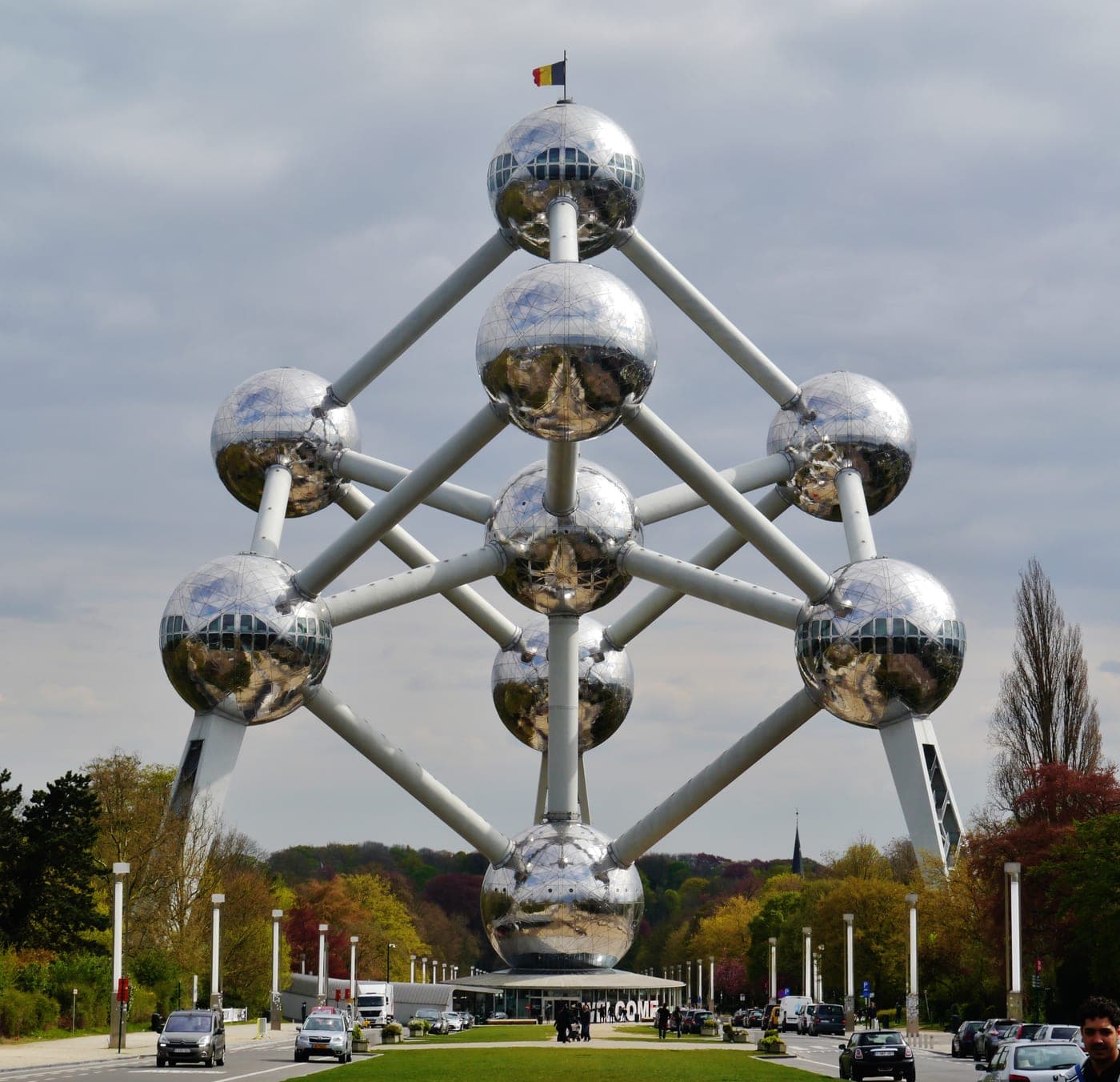
Belgium's capital with Grand Place, Art Nouveau, chocolate, and EU institutions.
Camper Van RentalsHiking
1 region
- Camper Van Rentals1 destination
Brussels
Brussels sits at the meeting point of French and Flemish Belgium, and that mix shapes everything about how the region feels: two languages on every street sign, two culinary traditions on every menu, and a pace that has never quite caught up with its role as a capital of European institutions. Away from the glass towers of the EU quarter, the older city keeps its own rhythm, built around guild squares, covered arcades, and small bars that have poured the same abbey beers for generations. The Grand Place is the obvious starting point, a market square ringed by gilded guildhalls that once belonged to the city's bakers, brewers, and boatmen. It is a UNESCO World Heritage Site, and even on a busy afternoon the carved facades reward slow looking rather than a quick photo. From here, narrow lanes lead into the Îlot Sacré, where waffle stands sit beside chocolate shops that still temper cacao by hand. Belgian chocolate culture runs deep in Brussels: family-run ateliers sell pralines by weight, and a few keep working display kitchens where the process is part of the shop. Beer is the other constant. Brussels is where lambic and gueuze are still brewed using spontaneous fermentation. Traditional estaminets pour these alongside Trappist and abbey beers, often with a matching cheese or a plate of frites on the side. A few breweries in the city centre still run tours through working cellars, and tasting a gueuze where it is made is a different experience from drinking it anywhere else. Beyond the tourist core, Brussels holds neighbourhoods that reward unhurried wandering. Saint-Géry is now full of small galleries and bars built into old warehouses. The Marolles keeps a flea market running through its cobbled streets, where dealers lay out furniture, glassware, and old postcards each morning. Matongé, the Congolese quarter near Porte de Namur, brings West African fabrics, music shops, and cooking into the same few blocks, a reminder that Brussels' identity is not only Franco-Flemish but genuinely international. Ixelles and Saint-Gilles hold rows of townhouses with curved iron balconies and stained-glass stairwells from the era of architect Victor Horta. Walking these streets without a fixed plan is often how they're noticed, since many of the finest facades sit on quiet residential blocks rather than main avenues. Brussels' long-standing love of comic art shows up in a similar way: painted murals of characters from Belgian comics appear on gable walls across the centre, part of a public trail that turns a walk between neighbourhoods into something like a treasure hunt. The Zenne river, mostly covered over in the nineteenth century, still shapes the city's geography, and the canal that runs north from the centre connects Brussels to Antwerp and the Flemish lowlands beyond it. Along its banks, old industrial warehouses have become galleries, breweries, and weekend markets, giving the canal district a slower, more local feel than the tourist streets around the Grand Place. As a region, Brussels works as a base for exploring the smaller Flemish and Walloon towns that ring it, each with its own guildhalls, beer traditions, and market squares, all reachable within short distances of the capital. Together they form a compact, walkable corner of Belgium where medieval architecture, brewing traditions, and chocolate craft sit within easy reach of one another.
Camper Van RentalsHiking