Vorarlberger Bergkäse
Hard, nutty cheese from Vorarlberg's high pastures
- Vegetarian
- Local name
- Vorarlberger Bergkäse
- Served with
- Dark bread, onions
- Best eaten at
- A Bregenzerwald alpine dairy
- Pairs with
- Austrian white wine
What it is
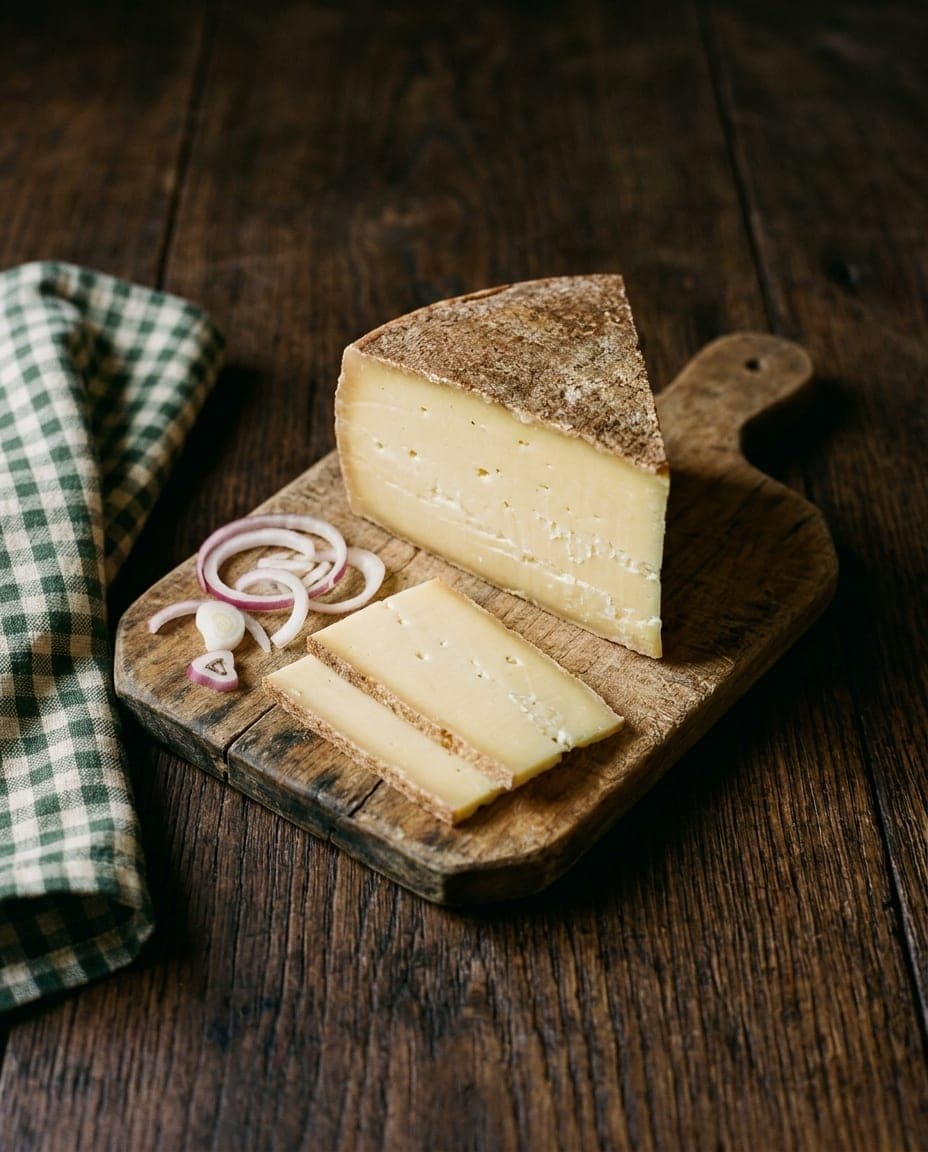
Vorarlberger Bergkäse is a hard mountain cheese produced in Vorarlberg, the westernmost state of Austria. It carries a protected designation, and two rules inside that protection do most of the work: the milk is raw, never pasteurised, and the herds are fed no silage — grass and hay only. Both are unusual in modern cheesemaking and both are why the cheese tastes of a particular summer rather than of a recipe.
Young wheels are firm, pale and nutty. With age the paste dries, sharpens and develops crystals that crunch between the teeth; a wheel of eighteen months is a different cheese from one of four.
Where it is made moves with the cattle. In summer, when the herds are up on the high pasture, the milk is made into cheese in dairies on the mountain itself — that cheese is usually sold under its own protected name, Vorarlberger Alpkäse; for the rest of the year it is made in the village dairies down in the valleys.
How it is made
Raw milk goes into a copper vat, warmed only to blood heat; a lactic culture and rennet set it, and the curd is cut into grains and then cooked, stirred, to drive out the whey. It is pressed into round moulds, and the wheels — anything from seven to forty kilos — spend two or three days in brine, which seals the rind.
Then it waits. The wheels mature on spruce boards in cool cellars or in huts on the mountain, turned and brushed with salt water week after week, which keeps the surface moulds down and builds the rind. Three months is the minimum; the wheels sold as the sharpest have had a year or more.
The ingredient list is four items long: raw milk, culture, rennet, salt. Nothing is added to lengthen its life or even out its flavour, so the taste of the cheese changes with the season the milk was taken in.
How to eat it
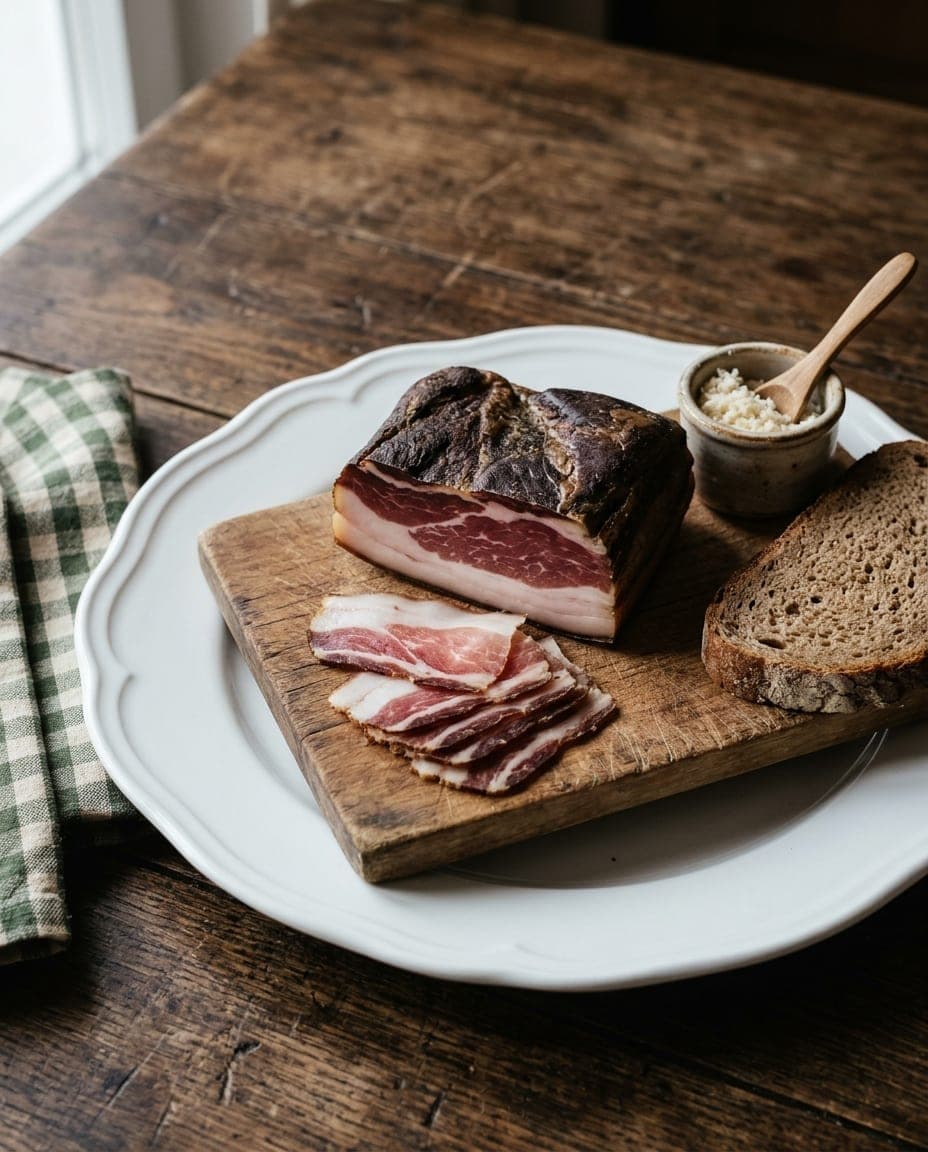
Vorarlberger Bergkäse is typically served in thin slices at room temperature to allow the aromas to rise. Dark rye or mixed-grain bread goes under it and raw onion beside it — the onion is not a garnish, it is what the fat of an aged wheel needs.
Its other life is melted. Kässpätzle, the region's soft egg noodles layered with grated Bergkäse and buried under fried onions, is the dish every Vorarlberg kitchen makes with it, and a young wheel melts better than an old one. A Grüner Veltliner or a Riesling is the usual glass with a slice.
Curious facts
- No silage rule. The cows eat fresh grass and hay; silage and other fermented feed are strictly forbidden for this cheese.
- Spruce boards matter. The traditional maturation surface is spruce, which cellar masters credit with shaping the rind and flavour.
- The crunch is age. The crystals in an old wheel form over months of maturing; they are a sign of how long it has waited, not of a fault.
- Seasonal movement. Cheesemaking shifts between mountain huts in summer and valley dairies the rest of the year, following the herds; the summer wheels are sold as Alpkäse.
- A regional focus. The cheese can only be made in Vorarlberg, though the wheels travel well beyond this western Austrian state.
Where to try it
The Bregenzerwald, where the KäseStrasse (cheese road) links the village dairies, the farms and the huts across the valley and many of them sell at the door. Several keep a window onto the vat, and the morning is when there is something to watch.
September is the month to be there: the herds come down from the high pasture in a procession the valleys turn into a day out, and the summer's wheels are in the cellars behind it.
Where to try it
1 region
 Wine Tasting3 destinations
Vorarlberg
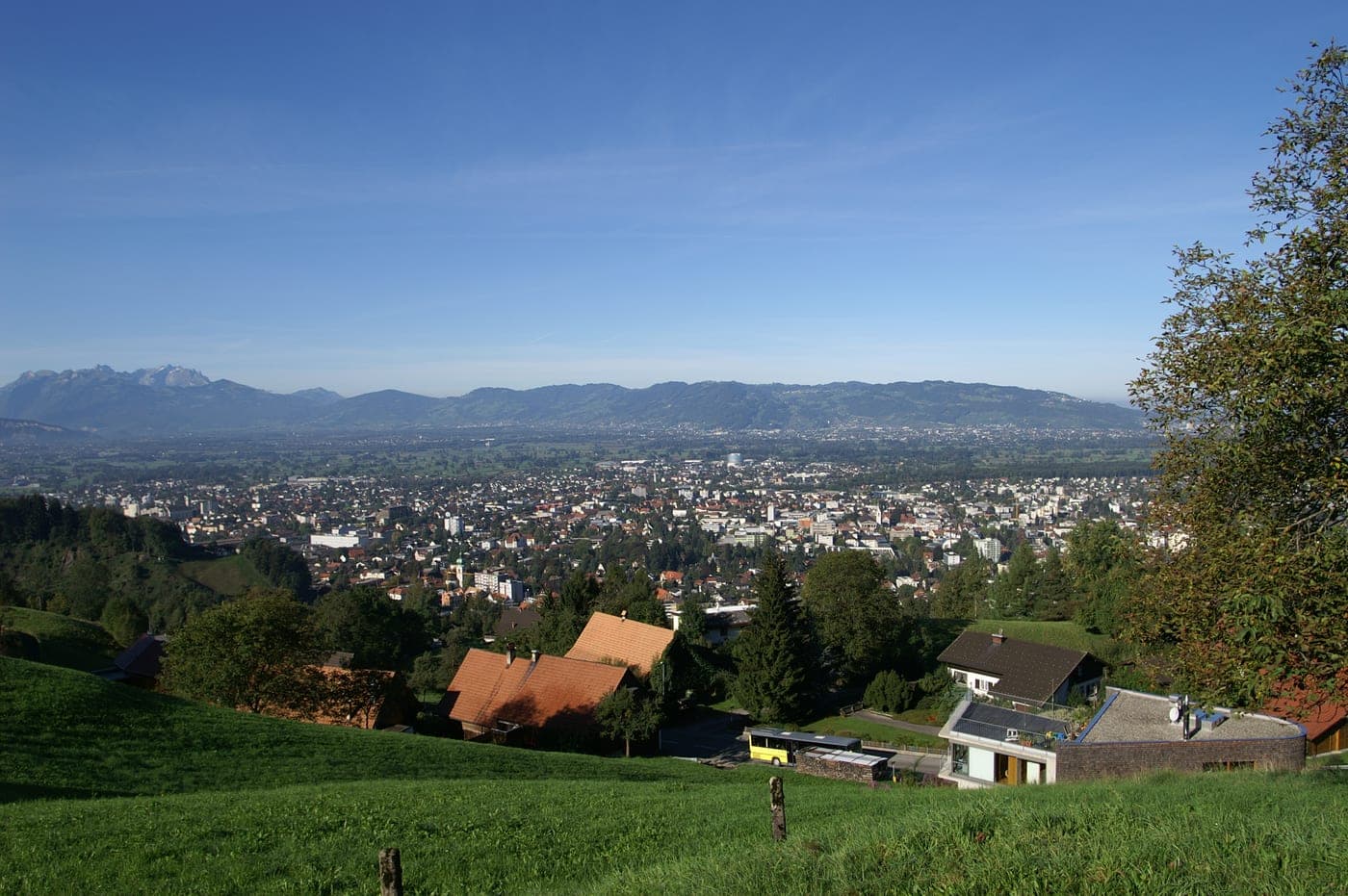
Nestled in the far west of Austria, Vorarlberg is the smallest federal state, bordered by Switzerland and Germany. Its stunning landscapes feature the Alps and Lake Constance, offering a mix of outdoor adventures and cultural experiences. The region is known for its traditional wooden architecture, particularly in villages like Schwarzenberg, where you can find local artisans at work. Bregenz, the capital, hosts the renowned Bregenzer Festspiele, an annual festival featuring opera on the lake. Vorarlberg is also famous for its culinary scene, showcasing local cheeses and wines, such as the robust whites from the region's vineyards. Explore the picturesque hiking trails in the Rätikon mountains for a deeper connection to the natural beauty and local traditions.
Wine TastingHikingLocal Cuisine