Tiroler Speck
Juniper, cold smoke and months of mountain air
- Local name
- Tiroler Speck
- Served with
- Rye bread, horseradish, pickles
- Best eaten at
- An alpine hut Jause
- Pairs with
- Zweigelt or Obstler
What it is
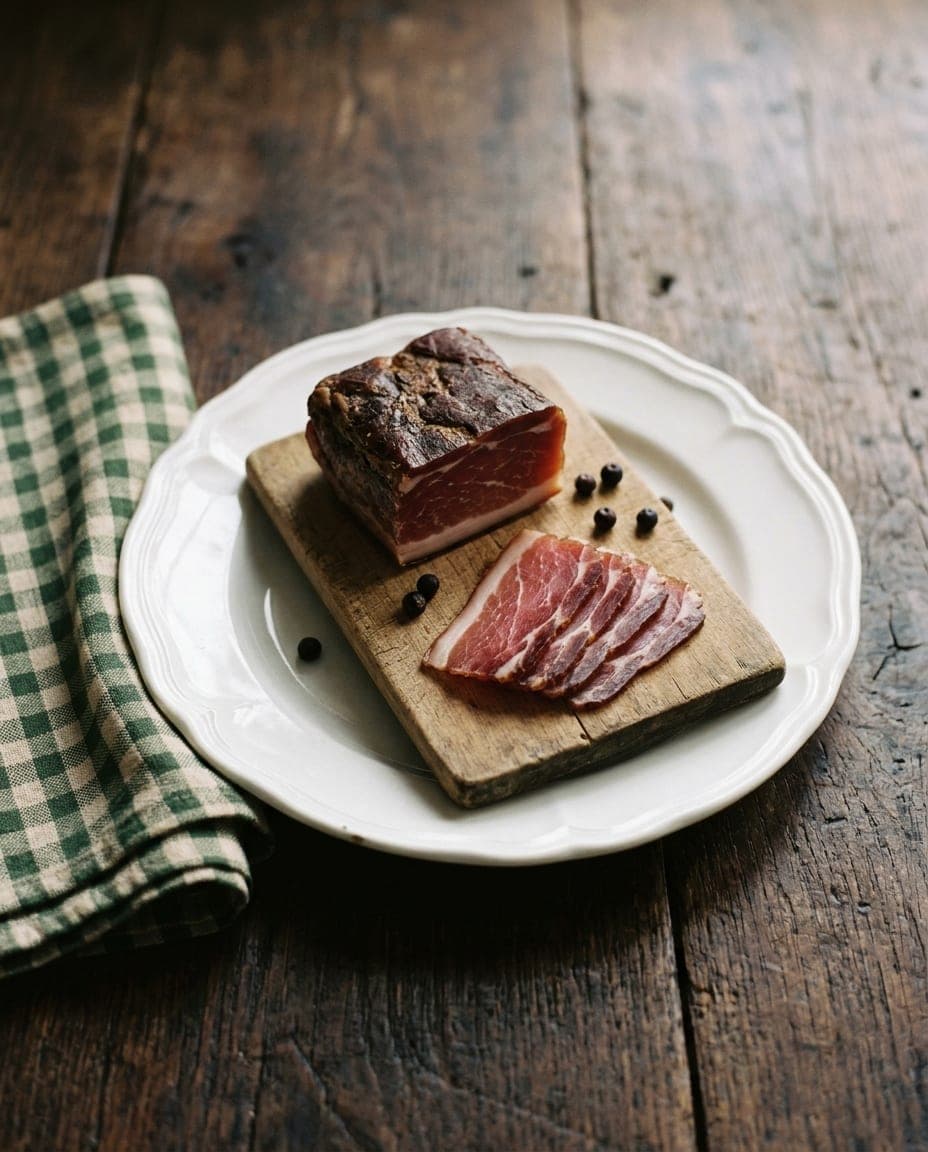
Tiroler Speck is a cured meat from the Austrian state of Tyrol, defined by its distinct flavour of juniper smoke and its protected status within the European Union. It is not merely a regional bacon or a general ham; it is a specific product governed by strict rules regarding the cut of pork, the spice rub, and the smoking process. The meat is usually taken from the leg, belly, loin or shoulder, then dry-salted and rubbed with a mixture where juniper berries, black pepper and garlic are the dominant notes.
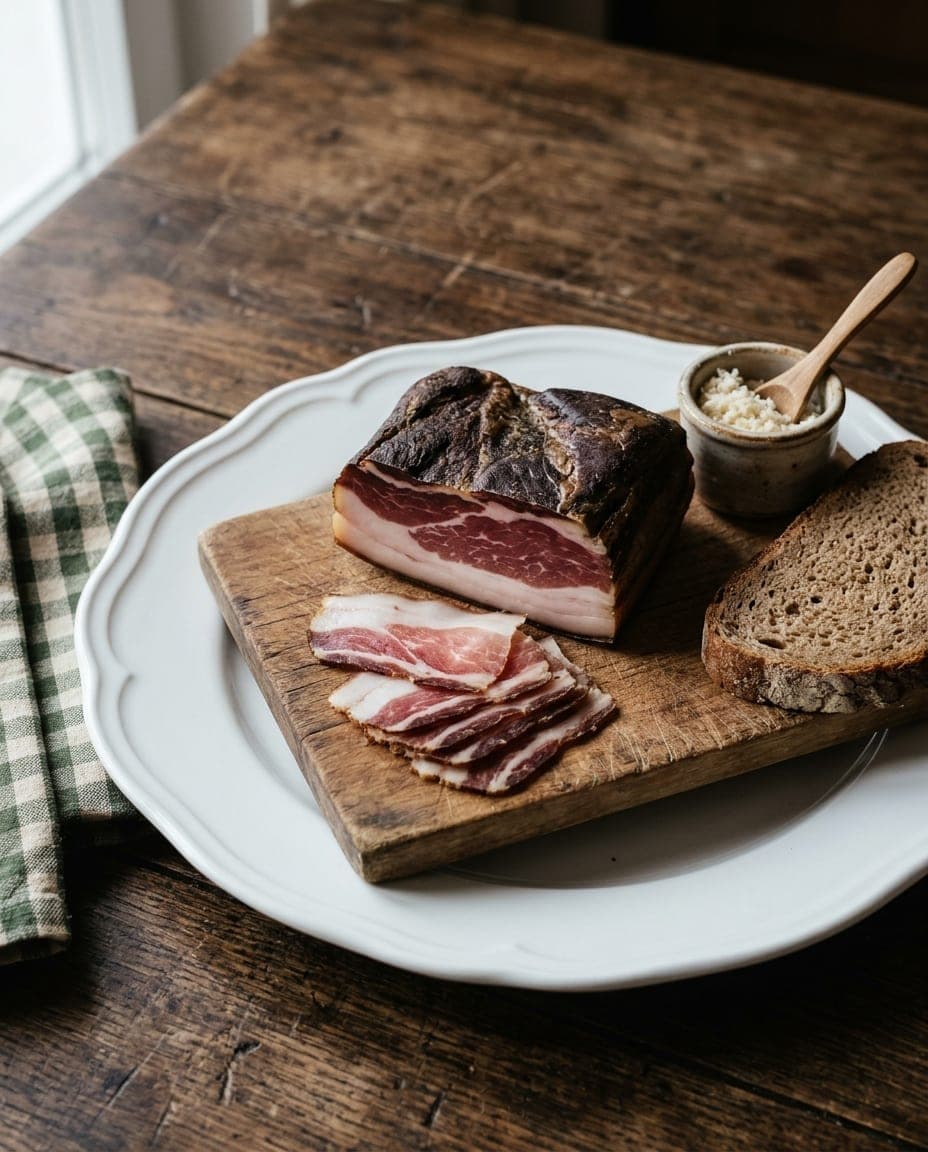
The defining characteristic of this ham is the method of smoking. Unlike many cured meats that are hot-smoked to cook the flesh, Tiroler Speck is cold-smoked over hardwood, at least half beech or ash, at low temperatures — the rules cap the smoke at 22°C. This low heat infuses the meat with a smoky aroma without cooking it. After the smoke, which takes days rather than weeks, the meat hangs to air-dry for months in the cool, dry air of the valleys. The result is a firm, dark red slice, sweet and salty at once, which is neither a plain ham nor a bacon.
The history of the alpine cure
The origins of Tiroler Speck lie in the practical necessities of life in the high mountains. For centuries, Tyrolean farmers needed a way to preserve pork through the long winters when fresh meat was scarce and refrigeration did not exist. The cold climate of the Alps provided the perfect environment for air-drying, while the availability of beech and juniper wood offered the fuel for smoking.
The juniper-and-pepper cure is what separates a Tyrolean Speck from the cured meats of Carinthia or of South Tyrol over the pass, which use their own spicing and, in the south, far less smoke. The name is now protected in the EU: the curing, smoking and drying must happen in Tyrol and must follow the defined method, and a Speck made the same way anywhere else cannot be sold under the name.
What goes into it
The composition of Tiroler Speck is simple but precise. The base is always pork, from the leg, belly, loin or shoulder. The fat matters: a slice is read by the ratio of white to red, and the fat is what carries the smoke. This cut is then dry-cured with salt and a spice blend. The blend must contain juniper berries, black pepper and garlic, which penetrate the meat during the curing phase.
After the rub is applied, the meat undergoes cold smoking over beech or ash wood. This process imparts the characteristic aroma while the smoke stays at no more than 22°C. Finally, the ham hangs in a cool, dry room or a mountain loft to air-dry for weeks or months. The duration depends on the size of the cut and the desired texture, but the goal is always a firm, sliceable product with a deep, smoky flavour.
How it is eaten
Tiroler Speck is rarely served as a cooked dish. Instead it is sliced thin onto a wooden board — a Brettljause, the cold board that counts as a meal, or a Jause, the lighter snack version — with dark rye bread under it. The traditional accompaniments include fresh horseradish, pickled onions or gherkins, and sometimes butter or soft cheese to balance the saltiness.
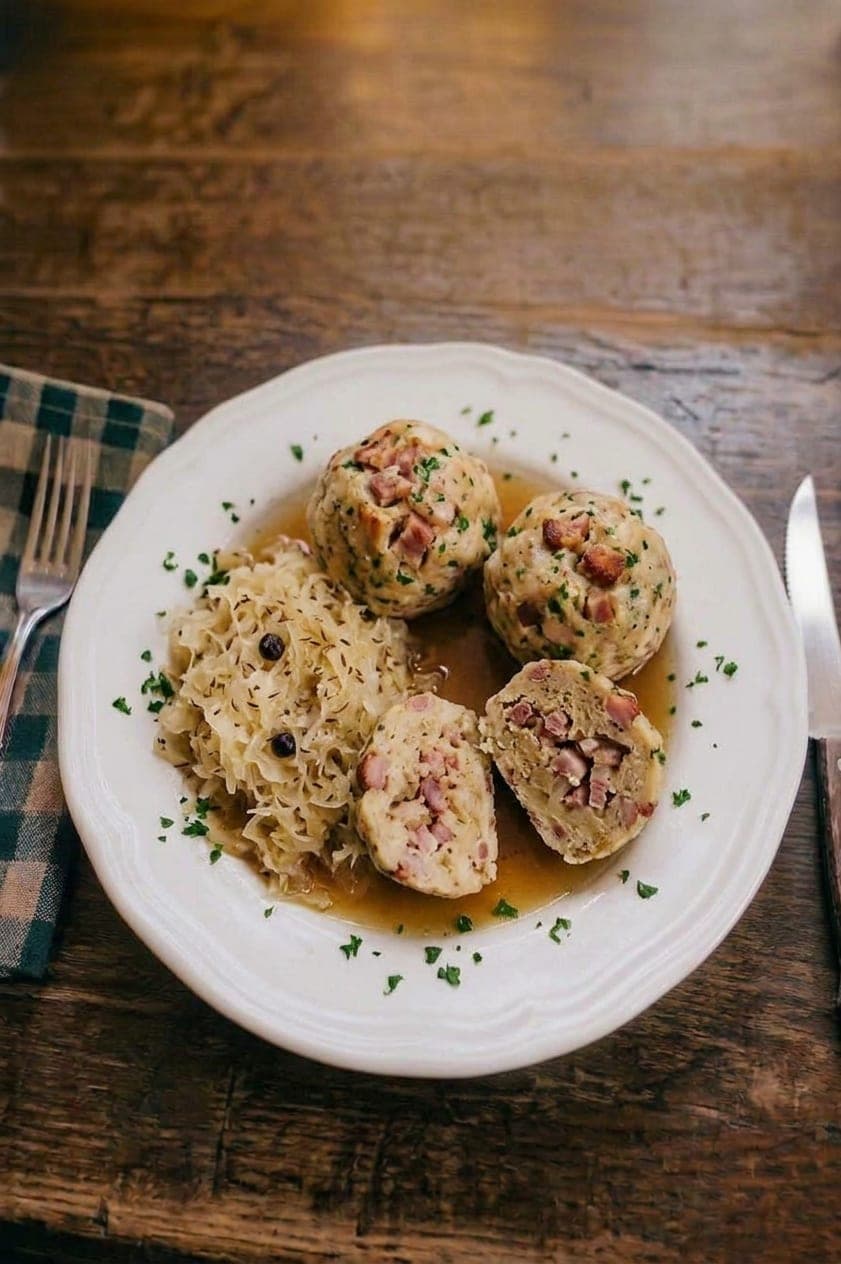
A hut is where it makes most sense, after a day outside, cut so thin that the slices are almost translucent. In a farmhouse the slab is brought to the table with a knife and cut by hand, thicker and unevenly, which is the older way of eating it. A glass of Zweigelt, the Austrian red, is the usual drink with it, or an Obstler, the clear brandy distilled from orchard fruit. In the kitchen, cubes of the ham are also used in dumplings or Gröstl, a fried potato dish, where it adds a savoury depth without needing to be cooked until crispy.
Curious facts
- A protected name. The term Tiroler Speck is protected under EU law, meaning only pork cured and smoked in Tyrol according to specific rules can carry the label.
- The cold smoke rule. The smoke may not exceed 22°C (the original 1997 rules said 20°C), to prevent cooking the meat, ensuring the ham remains raw but preserved by the smoke and salt.
- A mountain snack. The Jause is a traditional Austrian meal, often eaten mid-afternoon in the mountains, where Tiroler Speck serves as the main protein on a bread board.
- Juniper is compulsory. The smoke comes from beech or ash, but the spice rub must contain juniper, along with black pepper and garlic.
- Not just bacon. Although it resembles bacon, the air-drying phase and the use of whole cuts distinguish it from standard streaky or back bacon found elsewhere.
Where to try it
The Tyrolean valleys, and within them the farm inns and the huts above the villages, where a board of Speck, mountain cheese and rye bread is the standard order after a walk. Village butchers and farm shops sell it by the piece, and the protected designation on the label is the thing to look for — the word Speck alone, on a supermarket packet anywhere in Europe, means something much broader.
One practical note: it is a raw cured meat and is not improved by cooking. Cubed into dumplings or a Gröstl it is a seasoning; on a board with bread it is the dish.
Where to try it
1 destination
 Castles
Nassereith
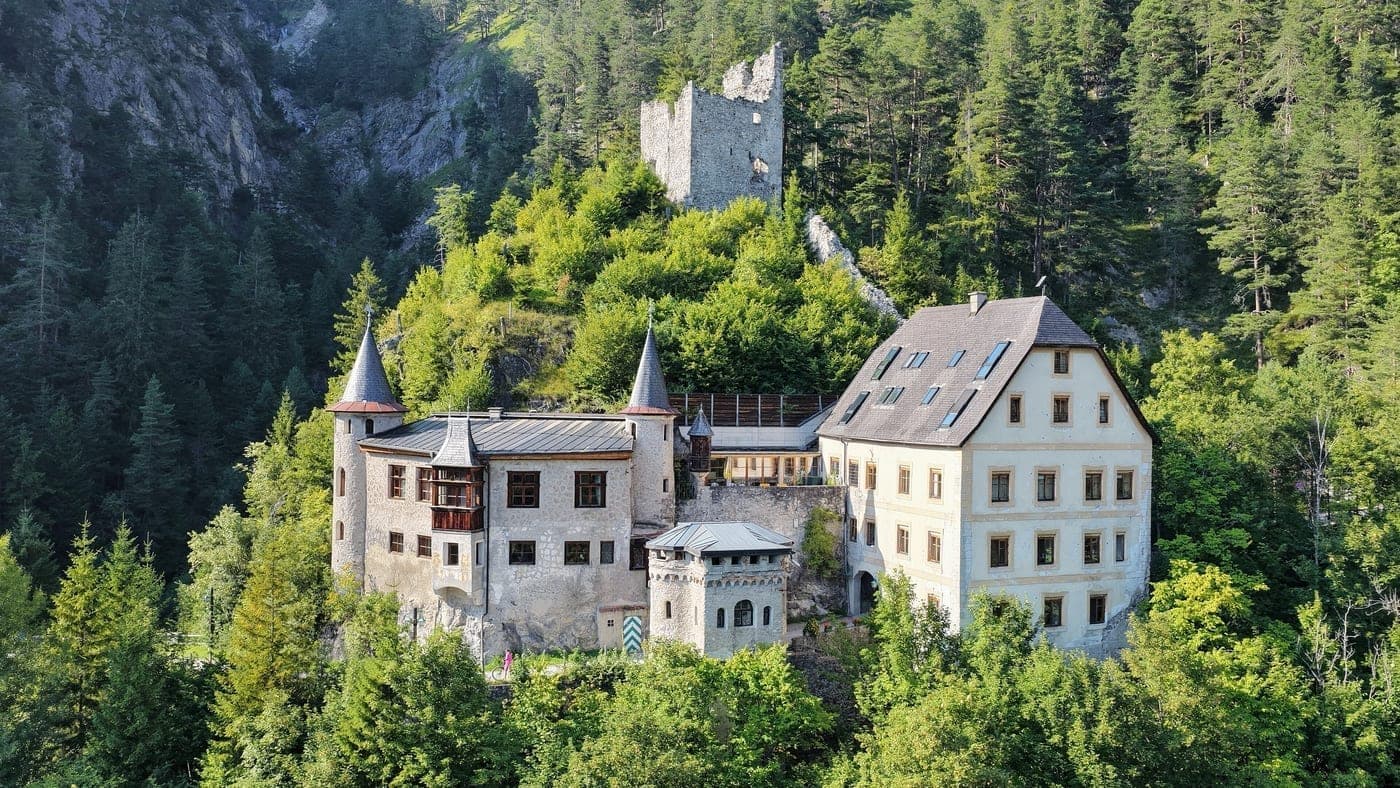
Quiet Tyrolean village at the foot of Fernpass with a romantic castle hotel on an emerald lake, once favoured by King Ludwig II of Bavaria.
CastlesHiking
1 region
 Camper Van Rentals2 destinations
Tyrol
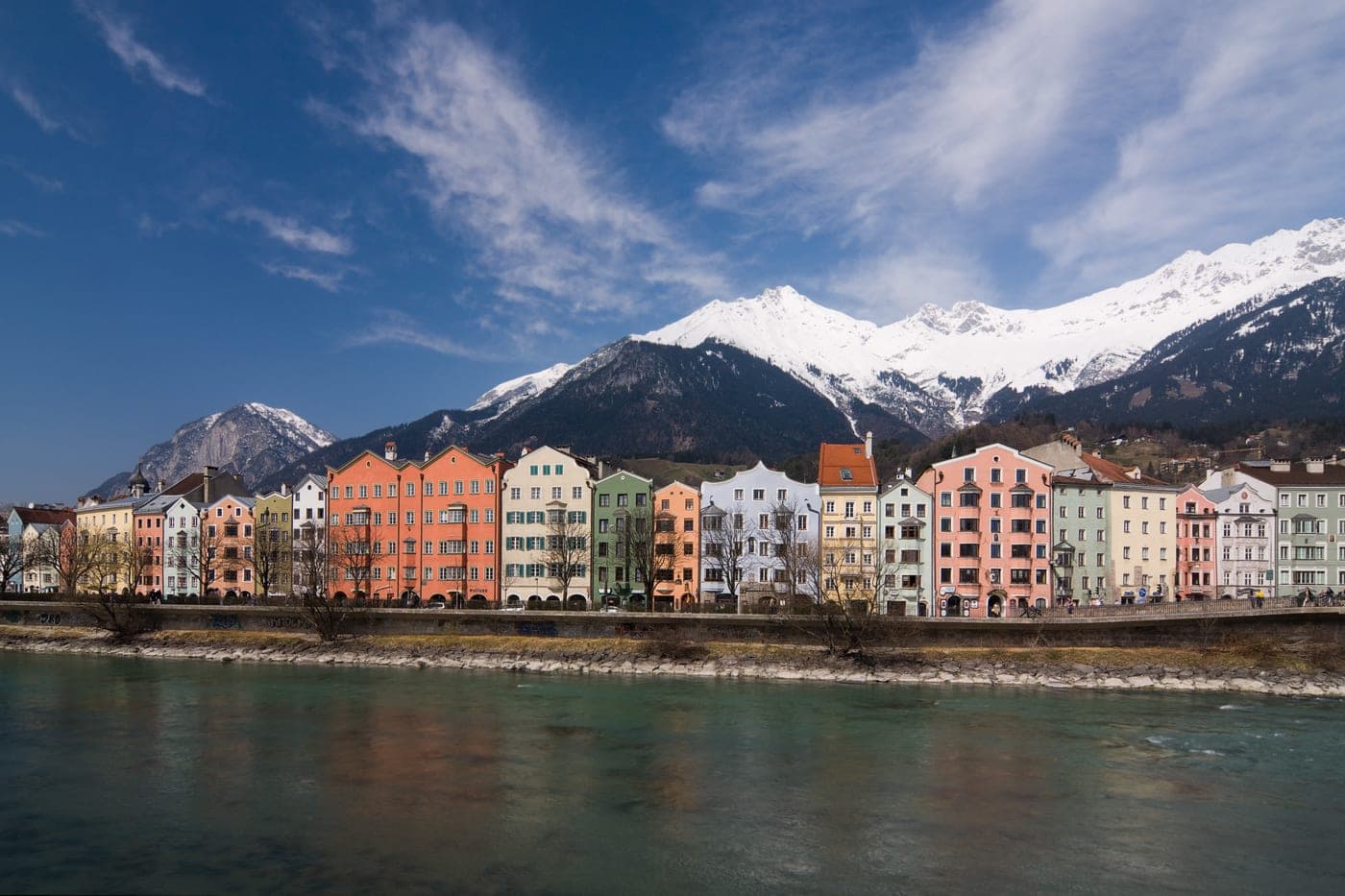
Nestled in the heart of the Alps, this region is renowned for its stunning landscapes and traditional alpine culture. Innsbruck, the capital, is famous for its historic architecture and the iconic Golden Roof. Smaller towns like Hall in Tirol and Rattenberg showcase medieval charm and rich local traditions. The region is known for its outdoor activities, including hiking in summer and skiing in winter, along with unique culinary offerings such as Tyrolean dumplings and apple strudel. Tyrol is also home to numerous historic castles and museums that reflect its rich heritage. Off the beaten path, the Ötztal Valley offers breathtaking trails and authentic mountain huts, ideal for a deeper connection with nature and local life.
Camper Van RentalsHikingLocal CuisineCastles