Marillenknödel (apricot dumplings)
Wachau apricots boiled in dough, for six weeks a year
- Vegetarian
- Local name
- Marillenknödel
- Served with
- Buttered crumbs, powdered sugar
- Best eaten at
- A Wachau inn in apricot season
What it is
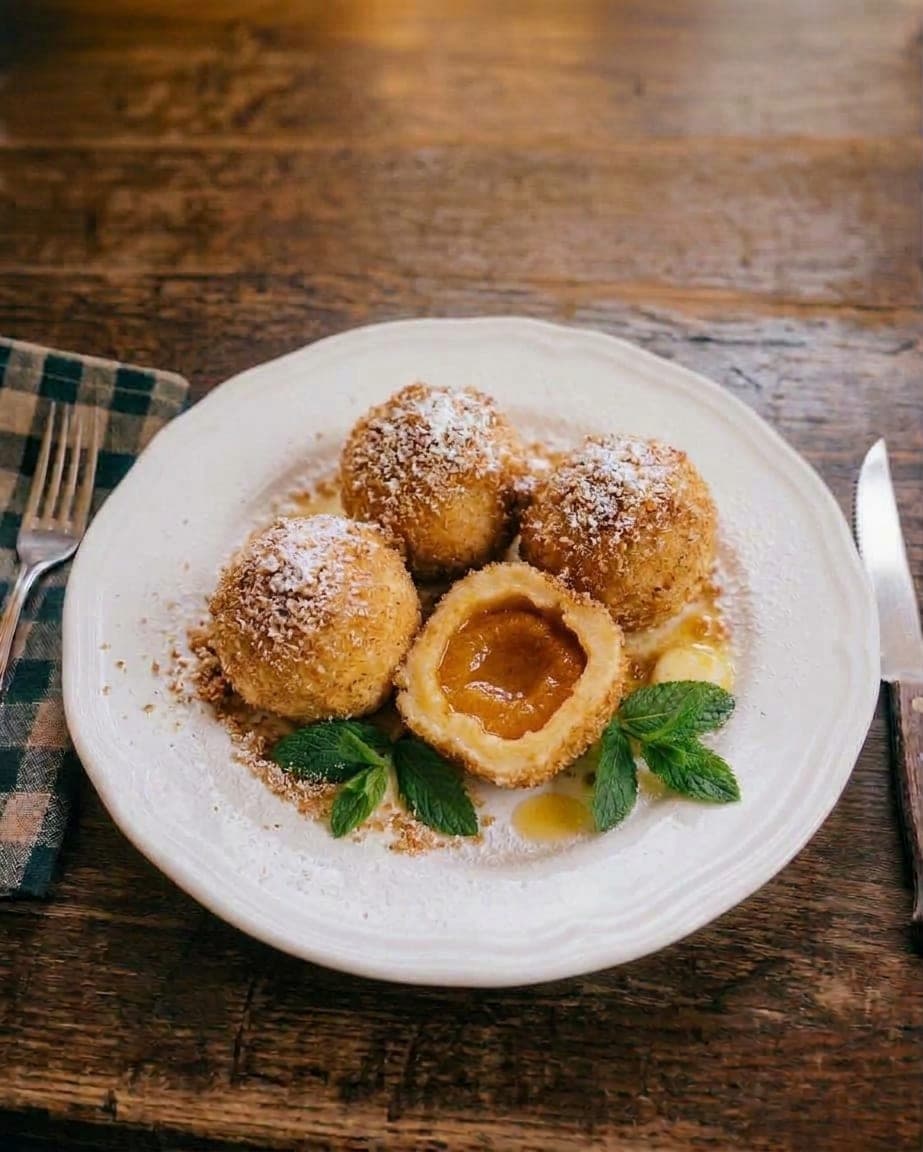
The Marillenknödel is a summer dumpling that marks the arrival of the Wachau apricot season in Austria. It consists of a whole apricot, often with its stone removed and sometimes replaced by a small cube of sugar, wrapped in a soft dough and boiled until tender. The dumpling emerges from the water steaming hot, then is rolled in breadcrumbs fried in butter and dusted with icing sugar.
The dish is made across Austria, but it belongs above all to the Wachau, the stretch of the Danube valley between Melk and Krems an der Donau in Lower Austria. It is not a year-round dumpling. The fruit is the Wachauer Marille, apricots grown on the terraced slopes above the river and protected by an EU designation of origin since 1996, and the harvest runs from mid-July to mid-August. Outside those weeks a kitchen either uses preserved or frozen fruit and says so, or takes the dish off the menu until next summer.
The point of it is the contrast: a whole apricot, sharp and floral and almost liquid once cooked, inside a plain dough, under crumbs fried in butter.
The valley and its apricots
The Wachau grows apricots because of how it is shaped. The Danube cuts a narrow valley here, the slopes above it are terraced for vines and fruit, and the soil is weathered rock with loess lower down; the valley holds warmth and the river moderates it. Apricot trees have been worked on these terraces for generations, and the fruit grown here carries a protected designation of its own.
The trees flower early, between late March and mid-April, and the valley fills with people who have come to look at them. The fruit arrives roughly a hundred days later. Both events are now marked locally, with growers selling fruit, jam and brandy directly from the farm during the season.
Dumplings of this kind are not unique to the Wachau — plum and cherry versions are made across Austria and in the Czech and Slovak kitchens — but the Wachau's version is tied to one protected fruit and to a few weeks of the year, and that is what makes it a dish worth travelling for rather than a recipe.
What goes into it
The composition of a Marillenknödel is simple, relying on the quality of just a few ingredients rather than complex techniques. The core elements are the apricot, the dough, and the coating.
- Wachauer Marille: A whole apricot with the stone removed. In some versions, a sugar cube is placed in the cavity to enhance the sweetness as the fruit cooks.
- The dough: Either a Topfenteig of curd cheese, flour, egg and butter, or a dough made from boiled potato. The curd version is finer and lighter; the potato one is denser and holds a larger fruit.
- Breadcrumbs: Fine, dry breadcrumbs that are fried in butter until golden and fragrant. This coating provides the essential textural contrast to the soft fruit inside.
- Icing sugar: A light dusting of powdered sugar added just before serving to sweeten the surface without overwhelming the fruit.
The dough is rolled around the apricot, sealed tightly to prevent the fruit from leaking during boiling. The dumplings are then cooked in simmering water until the dough is tender and the fruit inside is soft but not mushy. Once drained, they are tossed immediately in the hot buttered breadcrumbs and dusted with sugar.
How it is eaten
The Marillenknödel is almost always served warm, often directly from the pot to the plate. It needs little more than a fork or spoon, as the dumpling is soft enough to be broken open on the plate. The steam rising from the dish carries the scent of apricot and butter, which is part of the experience.
Some inns serve it with vanilla ice cream or whipped cream, a modern habit and a good one, since the dumpling arrives very hot. A couple is a dessert and a few more is lunch; in Austria it is eaten as both.
A practical warning: the fruit inside holds its heat far longer than the dough, and cutting a dumpling open to let it cool for a minute is normal behaviour, not impatience.
Curious facts
- The stone may stay in. Some kitchens leave it, which keeps the fruit whole in the water; others take it out and put a sugar cube in the hollow.
- A six-week dish. The harvest lasts a few weeks in July and August, and the menus follow it. Outside that, the dumpling is made with preserved fruit or not at all.
- Two dough styles. The choice between curd cheese dough (Topfenteig) and potato dough varies by region and family tradition, with each offering a different texture to the final dish.
- A regional speciality. Marillenknödel are made all over Austria, but they are most closely tied to the Wachau and its protected apricot.
- The sugar cube. Put in place of the stone, it melts as the fruit cooks and sweetens the centre; a few kitchens use a lump of marzipan instead.
- The blossom has its own season. The valley's apricot trees flower between late March and mid-April, about a hundred days before the fruit that goes into the dumplings.
Where to try it
The valley towns are the place: Dürnstein, Weißenkirchen in der Wachau, Mautern an der Donau, Krems an der Donau and the villages between them, where the inns often chalk the dumplings up as a seasonal special for as long as the fruit lasts. Many kitchens use fruit from a grower in the same village.
The rest of Austria makes them too, and well. But the Wachau is where the dish and the orchard are in sight of each other, and where the whole valley is organised around a few weeks of one fruit.
Where to try it
8 destinations
 Wine Tasting
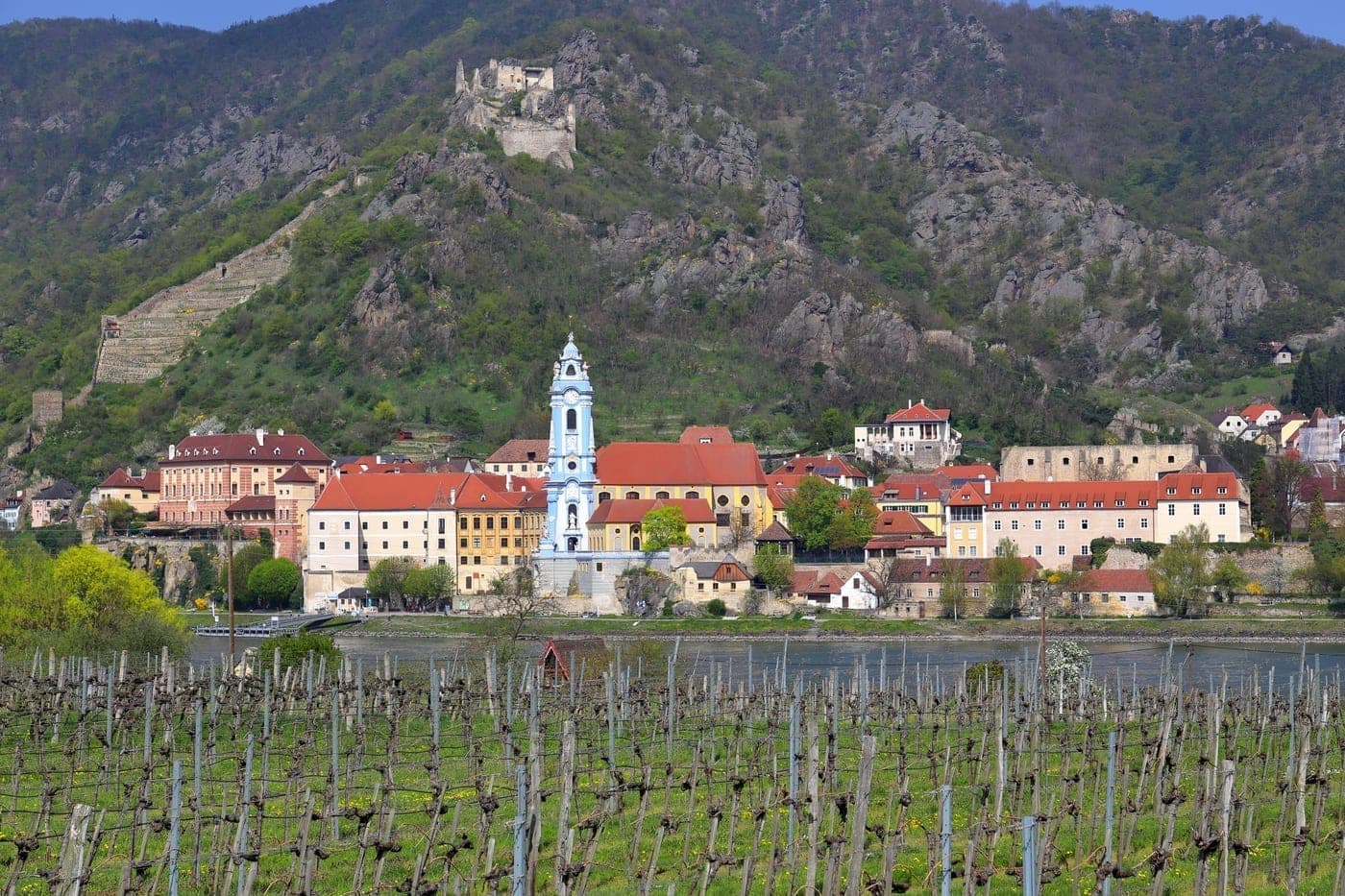
Dürnstein
Iconic Wachau town with medieval castle ruins and world-class wines.
Wine TastingCastlesHikingLocal Cuisine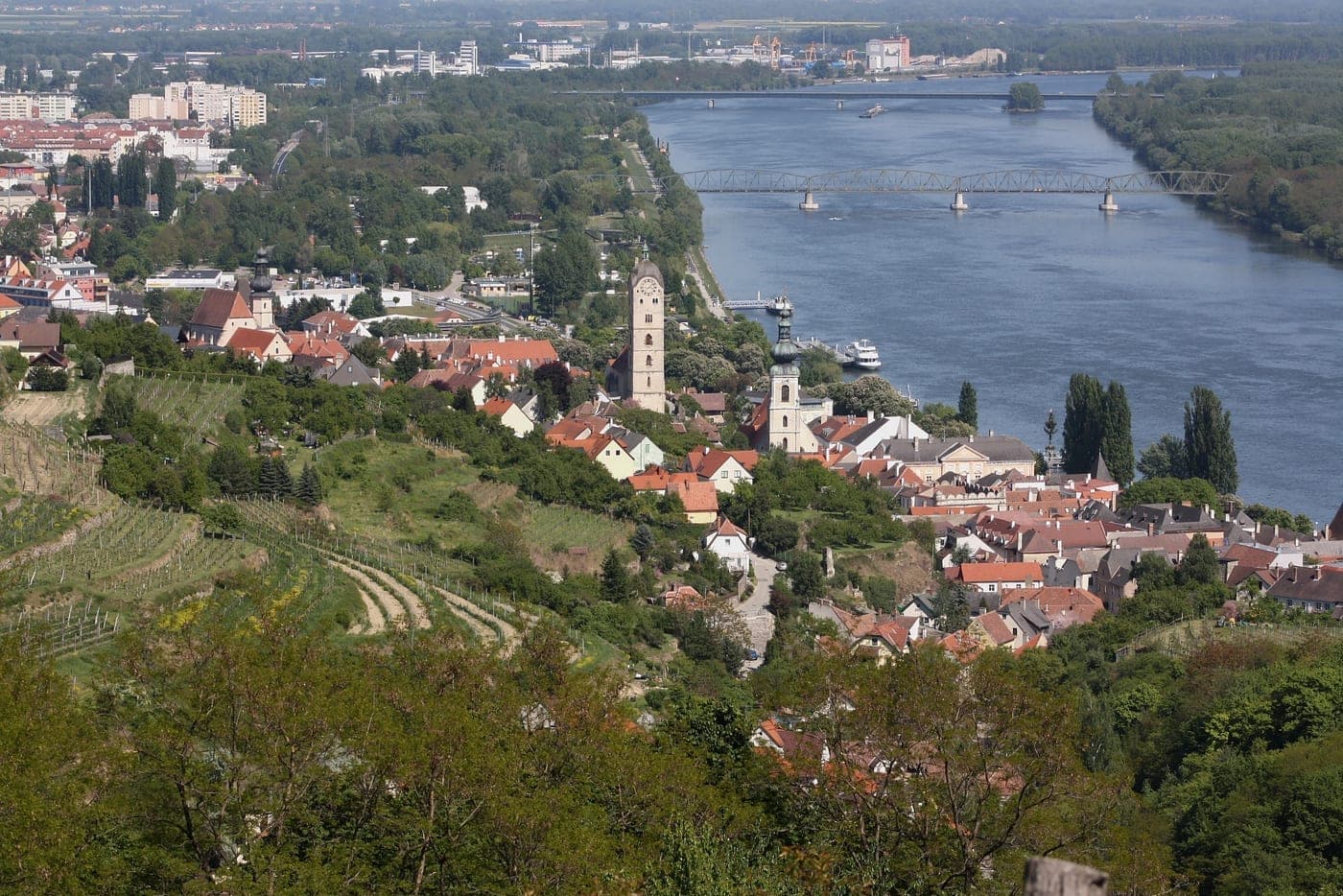 Wine Tasting
Krems an der Donau
Historic Wachau gateway with UNESCO heritage and world-class wines.
Wine TastingHiking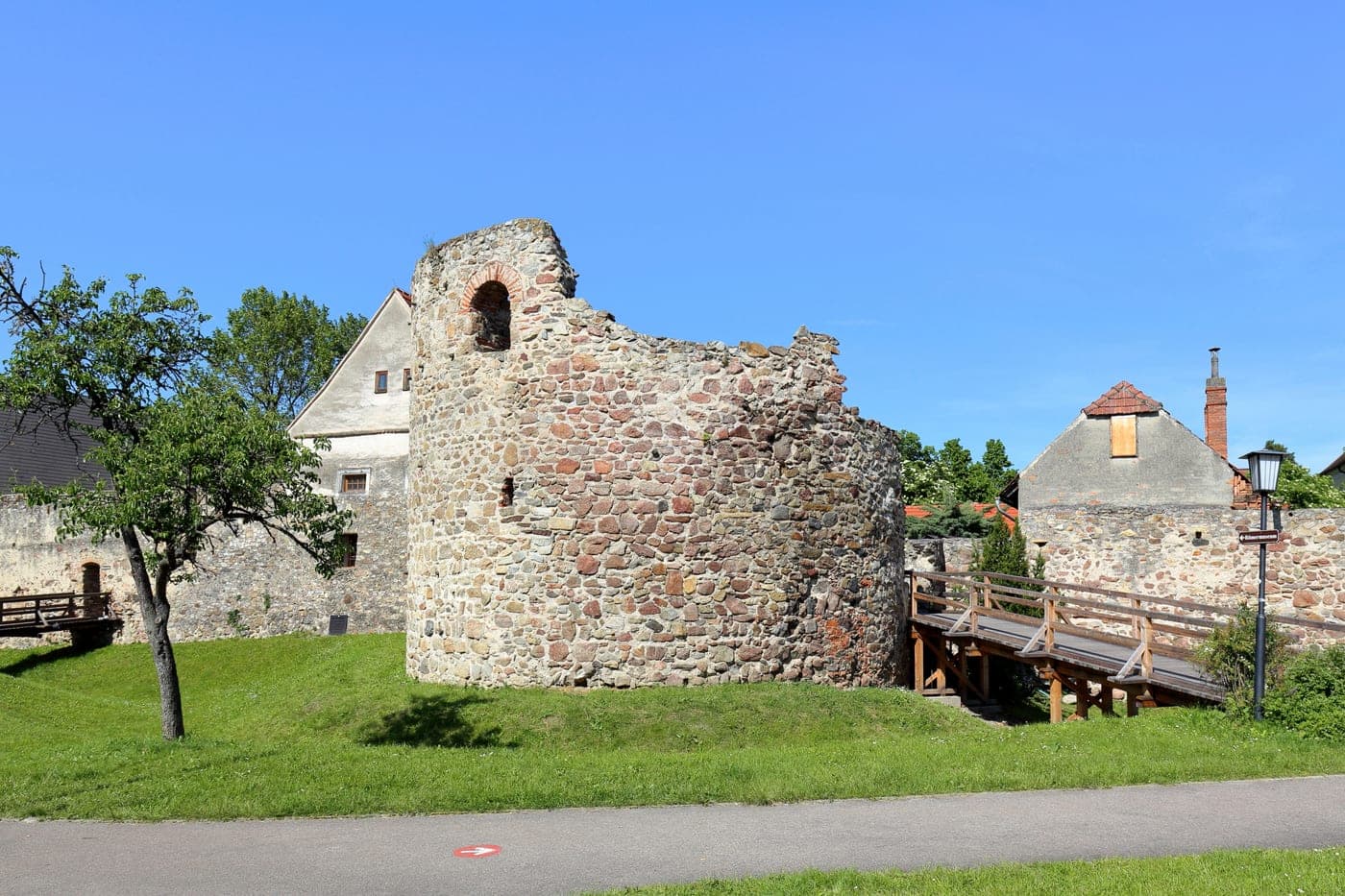 Wine Tasting
Mautern an der Donau
Historic Danube town with Roman roots and Kremstal wine tradition.
Wine TastingHiking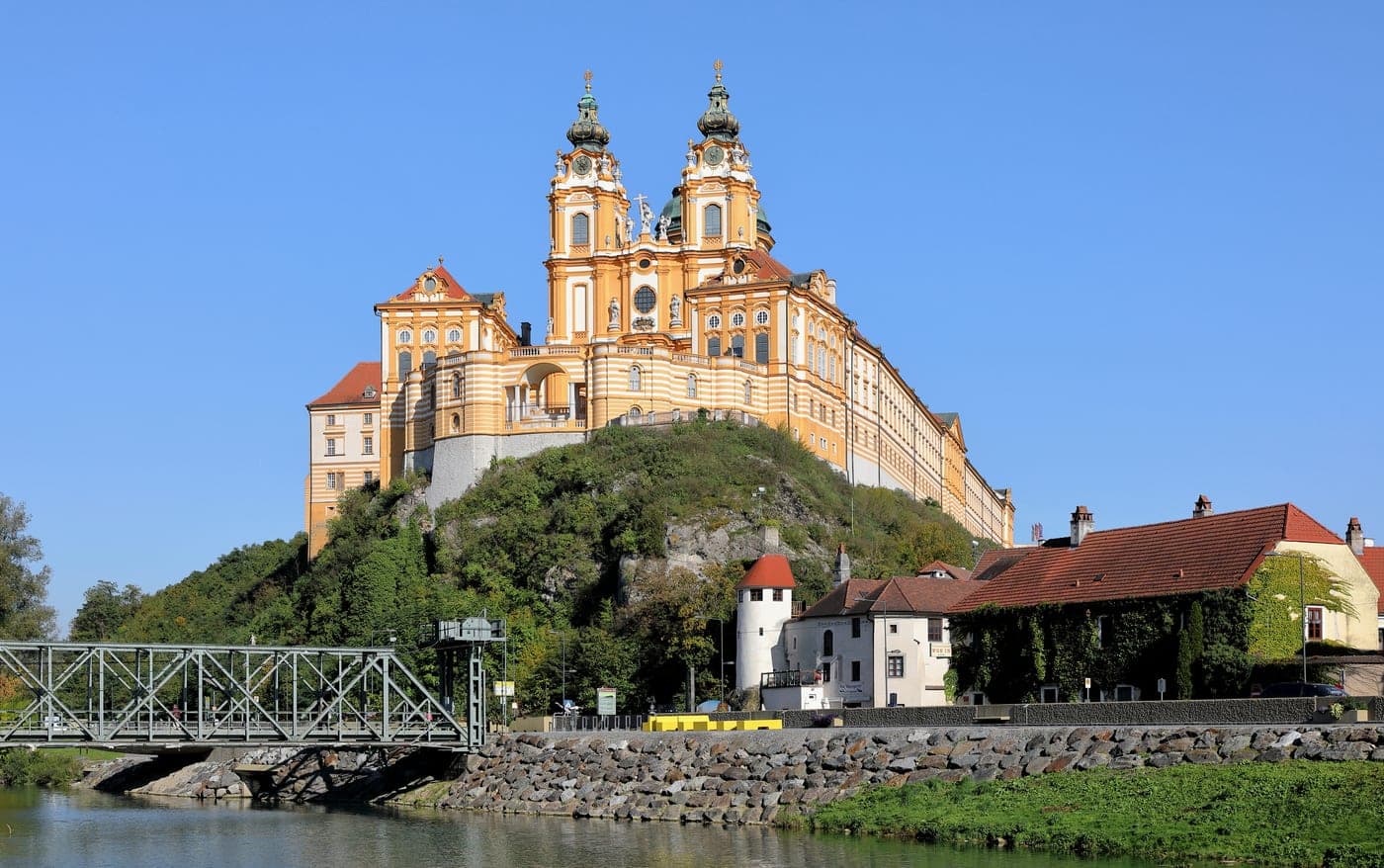 Wine Tasting
Melk
Baroque abbey town with UNESCO World Heritage monastery and Wachau wines.
Wine TastingHiking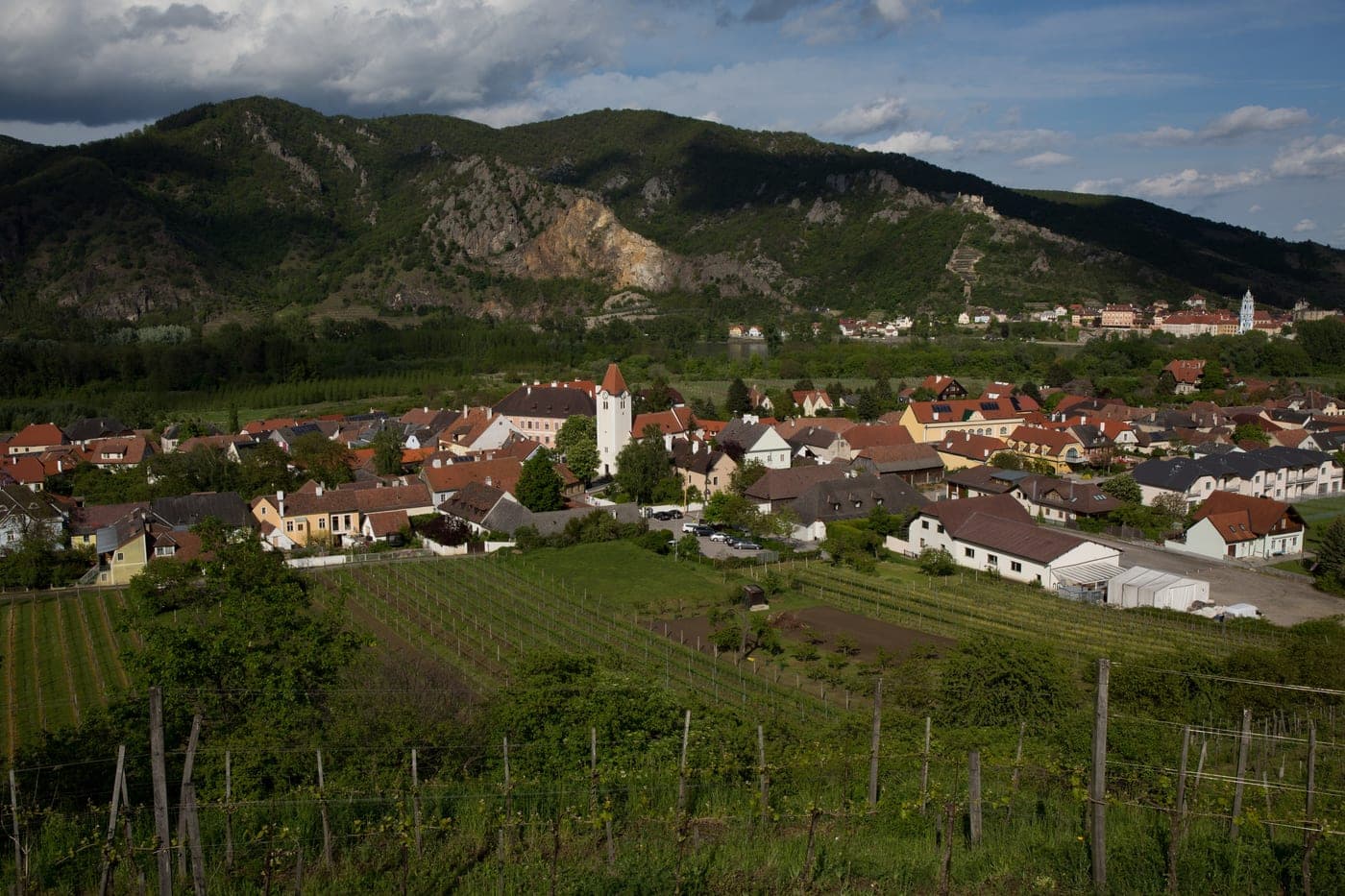 Wine Tasting
Rossatz-Arnsdorf
Twin Wachau villages with dramatic terraced vineyards and Danube views.
Wine TastingHiking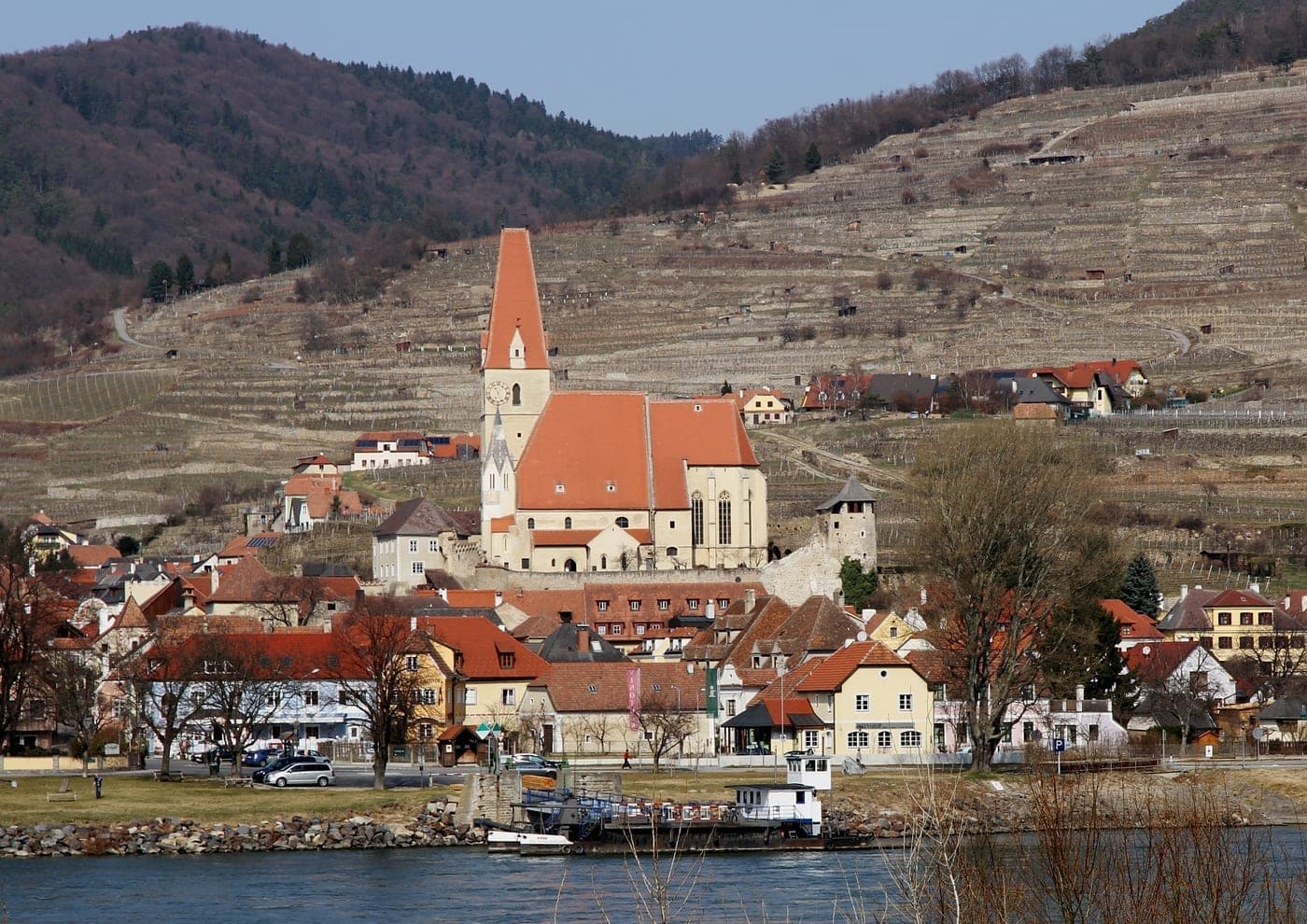 Wine Tasting
Weißenkirchen in der Wachau
Historic Wachau wine village with fortified church and renowned wineries.
Wine TastingHiking Wine Tasting
Wösendorf in der Wachau
Charming Wachau wine village with traditional character and quality wines.
Wine Tasting
1 region
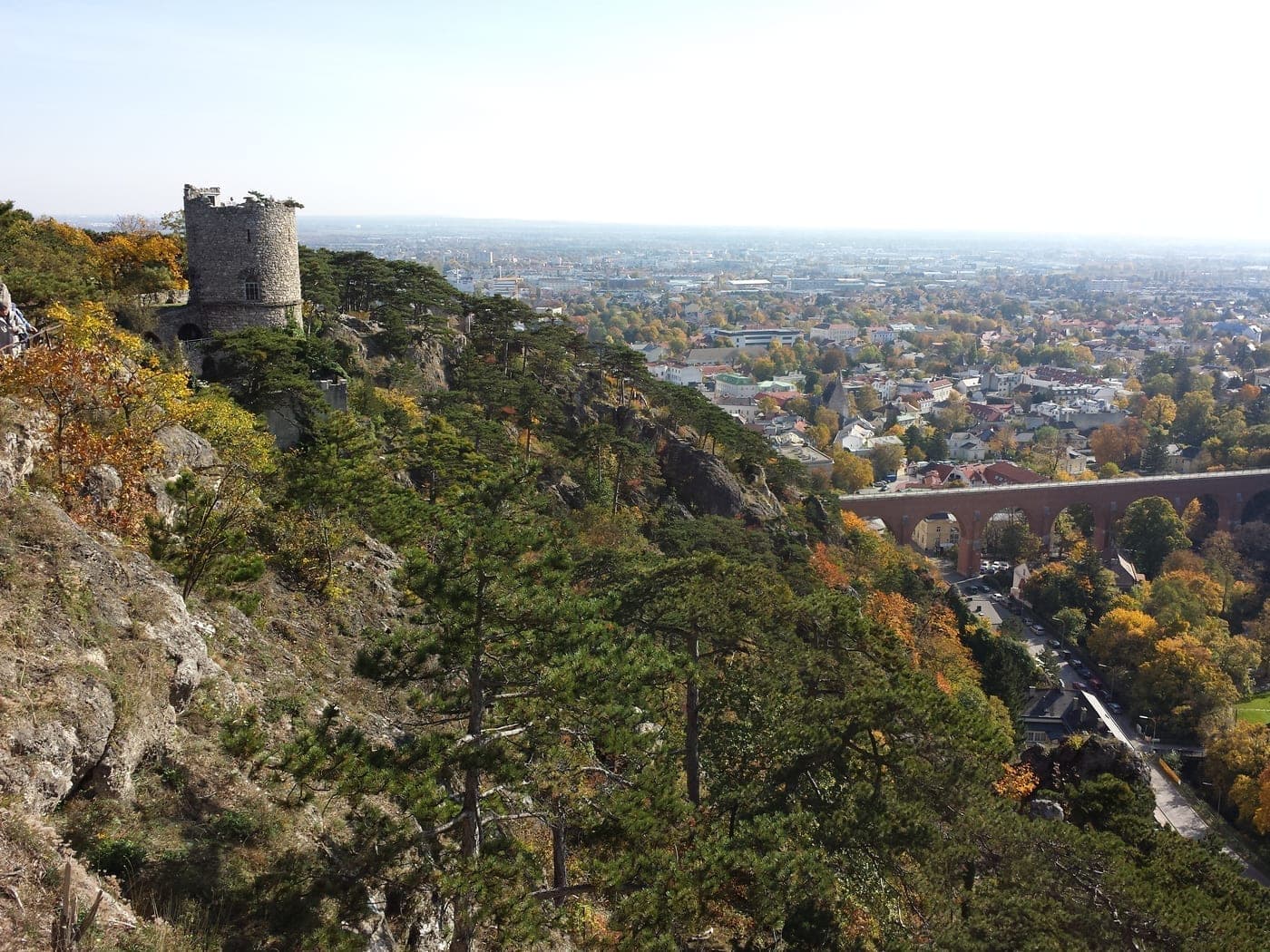 Wine Tasting175 destinations
Lower Austria
Lower Austria is the largest province in Austria, known for its diverse landscapes that include rolling vineyards, historic towns, and the Danube River. The region boasts notable sites like the picturesque Wachau Valley, famous for its apricot orchards and terraced vineyards. Krems and Dürnstein are charming towns that offer a glimpse into the region's medieval past, while the vibrant city of St. Pölten serves as the provincial capital. Lower Austria is also home to several castles, such as Schloss Grafenegg, and natural parks like the Thayatal National Park, which provide opportunities for hiking and exploring local flora and fauna. This area is rich in wine culture, particularly known for Grüner Veltliner and Riesling varieties, drawing wine enthusiasts to its many wineries. The blend of nature, history, and gastronomy makes the province a fascinating destination for those looking to explore Austria beyond the usual tourist routes.
Wine TastingHikingThermal SpasLocal Cuisine