Linzer Torte
The lattice-topped nut cake of Linz, with a recipe from 1653
- Vegetarian
- Local name
- Linzer Torte
- Served with
- A dusting of icing sugar
- Best eaten at
- A Linz Konditorei
- Pairs with
- Coffee or dessert wine
What it is
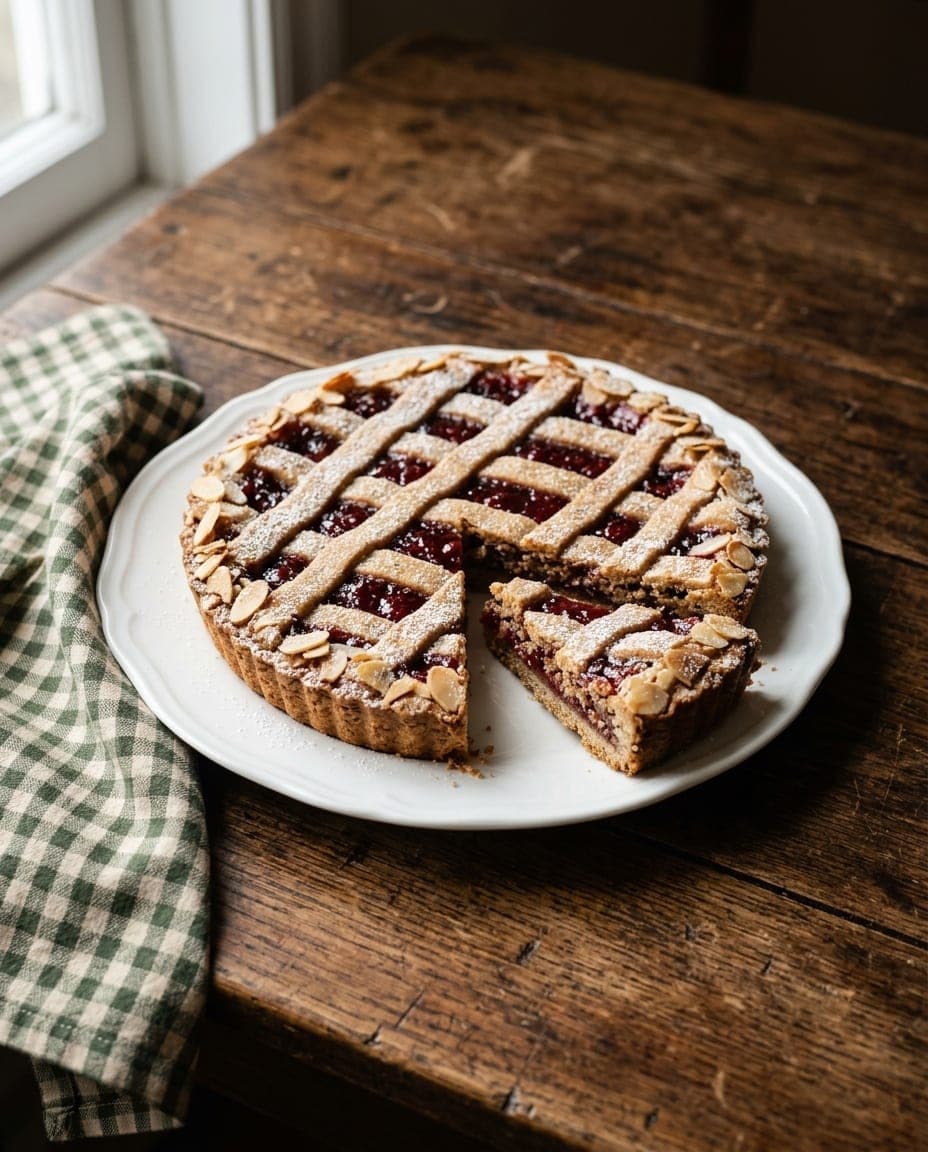
The Linzer Torte is a round, flat pastry from the city of Linz in Upper Austria, defined by its distinctive open lattice top and filling of redcurrant jam. It is not a sponge and not a cream tart but a dense short pastry of ground almonds or hazelnuts, butter, flour, sugar, cinnamon and cloves. The base is pressed into a tin, filled with the bright red fruit preserve, and then covered with a woven pattern of dough strips that leave diamond-shaped windows through which the jam shows.
The visual contrast between the pale, nutty crust and the deep red filling is its most immediate feature. Once baked, the pastry has a texture that sits somewhere between a cookie and a shortbread: crumbly yet firm enough to hold the jam without collapsing. It is traditionally dusted with icing sugar just before serving, which adds a final layer of sweetness and a snowy appearance that complements the dark fruit below.
The history of the Linzer Torte
The claim to fame for this pastry rests on its age rather than any single inventor or family name. Culinary historians point to a handwritten recipe book from the 17th century, specifically the year 1653, as the earliest known written record of a cake under this name. It is often billed as the oldest cake recipe in the world, which is an overstatement — medieval cookbooks are full of tarts — but few cakes can show the same name in writing for over three and a half centuries.
The manuscript is a household cookbook compiled for a Veronese countess, Anna Margarita Sagramosa, and it survives in the archive of Admont Abbey in Styria, where a librarian from the Upper Austrian state museums identified the recipes in 2005. It was not written in Linz and it does not claim to invent anything: it simply records, in 1653, a tart of this kind already being made and already called after Linz. How the name attached itself is not recorded.
What the recipe did have was durability. It needs no technique a village baker lacked and no ingredient that had to be imported, which is how it moved out of grand kitchens and into the window of every bakery in Upper Austria.
How the pastry is made
The dough begins with butter that has been softened to room temperature, then beaten with sugar until pale. Ground almonds or hazelnuts are folded in, along with flour, a pinch of salt, and the warming spices that define the taste. Cinnamon and cloves are essential; they provide a subtle heat that balances the sweetness of the jam without overpowering the nutty base. Some traditional versions include a little lemon zest or vanilla to brighten the mixture further.
Once the dough is mixed, it is divided into two parts. The larger portion is pressed firmly into the bottom and up the sides of a round tin, creating a sturdy shell that will hold the filling without becoming soggy during baking. The smaller portion is rolled out thinly and cut into strips. These strips are woven over the top of the filled tart to create the signature lattice pattern. Before it enters the oven, the surface is brushed with egg wash, which ensures a golden crust and helps the icing sugar adhere later.
The result is a cake that bakes evenly, with the nutty crust turning a light golden brown while the jam inside bubbles gently through the gaps in the lattice. It is not a cake that requires intricate decoration; its beauty lies in the simplicity of the woven top and the contrast of colours.
The jam is not a detail
The filling decides whether the cake works. Redcurrant is the traditional fruit and it is chosen for sourness: the pastry is buttery, nutty and dusted with icing sugar, and without a sharp filling the whole slice is cloying. The jam also has to be thick enough to hold its edge when the cake is cut, while still softening into the base in the oven so the two are not separate layers.
Blackcurrant and other berry preserves turn up in modern versions, but in Linz redcurrant is what is meant. Its colour, a dark translucent red through the lattice windows, is most of what the cake looks like.
How to eat it
With coffee, in the afternoon, or as a dessert after a meal. A slice on its own is heavy going: the dough is dense and the jam is intense, and something to drink between bites is part of the design. Black coffee is the standard; a glass of sweet wine does the same work in the evening.
In Linz it is sold by the slice in the Konditorei, the confectioners' cafés, cut thick enough to show the pastry and the jam as separate things and dusted with icing sugar on the plate. The crust should crumble under the fork rather than resist it.
Curious facts
- A cookbook from 1653. The oldest known written recipe for the cake sits in a manuscript kept at Admont Abbey, written for a countess from Verona — a foreign document recording an Austrian cake.
- It travels well. Unlike many fresh pastries that lose quality quickly, the Linzer Torte keeps its texture and flavour for weeks when stored in a sealed tin, making it ideal for travel and gift-giving.
- A regional speciality. While known throughout Austria, the cake is most strongly associated with Upper Austria and the city of Linz, where it remains a symbol of local identity.
- The spice blend is specific. The combination of cinnamon and cloves in the dough is traditional; other spices are the exception rather than the rule.
- A Christmas staple. The cake's ability to be made in advance and stored for long periods has cemented its place as a traditional Christmas treat in Upper Austria, often exchanged as a gift during the holiday season.
Where to try it
Linz is the obvious place, and the older Konditorei in the centre are where the cake is a daily item rather than a speciality — baked in whole tarts and sold by the slice from the counter. The bakeries of the towns around the city, Leonding and Hörsching among them, keep the same habit.
In December the cake changes role. It keeps for weeks in a tin and survives being posted, which is why Upper Austrian bakeries sell it boxed through the winter and why it has been a Christmas present for generations. A whole one bought in Linz will still be good a fortnight later, which is more than can be said for most things worth carrying home.
Where to try it
3 destinations
 Wine Tasting
Hörsching
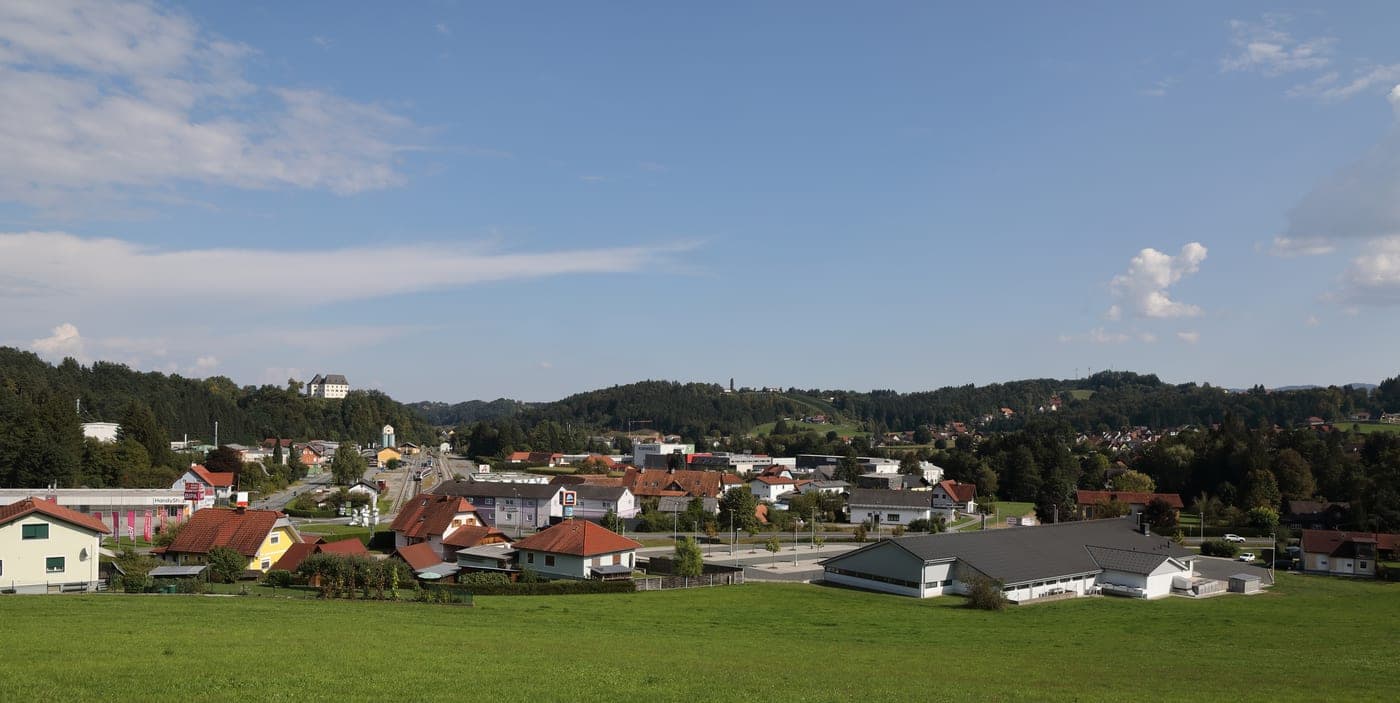
Charming village known for its beautiful landscapes and local wineries.
Wine Tasting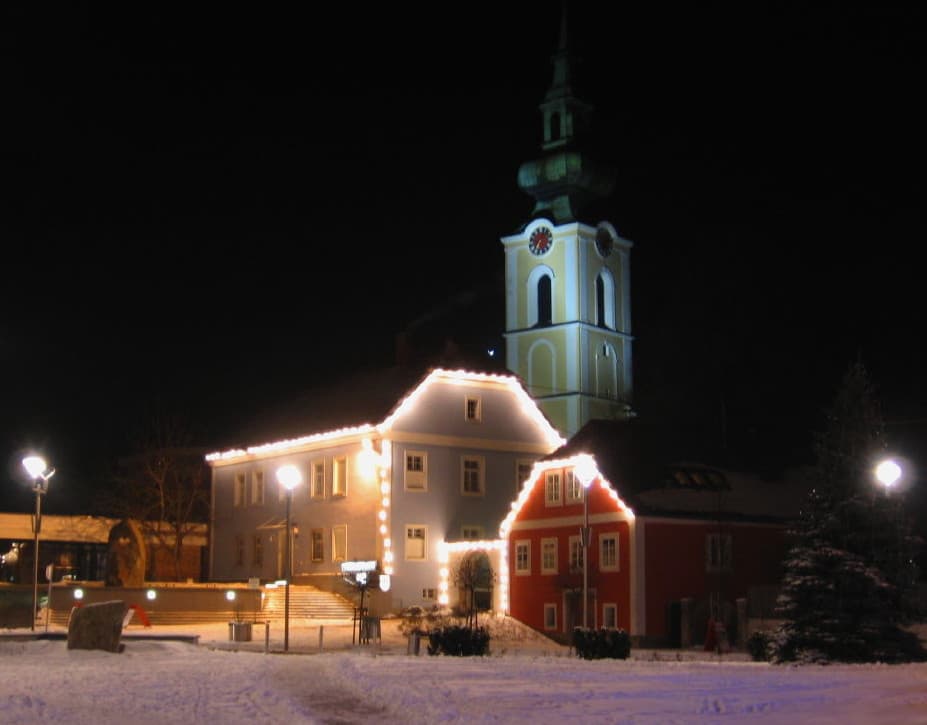 Wine Tasting
Leonding
Historic town known for its charming architecture and local parks.
Wine TastingHiking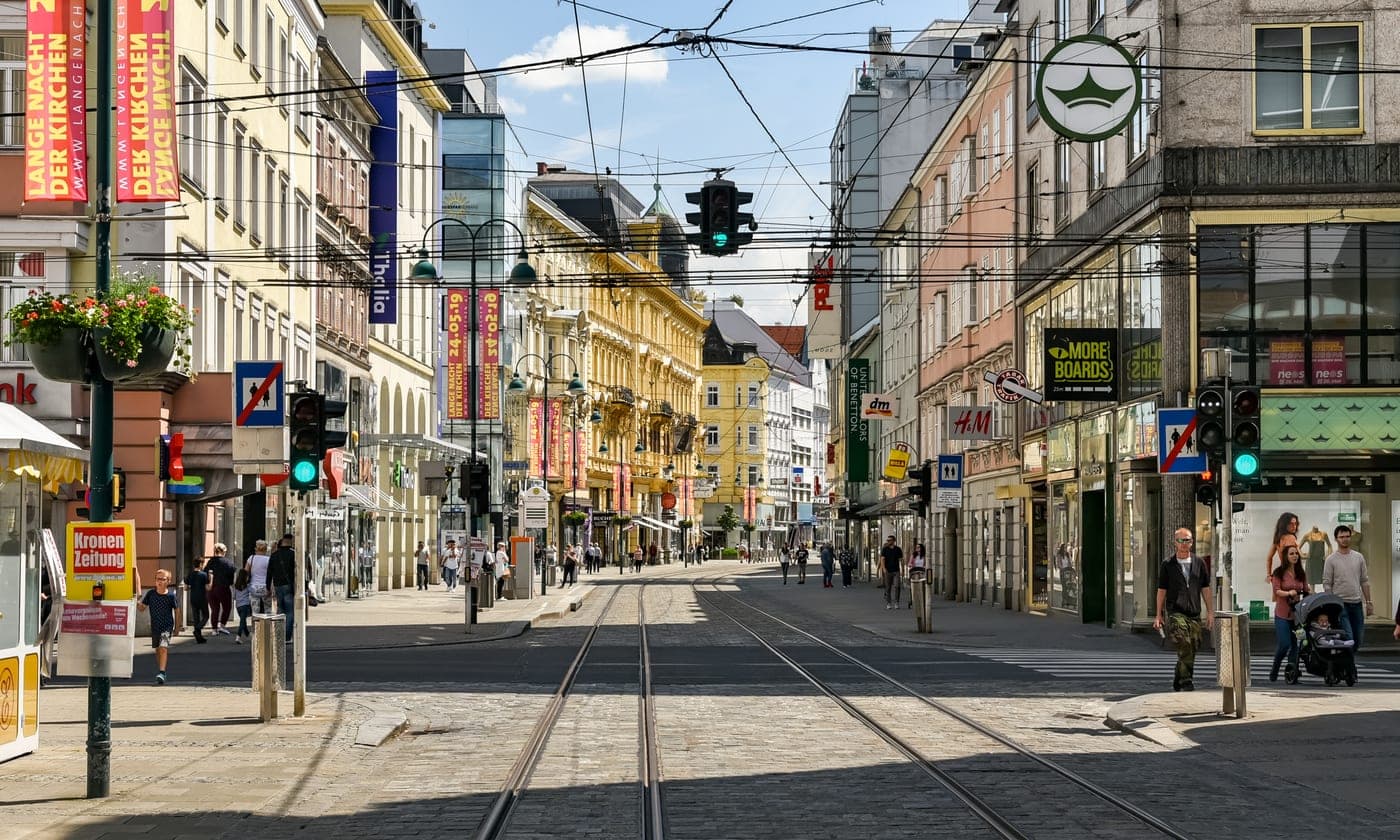
1 region
 Wine Tasting6 destinations
Upper Austria
Upper Austria is known for its stunning landscapes, featuring the Danube River and the foothills of the Alps. The largest city, Linz, is a cultural hub with a rich industrial heritage, hosting the Ars Electronica Center for contemporary media art. The region is also famous for its picturesque lakes, such as Traunsee and Attersee, which offer outdoor activities like hiking and sailing. Explore charming towns like Gmunden, known for its pottery, and Steyr, where medieval architecture meets a vibrant textile industry. Upper Austria's history includes significant events from the Habsburg era and the industrial revolution, making it a fascinating destination for those interested in cultural depth and local traditions.
Wine TastingHikingCamper Van Rentals