Ålagille (eel feast)
Autumn eel feast on Skåne's Eel Coast, with schnapps
- Local name
- Ålagille
- Served with
- Bread, potatoes
- Best eaten at
- An eel feast on the Skåne coast
- Pairs with
- Schnapps and lager
What it is
Ålagille is not a single dish but an autumn feast held along the south-east coast of Sweden's Skåne region, above all on Ålakusten, the Eel Coast of Hanö Bay between Kivik in Österlen and Åhus. The gathering centres on the European eel, cooked in many distinct ways during one sitting — traditionally up to ten or twelve — and shared around the table. The coast is lined with ålabodar, the eel fishermen's huts that give the feast its setting.
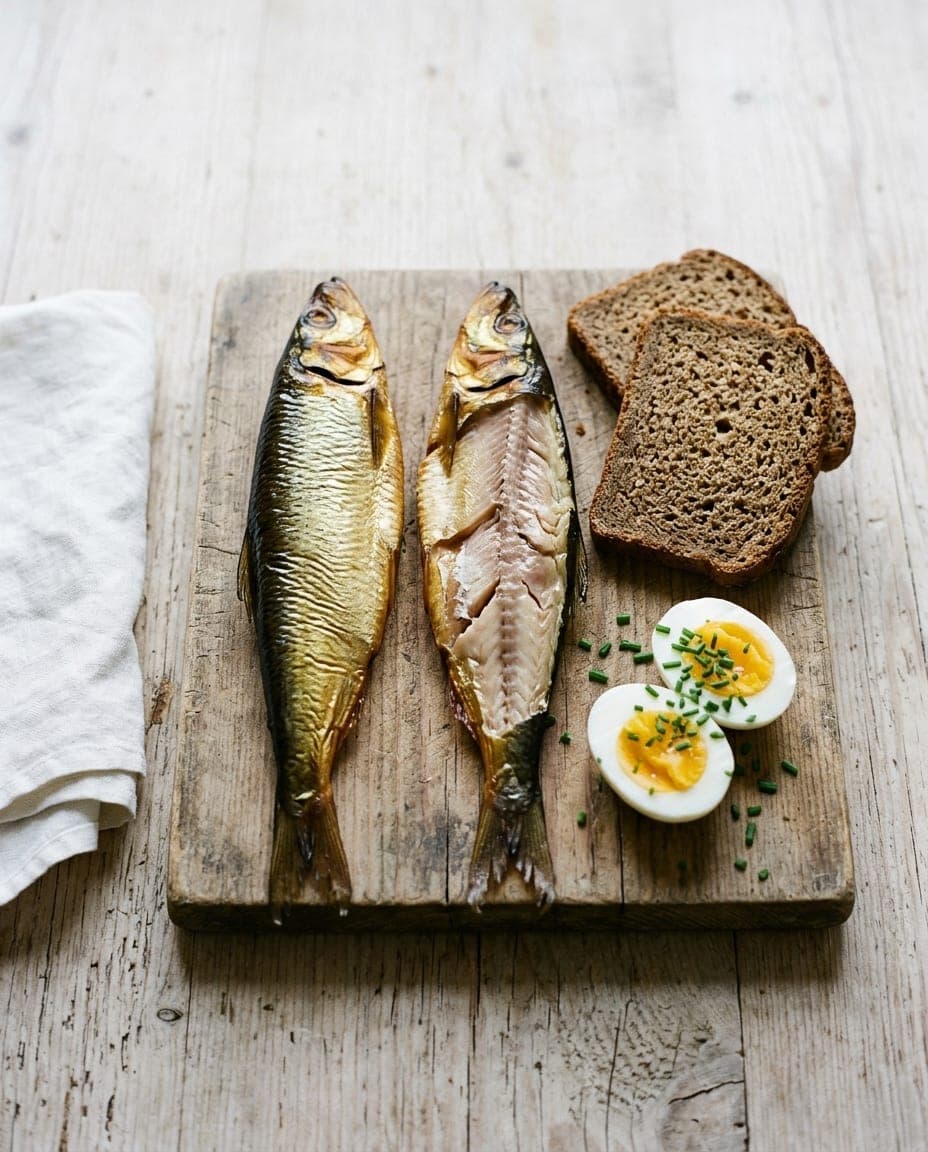
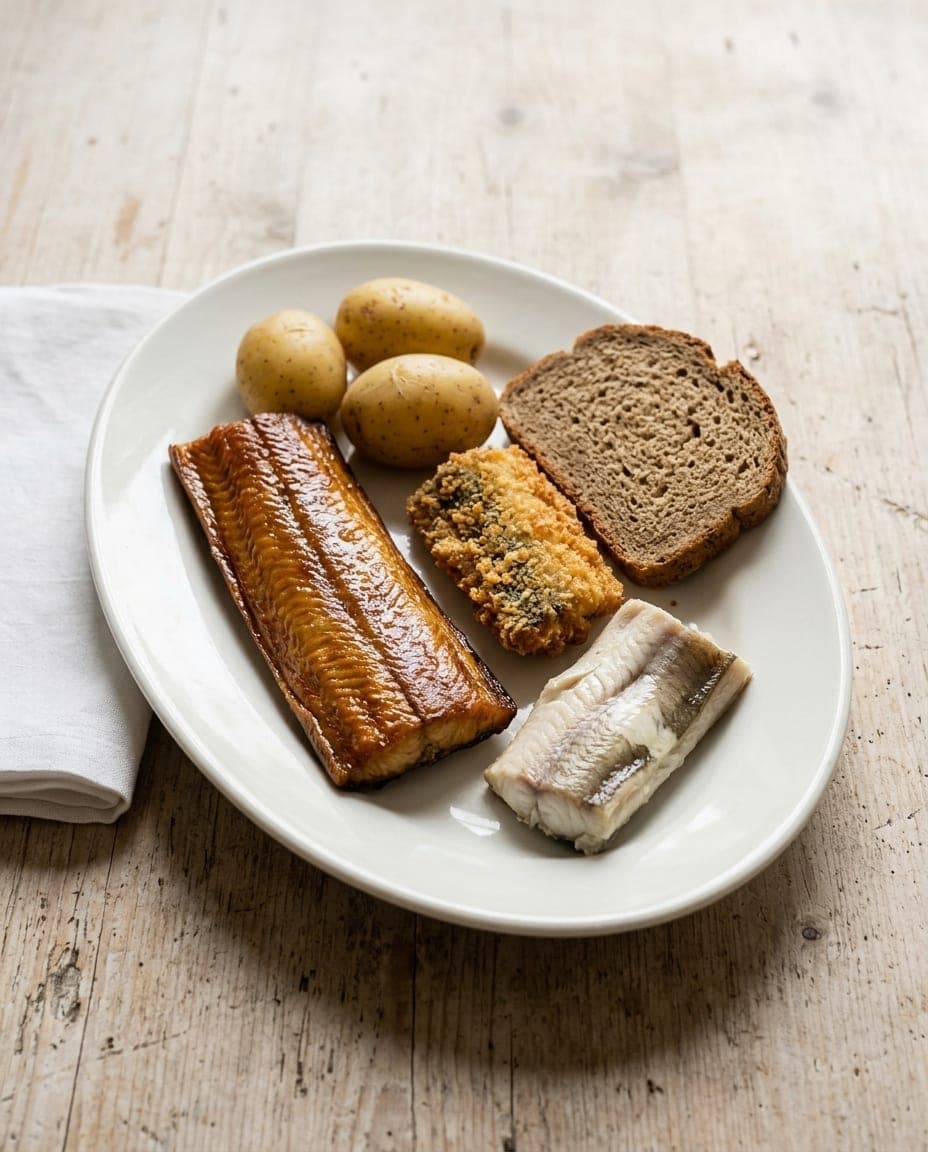
The feast is defined by the variety of preparations. Eel arrives smoked, boiled, fried, as eel soup (ålasoppa) and grilled over straw. The straw-grilled version, halmad ål, is the most distinctive; skinned fresh eel is grilled and smoked over damp rye straw, which gives it a sharp, smoky flavour that defines the coastal taste. The fish is served simply with boiled potatoes and dark rye bread to soak up the juices.
This is a regional occasion rather than a nationwide tradition. It belongs to the specific rhythm of the Skåne coast, where the eel season runs from mid-August into November, when the eels pass the coast on their way to spawn in the Sargasso Sea. The gathering is accompanied by drinking, often involving schnapps or lager, and frequently includes singing. It is a slow, communal meal that celebrates the autumn catch.
The halmad method and the eel huts
The most curious aspect of the feast is the cooking technique known as halmad. The skinned eel is grilled over smouldering damp rye straw, which both cooks and smokes it while keeping the flesh tender inside. The resulting flavour is distinctively smoky, setting it apart from standard smoking methods that use wood chips or sawdust.
The ålabodar are the other half of the picture. The coast was once divided into åladrätter, eel-fishing rights, with usually one hut per drätt. The later huts were built of grey stone with straw roofs, some dug partly into the slope, with one room for gear and one where the fishermen lived during the season. Many have since decayed or been demolished and several are now summer cottages, but the survivors still stand along the sandy beaches of Hanö Bay. The setting is practical rather than decorative, built for shelter from the wind.
Why the feast has become rare
The European eel is critically endangered, a fact that has fundamentally changed how the Ålagille is experienced today. Fisheries are now tightly restricted to protect the dwindling population of the species. Licences to catch eel are limited, and far fewer fish are available for the feasts than in the past.
This restriction has made the autumn gatherings rarer than in previous decades. The event depends on a small supply of legal catches, meaning not every coastal community can host the feast with the same frequency or scale as before. The scarcity adds a layer of seriousness to the occasion; it is no longer a routine harvest celebration but a managed event where the fish are valued for their conservation status as much as their taste.
How to eat it
The meal is shared from large platters placed in the centre of the table or on a low bench within the hut. Diners serve themselves portions of the various eel preparations, often starting with the smoked variety before moving to the stewed and straw-grilled versions. The boiled potatoes are usually served plain, allowing the strong flavours of the eel to dominate the palate.
The drinking culture is integral to the rhythm of the meal. Schnapps is the traditional companion, taken ice-cold in small glasses between courses, each one preceded by a song. Lager is also common, particularly for those who prefer a lighter option. The pace is unhurried; the group eats slowly, often pausing to sing traditional songs or share stories about the catch.
Curious facts
- The straw fire is unique. Unlike standard smoking which uses wood, halmad relies on damp rye straw to create a specific smoky character.
- The huts were homes for the season. The ålabodar housed fishermen and their gear during the eel season; many of the survivors are now summer cottages.
- An eel king is crowned. Feasts traditionally end by naming an eel king, the guest who lifts the most live eels from a barrel, who gets a paper crown.
- The fish is endangered. The European eel population has declined sharply, leading to strict licensing that limits the number of feasts held each year.
- It is a regional custom. The tradition belongs to the south-east coast of Skåne and is not part of the broader Swedish culinary calendar, though restaurants and student societies in Lund keep it too.
- Singing is expected. The feast traditionally includes communal singing, turning the meal into a social event rather than just a dining occasion.
Where to try it
The best place to experience this feast is in a fishing village on the coast between Kivik and Åhus during the autumn months. Many gatherings are private rather than public tourist attractions, kept as a local custom.
Places at a hut gathering generally go to locals and to people with a connection to the fishery. A handful of restaurants and hotels along the Eel Coast and Österlen put on an ålagille menu in September and October, which is the version open to anyone, and the eel on it is licensed and accounted for.
Where to try it
1 region
 Boat Rentals3 destinations
Skåne
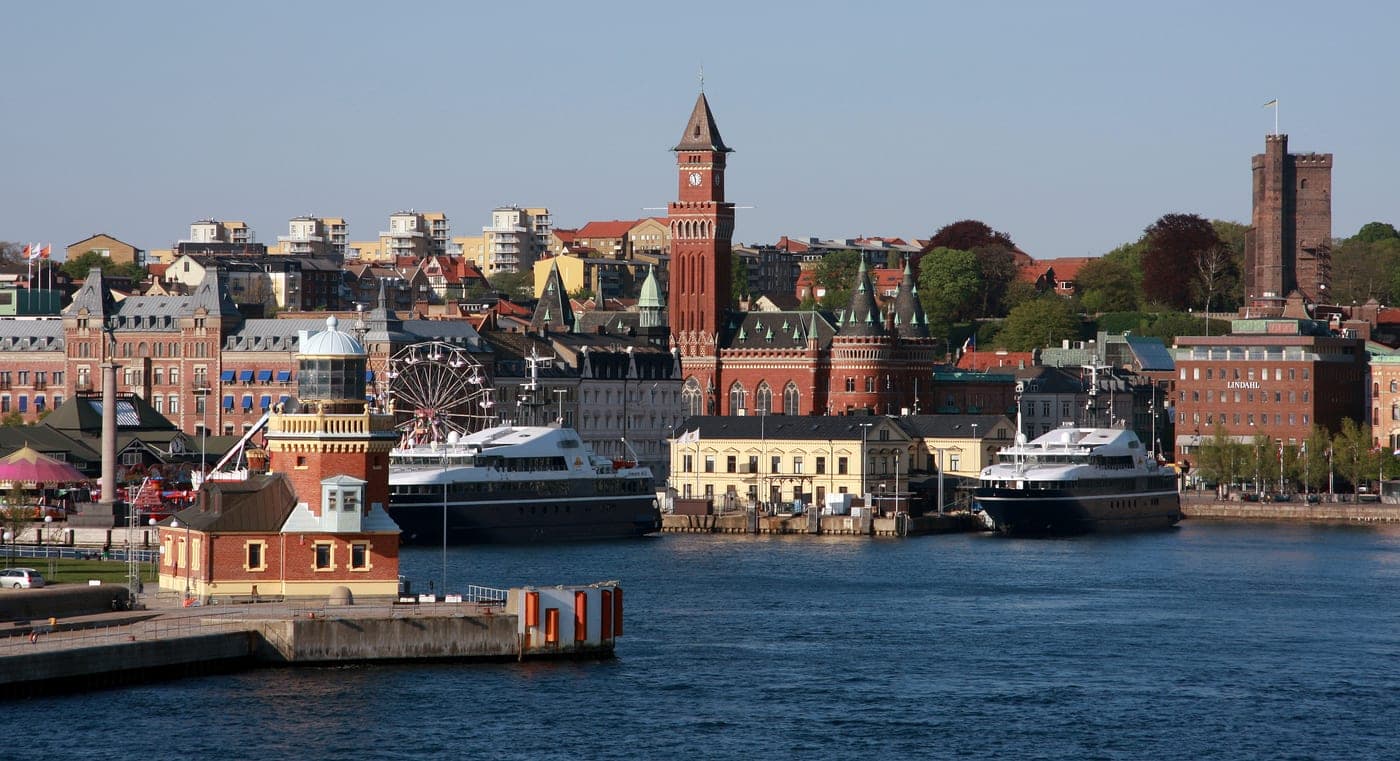
Skåne, Sweden's southernmost region, is known for its diverse landscapes, from sandy beaches to rolling farmland. Malmö is the largest city, famous for its modern architecture and vibrant cultural scene, while Lund boasts a historic university and medieval charm. The region features a unique blend of Danish influence and Swedish traditions, evident in its cuisine, particularly in the use of locally sourced ingredients and seafood. Skåne is also home to the scenic Öresund Strait and picturesque coastal towns like Ystad, known for its medieval streets. The area hosts several local craft markets and food festivals, providing authentic experiences beyond typical tourist attractions. The Skåne Trail offers stunning hiking routes through its varied terrains, allowing for deeper exploration of this culturally rich region.
Boat RentalsHikingCamper Van Rentals