Tarta de Santiago
Almond cake from Galicia marked with the Cross of St James
- Vegetarian
- Local name
- Tarta de Santiago
- Served with
- Coffee
- Best eaten at
- A Santiago de Compostela pastelería
- Pairs with
- Albariño or sweet wine
What it is
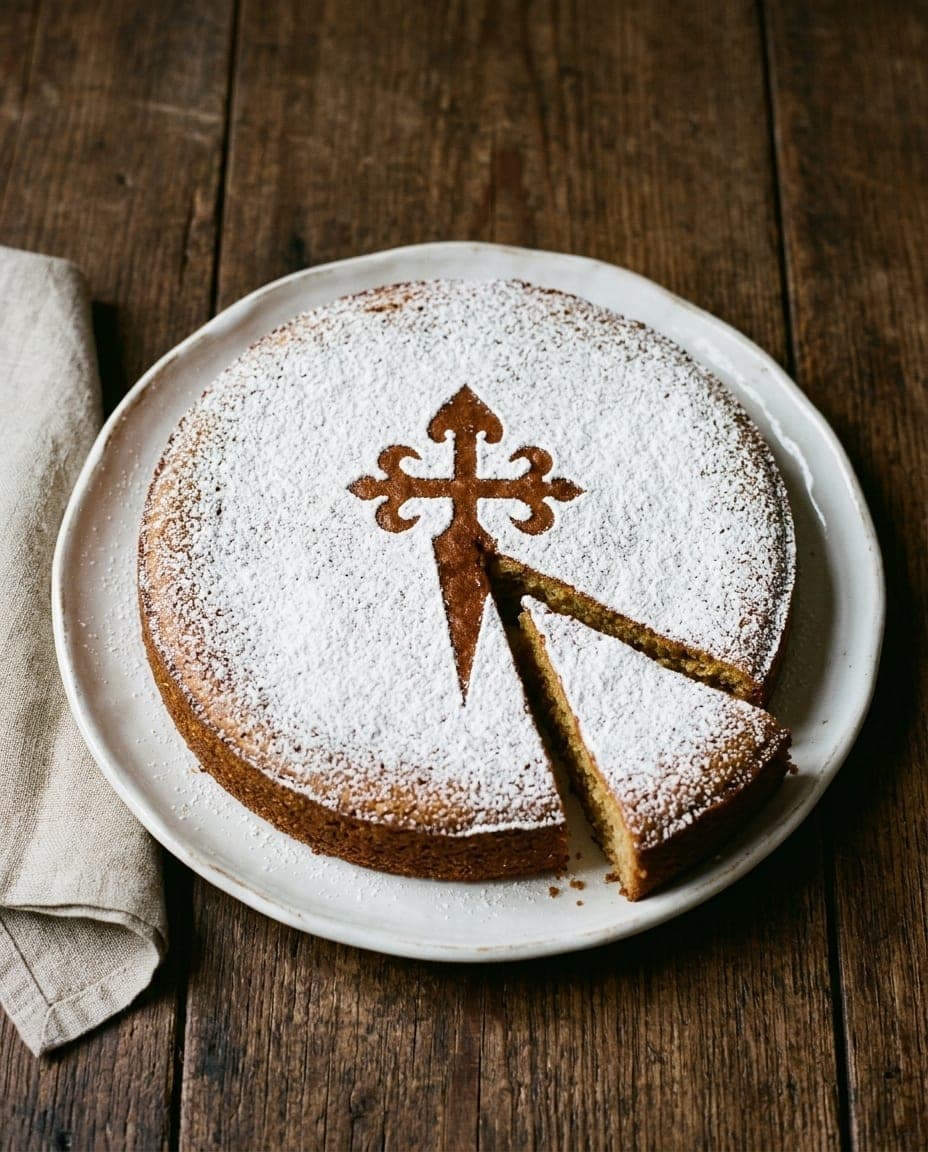
The Tarta de Santiago is a flat, round cake from the north-western region of Galicia, best known as the sweet finish to a meal in Santiago de Compostela. It is defined by two simple features: a dense texture built almost entirely from ground almonds, sugar and eggs, and the distinctive Cross of St James stencilled across its top in white icing sugar.
The cake is not a light sponge or a fluffy pastry. It is substantial, moist, and slightly grainy to the bite, with a flavour that leans heavily on the nuttiness of the almonds rather than sweetness alone. The cross is not painted or piped; it is created by placing a stencil over the baked cake and dusting it with icing sugar, then lifting it to reveal the pattern underneath.
It is a dish that sits comfortably between a dessert and a mid-afternoon treat. The cake is so bound up with local tradition that it is protected as a Protected Geographical Indication (PGI), which ensures that only cakes made in Galicia to specific criteria can bear the name Tarta de Santiago.
The pilgrimage connection
The cake's identity is closely tied to the Camino de Santiago, the network of pilgrimage routes leading to the Cathedral of St James in Santiago de Compostela. For centuries, pilgrims have walked these paths, and the city has been the final destination for millions. It is here that the Tarta de Santiago found its most famous stage.
Its roots go back a long way. In 1577, a visitor to the University of Santiago recorded a "torta real" made with ground almonds, sugar and eggs, considered a likely ancestor of the cake. A reliable recipe appears in a confectioner's notebook from around 1838. The cross came much later: in 1924 the Compostela pastry shop Casa Mora began decorating its almond cakes with the silhouette of the Cross of St James, and the custom spread across Galicia. The cross is the emblem of the Order of Santiago, named after the saint who is the patron of Spain and the spiritual goal of the Camino.
In the city, the sight of the cross on a plate is an immediate signal of place. A slice served with a cup of coffee at the end of a long day on the trail has become a small ritual for many who walk the route, a sweet conclusion to the journey that brings people to the cathedral.
How it is made
The construction of the Tarta de Santiago relies on the quality of its few ingredients rather than complex technique. Under the PGI rules, the filling must contain more than 33 per cent almonds, more than 33 per cent sugar and more than 25 per cent egg. Lemon zest and a splash of sweet wine, brandy or orujo are permitted flavourings. Flour is not part of the almond mixture. This lack of flour gives the cake its characteristic density and moist crumb.
There are two main forms of the cake. One is baked without a base, creating a solid almond cake with a smooth top ready for the stencil. The other is baked in a case of puff or shortcrust pastry made with wheat flour and butter, which adds a buttery edge to the almond centre. Both are permitted under the PGI.
Because there is no flour in the filling, the cake does not rise significantly; it remains flat, dense yet tender.
What goes into it
The ingredients list for an authentic Tarta de Santiago is short, and the quality of each component matters greatly.
- Ground almonds: The primary ingredient, providing the cake's structure, moisture and characteristic texture.
- Sugar: Used to sweeten the batter and later, as icing sugar, to create the white cross on top.
- Eggs: The binding agent that holds the almond mixture together during baking.
- Lemon zest: Adds a subtle citrus aroma that lifts the heavy flavour of the nuts.
The cake is often described as having a slightly grainy mouthfeel, which comes from the ground almonds rather than any lack of refinement in the mixing.
How to eat it
The traditional way to enjoy a Tarta de Santiago is simple. It is most commonly served at room temperature, cut into wedges, and placed on a plate alongside a cup of strong black coffee. The bitterness of the coffee balances the rich almond cake.
In Santiago de Compostela it is also paired with a glass of Albariño, the crisp white wine from the Rías Baixas to the south-west. Others prefer a sweet dessert wine, which amplifies the nutty notes.
The cake is meant to be savoured slowly, after a main meal or during an afternoon break. In the city's pastelerías, it is common to see people lingering over their coffee and cake.
Curious facts
- A recent decoration. The cross was first used in 1924 by the Santiago pastry shop Casa Mora, centuries after the earliest almond-cake reference of 1577.
- A protected status. The Tarta de Santiago holds a Protected Geographical Indication (PGI), meaning it must be produced in Galicia and meet set minimums for almonds, sugar and eggs.
- No flour in the filling. The almond mixture contains no flour, relying on ground almonds and eggs for structure, which makes the base-less version naturally gluten-free.
- Two styles exist. The cake may be baked as a solid almond cake or set within a pastry case, and both are considered authentic.
Where to try it
The most atmospheric place to try the Tarta de Santiago is a pastelería in Santiago de Compostela. In the old town around the cathedral and the Praza do Obradoiro, many bakeries and shops sell their versions of the cake, often behind glass counters, ready to be sliced to order.
The cake is available across Galicia and in shops further afield, but the version eaten in Santiago de Compostela carries the strongest sense of place. For those following the Camino, stopping at a pastelería to share a slice with coffee or Albariño is a common ritual and a small, edible reminder of the journey to the end of the road.
Where to try it
1 destination
 Panoramic Trains
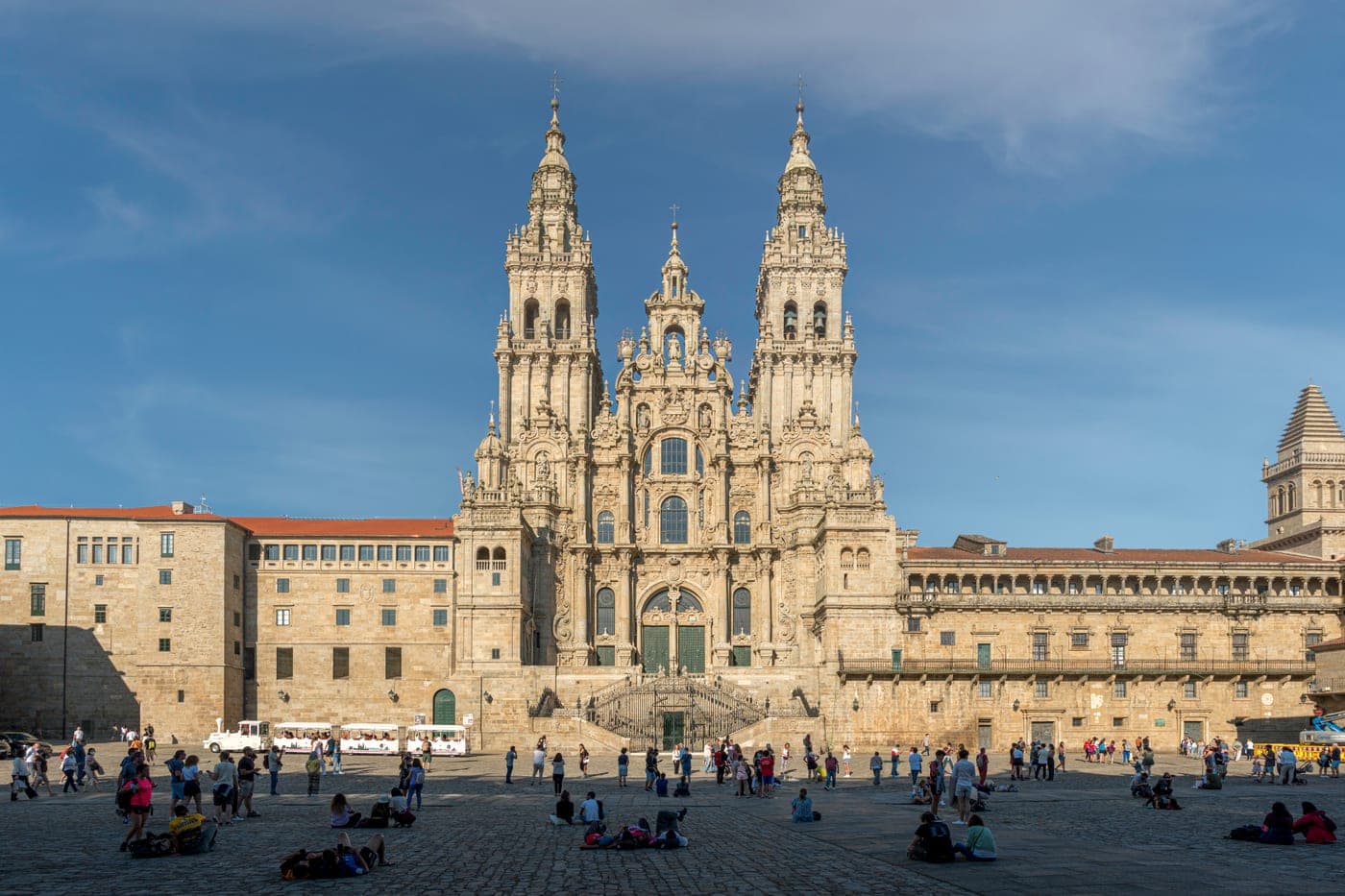
Santiago de Compostela
Famous pilgrimage site featuring the stunning Santiago de Compostela Cathedral.
Panoramic TrainsHikingLocal Cuisine
1 region
 Panoramic Trains8 destinations
Galicia
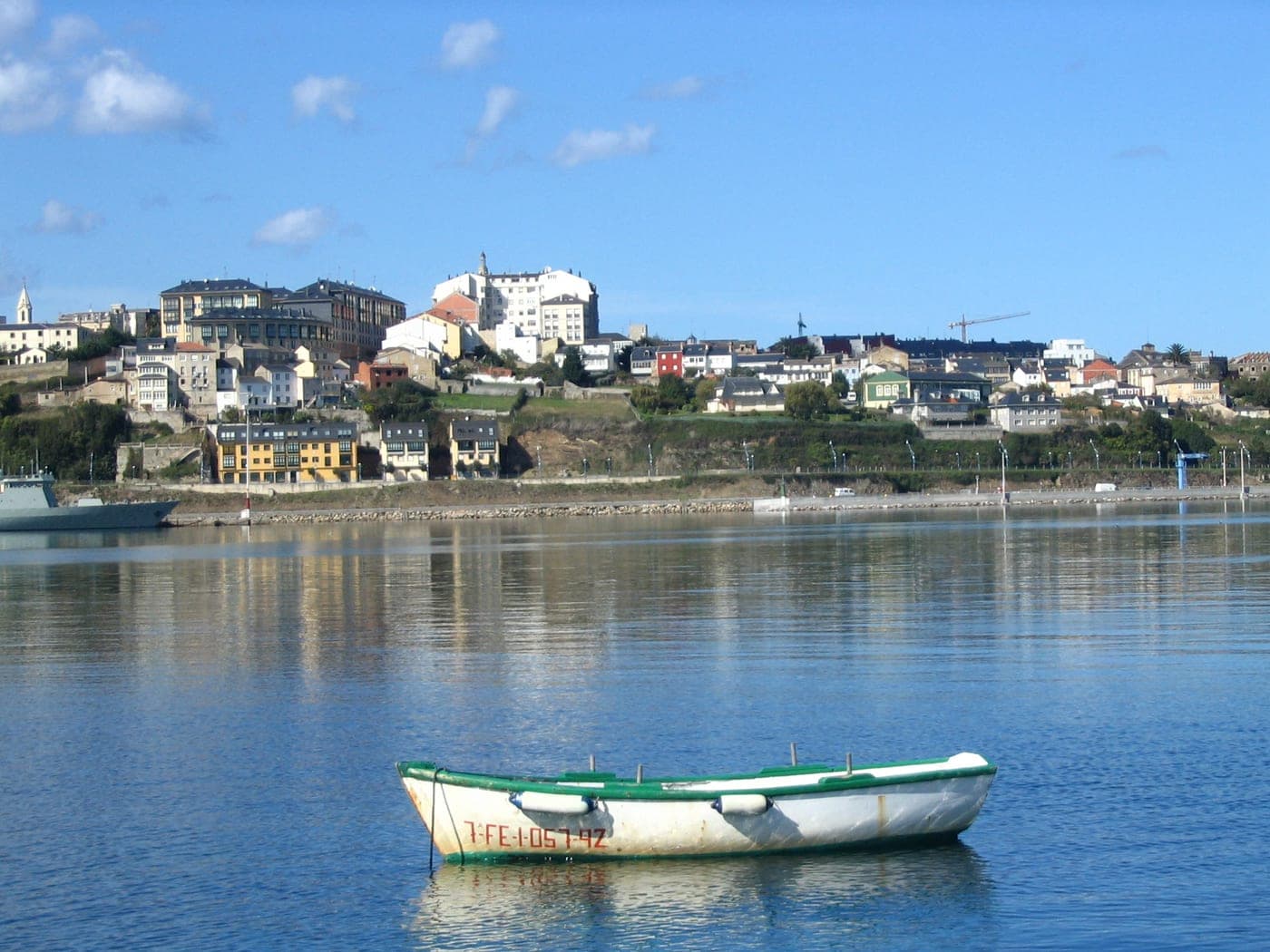
This region is the largest in Spain, featuring a stunning coastline along the Atlantic Ocean. Known for its rich Celtic heritage, Galicia boasts historical towns like Santiago de Compostela, famous for its pilgrimage routes and the impressive cathedral. The Rías Baixas area is celebrated for its Albariño wine, while the rugged shores offer scenic beauty, including the dramatic cliffs of the Costa da Morte. Traditional crafts, such as pottery and weaving, reflect the local culture. Visitors can explore lesser-known villages like Combarro and O Cebreiro, which showcase ancient architecture and regional gastronomy. Unique festivals, such as the Romería de San Juan, highlight local traditions and community spirit, making this region a treasure trove for those seeking depth in their travels.
Panoramic TrainsHikingWine TastingLocal Cuisine





