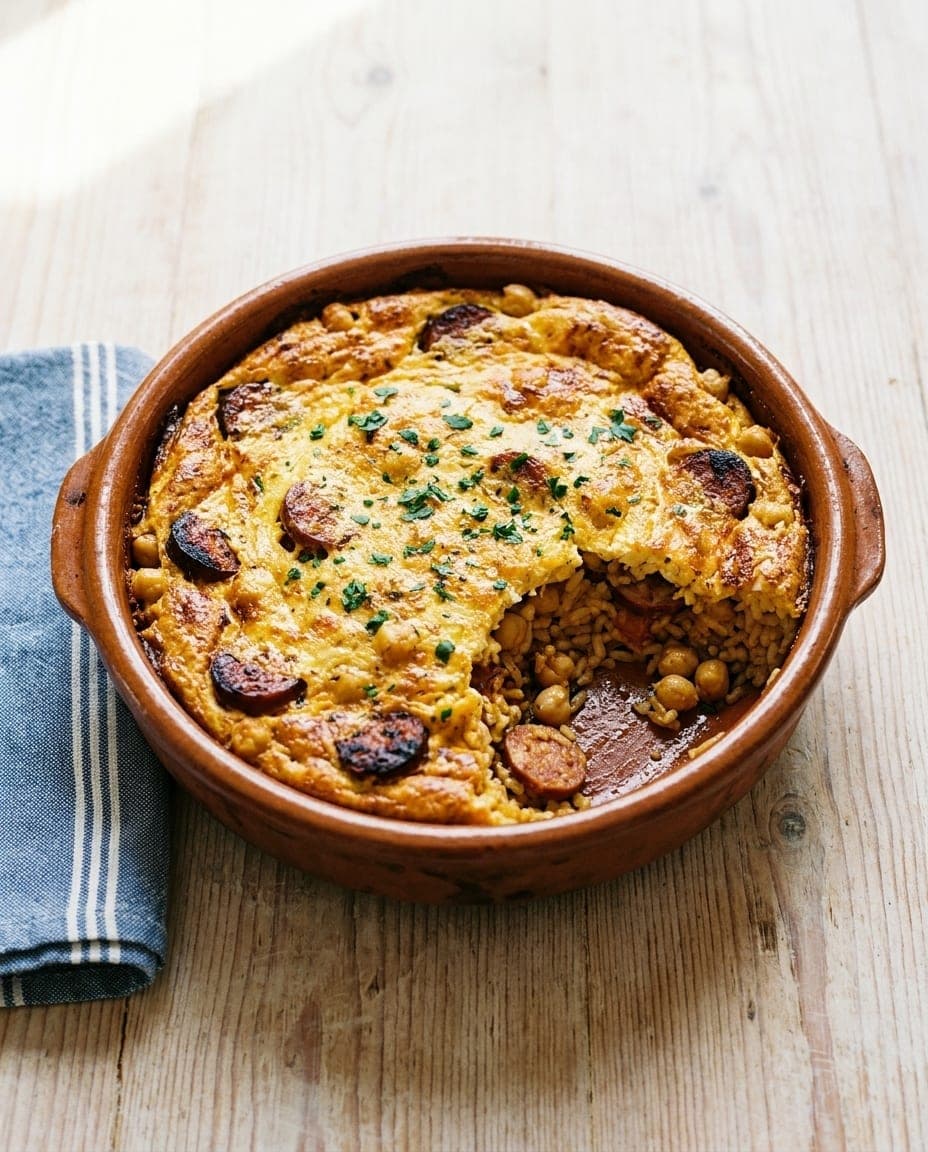
Suquet de peix
A Catalan fish stew from the Costa Brava with potato and almond picada
- Local name
- Suquet de peix
- Served with
- Allioli, bread
- Best eaten at
- A Costa Brava fishing-village restaurant
- Pairs with
- Empordà white
What it is
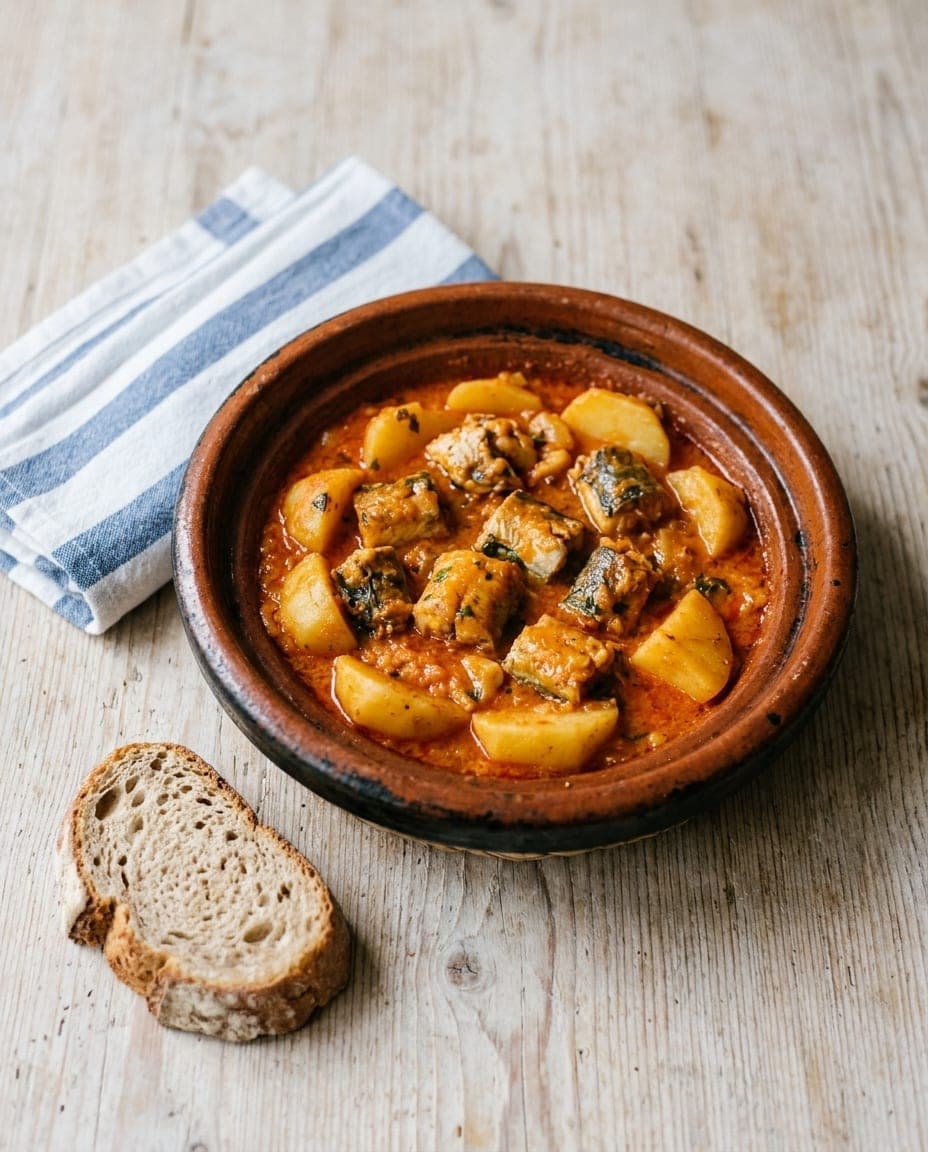
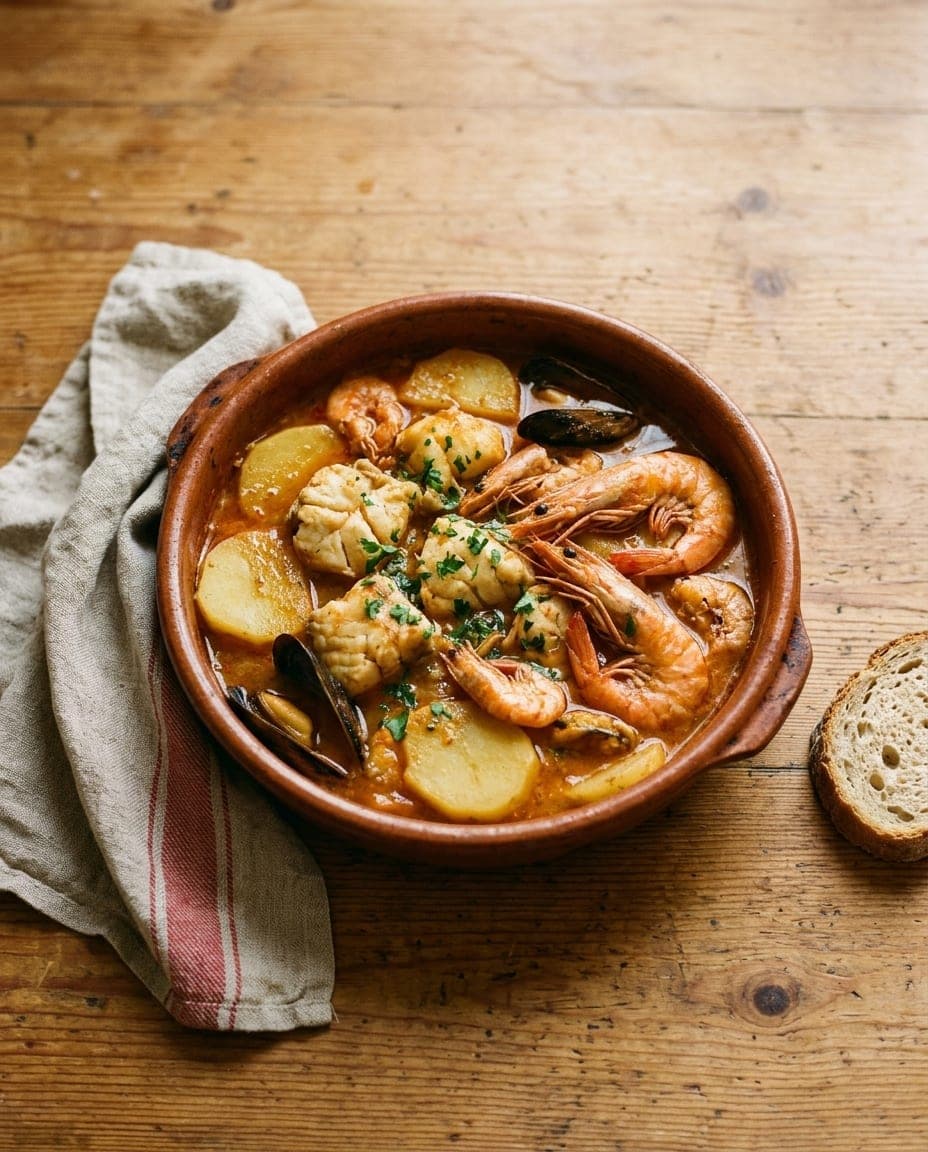
Suquet de peix is a fisherman's stew from the Costa Brava in Catalonia, where the sea meets the Pyrenees foothills. The name is a diminutive of the Catalan suc, "juice", a reference to the dish's short, concentrated broth rather than a soup that fills the bowl with liquid. It is a hearty, flavourful preparation built around rockfish and shellfish cooked gently with potatoes in a sauce thickened with a picada — a paste of almonds or hazelnuts, fried bread, garlic and parsley, sometimes with saffron, pounded in a mortar.
The dish is bound up with the fishing towns of the Costa Brava and the Maresme, such as Blanes, Palamós and Roses, where it remains a staple of traditional seafood kitchens. It was not originally designed for fine dining but rather as a practical way to use the catch that could not be sold whole or fresh. The fish and shellfish are simmered until tender, absorbing the aromas of the sofrito base, while the potatoes soak up the remaining liquid, leaving just enough broth to spoon over each piece.
The origins in the fishing village
The story of suquet de peix begins on board a small fishing boat or on the beach itself. In the past, when a catch included fish that were too small, damaged or simply unsellable at the market, the crew would cook them together with whatever vegetables they had on hand. The result was a one-pot meal that fed the whole crew without waste.
This practice evolved into a recognised regional dish as coastal communities settled and developed their own kitchens. The Costa Brava, with its rugged coastline and small harbours, provided the perfect setting for such a stew. The fish used are typically local rockfish and other species such as monkfish, scorpionfish, conger or sea bream, often accompanied by shellfish like prawns, mussels or clams. The potatoes serve as both thickener and filler, ensuring that even those with a small appetite leave the table satisfied.
The picada remains the defining feature of the dish. Unlike other Mediterranean fish stews where the broth might be left thin or clarified, the Catalan version relies on this nut-and-garlic paste to give the sauce its body and distinctive taste. The almonds or hazelnuts are toasted or fried before being ground, adding a subtle sweetness that balances the savoury depth of the fish and the sharpness of the garlic.
What goes into it
There is no single fixed recipe for suquet de peix, as each cook in the coastal towns guards their own variation. However, the essential components remain consistent across the region:
- Rockfish and shellfish: Fresh local catches such as monkfish, scorpionfish or sea bream, often paired with prawns, mussels or clams.
- Potatoes: Cut into slices or chunks that soften during cooking and absorb the broth.
- Sofrito base: Garlic and tomato, sometimes with onion, slowly cooked to form the foundation of the stew.
- Picada: Almonds or hazelnuts, fried bread, garlic and parsley, often with saffron, pounded in a mortar and stirred into the dish towards the end.
- Olive oil: Used generously throughout the cooking process to carry the flavours.
The final result is a thick, aromatic stew where the fish retains its texture and the potatoes are soft but not disintegrated. The broth is rich and concentrated, meant to be eaten with bread rather than sipped as a soup.
How it is eaten
Suquet de peix is typically served as a main course, often in a shallow earthenware dish or a large tureen that allows the ingredients to be shared family-style. It is common to find the fish and shellfish arranged on top of the potatoes, bathed in the short, picada-thickened sauce.
The traditional accompaniments are simple but essential: a spoonful of allioli, the Catalan garlic-and-oil emulsion, which adds a creamy contrast to the savoury stew, and slices of crusty bread to mop up the remaining broth. A glass of white wine from the Empordà is a natural pairing, its crisp acidity cutting through the fat of the nuts and fish.
Diners often begin with a small portion of the allioli on their plate, then take a piece of fish or potato and dip it into the sauce before eating. The bread is torn by hand and used to soak up the last traces of the broth, ensuring nothing is wasted — a practice that honours the dish's humble origins.
Curious facts
- The name means "little juice". The term suquet, from suc, refers to the short, concentrated broth rather than a soupy consistency, distinguishing it from other fish stews in the region.
- The picada is the secret. The Catalan version relies on the pounded nut-and-garlic paste for its texture and flavour.
- It was born from necessity. The dish originated as a way to use unsellable fish and shellfish, turning what might have been waste into a beloved local speciality.
- Every cook has a version. Some add saffron to the picada for a golden hue, others a little sweet pimentón, and some stir in allioli to enrich the sauce.
- It is year-round. Unlike many seafood dishes that are seasonal, suquet de peix is prepared throughout the year in the Costa Brava, using whatever the boats bring in.
Where to try it
The best place to eat suquet de peix is in a traditional fishing-restaurant kitchen along the Costa Brava, particularly in Blanes, Palamós or Roses. These towns are known for their maritime heritage and fish markets, and many kitchens still use the day's catch.
A meal here is less about luxury and more about the flavour of the coast.
Where to try it
3 destinations
 Boat Rentals
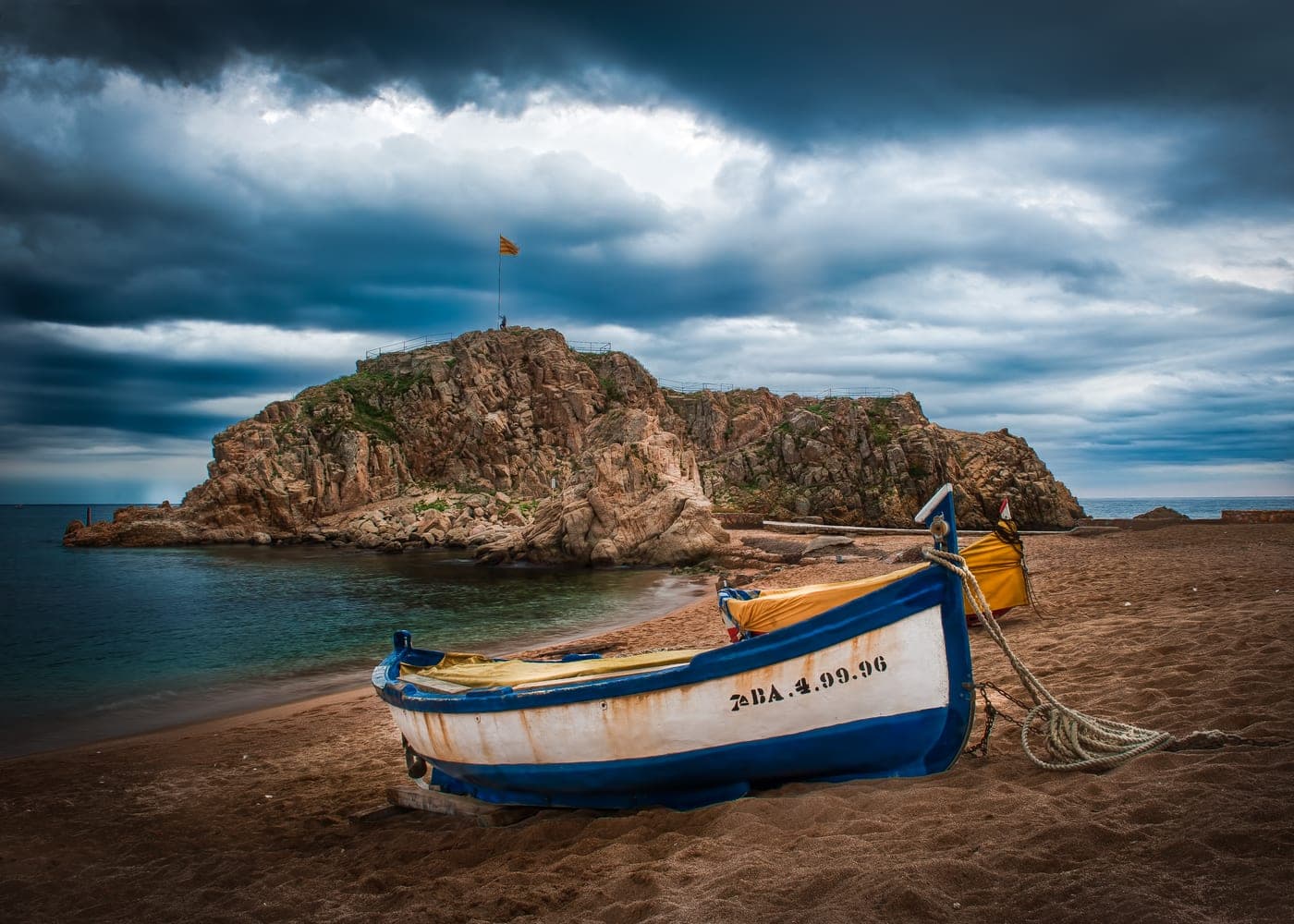
Blanes
Southern gateway to the Costa Brava with marina and boat charter services.
Boat RentalsHiking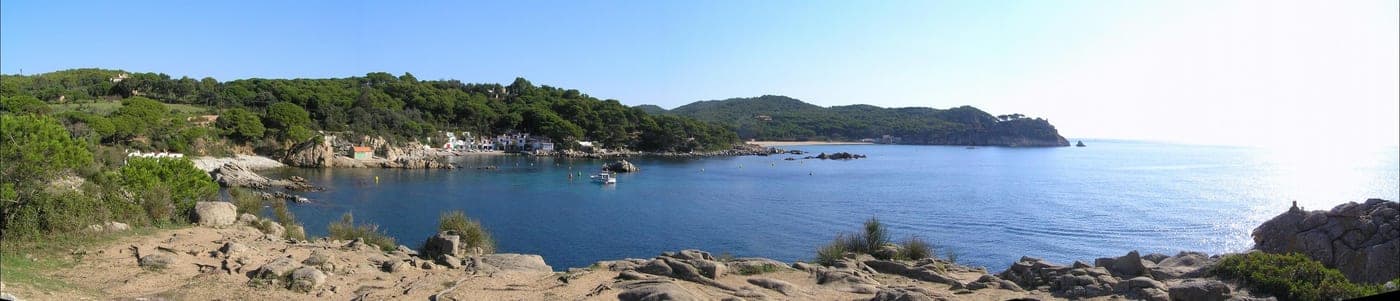 Wine Tasting
Palamós
Historic fishing village known for its seafood, sandy beaches, and vibrant marina.
Wine TastingBoat RentalsHikingLocal Cuisine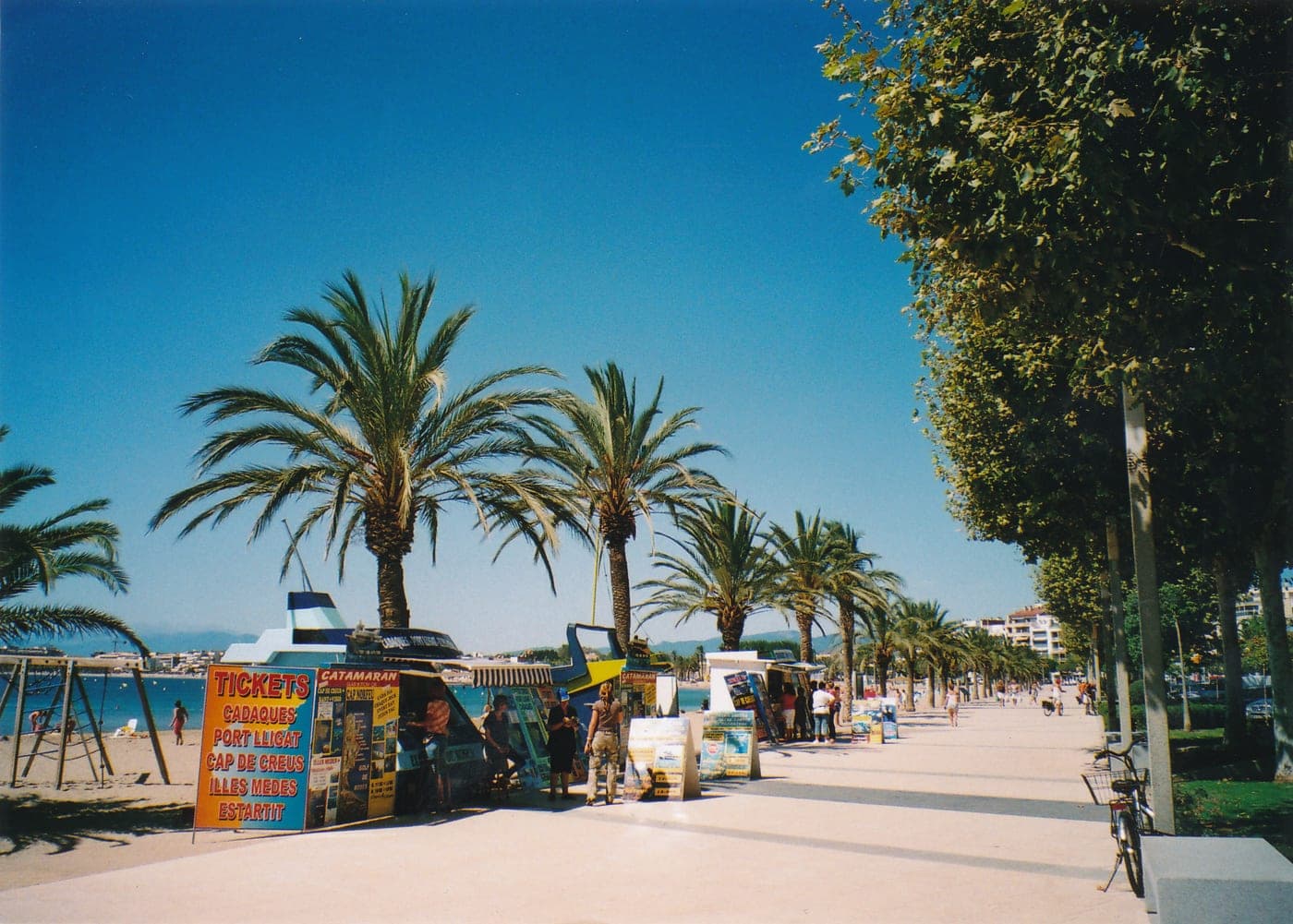 Boat Rentals
Roses
Popular Costa Brava resort with large marina and boat rental facilities.
Boat RentalsHiking
1 region
 Wine Tasting21 destinations
Catalonia
Catalonia stretches from the high Pyrenees down to the Mediterranean, and that range gives it a slow-travel character all its own: stone villages tucked into mountain valleys, a jagged coastline of small harbours, and an inland plain still shaped by farming and pilgrimage. Barcelona sits at one edge of the region, but Catalonia's quieter identity is built elsewhere — in places most visitors reach only if they choose to look beyond the capital. In the north, the Pyrenean valleys hold Romanesque churches and hamlets built from dark local stone, many still working farming communities. Villages like these keep a rhythm set by the seasons and the land, and walking between them reveals bell towers and hay meadows. Further south and inland, the Camí de Sant Jaume, a Catalan branch of the Camino de Santiago, crosses rolling wheat country and passes through small towns built around a church square. The coast has its own version of slowness. Cadaqués, with its whitewashed harbour houses and steep lanes, once drew Dalí and other artists. The Costa Brava's smaller coves still keep this feel in the off-season: fishing boats pulled up on shingle, a handful of restaurants serving the day's catch, cliff paths connecting one cove to the next. Inland from the coast, medieval towns like Besalú preserve their fortified bridges and Jewish quarters largely intact. Catalonia's regional cuisine reflects this pace. Cava is made using the same traditional method as Champagne, and small family cellars around Sant Sadurní d'Anoia still open their doors for tastings. Calçotada season, when charred spring onions are dipped in romesco sauce and eaten by hand, is a communal meal built around fire and patience. Elsewhere, pa amb tomàquet, botifarra sausage, and mountain cheeses reflect a cuisine shaped by both the sea and the high pastures. History runs close to the surface here. Poblet Monastery, one of Catalonia's Cistercian foundations, still follows a monastic routine largely unchanged for centuries, and some of Gaudí's early works outside Barcelona show the same architectural language in quieter settings. A handful of Catalan paradors occupy restored castles and monasteries — the one at Cardona, built into a medieval fortress on a hilltop, is among the most striking examples of this in Spain. Mountain villages, pilgrim paths, whitewashed coves, cava cellars, and monastery towns give Catalonia a landscape suited to slow travel: a dialect (Catalan) still spoken in daily life, a cuisine tied closely to what grows and grazes nearby, and villages that have kept their own pace as the region around them has modernised.
Wine TastingBoat RentalsHikingCamper Van Rentals