Sopa castellana
A rustic garlic soup of stale bread, paprika and poached egg from Castile
- Local name
- Sopa castellana
- Best eaten at
- A Castilian mesón
- Pairs with
- Ribera del Duero
What it is
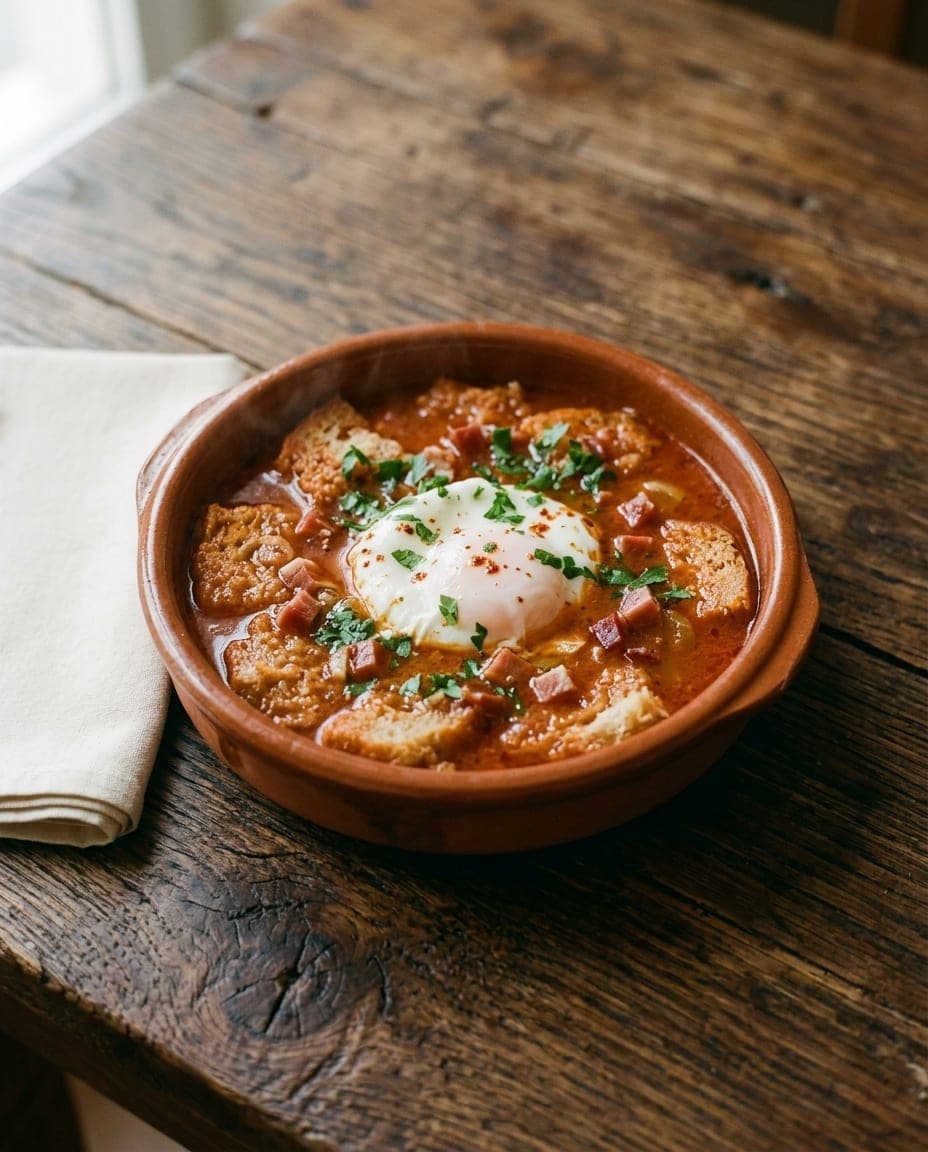
Sopa castellana, also known as sopa de ajo, is a rustic garlic soup that defines the winter cuisine of Spain's central plateau. It is most closely associated with Castile and León, with close relatives across Castilla-La Mancha and Madrid, where the cold winds sweep across the high plains and the local diet has long relied on ingredients that keep well through the frost. The dish is simple in its construction but deep in its flavour: a broth of water or light stock thickened with stale bread, garlic, olive oil and the distinctive red dust of pimentón, enriched with diced cured ham and finished with an egg.
This is not a delicate starter meant to be sipped slowly before a heavy meal. It is a substantial first course that can act as a meal in itself. The soup arrives in an earthenware bowl, the bread fully saturated and soft. In many kitchens the egg is poached directly in each bowl, or beaten egg is poured over and the dish finished in the oven, a version sometimes called sopa castellana costrada.
The dish is tied to mesón food, the rustic taverns of the Castilian towns and roads. Here, the soup is not an exotic curiosity but an everyday dish that evolved from the need to use up stale bread and preserved meats.
The origins of poverty food
Sopa castellana began as a practical solution for rural households facing long, cold winters on the Castilian plateau, and labourers once ate it as their midday meal. The ingredients were chosen not for their luxury but for their ability to last. Stale bread, too valuable to discard, found new life when soaked in hot liquid. Garlic provided both flavour and warmth. Olive oil, or in some homes lard, offered calories and a rich texture.
The addition of pimentón transformed the dish from a plain broth into something with a distinct character. This ground paprika, made from dried peppers brought from the Americas, became deeply embedded in Spanish cooking from the 16th century onwards. It gave the soup its signature red hue and an earthy depth.
The cured meats, such as jamón serrano or chorizo, were also products of preservation. Salted pork could be stored for months, ready to be diced and added to the pot. The egg added richness. Over time, this combination of humble ingredients became so beloved that it transcended its origins as "poverty food" to become a classic of Castilian cooking.
How it is made
The preparation relies on the quality of the few ingredients used. Sliced garlic is fried gently in olive oil, often in the clay pot itself, together with diced ham, until the garlic begins to colour without burning. This mixture forms the foundation of the soup's flavour.
The pimentón is stirred in off the heat so that it does not scorch, then the broth goes in, typically chicken stock or simply water. Thin slices of stale bread are added and left to soak, becoming soft and substantial rather than crunchy. The colour turns a deep, inviting red as the bread swells and the flavours meld.
The final touch is the egg, either stirred through the soup or poached in each individual bowl until the white sets but the yolk remains runny. The recipe varies across Castile and León: chorizo can replace the ham, the broth left from cooking morcilla can replace the stock, and some cooks add tomato.
Where it comes from
Sopa castellana belongs to the interior highlands, where the cold winds of winter are a defining feature, and is far less typical of Spain's coasts. It is a symbol of mesón culture, those traditional taverns that once served as resting points for travellers crossing the plateau.
In these establishments, the soup is often the first course on the menu. It sets the tone for the meal, offering warmth and substance before the heavier roasts arrive. A well-made sopa castellana should be rich, aromatic and filling without being greasy.
Garlic soup is also bound up with Lent and Holy Week in Castile and León. In Zamora, it is traditionally eaten in the small hours of Good Friday during the procession of Jesús Nazareno. Similar soups are made in Castilla-La Mancha and elsewhere in Spain, each with its own small variations.
How to eat it
Sopa castellana is best enjoyed at a Castilian mesón, a traditional tavern that specialises in regional food. These places often have a rustic atmosphere, with wooden tables and stone walls, and serve the soup in earthenware bowls. The dish is typically served as the first course of a lunch or dinner, though its substance means it can stand alone on a cold day.
The spoon breaks the egg, allowing the runny yolk to mix with the broth and bread. A glass of Ribera del Duero red wine is a natural companion, its bold tannins standing up to the garlic and paprika.
The soup is not a dish for rushing. It is meant to be savoured slowly, warming the hands and the stomach in equal measure. The experience is one of comfort and tradition, a taste of the plateau's history in every spoonful.
Curious facts
- The bread must be stale. Fresh bread would turn to mush too quickly; day-old bread holds its structure long enough to absorb the broth properly.
- A first course. In a traditional mesón meal, it comes before the main meat dishes, serving as a warming introduction.
- A Holy Week soup. In Zamora, garlic soup is eaten in the early hours of Good Friday during the Passion processions.
- Cooked in clay. The soup is traditionally made and served in a cazuela de barro, an earthenware dish that keeps it hot to the last spoonful.
Where to try it
The best place to eat sopa castellana is at a traditional Castilian mesón in the towns of Castile and León. These establishments specialise in regional dishes and serve the soup with the care and tradition it deserves.
Where to try it
1 destination
 Panoramic Trains
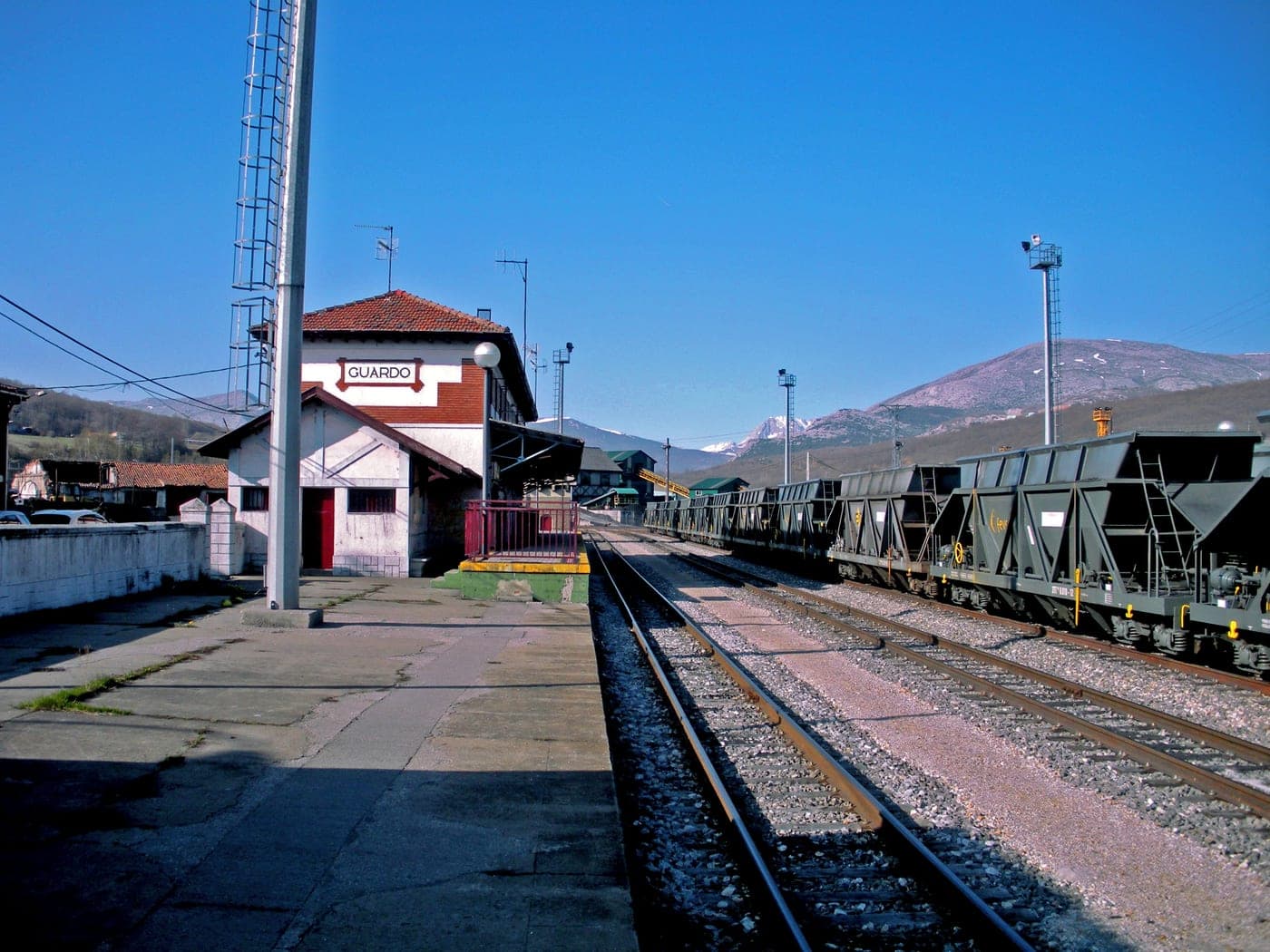
Guardo
Mountain town known for rich coal mining history and stunning landscapes.
Panoramic TrainsHiking
1 region
 Panoramic Trains22 destinations
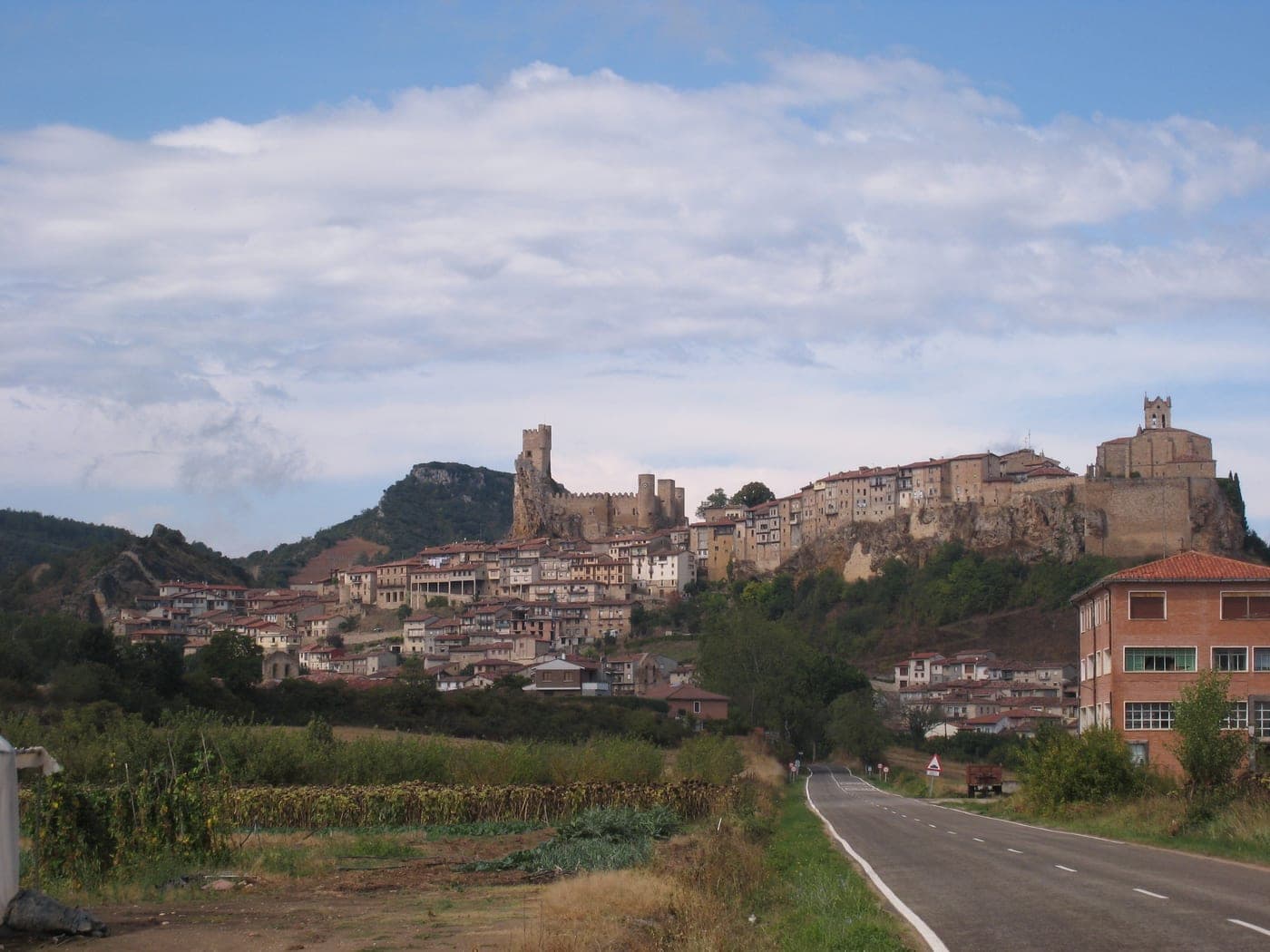
Castile and León
Covering over a quarter of Spain's land, this region is known for its historical richness and diverse landscapes. It features the ancient city of Salamanca, home to one of the oldest universities in the world, and Ávila, famous for its well-preserved medieval walls. The region also boasts stunning natural parks like Sierra de Guadarrama and the Duero Valley, known for its exceptional wine production, particularly Ribera del Duero. Castile and León is the birthplace of Spanish language and literature, with paths like the Camino de Santiago running through it. Visitors can explore lesser-known towns like Pedraza and Sepúlveda, where traditional crafts and gastronomy thrive, offering a genuine taste of local culture.
Panoramic TrainsHikingWine TastingLocal Cuisine





