Sidra asturiana
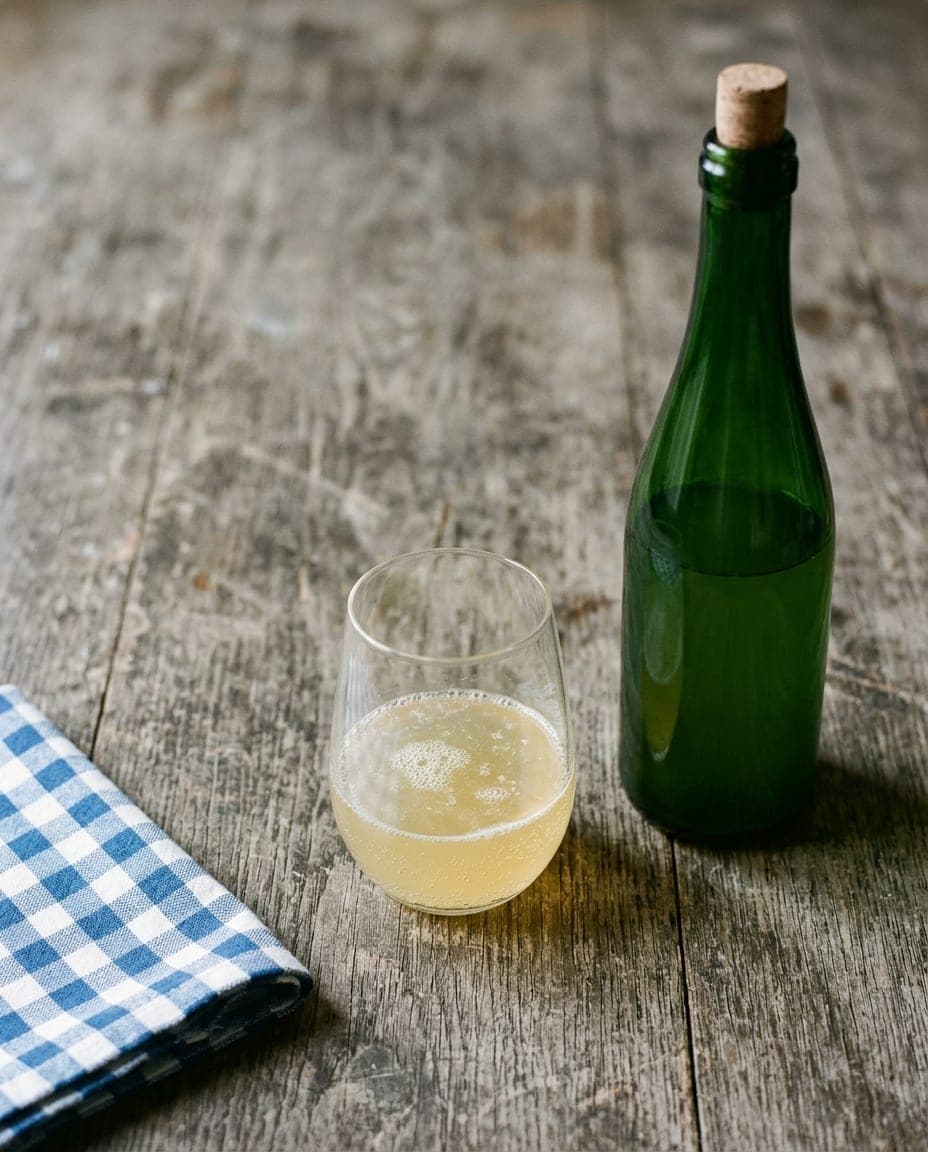
Still cider poured from height to aerate it in Asturias
- Alcoholic
- Local name
- Sidra asturiana
- Served
- Poured from height, a small splash
- Best eaten at
- An Asturian sidrería
- Pairs with
- Cabrales, chorizo a la sidra
What it is
Sidra asturiana is the natural cider of Asturias, an autonomous community on the northern coast of Spain. It is not sparkling in the way that champagne or many commercial ciders are. Instead, it is a dry, sharp drink made from local apples, fermented without added sugar until it carries the fruit's raw character. The liquid is pale gold to amber, and carries a distinct tartness that cuts the fat of Asturian food.
The defining feature of this drink is how it is served. Because it holds only a little natural gas, it goes flat quickly once poured. To bring it to life, the server performs a ritual known as the escanciado. The bottle is held high above the head in one hand and the glass is held low in the other. The cider falls in a thin stream from a height of roughly a metre so that it hits the side of the glass with force. This introduces air into the liquid, creating a brief, lively foam known as the espalme. Only a small amount, the culín, is poured, and the drinker finishes it straight away while it is still lively.
This is not a casual way to drink a beverage; it is a social act that dictates how the group interacts. In 2024 UNESCO added Asturian cider culture, from orchard to pour, to its list of the Intangible Cultural Heritage of Humanity.
The history of the apple and the pour
The tradition of cider in Asturias is as old as the region's farming life. Apple growing there goes back at least to the Middle Ages, and for centuries families grew their own orchards of cider apples, often keeping varieties that were too tart or bitter to eat raw but perfect for fermentation. The protected designation recognises dozens of local varieties today, each contributing different notes of acidity, tannin and aroma to the final blend. The drink was traditionally a way to preserve the autumn harvest through the long winter months.
The high pour is not merely a trick; it is how a gently sparkling, dry cider shows at its best, releasing aroma and softening its sharpness. Over time, this practical method evolved into a social code.
As commercial production grew in the 19th and 20th centuries, the ritual remained central to how Asturians drank their cider. The sidrería, or cider house, became the main place for drinking it, a place where people gathered to drink, eat and talk. The rules of the pour became part of the identity of the region, distinguishing Asturian cider from the sparkling versions found elsewhere in Europe.
How it is made
Sidra asturiana can carry the protected designation of origin Sidra de Asturias. This status guarantees that the cider is made in Asturias from authorised local apple varieties and follows set rules: no added sugar and no added carbon dioxide in the natural cider, whose little gas must come from its own fermentation. The process begins with the harvest of cider apples in autumn. The fruit is crushed and pressed in the traditional llagares, or cider houses, and the juice is left to ferment slowly.
The result is a dry cider with an alcohol content lower than most wines; protected-designation natural cider must reach at least 5 per cent. Traditional ciders can be slightly hazy, while certified bottles are clarified and bright. Once opened, the cider loses its freshness rapidly.
Where to drink it
The proper place to experience sidra asturiana is an Asturian sidrería. These are not fancy bars or hotel lounges but simple, functional establishments found all over the region, from Oviedo and Gijón to Avilés and the cider towns of Villaviciosa and Nava. Many have long wooden tables, and in some the floor is strewn with sawdust to absorb the cider that inevitably spills during the pouring process.
Inside a sidrería, the service follows a steady rhythm. A server, known as an escanciador, pours for the whole group, one person at a time, moving from one to the next. The glass is wide and thin-walled, designed to let the cider break against its side. Traditionally a single glass is shared by the group, so each drinker throws the last drop away to clean the rim before it is refilled for the next person.
What goes with it
Sidra asturiana is designed to accompany food, particularly the salty dishes that define Asturian cuisine. Its sharp acidity cuts through the fat of heavy meats and cheeses.
The most traditional pairing is with Cabrales, a strong blue cheese from the Picos de Europa mountains, or with chorizo a la sidra. This dish consists of pork sausage cooked slowly in the cider itself until it becomes tender and infused with the fruit's flavour.
Another common companion is the tortilla, a simple potato omelette. The cider's dryness balances the richness of the egg and potato. It is also served alongside fabada, the bean stew made with large white beans and pork.
How it is drunk
The way a person drinks sidra asturiana is governed by the speed of the pour. Once the glass is filled, the drinker lifts it to the lips straight away. The espalme lasts only a few seconds before the foam disappears; left standing, the cider loses its liveliness.
A single bottle yields several culinos, poured one after another for the group, so everyone drinks the same fresh cider.
The espicha is a related tradition: a gathering around the newly opened casks, when cider is poured for friends and family and drunk with tortilla, empanada, chorizo and cheese. It reinforces the idea that the best cider is always the one being poured at that moment.
Curious facts
- Little bubbles, lots of air. Unlike sparkling wines, the foam in sidra comes mostly from the pouring action; natural cider holds only a little gas from its own fermentation.
- The last drop matters. It is traditional to throw the final sip of the glass away, which also cleans the rim for the next drinker sharing the glass.
- World heritage. Asturian cider culture was added to UNESCO's Intangible Cultural Heritage list in 2024.
Where to try it
2 destinations
 Panoramic Trains
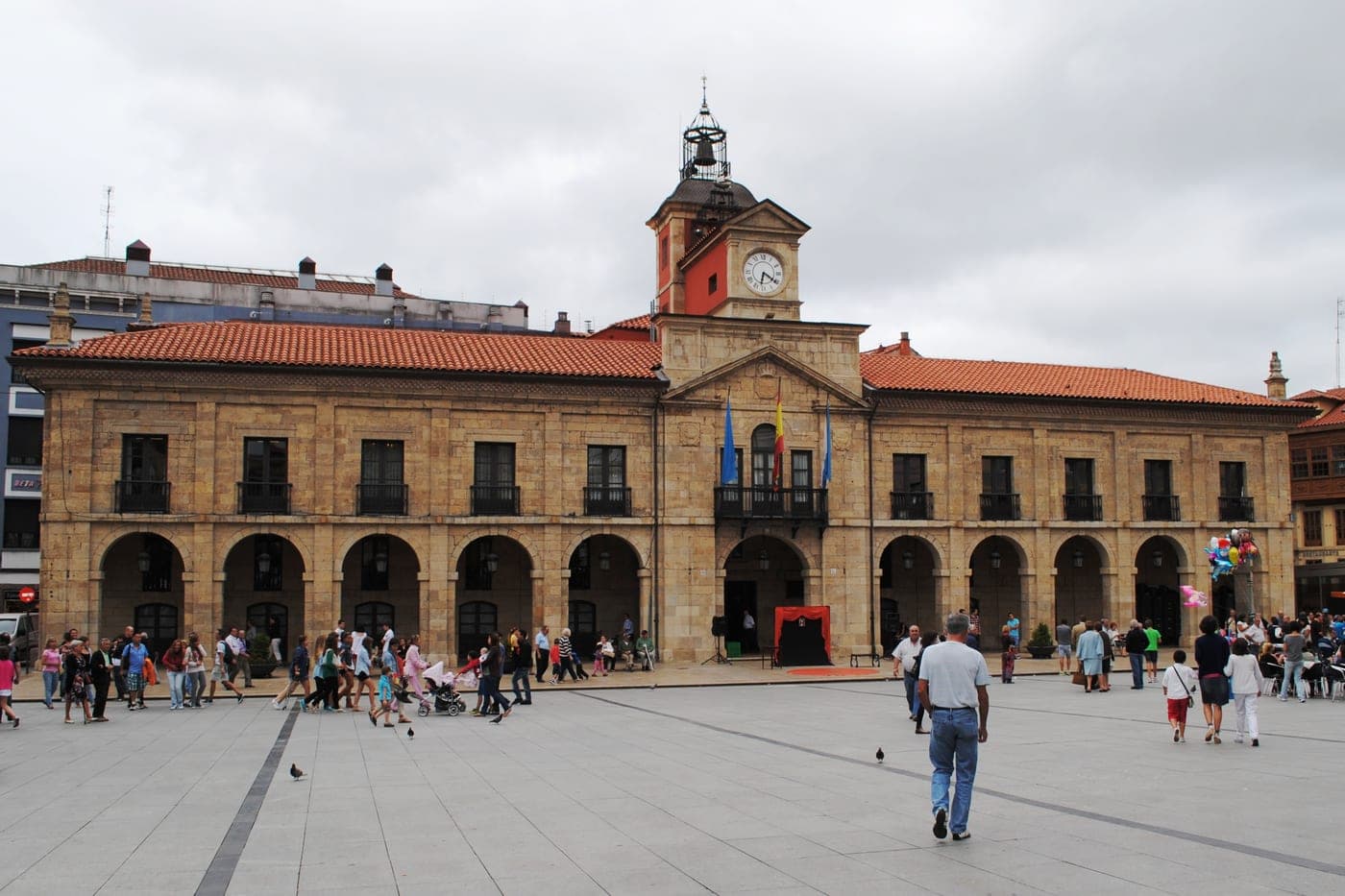
Avilés
Industrial city transformed by Niemeyer Center cultural complex.
Panoramic TrainsHiking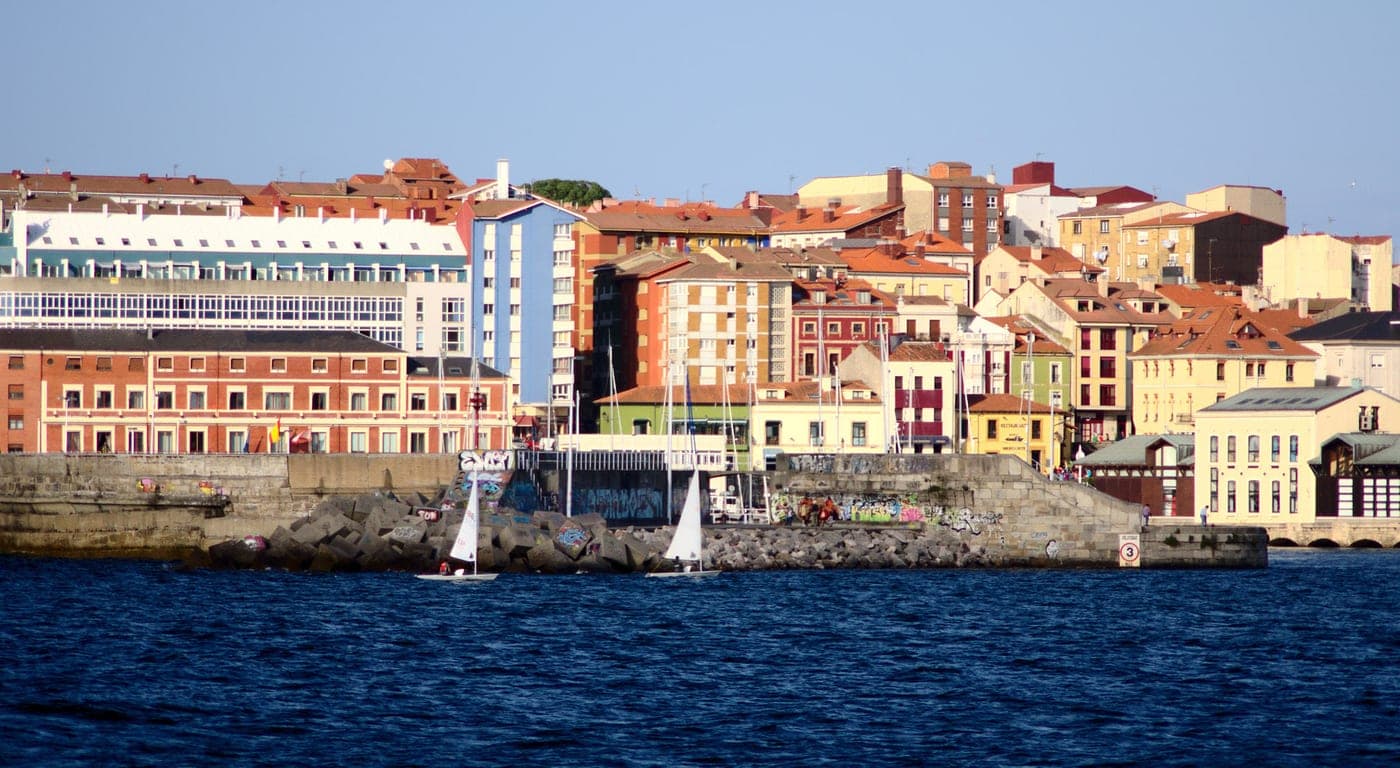 Panoramic Trains
Gijón
Coastal city known for its vibrant seafront, cider culture, and historic architecture.
Panoramic TrainsHiking
1 region
- Panoramic Trains6 destinations
Asturias
Asturias, bordered by the Cantabrian Sea to the north, is known for its rugged coastline and lush green landscapes. This region is the only one in Spain with both mountains and the sea, presenting a unique blend of natural beauty. Oviedo, the capital, is famed for its pre-Romanesque architecture and vibrant cultural scene, while Gijón offers beaches and a lively harbor. The Picos de Europa National Park attracts hikers with its dramatic peaks and diverse wildlife. Asturias is also recognized for its cider production, with traditional sidrerías dotting the landscape. With its rich history, including the medieval kingdom of Asturias, this region offers a deep dive into local culture, making it a fascinating destination for exploration.
Panoramic TrainsHikingLocal Cuisine





