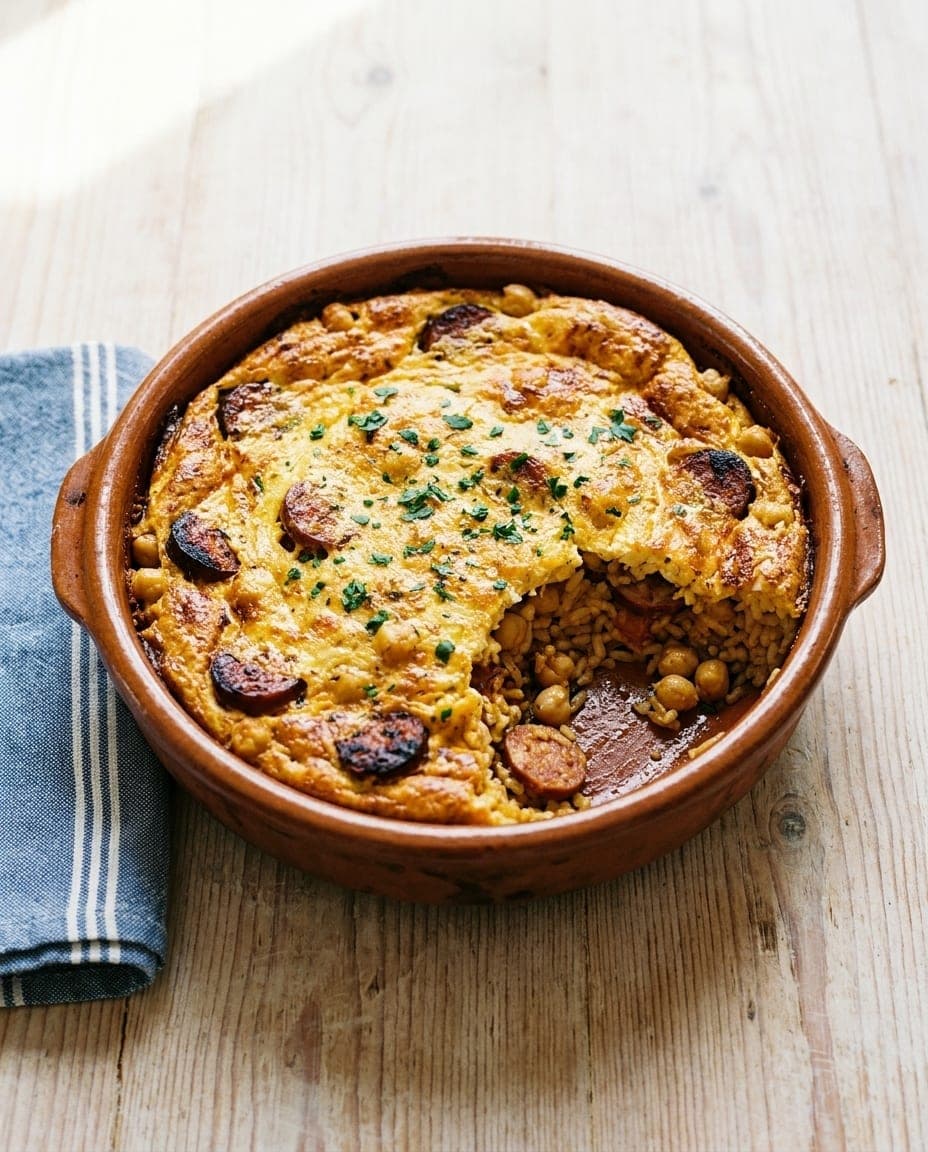
Rosquillas de San Isidro
Small rings, plain with aniseed or glazed, for Madrid's May saint festival
- Vegetarian
- Local name
- Rosquillas de San Isidro
- Best eaten at
- Madrid's Pradera de San Isidro fair
What it is
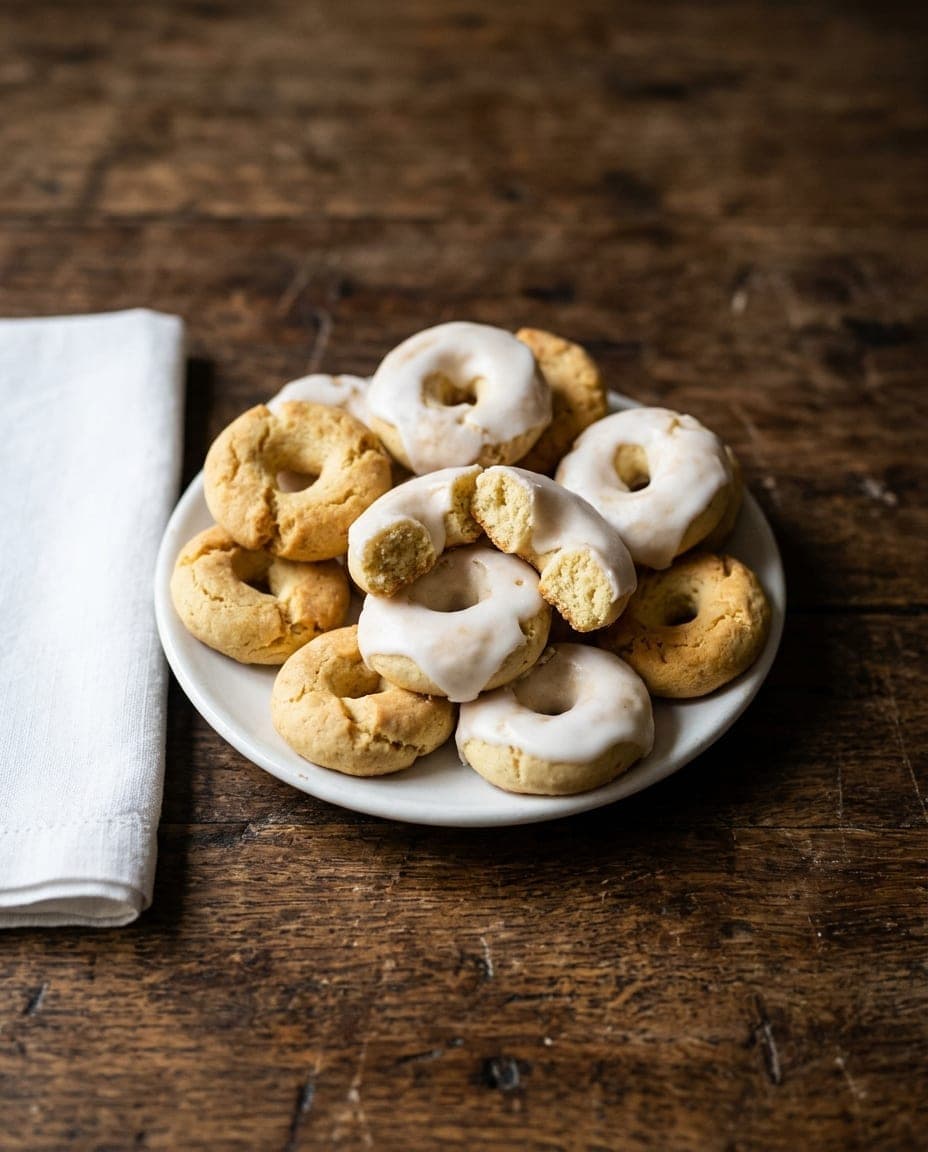
Rosquillas de San Isidro are small, firm baked rings that belong specifically to the city of Madrid and its annual festival of San Isidro on 15 May. They are not soft doughnuts. The texture is firm and crisp rather than cakey, well suited to eating in handfuls while walking through the fairgrounds.
The identity of these pastries rests on a simple joke between two versions known locally as tontas and listas. The tontas, or "silly ones", are plain, aniseed-scented rings with nothing on them. The listas, or "clever ones", are dressed up with a hard, glossy yellow glaze of sugar and lemon, and their dough usually skips the aniseed. This pairing is at the heart of the festival, where the contrast between the plain and the glazed forms a small, edible narrative that locals have repeated for generations.
The fair on the meadow
The pastries are closely linked to the Pradera de San Isidro, a large meadow on the right bank of the Manzanares, south-west of the city centre. Each year, this green space transforms into the focal point of the San Isidro festival, dedicated to Madrid's patron saint. Temporary stalls line the paths, selling rosquillas alongside other fair food.
The tradition holds that the San Isidro fair is not complete without rosquillas. The meadow has hosted the saint's romería for centuries, and in the 19th century the rings sold there by the legendary Tía Javiera were famous across Madrid.
The four kinds of ring
While the tontas and listas form the core pair, Madrid recognises two other variations that appear at the fair. These are not new recipes so much as different finishes on a similar ring.
The first is the de Santa Clara, which features a white, dry meringue crust covering the ring. The second is the francesas, where the top is brushed with egg and covered with chopped almonds and sugar. All four are baked from a firm, egg-rich dough until they hold their shape. None of them are soft or cake-like. They are sturdy enough to be carried in a pocket or a paper bag while walking through the crowded fairgrounds.
The choice between the plain tonta and the glazed lista is a favourite bit of banter among Madrileños in May. The joke implies that the plain ring is simple and honest, while the glazed one tries to be clever with its shine. In reality, both are essential to the experience. Some bakeries have added newer variations, such as a chocolate-coated ring first made for the 2022 holy year of San Isidro.
How they are made and eaten
The tonta dough, made with eggs, flour, sugar, a little olive oil and aniseed, gets its characteristic aroma from the anise. The mixture is shaped into rings and baked until firm. A tonta feels light but solid in the hand, while the lista offers a harder, sugary shell that cracks when bitten.
These pastries are eaten by hand, often while standing or walking through the Pradera. They are not typically served on a plate with cutlery. Instead, they are sold by the bag or the box, and eaten as needed. The dry meringue of the Santa Clara and the almond topping of the francesas add texture but do not change the fundamental nature of the ring.
The rings are best enjoyed fresh, when the crispness is at its peak.
Curious facts
- The names are a joke. Tontas means "silly" and listas means "clever". The plain ring is the fool, and the glazed one is the trickster, yet both are equally popular.
- A legendary baker. Tradition credits the original rosquillas to the Tía Javiera, a figure of Madrid folklore said to come from Fuenlabrada or Villarejo de Salvanés, though her real story is uncertain.
- Four distinct finishes. Beyond the plain tonta and glazed lista, the fair also features the meringue-covered de Santa Clara and the almond-topped francesas.
- A firm texture. Unlike soft doughnuts, these rings are firm and crisp, easy to carry in a bag rather than eaten with a fork.
- The river is key. The pastries are tied to the Pradera de San Isidro on the banks of the Manzanares River, not just to the city in general.
Where to try it
The classic setting for Rosquillas de San Isidro is the Pradera de San Isidro fair around 15 May, where stalls sell fresh batches throughout the day. In the weeks around the festival, Madrid's traditional pastelerías also fill their windows with all four kinds. Outside May they are much harder to find, so the festival is the time to buy a bag and walk among the crowds while eating.
Where to try it
1 region
 Camper Van Rentals1 destination
Madrid
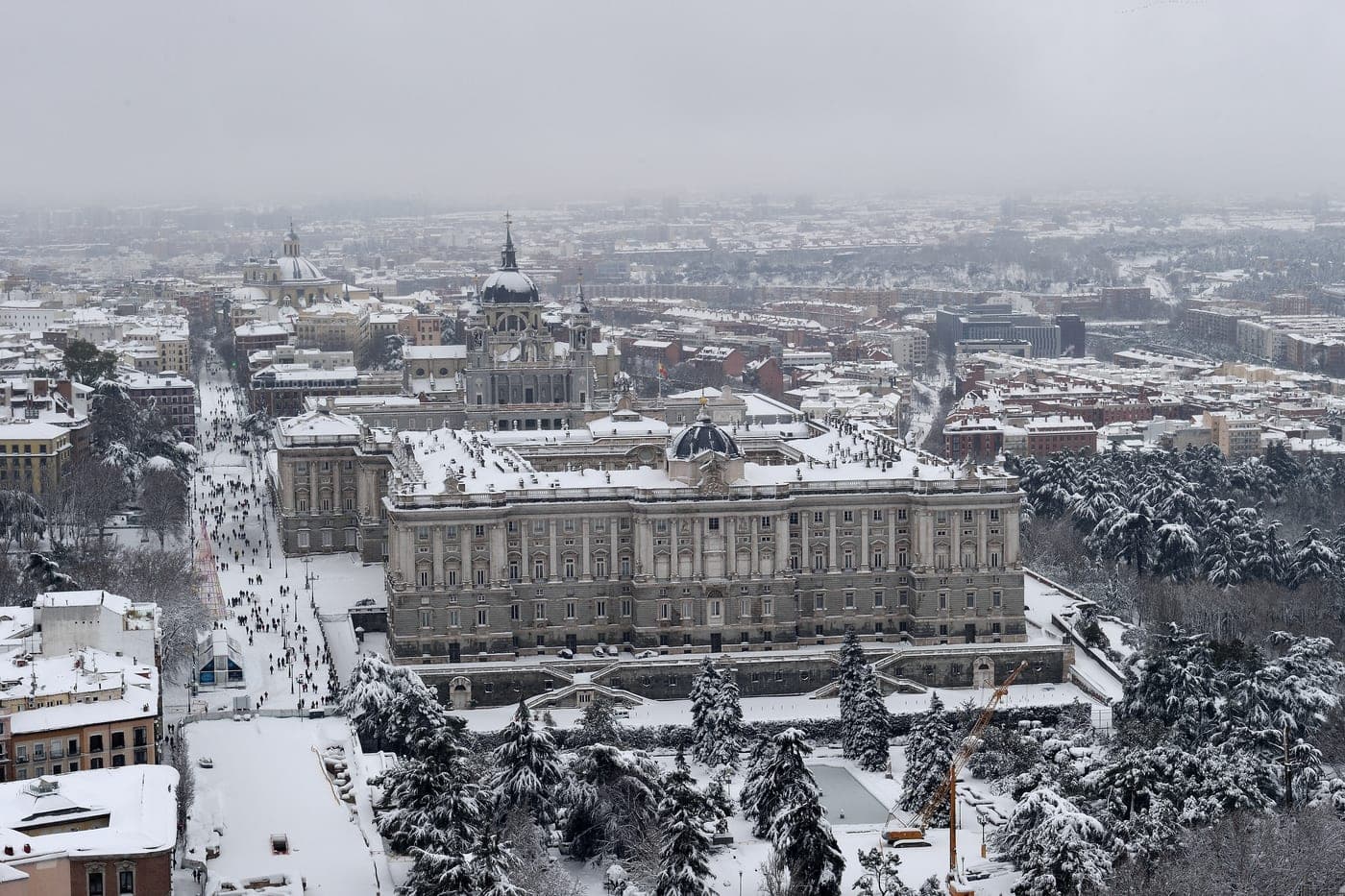
Madrid, the largest city and capital of Spain, is a vibrant hub of culture and history. Known for its royal palace, the city boasts a rich artistic heritage with museums like the Prado and the Reina Sofia. Beyond the mainstream, explore the Malasaña district, famous for its alternative scene, or the tranquil Retiro Park, a green oasis in the urban landscape. The surrounding region features towns like Alcalá de Henares, birthplace of Cervantes, and El Escorial, a UNESCO World Heritage site. Madrid's culinary scene is diverse, from traditional tapas to innovative cuisine, reflecting its cultural melting pot. The region also hosts various local festivals throughout the year, showcasing its traditions and community spirit.
Camper Van RentalsHiking