Queso tetilla
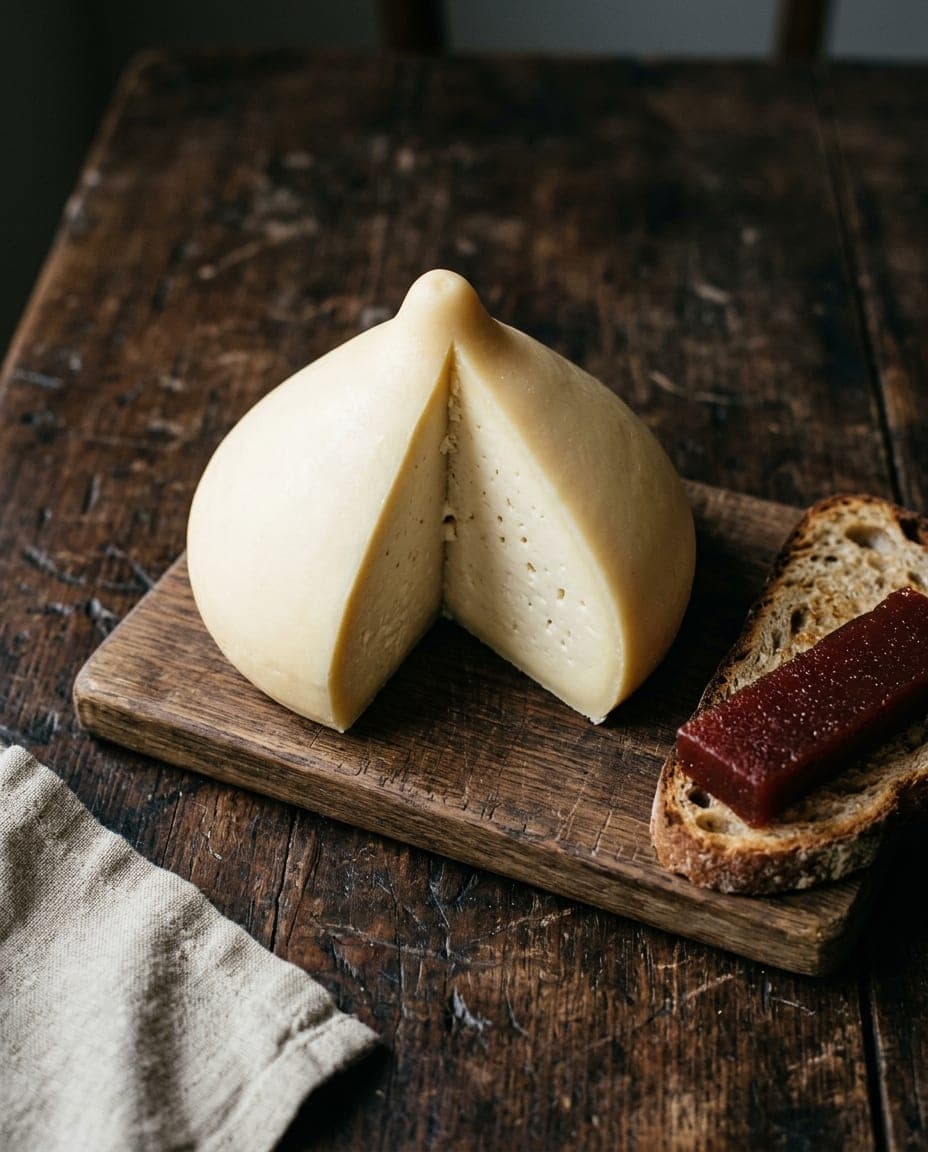
A soft Galician cheese shaped like a breast, served with quince paste
- Vegetarian
- Local name
- Queso tetilla / Queixo tetilla
- Served with
- Quince paste, bread
- Best eaten at
- A Galician taberna
- Pairs with
- Albariño or Godello
What it is
Queso tetilla (in Galician, queixo tetilla) is a soft cow's milk cheese from the north-west of Spain, specifically the region of Galicia. The name translates roughly as "little breast" or "small teat", referring to its unmistakable shape: a rounded base that tapers upwards into a small, distinct nipple on top. It is one of the most recognisable cheeses in Spain, and the protected version is sold with the designation's label.
The cheese itself is pale yellow to off-white, with a texture that ranges from supple and springy to almost spreadable depending on how young it is. The flavour is mild, creamy and slightly sour, with a faint salinity that does not overpower the palate. Unlike many aged cheeses that develop sharp notes or crumbly textures, queso tetilla remains smooth and buttery. It is made from whole cow's milk.
The cheese holds a Protected Designation of Origin (PDO), known in Spanish as Denominación de Origen Protegida. Its designation regulations were ratified in 1993, and the zone covers the whole of Galicia: it can only be called queso tetilla if it is made in the region from milk of registered local herds, following the rules of the specification. The shape has been noted for centuries; in the 18th century the Benedictine scholar Martín Sarmiento recorded that Galicians called these small cheeses tetas because they resembled a breast.
Where it comes from
Galicia is a region defined by its Atlantic coastline, deep green valleys and frequent rain. The climate here is mild but wet, creating perfect conditions for lush pastures. This landscape forms the foundation of the local dairy tradition, and cheese making on small family farms has been passed down through generations.
Today the cheese is made across Galicia, from small farm dairies to larger cooperatives. The earliest documented reference cited by the designation dates from 1753. Cheese making was long a way to make use of surplus milk, and over time the shape became standardised and the producers formalised the rules to protect the name from imitation.
While the cheese is now widely available in supermarkets across Spain and Europe, its heart remains in the Galician countryside. Producers often bring it to the markets in towns like Lugo and Santiago de Compostela, where small-batch cheeses sit alongside the larger brands.
How it is eaten
Queso tetilla is versatile, but it is most often enjoyed in its simplest form. It is commonly served at room temperature, allowing the fats to soften and the flavour to open up. A classic way to eat it is in wedges, accompanied by membrillo, a thick, sweet quince paste that balances the cheese's mild saltiness. The combination of the creamy cheese and the sticky, fruity paste is a staple on Galician tables.
It also appears on its own as a tapa or as part of a cheese board. It melts well, making it suitable for grilling or baking until it becomes gooey and golden, and grilled slices are often served with bread.
The cheese is almost always paired with crusty bread. The texture is soft enough to spread but firm enough to hold its shape when sliced. A glass of Galician white wine, such as Albariño or Godello, is a natural companion, as the crisp acidity cuts the fat of the cheese without masking its delicate flavour.
What goes into it
The ingredients for a genuine queso tetilla are simple and few, reflecting the Galician emphasis on quality milk and minimal processing.
- Milk: Whole cow's milk from the Rubia Gallega, Frisona (Friesian) or Pardo Alpina breeds or their crosses, from registered herds in Galicia.
- Starter cultures: Lactic bacteria that give the cheese its mild acidity and characteristic aroma.
- Rennet: Animal rennet or other coagulant enzymes authorised for the cheese.
- Salt: Added to enhance flavour and aid preservation, but in quantities that do not dominate the palate.
The curd is cut gently and placed in a mould that creates the cone shape with the nipple top. The cheese is then pressed lightly to remove excess whey before being turned out of the mould. Its minimum ripening period is short, just eight days, and it is generally eaten young, which keeps it soft and supple rather than hard and crumbly. A finished cheese weighs roughly 0.5 to 1.5 kg.
Curious facts
- An old name. Galicians were already calling these cheeses tetas in the 18th century, when Martín Sarmiento noted the comparison with a breast and nipple.
- It melts with ease. Due to its high moisture content and short ageing period, queso tetilla becomes creamy and stretchy when heated, making it ideal for grilling or melting into dishes.
- The name is literal. The word tetilla is the diminutive of teta, meaning "breast" or "teat", directly describing the visual form of the cheese rather than any taste.
- A whole-region designation. Unlike many Spanish PDO cheeses tied to one province or valley, the tetilla zone covers all four Galician provinces.
- The rind is thin. Unlike many aged cheeses with thick, hard crusts, queso tetilla has a fine, elastic, straw-yellow rind less than 3 mm thick.
Where to try it
Queso tetilla is best tasted in Galicia, for example around Santiago de Compostela. In the city, the cheese appears in traditional tabernas, small neighbourhood taverns where locals gather for drinks and simple food. These establishments often offer the cheese with quince paste as a tapa, alongside local bread and wine.
When buying, the "D.O.P." or "Denominación de Origen Protegida" label on the packaging guarantees that the cheese comes from the designated region. Some restaurants in Santiago serve it grilled with a slice of bread, while others offer it plain with membrillo. Local markets in the surrounding countryside may also have small producers selling cheeses directly from their farm.
The cheese is available year-round. While it can be found in supermarkets across Spain and Europe, a visit to a Galician taberna offers the most complete experience, where the cheese is served alongside other regional specialities and enjoyed in the relaxed atmosphere typical of the area.
Where to try it
1 destination
 Panoramic Trains
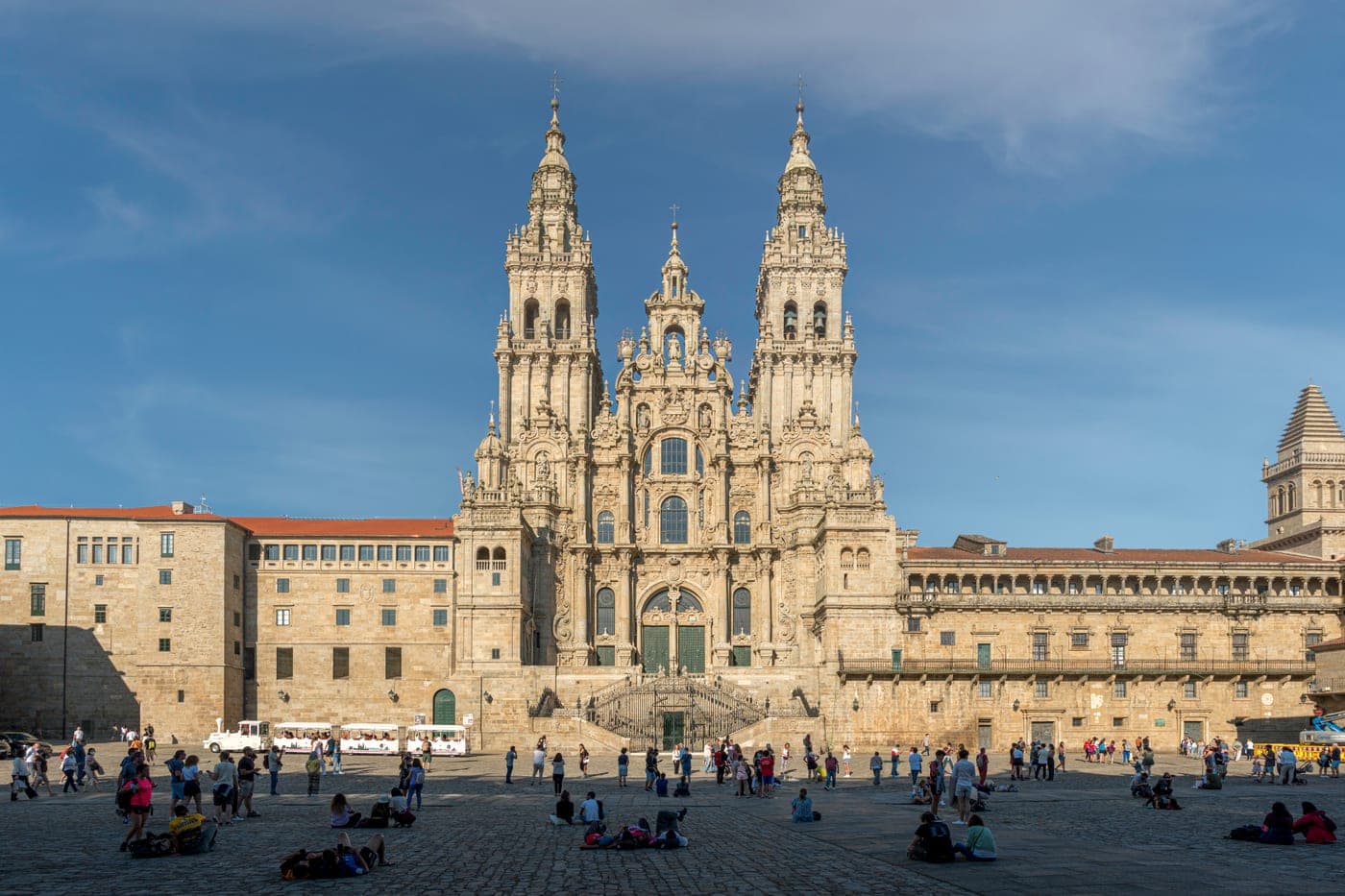
Santiago de Compostela
Famous pilgrimage site featuring the stunning Santiago de Compostela Cathedral.
Panoramic TrainsHikingLocal Cuisine
1 region
 Panoramic Trains8 destinations
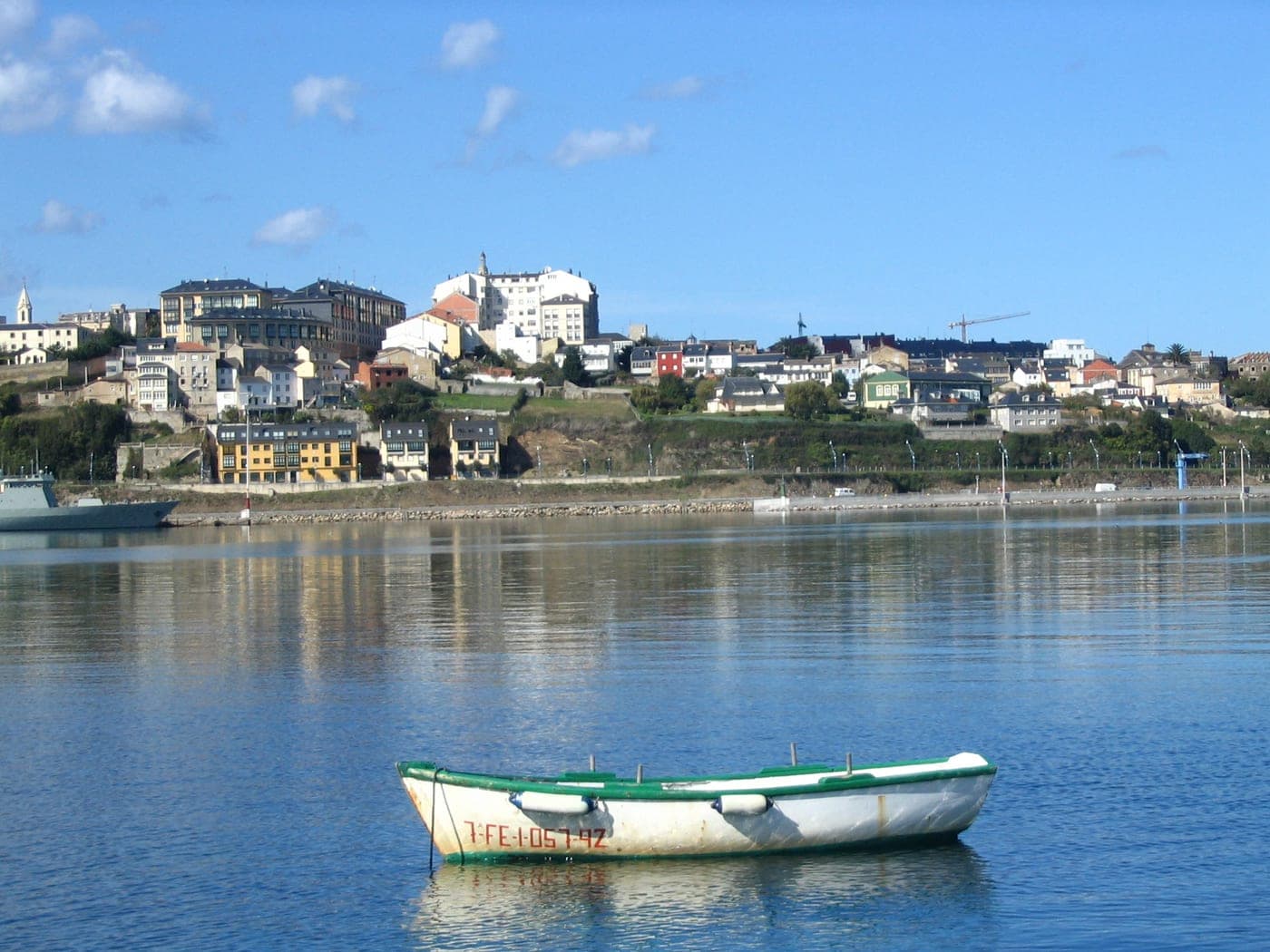
Galicia
This region is the largest in Spain, featuring a stunning coastline along the Atlantic Ocean. Known for its rich Celtic heritage, Galicia boasts historical towns like Santiago de Compostela, famous for its pilgrimage routes and the impressive cathedral. The Rías Baixas area is celebrated for its Albariño wine, while the rugged shores offer scenic beauty, including the dramatic cliffs of the Costa da Morte. Traditional crafts, such as pottery and weaving, reflect the local culture. Visitors can explore lesser-known villages like Combarro and O Cebreiro, which showcase ancient architecture and regional gastronomy. Unique festivals, such as the Romería de San Juan, highlight local traditions and community spirit, making this region a treasure trove for those seeking depth in their travels.
Panoramic TrainsHikingWine TastingLocal Cuisine





