Quesada pasiega
A dense, buttery cheese cake from Cantabria's Pas valleys
- Vegetarian
- Local name
- Quesada pasiega
- Served with
- Coffee
- Best eaten at
- A Pas valley pastry shop
- Pairs with
- Sweet wine
What it is
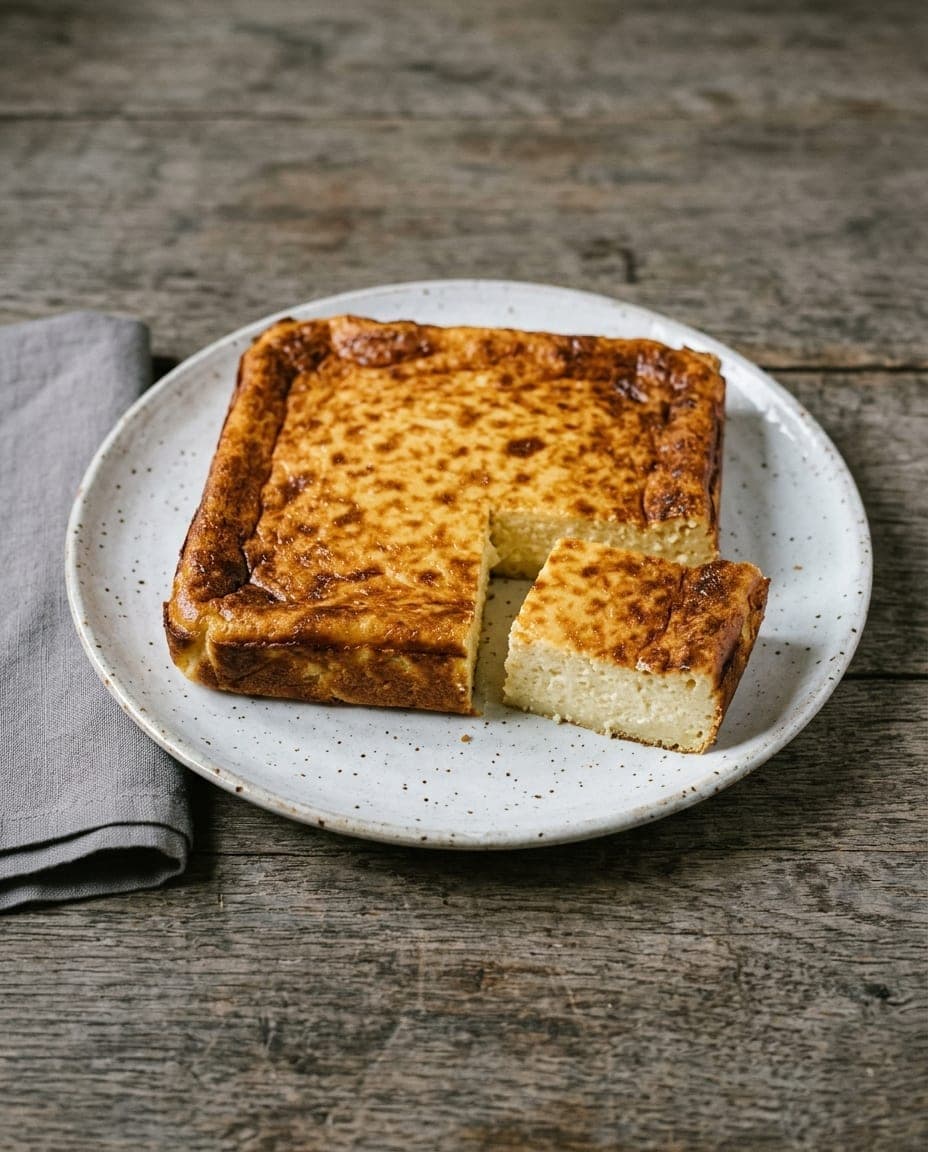
The quesada pasiega is a simple, dense baked cake that belongs to the Pas valleys of Cantabria, in northern Spain. It is not a light cake or a fluffy cheesecake. Instead, it is a thick, flat slab of fresh curd, butter and eggs, baked until the top turns a deep golden brown and the inside becomes close, moist and pudding-like. The pastry shop version is usually only a few centimetres high, cut into squares or portions rather than tall wedges.
The dish takes its name from the pasiegos, the cattle-herding people of the Valles Pasiegos, the valleys of the Pas, Pisueña and Miera rivers south of Santander. The landscape is steep and green, and dairy farming has been the main occupation for centuries, built around the local Pasiega cow. The fresh curd made from that milk has a mild flavour that holds its shape when baked. The result is a cake that feels heavy in the hand, rich in butter and egg, with a distinct note of lemon zest and cinnamon.
How it came to be
The history of the quesada pasiega is tied directly to the lifestyle of the pasiegos. These herders moved their cattle between hillside pastures and stone huts (cabañas) through the year, and fresh curd and butter were the products of every day's milking. A cake built from them was a natural way to use up dairy that would not keep.
There is no single written record that marks the moment the recipe was invented. Over time, the simple farmhouse version became a recognised speciality of the Pas valleys, sold alongside the sobao pasiego in towns such as Vega de Pas and Selaya. It remains a regional dish rather than a national one, closely associated with Cantabria.
The pasiegos were known for their dairy products despite the difficult terrain. The curd they used was fresh, not aged, which gives the baked cake its characteristic texture. The addition of lemon zest and cinnamon follows the wider Spanish habit of pairing citrus and spice with dairy sweets. The result is a dish that feels both rustic and refined.
What goes into it
The ingredients are few and honest, reflecting the agricultural tradition of the valleys:
- Fresh curd (cuajada) or fresh cheese, made from local cow's milk, which provides the main body and texture.
- Butter, used generously to give the cake its richness and moist crumb.
- Eggs, beaten into the mixture to bind the ingredients and add structure.
- Sugar, for sweetness that balances the slight tang of the curd.
- Flour, a small amount to help the cake hold its shape without becoming dry.
- Lemon zest and cinnamon, which give the dish its signature aroma and taste.
The mixture is poured into a shallow tin and baked until the top is deeply browned. The inside remains close and dense, with no airy sponge texture. It is not a dessert for those who prefer fluffy cakes; it is a dense, buttery treat that feels substantial on the tongue.
How to eat it
The quesada pasiega can be eaten warm or cold, often as a mid-morning snack or an afternoon treat alongside a coffee. Chilled, the butter firms up slightly, giving the cake a smooth, almost creamy mouthfeel. It is usually served in small portions, ideal for sharing or eating while standing at the counter of a local pastry shop.
A cup of strong black coffee is the standard companion. The bitterness of the coffee cuts the richness of the curd and butter, balancing the sweetness of the sugar. In some places, a glass of sweet wine is also offered, particularly in the winter months when the valleys are colder.
The cake is best eaten fresh, though it keeps well for a day or two if stored in a cool place. Many find that the cold version has a deeper flavour than the warm one, as the spices and citrus notes settle into the curd.
Curious facts
- A regional identity. The quesada pasiega is so closely tied to the Pas valleys that it is rarely found outside Cantabria, even in nearby regions.
- No fancy toppings. Unlike many European cheesecakes, it has no fruit compote, cream or glaze on top; the brown crust is its only decoration.
- A dairy family. It shares its home valleys with the sobao pasiego, a buttery sponge cake that holds EU protected geographical indication status.
- Warm or cold. Both are traditional, and the texture changes noticeably: softer when warm, firmer and creamier when chilled.
Where to try it
The best place to eat a quesada pasiega is in a local pastry shop in the Pas valleys, particularly in Vega de Pas, Selaya or the other villages of the Valles Pasiegos. These small shops are often family-run and have been making the same recipe for generations.
The smell of baking butter and cinnamon fills the air, and the shop will usually have a display of golden quesadas ready for purchase. It is a simple pleasure that reflects the quiet rhythm of the Pas valleys.
Where to try it
1 destination
 Panoramic Trains
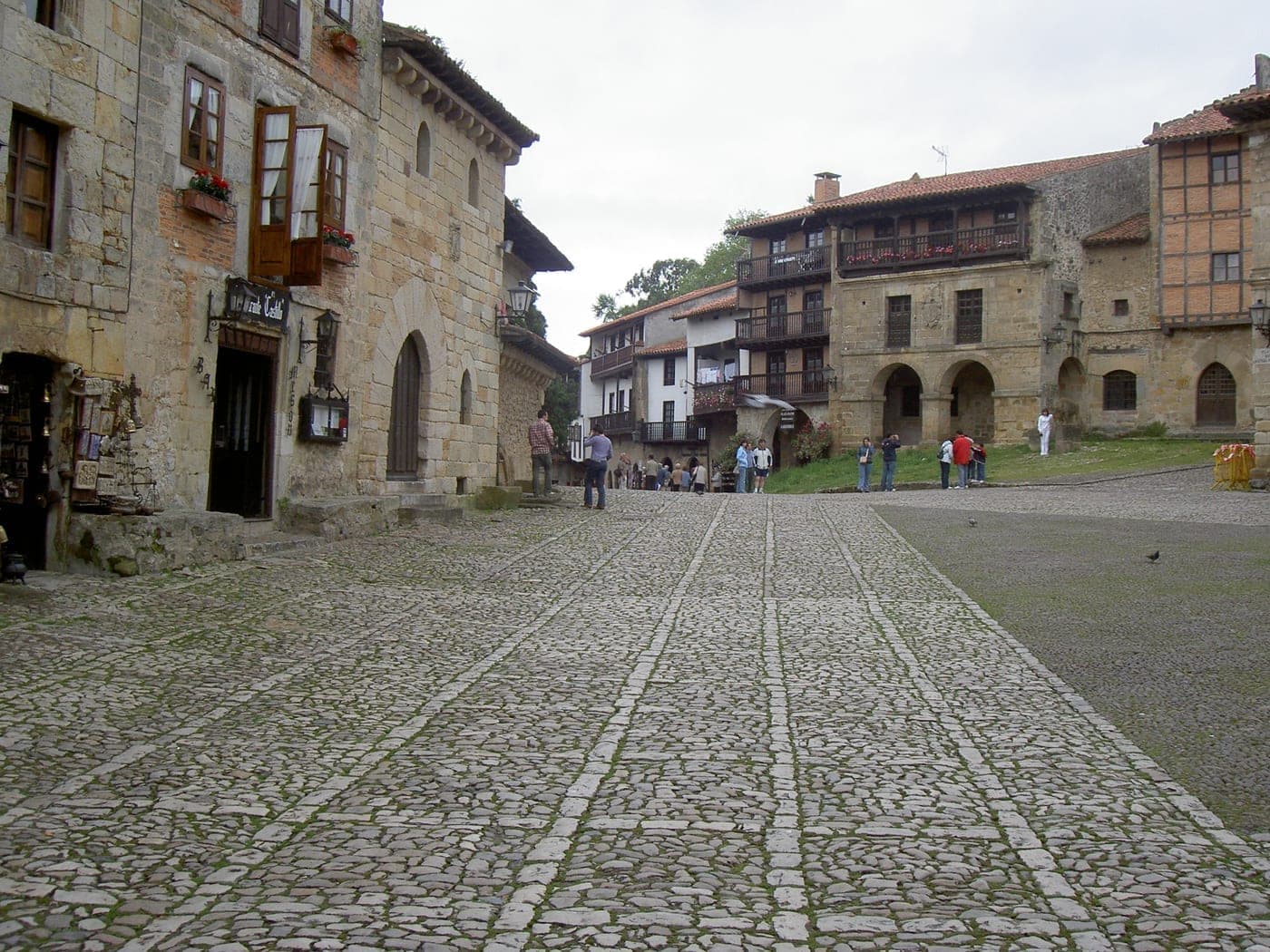
Santillana del Mar
Picturesque medieval village with well-preserved architecture and rich history.
Panoramic TrainsHiking
1 region
 Panoramic Trains3 destinations
Cantabria
Cantabria, located on Spain's northern coast, is the only region in the country with a coastline along the Bay of Biscay. Known for its dramatic landscapes, it features the Picos de Europa mountains, offering numerous hiking trails and stunning vistas. The region's capital, Santander, is renowned for its beaches and cultural institutions like the Centro Botín. Explore the prehistoric caves of Altamira, which house some of the world's most important cave paintings. Off the beaten path, towns like Comillas showcase unique architecture, including the Gaudí-designed El Capricho. With a rich maritime history, Cantabria is famous for its seafood and traditional dishes such as sobao pasiego and quesada. The local festivals celebrate both culture and gastronomy, highlighting the region's vibrant traditions.
Panoramic TrainsHikingLocal Cuisine