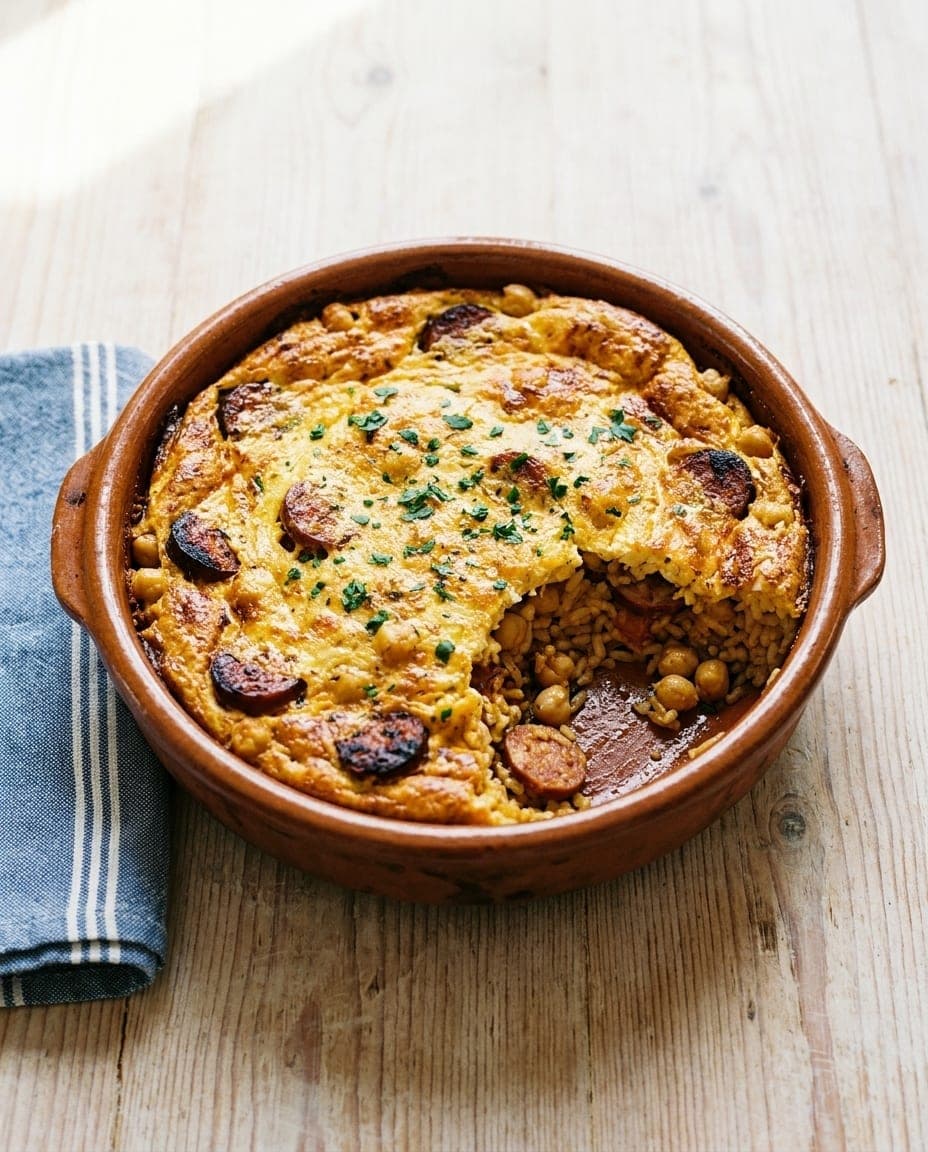
Pringá
Seville's thrift: shredded stew meats in a bread roll
- Local name
- Pringá
- Best eaten at
- A Seville tapas bar
- Pairs with
- Manzanilla or fino
What it is
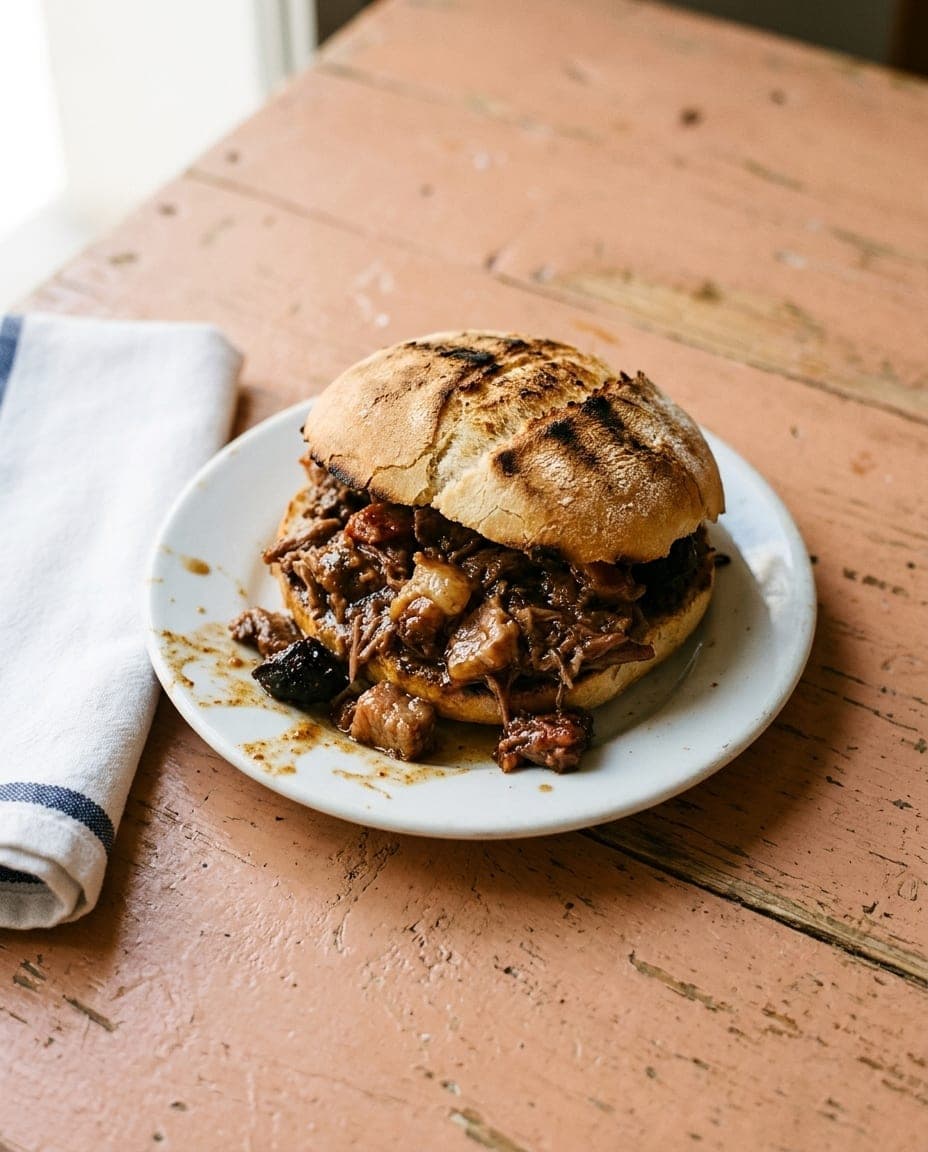
Pringá is the name given to the meats of the Andalusian stew and to the humble, hearty tapa made from them in the bars of Seville, the capital of Andalusia. It consists of the meats from a traditional stew, known locally as a puchero or cocido, which have been removed from the broth, shredded into a soft paste, and pressed into a small bread roll. The dish is not cooked as a standalone item; it is a second life for the solid part of a family-style meal.
The name comes from the verb pringar, to soak bread in fat or juices, which describes how the rich, fatty juices of the stew coat the shredded meat and the bread. It is a dish defined by its texture: soft, greasy and deeply savoury. While a puchero is often served first as a broth, pringá takes the solid remains (pork fat, chorizo, morcilla, beef and chicken) and transforms them into a handheld snack.
The story of thrift
The history of pringá is not found in cookbooks but in the daily rhythm of Andalusian households. Traditionally, a large pot of stew would be prepared to feed a whole family over more than one meal. Once the broth was ladled out for soup, the meats remained. Rather than waste them, cooks would mash the pieces together, mixing the fat and juices back into the meat until it formed a cohesive spread, and at the table diners would pull away meat and fat with pieces of crusty bread.
This habit of using every part of the animal is central to Andalusian cooking. In Seville, the tradition moved from the home table into bar culture, where the meats are packed into small rolls of bread, usually toasted or warmed so that the crust is crisp.
How it is made
There is no single recipe for pringá, as every cook and barkeeper adjusts the mix based on what went into the stew. The core components are always drawn from the puchero pot:
- Pork fat (tocino) and pork cuts, providing the soft, fatty base.
- Chorizo, which adds a smoky, paprika flavour to the mix.
- Morcilla, the blood sausage that gives the dish its distinctive dark colour and earthy taste.
- Beef and chicken, often included to add depth.
The meats are drained of excess broth and then mashed or shredded together until they form a thick, spreadable paste. The mixture is then packed into a small, crusty bread roll and served immediately. A good version is judged by the balance of the meats; if the morcilla takes over, the mix is darker and heavier.
How to eat it
In Seville's tapas bars, pringá is served as a montadito, a small sandwich that is eaten with the fingers. It is rarely presented with cutlery. The roll is often warm from the toaster or the grill, and the meat inside is hot and juicy.
The dish pairs well with a cold beer or a glass of dry Sherry, such as manzanilla or fino. The sharpness of the wine cuts through the fat of the pork and the morcilla. It is a dish meant for standing at the bar, perhaps while waiting for the next round of drinks, rather than sitting down for a formal meal.
Curious facts
- A stew in disguise. Pringá is not a stew itself but the solid remains of one, proving that the best flavours often come from what is left over.
- The morcilla question. Regulars often judge the tapa by its balance: too much blood sausage and the mixture turns dark and heavy.
- A handheld tradition. Unlike many Spanish tapas served on plates, the pringá montadito is designed to be eaten with the hands, making it a practical choice for busy bars.
- No fixed recipe. The exact ratio of meats varies by day and by bar, depending on what went into the puchero pot.
- A regional habit. While similar concepts exist elsewhere in Spain, the term pringá and its status as a standard tapa are most closely associated with Seville and western Andalusia.
Where to try it
The best place to eat pringá is at a traditional tapas bar in Seville. The dish appears year-round, though it is particularly common during the colder months when stews are a daily staple.
Where to try it
1 destination
 Camper Van Rentals
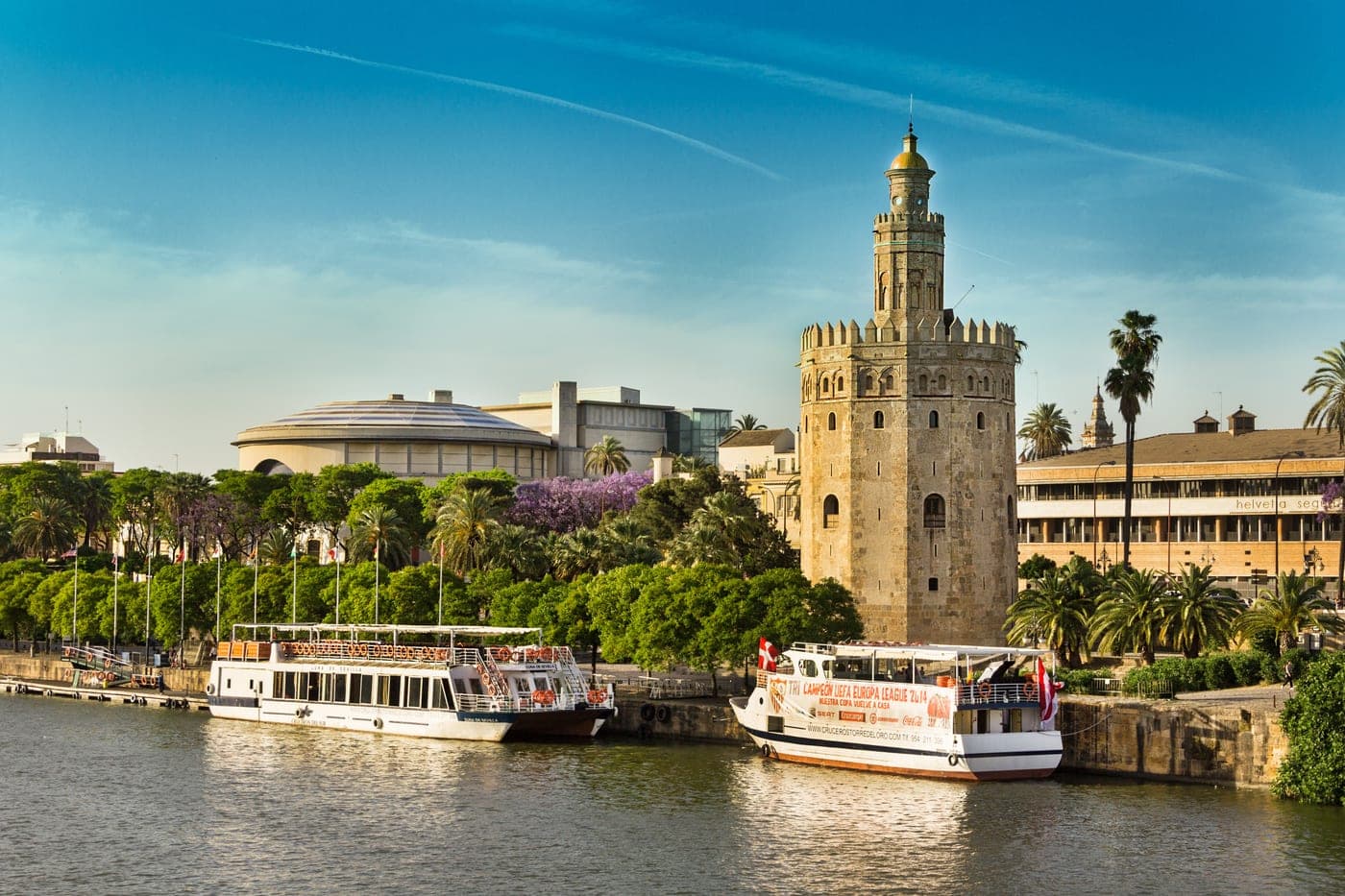
Seville
Andalusia's capital with flamenco, tapas bars, and Moorish architecture.
Camper Van RentalsHiking