Pimientos de Padrón
Galician peppers, some mild, some hot, served with coarse salt
- Vegetarian
- Local name
- Pementos de Padrón
- Served with
- Coarse salt
- Best eaten at
- A Galician tapas bar
- Pairs with
- Albariño
What it is
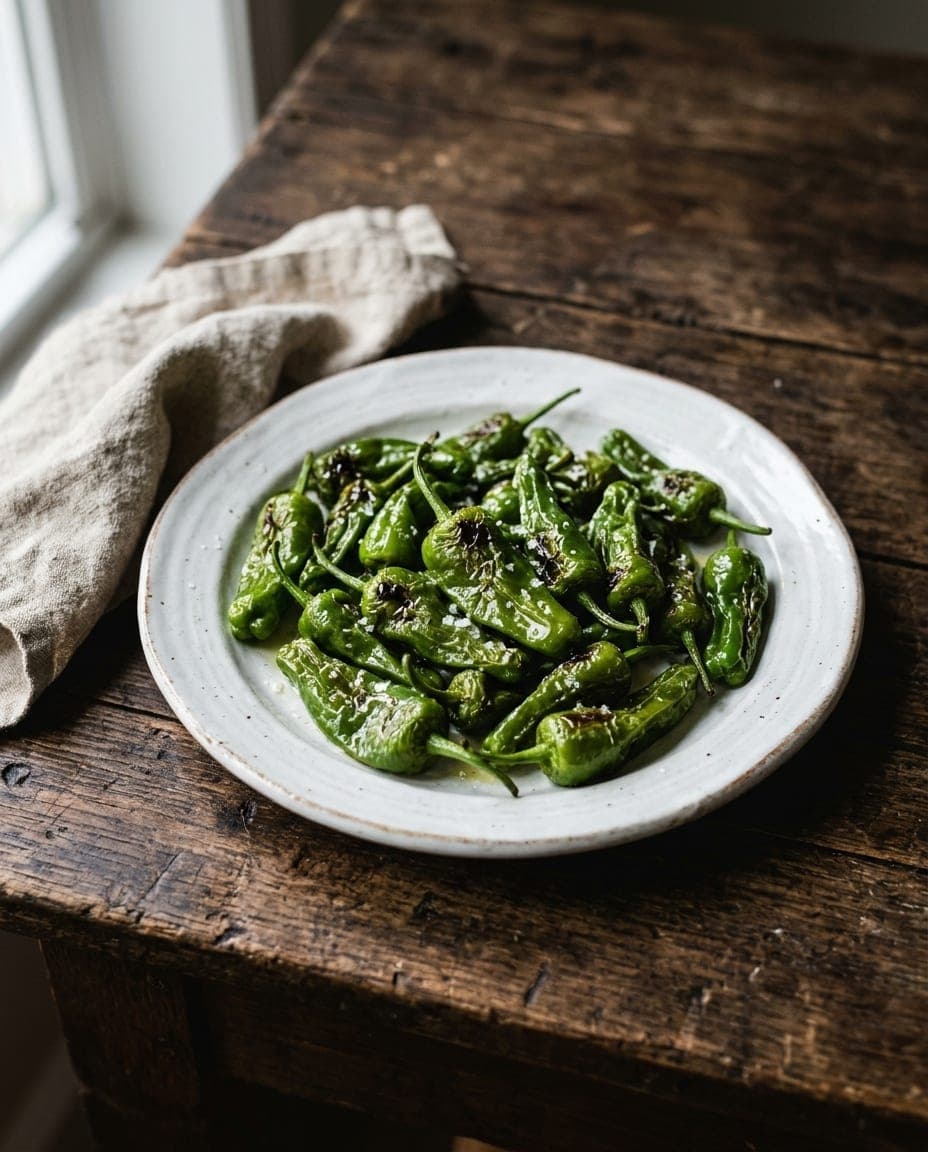
Pimientos de Padrón, known locally as pementos de Padrón, are small, bright green peppers from the area around Padrón in the province of A Coruña, Galicia. They are not a complex stew or a slow-cooked dish, but a simple preparation that has become one of the best-known tapas in Spain. The peppers are fried whole in generous amounts of olive oil until their skins blister, then sprinkled with coarse salt and served hot on a small plate.
The experience is defined by its unpredictability. The local saying, os pementos de Padrón, uns pican e outros non, translates as "Padrón peppers: some are hot and some are not." While most of these peppers are mild, with a fresh, grassy flavour, an occasional one carries a sharp heat that can catch a diner off guard. There is no reliable way to tell the spicy ones from the mild ones before eating them, which turns a simple plate of peppers into a game of chance.
The dish takes its name from the town of Padrón, about 20 km south of Santiago de Compostela. Similar fried peppers are found across Spain, but the peppers grown around the village of Herbón, in the municipality of Padrón, carry the EU Protected Designation of Origin Pemento de Herbón, registered in 2010.
The Herbón convent
The story of how these peppers arrived in Galicia is tied to the Franciscan convent of San Antonio de Herbón. According to tradition, Franciscan missionaries brought the seeds back from Mexico, probably in the 17th century, and began growing them in the convent's gardens.
Over time, the plant was cultivated in the fertile river valley around Herbón, a small village just outside Padrón, and developed into a local variety. While the exact date of introduction is not recorded in any single document, the convent story is the one told locally.
The peppers remained a local speciality for generations before becoming the familiar tapa they are today. The PDO Pemento de Herbón covers peppers grown in the municipalities of Padrón, Dodro and Rois in the province of A Coruña and Pontecesures and Valga in Pontevedra, and protects the traditional local variety and the small growers who cultivate it.
What goes into it
The ingredients list is as short as the preparation time. There are no hidden spices or sauces; the dish relies entirely on the quality of the pepper and the oil used to cook it.
- Padrón peppers: small, green peppers, picked young while still small and firm.
- Olive oil: a generous amount is used for frying.
- Coarse salt: large crystals sprinkled over the hot peppers immediately after frying. The salt sticks to the oily skin and contrasts with the soft, warm flesh.
The skin should be blistered and slightly crisp, while the inside remains tender and juicy.
How it is eaten
Pimientos de Padrón are almost always served as a tapa or a starter, rarely as a main course. They arrive on the plate sizzling hot. They are eaten with the fingers: the pepper is held by its stalk, which remains attached during frying, and bitten off, leaving the stalk behind.
A mild pepper offers a fresh, green taste against the richness of the oil and the crunch of the salt. A hot one spreads its heat slowly, often calling for a sip of something cold.
Because of the unpredictability, diners often approach the plate with a sense of anticipation. It is common for groups to share a plate or two while waiting for other dishes to arrive. They are a quick, communal snack that encourages conversation.
What to drink with it
The traditional pairing is a glass of Albariño, the crisp, aromatic white wine from the Rías Baixas region further south. Its acidity and citrus notes cut through the olive oil and refresh the palate between bites. A cold Galician beer is an equally common alternative.
A heavy red wine would overwhelm the delicate green flavour of the pepper, while the chill of a white wine or beer helps to soothe the mouth after a spicy bite.
When to find them
These peppers are a seasonal speciality, at their best from June through October, when the Galician harvest is under way. Outside this window, peppers sold under the name are often grown elsewhere.
The season is celebrated during the Festa do Pemento de Herbón, held in early August in the oak grove beside the convent in Herbón. The festival has been running for more than thirty years, with tastings, music and the frying of peppers in large quantities, and brings together local growers and visitors to celebrate the crop that defines the area.
Curious facts
- The seed origin is American. Despite being a symbol of Galicia, the pepper's ancestors came from Mexico, reportedly brought over by Franciscan friars.
- No way to tell the heat. There is no reliable visual sign of which peppers will be spicy and which will be mild.
- A protected name. The protected designation is Pemento de Herbón, covering peppers grown in five municipalities around Padrón.
- Eaten by the stalk. The stems are left on during frying so that diners can hold the pepper, making it an easy finger food.
- A summer festival. Herbón hosts an annual pepper festival in early August, celebrating the harvest with music and food.
Where to try it
The classic place to eat pimientos de Padrón is a Galician tapas bar in or near Padrón itself. These are not fancy restaurants but small, bustling taverns where locals gather for drinks and snacks.
In Santiago de Compostela, traditional tapas bars focused on Galician produce serve good versions in season. But the dish is most rooted in Padrón and nearby Herbón, where the peppers are grown.
During the August festival in Herbón, the peppers are fried in large batches for the crowds, with local music and a festive atmosphere, offering a chance to see the pepper celebrated in its home village. The next pepper may always be the hot one.
Where to try it
1 region
 Panoramic Trains8 destinations
Galicia
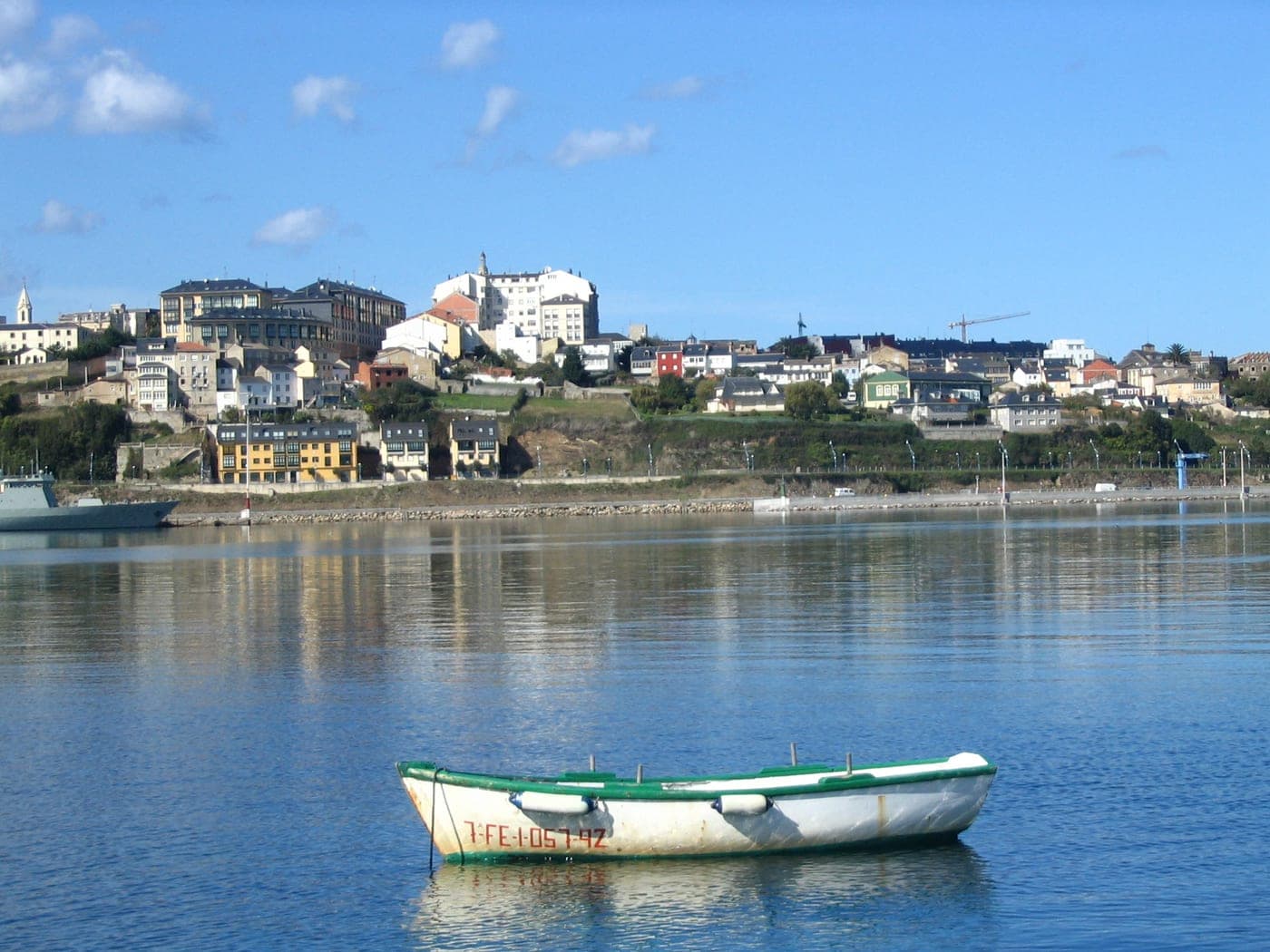
This region is the largest in Spain, featuring a stunning coastline along the Atlantic Ocean. Known for its rich Celtic heritage, Galicia boasts historical towns like Santiago de Compostela, famous for its pilgrimage routes and the impressive cathedral. The Rías Baixas area is celebrated for its Albariño wine, while the rugged shores offer scenic beauty, including the dramatic cliffs of the Costa da Morte. Traditional crafts, such as pottery and weaving, reflect the local culture. Visitors can explore lesser-known villages like Combarro and O Cebreiro, which showcase ancient architecture and regional gastronomy. Unique festivals, such as the Romería de San Juan, highlight local traditions and community spirit, making this region a treasure trove for those seeking depth in their travels.
Panoramic TrainsHikingWine TastingLocal Cuisine