Pan de Neda
A long-keeping wheat bread from Neda, on the Ferrol estuary
- Vegetarian
- Local name
- Pan de Neda
- Served with
- Galician cheese, empanada
- Best eaten at
- A Neda village bakery
What it is
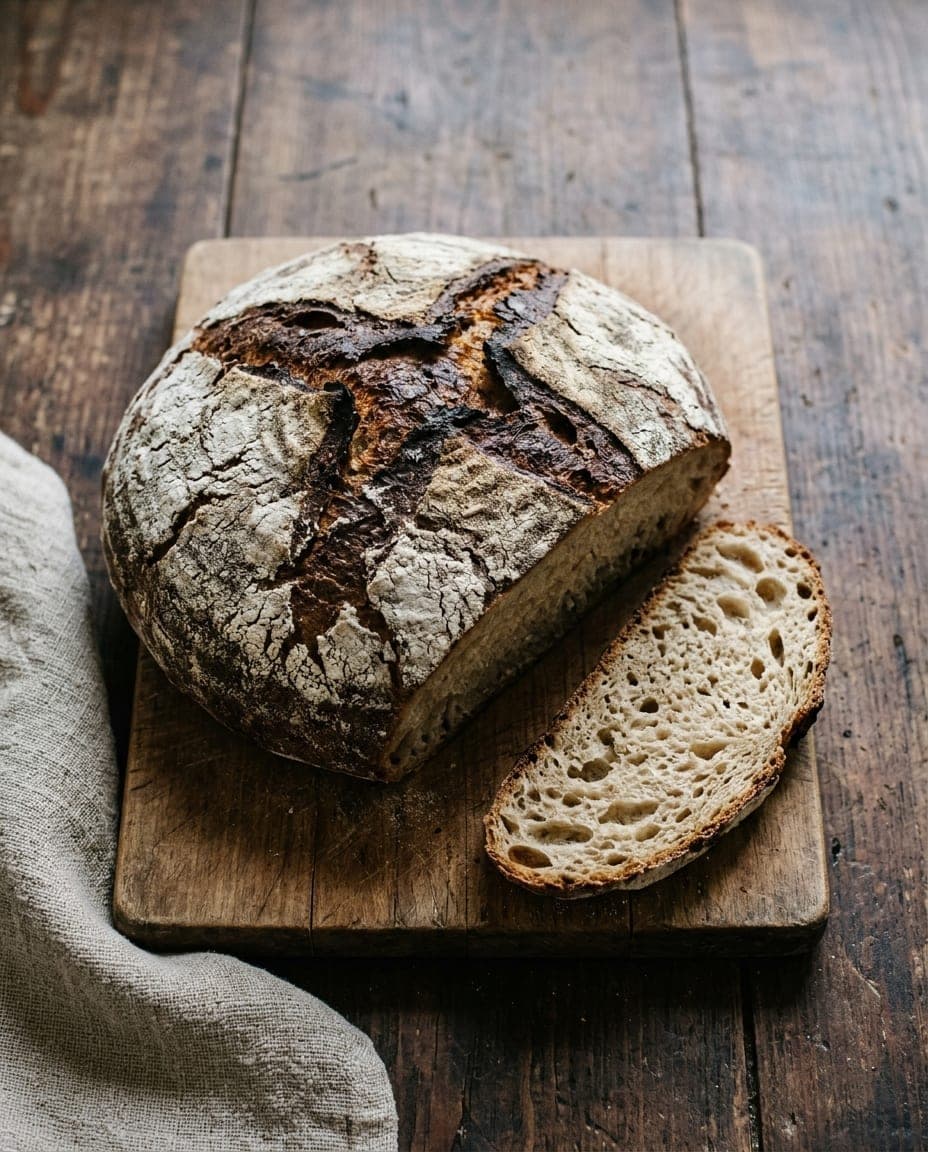
Pan de Neda is a wheat bread from the small Galician town of Neda, situated at the head of the Ferrol estuary in northern Spain. It is not a nationwide staple but a specific local speciality that marks the town's long connection to wheat, milling and baking. The bread is known for its firm crumb, strong flavour and the way it remains good to eat for several days.
This bread is a product of the area's history. In the Middle Ages Neda was known as Galicia's "capital of wheat", thanks to the many water mills along the Belelle river, whose clear water was credited with producing very white flour. In the 16th century Philip II established the Casas Reales in Neda, royal ovens that baked biscuit and provisions for the Spanish navy. Pan de Neda carries this tradition into the present: a hand-kneaded loaf, made by a handful of local bakeries, designed to sustain a household for days rather than to be eaten immediately as a snack.
How it is made
The process relies on traditional methods rather than industrial machinery. The dough is still kneaded by hand, and the flour comes from Galician wheat, contributing to the loaf's texture and taste. Traditional Galician breads of this kind are typically leavened with a starter and given a long fermentation, which shapes the flavour and the keeping quality.
The mills on the Belelle no longer grind the town's grain, and modern ovens have joined the old methods, but the bakers' know-how has been passed down through generations. Around seven bakeries in the town still make the bread, and Pan de Neda holds a quality mark that recognises its local character. The firm crumb and well-baked crust allow the loaf to keep for days without going stale, a practical necessity in a time when bread was baked less frequently.
How it is eaten
Pan de Neda serves as the foundation for many meals in the area. Its sturdy structure and long keeping mean it is often sliced thickly to accompany a wide variety of dishes. It pairs particularly well with local cheeses, which are abundant in Galicia, and its distinct flavour complements them without overpowering them.
Another standard companion is the empanada, a large savoury pie filled with fish or meat, served alongside slices of bread to make a complete meal. The loaf is also simply eaten with butter or olive oil, its firm texture holding up well against simple toppings.
Curious facts
- A bread that lasts. Unlike many breads that are best eaten on the day they are baked, Pan de Neda is known for staying good for several days.
- Bread for the navy. In the 16th century Philip II set up royal ovens in Neda that baked ship's biscuit for the Spanish fleets.
- The river's role. The Belelle river powered the mills, and its pure water was long credited with the whiteness of Neda's flour.
- Festival tradition. Since 1991 the town has held the Festa do Pan de Neda on the first Sunday of September, a festival declared of tourist interest in Galicia.
- A local anchor. While Galicia produces many types of bread, Pan de Neda remains closely identified with the Ferrol estuary area.
Where to try it
The most authentic version of this bread is found in the bakeries of Neda itself. These small establishments are the heart of the town's culinary identity, baking fresh loaves daily for local families and visitors. The bread may also appear in shops further afield, such as in Ferrol, about 7 km away, but buying it in Neda is the most complete experience.
The Festa do Pan de Neda, on the first Sunday of September, brings together bakers and residents to honour the craft, with tastings and a guided walk along the Belelle past the restored mills. For travellers passing through Ferrol or walking the English Way of the Camino de Santiago, which passes through the town, a stop at a Neda bakery is a natural way into the area's food culture.
Where to try it
1 destination
 Panoramic Trains
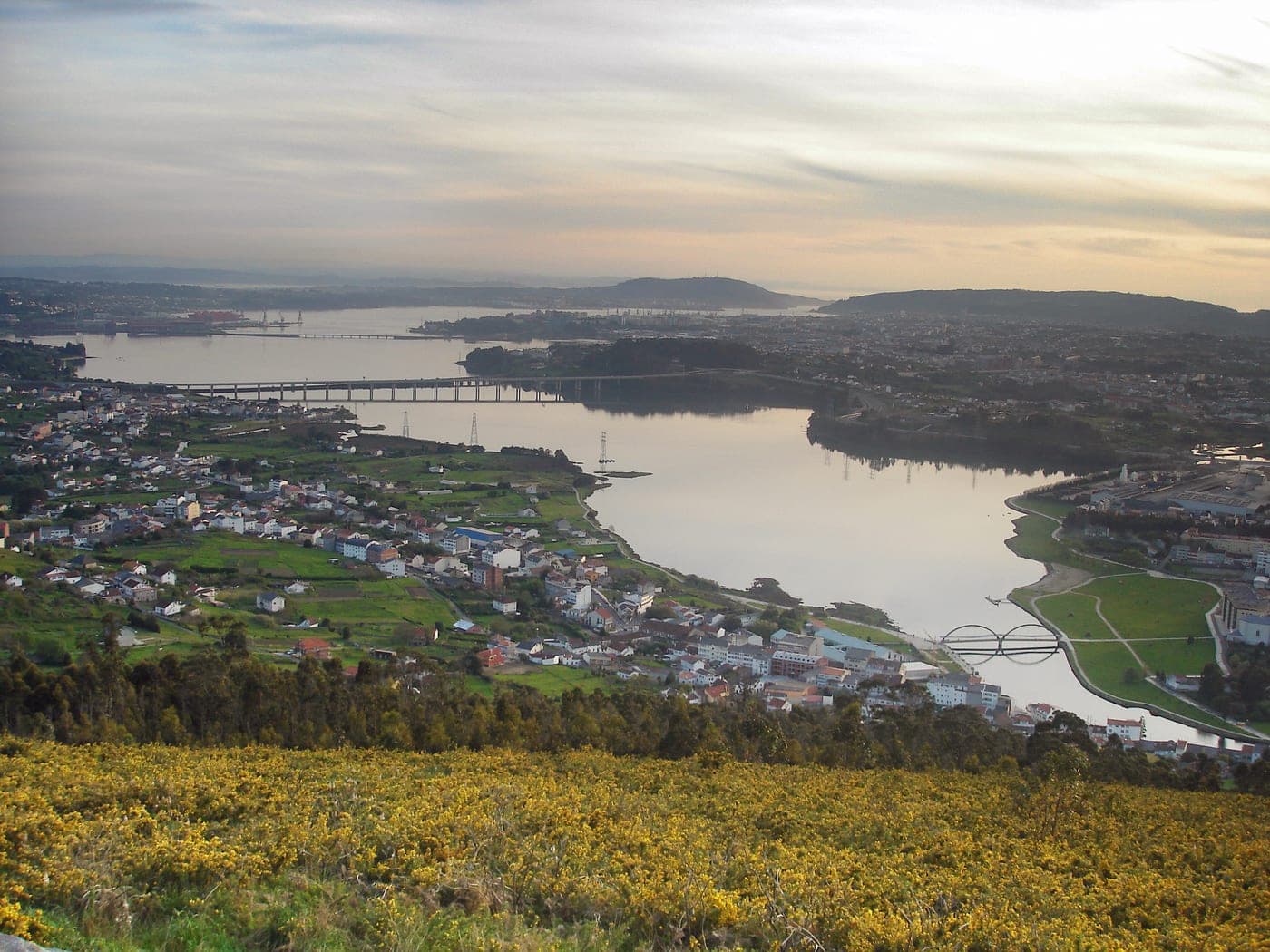
Ferrol
Historic naval port with neoclassical architecture and maritime heritage.
Panoramic TrainsHiking
1 region
 Panoramic Trains8 destinations
Galicia
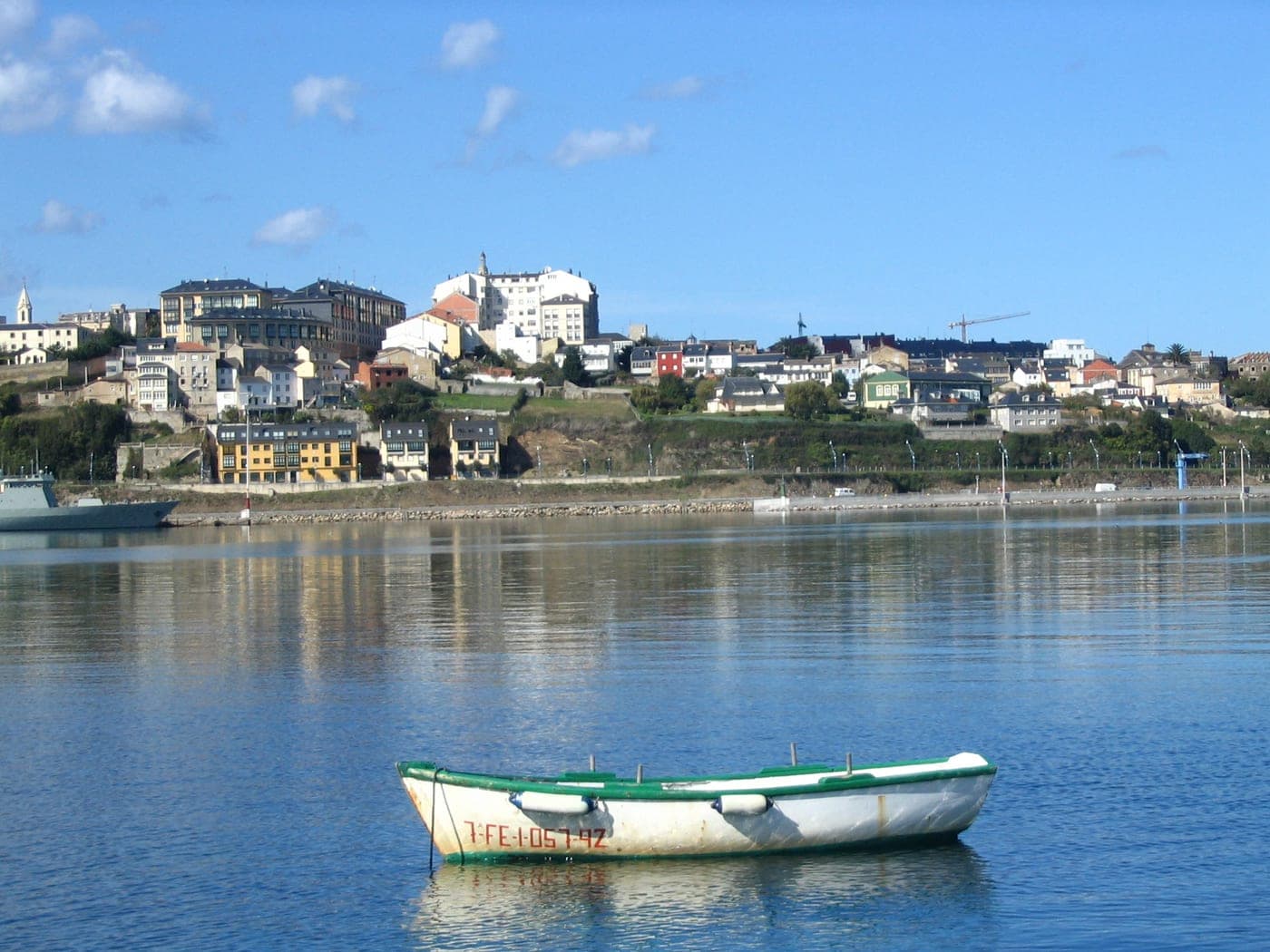
This region is the largest in Spain, featuring a stunning coastline along the Atlantic Ocean. Known for its rich Celtic heritage, Galicia boasts historical towns like Santiago de Compostela, famous for its pilgrimage routes and the impressive cathedral. The Rías Baixas area is celebrated for its Albariño wine, while the rugged shores offer scenic beauty, including the dramatic cliffs of the Costa da Morte. Traditional crafts, such as pottery and weaving, reflect the local culture. Visitors can explore lesser-known villages like Combarro and O Cebreiro, which showcase ancient architecture and regional gastronomy. Unique festivals, such as the Romería de San Juan, highlight local traditions and community spirit, making this region a treasure trove for those seeking depth in their travels.
Panoramic TrainsHikingWine TastingLocal Cuisine