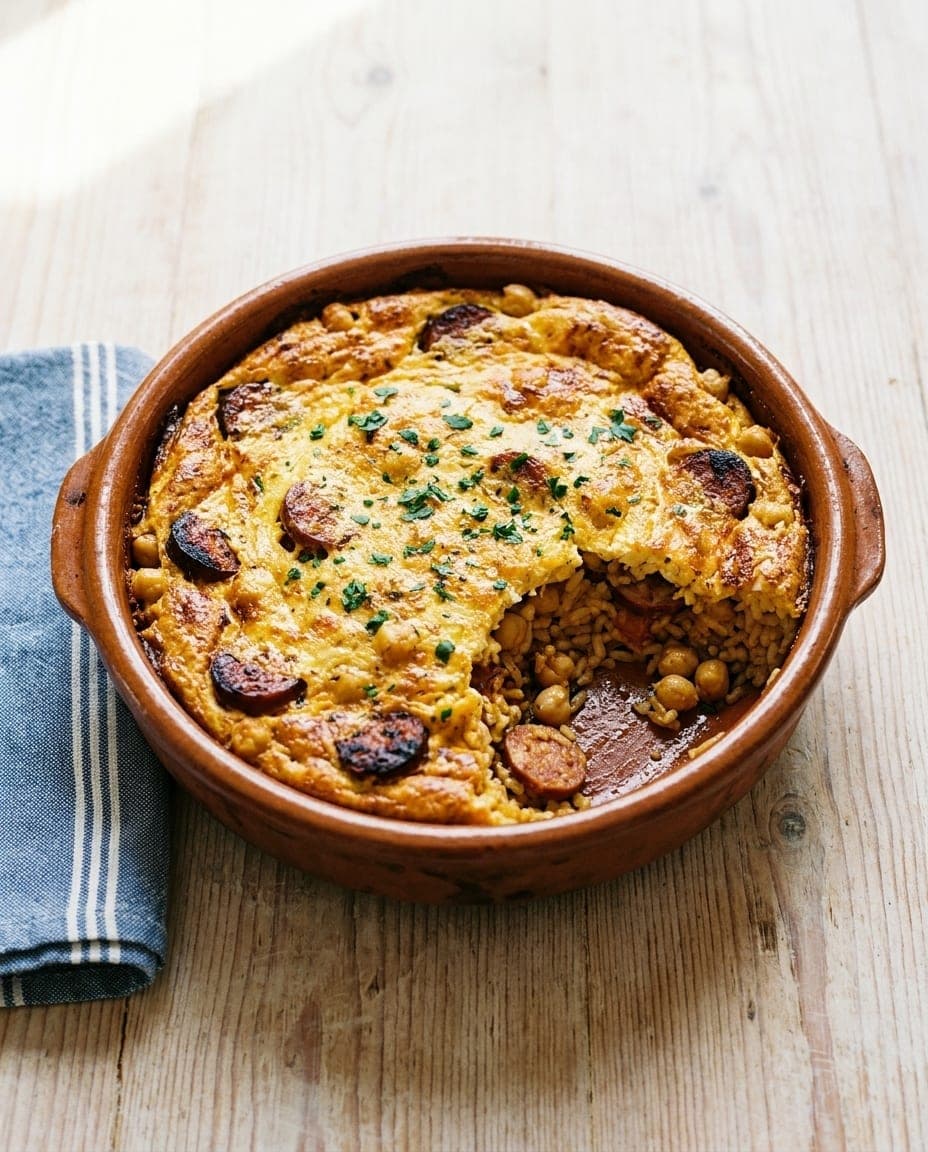
Pa amb tomàquet
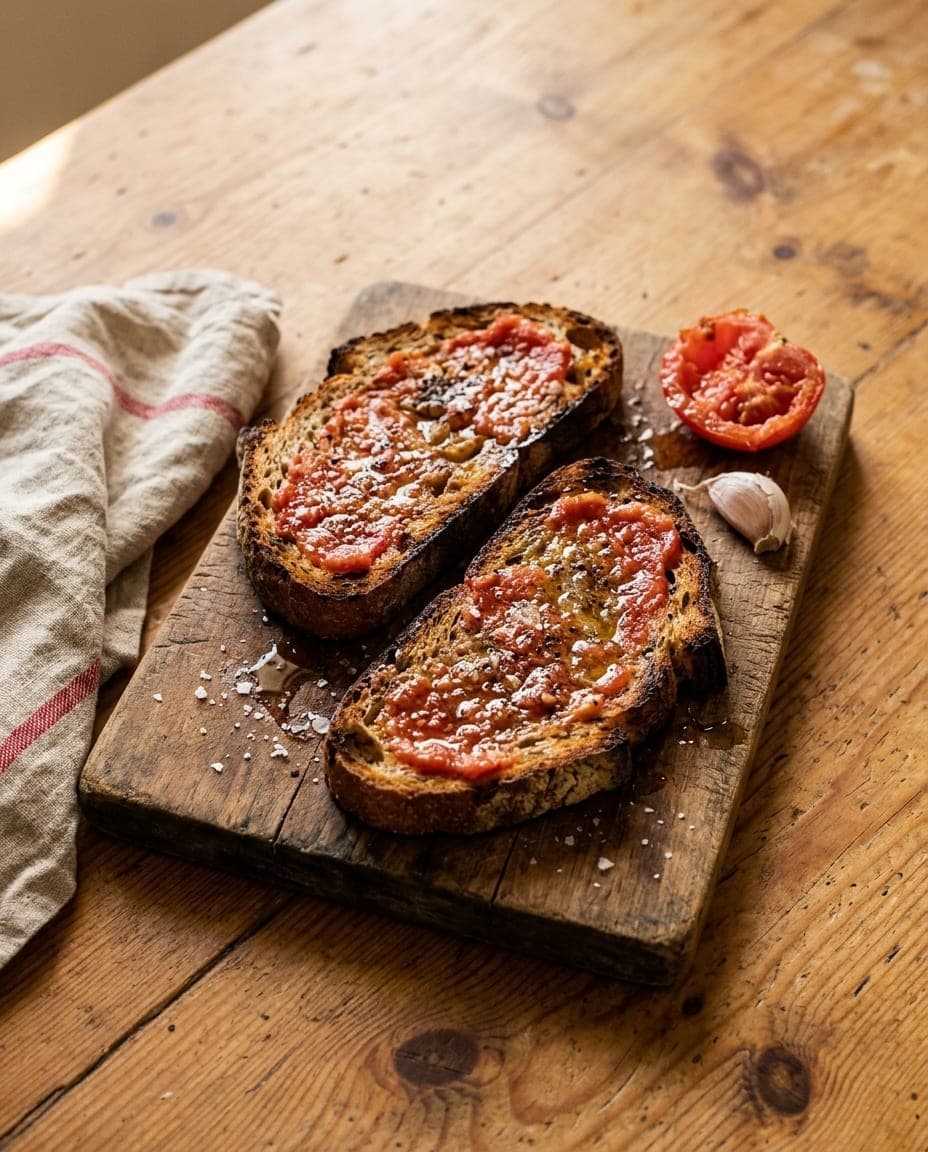
A slice of rustic country bread rubbed with ripe tomato, olive oil and salt
- Vegetarian
- Local name
- Pa amb tomàquet
- Served with
- Jamón, fuet, anchovies
- Best eaten at
- A Catalan tapas bar
- Pairs with
- Cava or Penedès white
What it is
Pa amb tomàquet is the most ordinary yet most essential dish in Catalonia. It consists simply of a slice of country bread, often toasted until crisp on the outside but soft within, which is then rubbed with a ripe tomato, drizzled with olive oil and sprinkled with salt. The name translates literally as "bread with tomato", but the preparation is far more specific than a mere topping. The tomato is cut in half and pressed firmly against the bread so that its pulp and juice soak into the crumb rather than sitting on top. This is not a chopped salad or a bruschetta piled high with toppings; it is an act of rubbing, where the bread absorbs the flavour directly from the fruit.
The dish appears everywhere in Catalonia, from the busy streets of Barcelona to remote mountain villages in the Pyrenees. It is a staple that defines the region's food culture more than any complex stew or pastry. Locals eat it at breakfast, as a snack during the day, and as a base for various toppings alongside their main meal. The quality of the bread and the ripeness of the tomato are what matter most, making it a dish where the cook must be honest about the ingredients.
The origins of the rubbed bread
The history of pa amb tomàquet is rooted in everyday Catalan home cooking rather than any specific historical event. Bread rubbed with garlic and oil was eaten long before tomatoes arrived from the Americas, and a common explanation is that tomato was later added as a way to moisten and flavour hard or day-old bread. The earliest written reference usually cited dates from 1884, though it is hard to verify, and the dish was celebrated a century later in Leopold Pomés's book Teoria i pràctica del pa amb tomàquet (1985).
The tomato variety traditionally used is the tomàquet de penjar, or "hanging tomato". These are small, thick-skinned fruits that are hung in bunches from beams or hooks to keep through the autumn and winter. The firm skin protects the fruit and lets it keep for months, while the pulp stays juicy enough for rubbing. Modern shops supply softer varieties year-round, but the hanging tomato remains the classic choice.
The practice spread from rural households to the cities, where bread was a daily necessity for workers and the dish became a quick meal that could be prepared in minutes. Because anyone with bread, tomatoes, oil and salt could make it, it became a favourite across all social classes.
How it is made in practice
A slice of country bread, often from a pa de pagès or similar rustic loaf, is lightly toasted, though some prefer it untoasted and fresh. A ripe tomato is cut in half and its cut side rubbed firmly against the bread. The pressure forces the juice and pulp into the pores of the crumb until the bread is stained red.
The bread is then finished with a pinch of salt and a generous drizzle of extra virgin olive oil; purists such as Pomés insisted on salting before the oil so the salt sticks. Some versions include a clove of garlic, rubbed on the toast before the tomato to impart a subtle aroma, though this is optional and depends on personal preference.
If the tomato is merely sliced on top or spread with a knife, it is considered a different preparation. The rubbing ensures that the bread acts as a vessel for the tomato's flavour. It also requires ripe fruit: an underripe tomato will not release enough juice, leaving the slice dry.
Where it is eaten
Pa amb tomàquet is found in every kind of establishment in Catalonia, from the simplest bar to the most elegant restaurant. In Barcelona, it is a standard offering at the counter of any traditional tapas bar and a common part of breakfast, alongside a cup of coffee. Because it is so simple, there is nowhere to hide, and many diners judge a kitchen by how carefully it is made.
It is also eaten as a base for other foods. Slices are topped with cured meats such as jamón (cured ham) or fuet (a thin dry-cured sausage), with cheese or with anchovies, and it is served alongside grilled fish, meat and botifarra.
What goes with it
Topped with jamón, it becomes a substantial tapa, where the saltiness of the cured meat complements the sweetness of the tomato. The dish pairs naturally with Catalan wines. A glass of Cava, the region's sparkling wine, refreshes the palate after the olive oil. Alternatively, a white wine from the Penedès offers a crisp contrast that highlights the acidity of the tomato. Beer is also common in casual settings, particularly during the warmer months when the dish is eaten outdoors.
Curious facts
- Rub, don't spread. The preparation does not involve spreading the tomato with a utensil; rubbing with the fruit itself is essential to the dish's identity and distinguishes it from other tomato toasts.
- Island cousins. In Mallorca and Ibiza the related pa amb oli is often made by rubbing or topping bread with tomàtiga de ramellet, another hanging tomato.
- The winter tomato. The traditional tomàquet de penjar was hung to keep through the cold months, so households could still make the dish when fresh tomatoes were out of season.
- A cheap luxury. Pomés liked to point out how little a slice cost, yet how versatile it was, eaten at any meal of the day.
Where to try it
The best place to eat pa amb tomàquet is in a traditional Catalan tapas bar. In Barcelona, this means looking for bars in the Gothic Quarter, El Born or Gràcia where locals gather rather than just tourists. Outside the city, the dish is equally common in small towns across Catalonia. In the Penedès, near the vineyards, it is often served with wine from local producers. In the Pyrenees, it is a familiar start to the day or a quick snack after a hike.
Where to try it
1 destination
 Camper Van Rentals
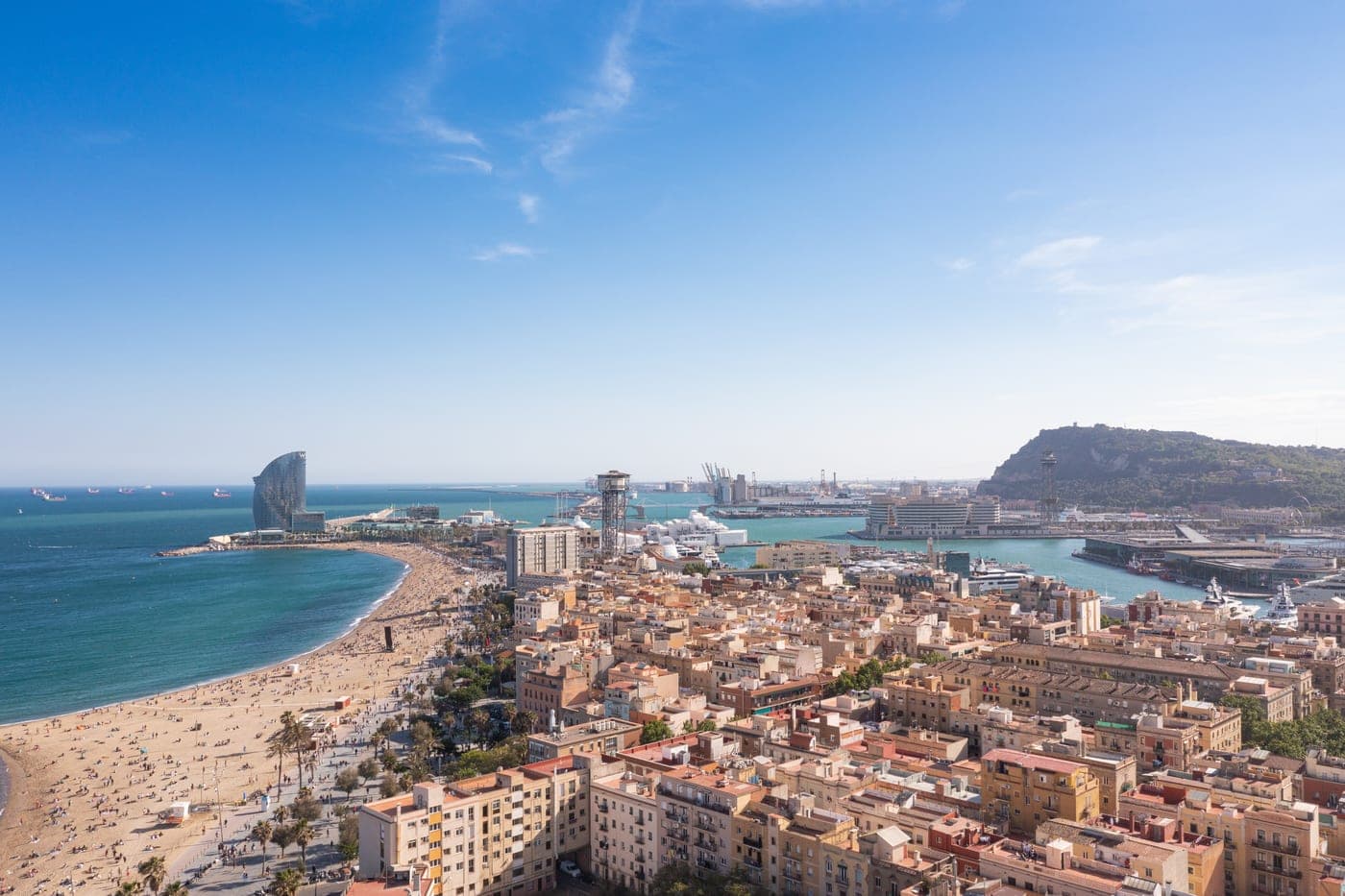
Barcelona
Vibrant city with Gaudí's architecture, lively markets, and Mediterranean beaches.
Camper Van RentalsHiking
1 region
 Wine Tasting21 destinations
Catalonia
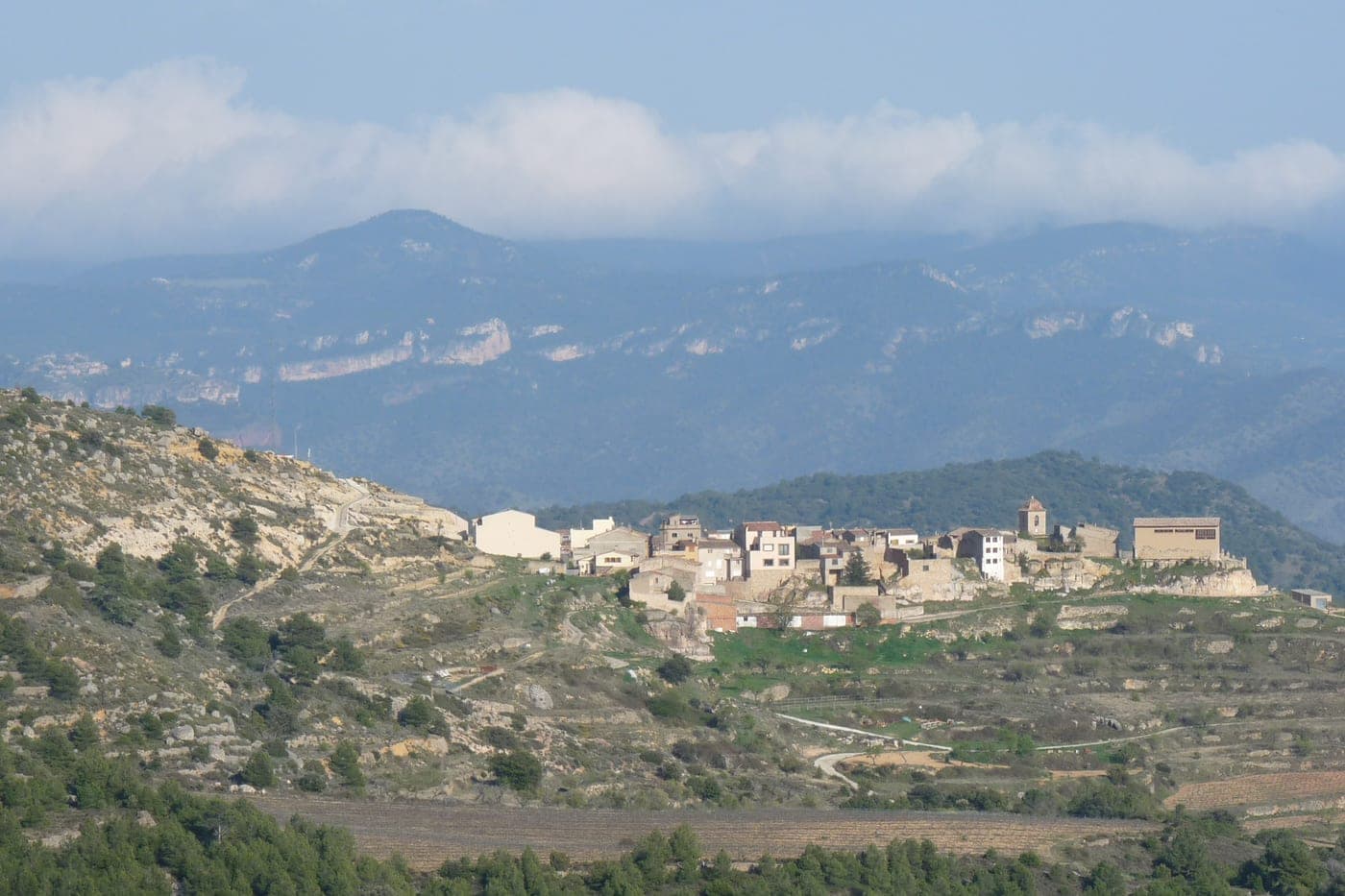
Catalonia stretches from the high Pyrenees down to the Mediterranean, and that range gives it a slow-travel character all its own: stone villages tucked into mountain valleys, a jagged coastline of small harbours, and an inland plain still shaped by farming and pilgrimage. Barcelona sits at one edge of the region, but Catalonia's quieter identity is built elsewhere — in places most visitors reach only if they choose to look beyond the capital. In the north, the Pyrenean valleys hold Romanesque churches and hamlets built from dark local stone, many still working farming communities. Villages like these keep a rhythm set by the seasons and the land, and walking between them reveals bell towers and hay meadows. Further south and inland, the Camí de Sant Jaume, a Catalan branch of the Camino de Santiago, crosses rolling wheat country and passes through small towns built around a church square. The coast has its own version of slowness. Cadaqués, with its whitewashed harbour houses and steep lanes, once drew Dalí and other artists. The Costa Brava's smaller coves still keep this feel in the off-season: fishing boats pulled up on shingle, a handful of restaurants serving the day's catch, cliff paths connecting one cove to the next. Inland from the coast, medieval towns like Besalú preserve their fortified bridges and Jewish quarters largely intact. Catalonia's regional cuisine reflects this pace. Cava is made using the same traditional method as Champagne, and small family cellars around Sant Sadurní d'Anoia still open their doors for tastings. Calçotada season, when charred spring onions are dipped in romesco sauce and eaten by hand, is a communal meal built around fire and patience. Elsewhere, pa amb tomàquet, botifarra sausage, and mountain cheeses reflect a cuisine shaped by both the sea and the high pastures. History runs close to the surface here. Poblet Monastery, one of Catalonia's Cistercian foundations, still follows a monastic routine largely unchanged for centuries, and some of Gaudí's early works outside Barcelona show the same architectural language in quieter settings. A handful of Catalan paradors occupy restored castles and monasteries — the one at Cardona, built into a medieval fortress on a hilltop, is among the most striking examples of this in Spain. Mountain villages, pilgrim paths, whitewashed coves, cava cellars, and monastery towns give Catalonia a landscape suited to slow travel: a dialect (Catalan) still spoken in daily life, a cuisine tied closely to what grows and grazes nearby, and villages that have kept their own pace as the region around them has modernised.
Wine TastingBoat RentalsHikingCamper Van Rentals