Gamba roja de Dénia
Dénia's deep-water red prawn, cooked simply with salt
- Local name
- Gamba roja de Dénia
- Served with
- Coarse salt
- Best eaten at
- A Dénia harbour restaurant
- Pairs with
- Dry Muscat or cava
What it is
The gamba roja de Dénia is a deep-water red prawn (Aristeus antennatus) landed at the port of Dénia on Spain's Alicante coast, from fishing grounds in the sea between Cap de Sant Antoni and Ibiza. It is not a species unique to this spot alone, as it is fished along much of Spain's Mediterranean coast, but the Dénia catch has the strongest reputation of all and commands some of the highest prices of any Spanish shellfish.
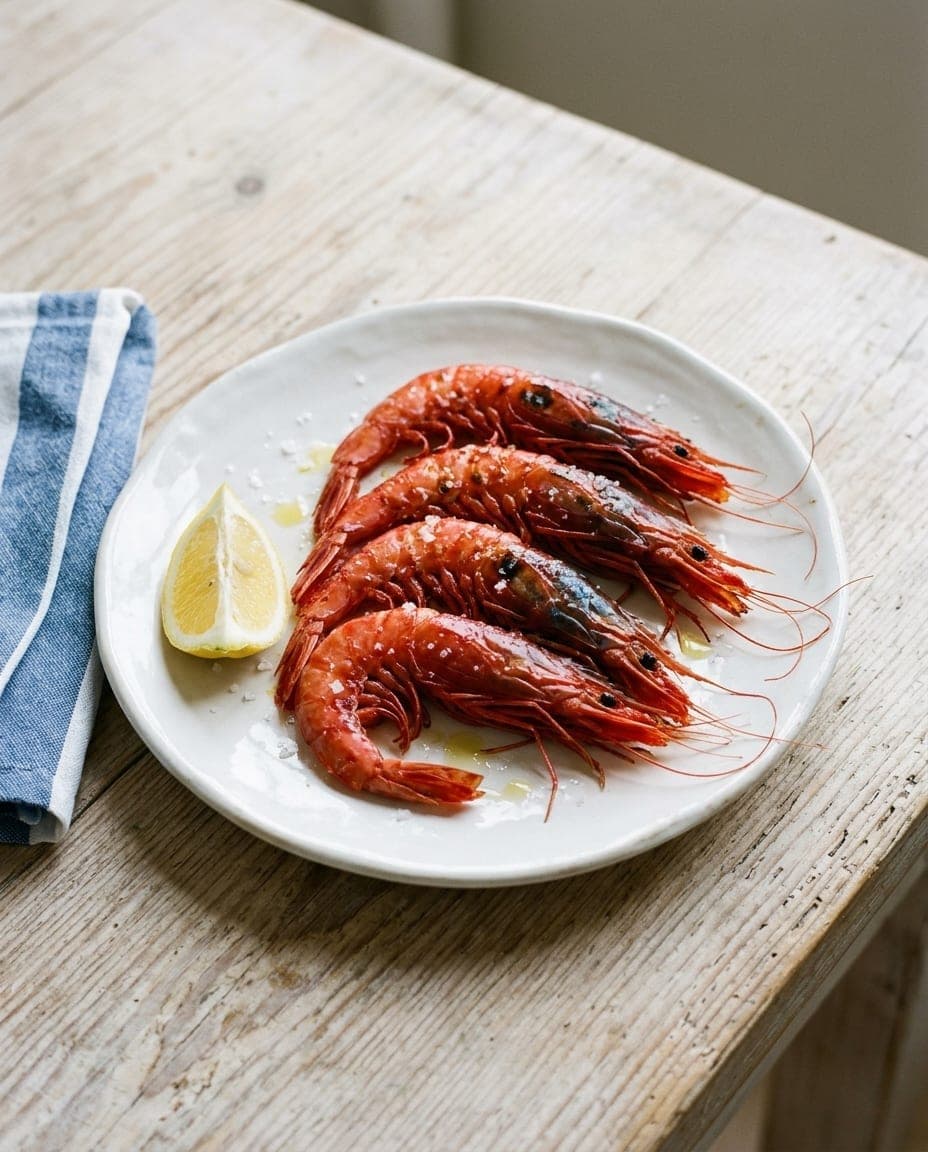
The shell is a deep, glossy red. The flesh is firm and sweet, but much of the attention lies in the head, which holds dark, intensely flavoured juices that diners suck out after eating the tail.
The preparation is defined by what it does not include. There is no butter, no garlic, no lemon juice and no heavy sauce. The classic method is a brief boil in sea water; the prawns are also cooked on a hot metal griddle known as a plancha. Either way, they are served with nothing but salt, as anything more would obscure the natural flavour that makes this catch special.
Where it comes from
The gamba roja is caught in deep water, around 600 metres down, far beyond the shallow coastal beds where many other prawns are harvested. A small fleet of Dénia trawlers works these grounds daily. The deep-water origin is part of why the catch is so valued; it is a wild prawn that cannot be farmed.
The town of Dénia has built much of its culinary identity around this catch. In 2015 it was named a UNESCO Creative City of Gastronomy, a recognition of the wider food culture of the Marina Alta, in which the red prawn is the most famous single product.
The daily landing of these prawns is followed closely at the port's fish auction, where prices fluctuate with the size and quality of the catch. The prawns are graded by size, with the largest fetching the highest prices. While other parts of the Valencian coast have their own seafood traditions, the red prawn of Dénia stands apart as a local speciality rather than a nationwide dish.
How it is cooked and served
The cooking method is a study in restraint. For the boiled version, the prawns go into salted water or sea water for barely a minute and are then cooled quickly in iced water, so that they reach the table cool or just above room temperature rather than piping hot. Overcooking would ruin the delicate sweetness and the firm texture that defines the prawn.
On the plancha, the prawns are laid on a very hot griddle, often over a scattering of coarse salt, and cooked only until the flesh turns opaque. They come to the table straight away, with a little coarse salt on the side.
There is no accompanying sauce or garnish. The diner peels the shell and eats the meat directly, perhaps with a pinch of salt. The head is treated with equal care; sucking out the dark juices is considered the best part, holding the most concentrated flavour of the sea.
How to eat it
The classic setting is a harbour restaurant in Dénia, where eating the prawns within sight of the port connects the diner directly to the source of the catch. A typical meal involves a plate of prawns, perhaps with fresh bread or a simple salad, but the prawns themselves remain the centre of attention.
The tail is held and the shell peeled back carefully; the meat is best eaten on its own. The head is not discarded. Instead, it is brought to the lips and the dark liquid inside is sucked out, a step considered essential for tasting the full intensity of the prawn.
The dish pairs naturally with a dry Muscat from the Marina Alta or a glass of cava. The acidity and crispness of these wines cut through the richness of the head juices without overpowering the delicate sweetness of the meat. A cold beer is also common.
What goes into it
The ingredients list is short because the dish relies on the quality of the single main component:
- Gamba roja de Dénia: The deep-water red prawn itself.
- Coarse salt: Used for griddling and as a seasoning at the table.
- Sea water: Used for boiling, providing a natural brine that enhances the prawn's flavour.
There is no butter, no oil, no herbs and no spice beyond the salt. The simplicity is deliberate, designed to highlight the characteristics of the deep-water catch.
Curious facts
- The head holds the flavour. The dark juices inside the head are what many regulars consider the best part of the prawn.
- Deep water matters. Unlike prawns caught in shallow coastal waters, the gamba roja is trawled from depths of around 600 metres.
- A UNESCO city. Dénia became a UNESCO Creative City of Gastronomy in 2015, and the red prawn is its best-known ambassador.
- Sold by size. At the Dénia fish auction the prawns are graded by size, with the biggest commanding the steepest prices.
- No recipe needed. There is no standard method beyond the basic boiling or griddling; the quality of the prawn does the work.
Where to try it
The best place to eat gamba roja de Dénia is a harbour restaurant in Dénia itself. Many are small, family-run spots where the prawns arrive from the boats that landed them that day, and the view of the fishing fleet adds context to the meal.
While the prawn is available in other parts of Spain, eating it in Dénia brings the diner as close to the source as possible. A plate of these prawns, eaten fresh with a glass of dry Muscat, offers a taste of the Alicante coast that is difficult to match elsewhere.
Where to try it
1 destination
 Boat Rentals
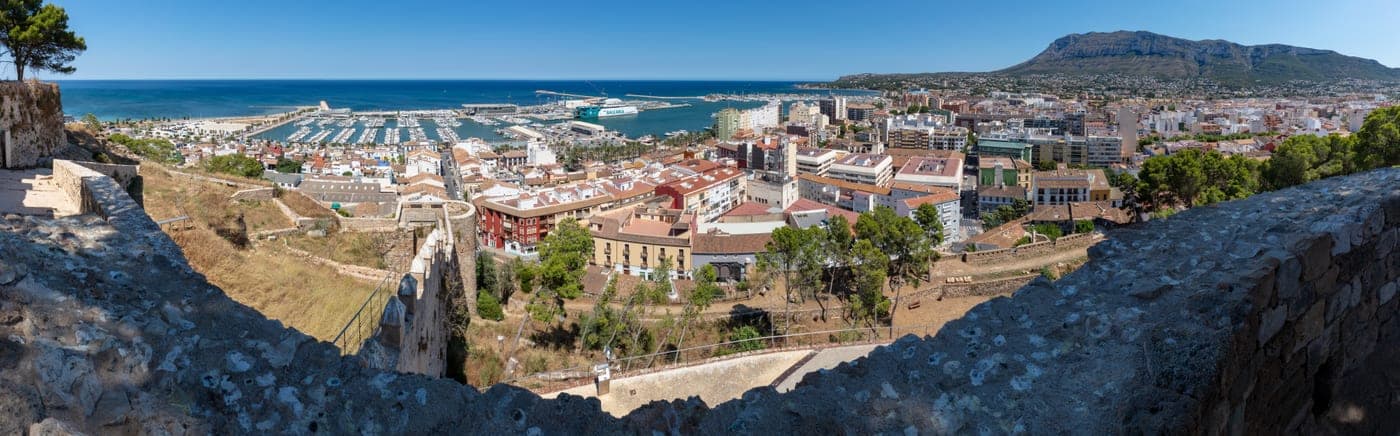
Dénia
Historic coastal town known for its castle, beaches, and gastronomy.
Boat RentalsHiking