Gachas manchegas
La Mancha's winter porridge of grass-pea flour, paprika and pork
- Local name
- Gachas manchegas
- Pairs with
- La Mancha red
What it is
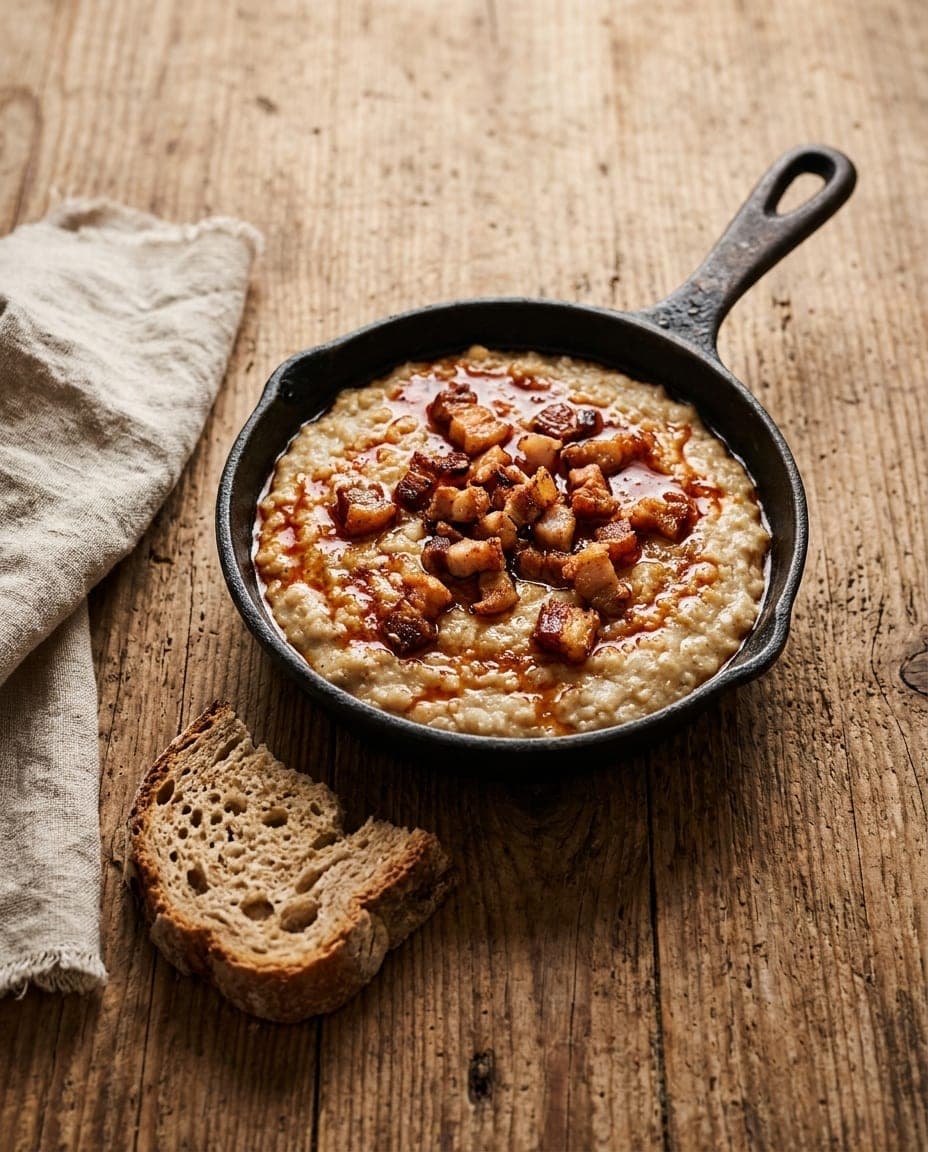
Gachas manchegas are a thick, rustic porridge native to the vast plains of La Mancha in central Spain. They are not a light starter or a sweet dessert, but a substantial winter meal born from the needs of shepherds and farm labourers working the dry, windy fields. The dish relies on almorta, flour milled from the grass pea, a hardy legume that tolerates poor soil and drought better than wheat.
The result is a dense, creamy mixture with a deep orange hue from generous amounts of paprika (pimentón). The flour is toasted in garlic-scented olive oil, then cooked with water until the porridge thickens and starts to pull away from the sides of the pan. Unlike many grain-based dishes served in bowls, gachas manchegas are traditionally eaten directly from the communal cooking vessel using a spoon, often topped with pieces of fried pork belly (torreznos), chorizo or liver, with bread on the side.
The texture is thick and comforting, designed to provide warmth and energy during the coldest months between November and February. It is a dish that speaks of the land itself: simple ingredients, slow cooking, and a focus on sustenance rather than refinement. While it has become a regional speciality found in taverns across Castilla-La Mancha today, its roots lie firmly in the history of rural survival.
The history of the grass pea
The story of gachas manchegas is tied to the resilience of the almorta plant and the difficult agricultural history of La Mancha. This legume was a staple for centuries because it could grow where other crops failed, providing food during lean times when wheat was scarce or too expensive. For the working people of the region, it was a reliable source of calories that required little more than water, oil and paprika to become a meal.
However, the history of this dish carries a serious note regarding public health. In the post-war years, when food shortages were severe in Spain, almorta flour became a dietary staple for many families. Prolonged consumption of large quantities of grass pea flour can lead to lathyrism, a condition affecting the nervous system that causes paralysis. After outbreaks in the 1940s, Spain banned the sale of almorta for human consumption, a ban that stayed on the books for decades and was only lifted in recent years.
Today, the flour is sold again for occasional use in traditional dishes like gachas manchegas rather than as a daily staple. The dish remains a symbol of La Mancha's agricultural past, acknowledging both the ingenuity of using available resources and the historical challenges that shaped local diets.
What goes into it
The preparation is straightforward, relying on the quality of a few key components rather than complex technique. While every cook in La Mancha may have their own variation, the core elements remain consistent:
- Almorta flour, the ground seeds of the grass pea, which form the thick base of the porridge.
- Olive oil, used generously to fry the garlic and bind the flour into a smooth, cohesive mass.
- Paprika, often in generous amounts, giving the dish its characteristic colour and flavour.
- Garlic, fried until soft to infuse the oil before the flour is added.
- Fried pork, typically pork belly (panceta or torreznos), chorizo or liver, fried first in the same oil and returned to the pan at the end.
- Bread, served alongside for scooping, or fried into crisp picatostes in some homes.
The mixture is cooked slowly, allowing the flour to absorb the oil and water until it reaches a consistency that holds its shape on a spoon. It is not a soup, but a thick stew of sorts, designed to be eaten warm and straight from the pan.
How to eat it
Gachas manchegas are almost exclusively a winter dish, served in taverns and rural restaurants during the coldest months when the wind sweeps across the plains. They are typically presented in a large clay or metal pot placed at the centre of the table, with diners serving themselves directly from the communal vessel. This style of eating reflects the dish's origins as a shared meal for groups working outdoors together.
The porridge is eaten hot, often accompanied by a slice of bread to scoop up the last bits of oil and flour. It pairs naturally with La Mancha red wine, which has the body to match the fat of the dish. The combination of paprika, salty pork and the earthy taste of grass pea creates a taste that is deeply satisfying without being overly heavy.
Some modern versions include additional vegetables or herbs, but the traditional approach keeps the focus on the texture of the flour and the depth of the oil. It is a dish that demands attention to the temperature; it must be eaten while warm to appreciate its full consistency.
Curious facts
- A communal vessel. The porridge is traditionally served in the same pot it was cooked in, encouraging diners to eat together from a single source rather than individual bowls.
- The winter season. It is rarely found on menus outside the period from November to February, as it is tied to the cold weather, when a hot, filling pan of gachas is most welcome.
- Health history. Spain's long ban on selling almorta flour for human consumption was a response to lathyrism outbreaks after the Civil War, a serious condition linked to prolonged consumption of the legume.
- Regional identity. While similar porridges exist elsewhere in Spain, gachas manchegas are distinct to La Mancha and remain a marker of local identity for shepherds and farmers.
Where to try it
1 region
 Wine Tasting5 destinations
Castilla-La Mancha
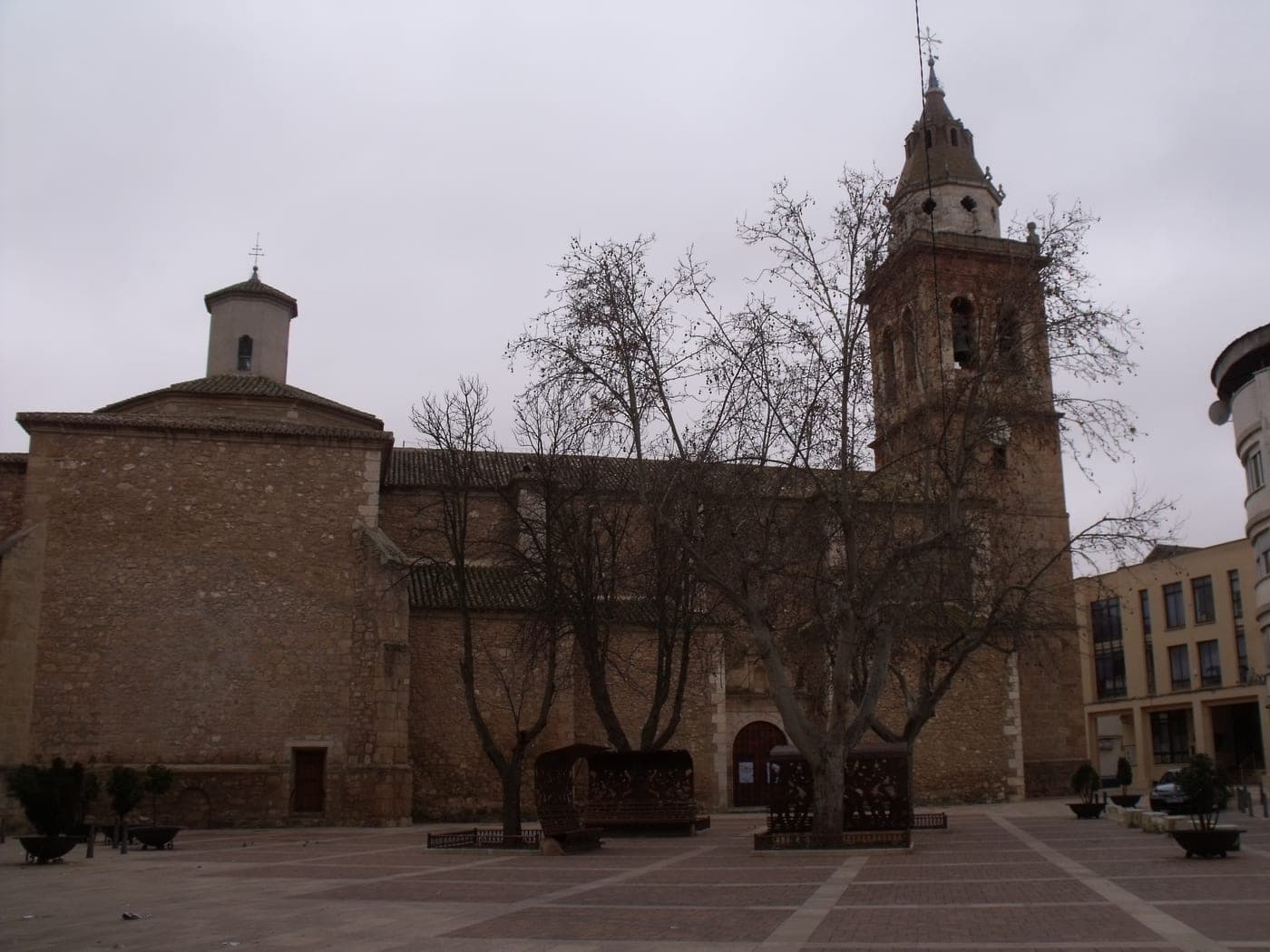
This is Spain's largest region, known for its vast plains and historic cities. Toledo, a UNESCO World Heritage site, showcases a blend of Christian, Muslim, and Jewish architecture, while Cuenca is famous for its hanging houses and modernist art. The region is also noted for its artisanal cheese, saffron production, and robust wines like Tempranillo. Scenic landscapes such as the Tablas de Daimiel National Park offer rich biodiversity. Explore the small towns of Alcázar de San Juan and Consuegra, where windmills dot the horizon, echoing the tales of Don Quixote. The region's festivals, particularly in spring and autumn, celebrate local traditions and gastronomy, providing deeper cultural connections.
Wine TastingHikingLocal Cuisine





