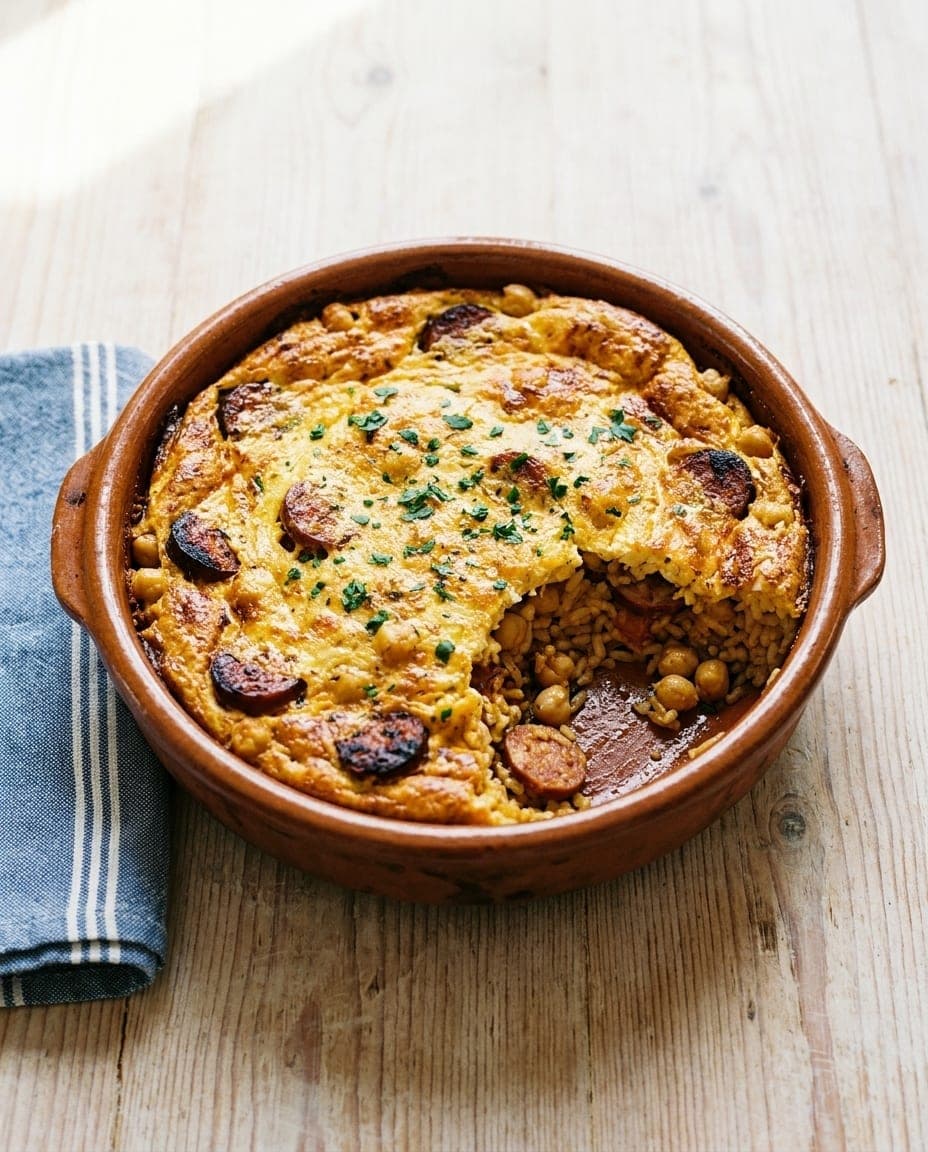
Fabada asturiana
A winter stew of white beans and cured pork from Asturias
- Local name
- Fabada asturiana
- Served with
- Crusty bread
- Best eaten at
- An Asturian sidrería
- Pairs with
- Asturian cider (sidra natural)
What it is
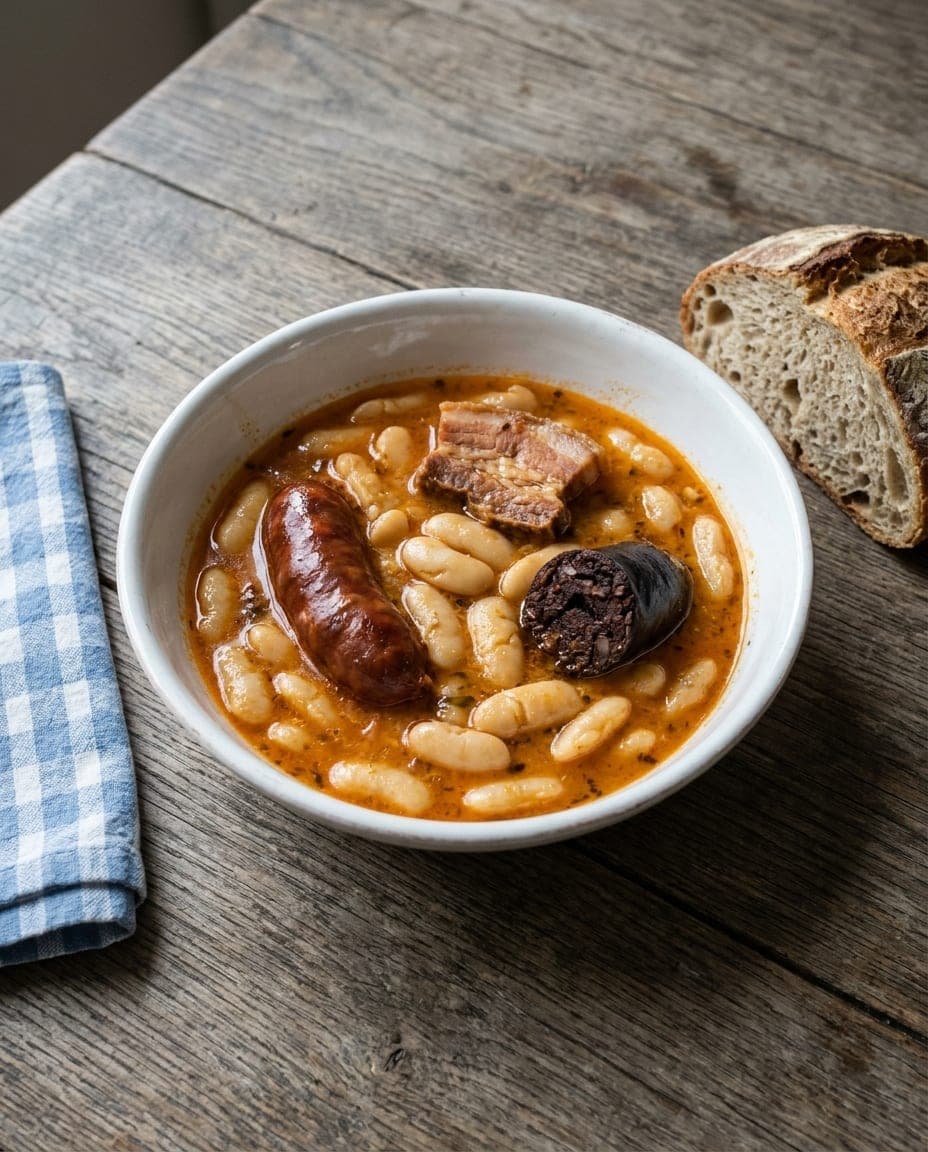
Fabada asturiana is the defining dish of the northern Spanish region of Asturias. It is a thick, creamy stew built around fabes, large, flat white beans of the traditional Granja Asturiana variety. The beans are cooked slowly until they turn creamy in a rich broth, enriched with the compango — a selection of cured meats: chorizo, morcilla (the local smoked blood sausage), lacón (cured pork shoulder) and tocino (cured pork belly fat).
This is not a light starter or a quick lunch. It is a substantial meal designed for long days in the cold, mountainous north. A single bowl, often served with the meats arranged on a separate plate or cut into chunks within the pot, is enough to satisfy a grown appetite. The texture is key: the beans should be soft and creamy, not mushy, holding their shape while thickening the broth naturally.
While bean stews exist across Spain and Europe, the combination of Asturian fabes with the region's smoked sausages gives fabada a character of its own. It is a dish of deep comfort, where the smokiness of the meats blends with the earthy sweetness of the beans.
The origins of the bean stew
The history of fabada asturiana is tied to the agricultural rhythms of Asturias rather than to a single inventor or a specific date. Asturian farmers have long grown fabes in small family plots and on fertile river terraces, where the mild, damp maritime climate suits them. The beans are large, with a fine, soft skin, which makes them ideal for slow cooking.
The practice of curing and smoking meats in Asturias grew from the need to preserve pork from the autumn slaughter through the winter. The compango was the natural partner for the stored beans, and over time the preparation evolved from a rural household meal into a celebrated dish. Stories that the recipe was refined by the aristocracy of Oviedo remain unverified; its true origin lies in daily life in the countryside.
Today it is the food most widely associated with Asturias, appearing on menus in Oviedo, Gijón and throughout the valleys, and canned versions carry it all over Spain.
The ingredients that define it
The quality of a fabada depends on its components. The beans are the star, and for many cooks the variety is non-negotiable.
- Fabes: Large, flat, creamy-white beans. Those sold as Faba Asturiana carry a Protected Geographical Indication and must be grown in Asturias. They are soaked overnight before cooking, and their fine skins let them turn creamy without breaking apart.
- Chorizo asturiano: A smoked sausage made with pork, paprika and garlic, which gives the broth its colour and a deep, warm flavour.
- Morcilla asturiana: The Asturian blood sausage, made with pork fat, onion and paprika and smoked over wood. It adds a dark, earthy depth.
- Lacón and tocino: Cured pork shoulder and cured belly fat, usually soaked the night before. They provide the fat that keeps the dish rich.
- Saffron: A few threads are often added towards the end, along with salt.
The result is a stew that is both creamy and robust. The beans absorb the flavours of the meats, while the fat from the tocino and chorizo gives the broth body. It is not a vegetarian dish; the cured meats are central to its character.
How it is cooked
The goal is a perfect texture without breaking the beans. The soaked beans go into a wide, heavy pot with cold water, the lacón and the tocino. The cooking is done over a low heat, never allowing a rolling boil, which would split the delicate skins. The chorizo and morcilla are added in the later stages so that they flavour the broth without falling apart.
Instead of stirring with a spoon, which can damage the beans, the cook gently shakes the pot. Many cooks also "frighten" the beans (asustar) with a splash of cold water during cooking to keep the simmer gentle. The long, slow cooking lets the flavours meld, and the stew is usually left to rest before serving.
How to eat it
Fabada asturiana is traditionally served as a main course at lunch. It is best loved in autumn and winter, when the cold outside makes the warmth of the stew feel essential, though it is served all year. The meats are often brought on a separate plate alongside the beans, so diners can cut their own portions.
The most traditional companion is crusty bread, used to scoop up the beans and soak up the broth. In many places the meal ends with arroz con leche (rice pudding), another Asturian favourite.
The drink of choice is Asturian cider, sidra natural. This unfiltered, still cider is poured from a height to aerate it just before drinking, and its sharp acidity cuts through the richness of the stew. Red wine is also served in some settings, but cider remains the best-known pairing.
Curious facts
- The beans are protected. Faba Asturiana holds a Protected Geographical Indication, covering beans grown across Asturias.
- No stirring allowed. Shaking the pot instead of stirring keeps the beans intact while the broth thickens.
- The compango. The four cured meats cooked with the beans have their own name, compango, and are often sold together as a pack.
- Cider pouring. The sidra is poured from a height into the glass, a technique called escanciar, to release a brief sparkle.
- A shared meal. The generous portions and the communal style of serving reflect a tradition of sharing food among families and neighbours.
Where to try it
The best place to experience fabada asturiana is an Asturian sidrería, a traditional tavern that serves both cider and food. These establishments are common in Oviedo, the capital of Asturias, in Gijón and in smaller towns throughout the region.
Outside the cities, small restaurants in the valleys serve versions that reflect local preferences for the compango. The key is to seek out a place that specialises in traditional Asturian food. The dish is so central to the region's identity that almost any dedicated tavern will have it on the menu, but the quality depends on the cook's respect for the tradition.
Where to try it
1 destination
 Panoramic Trains
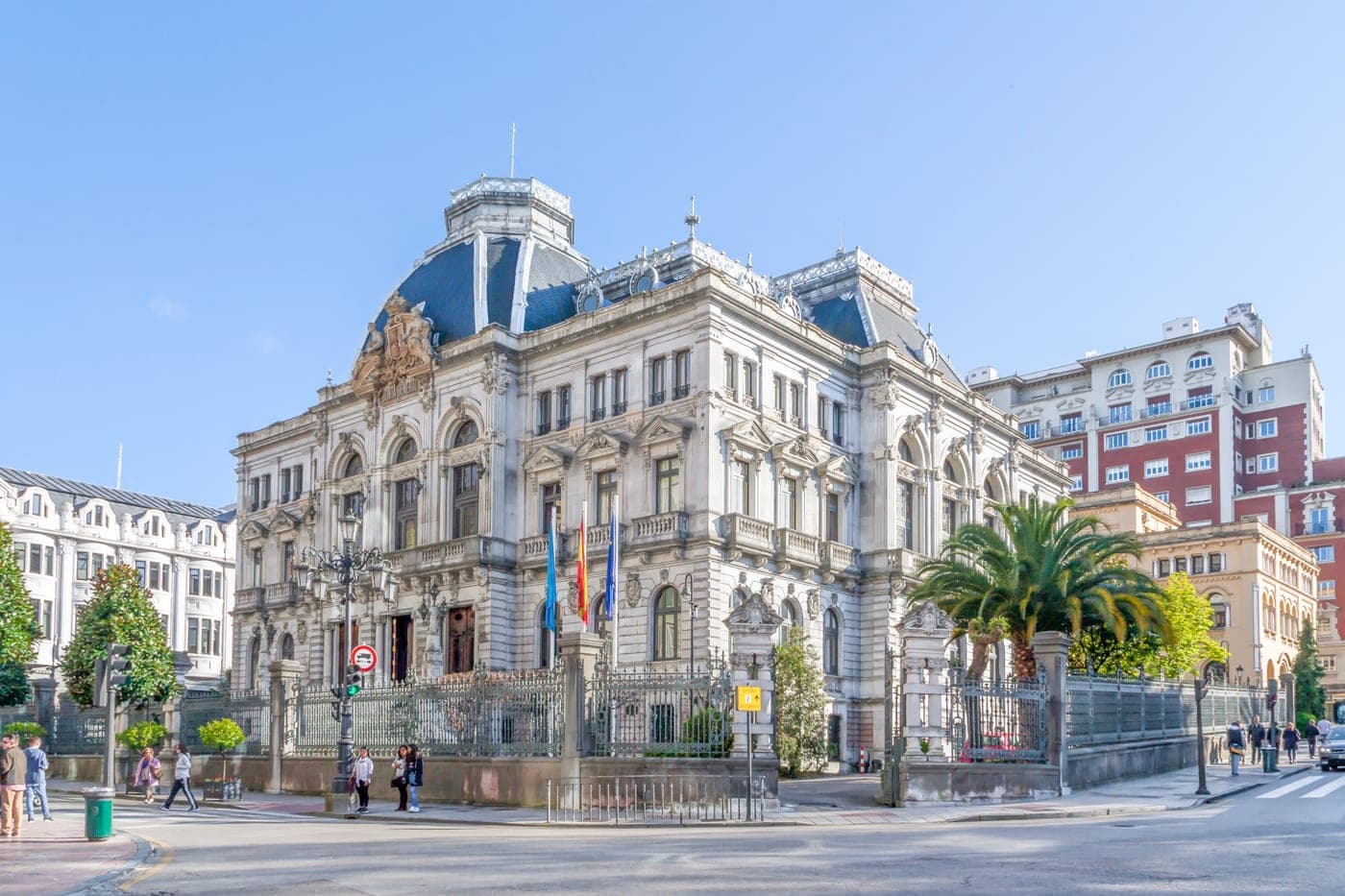
Oviedo
Asturias' elegant capital with pre-Romanesque monuments and cider culture.
Panoramic TrainsHiking
1 region
 Panoramic Trains6 destinations
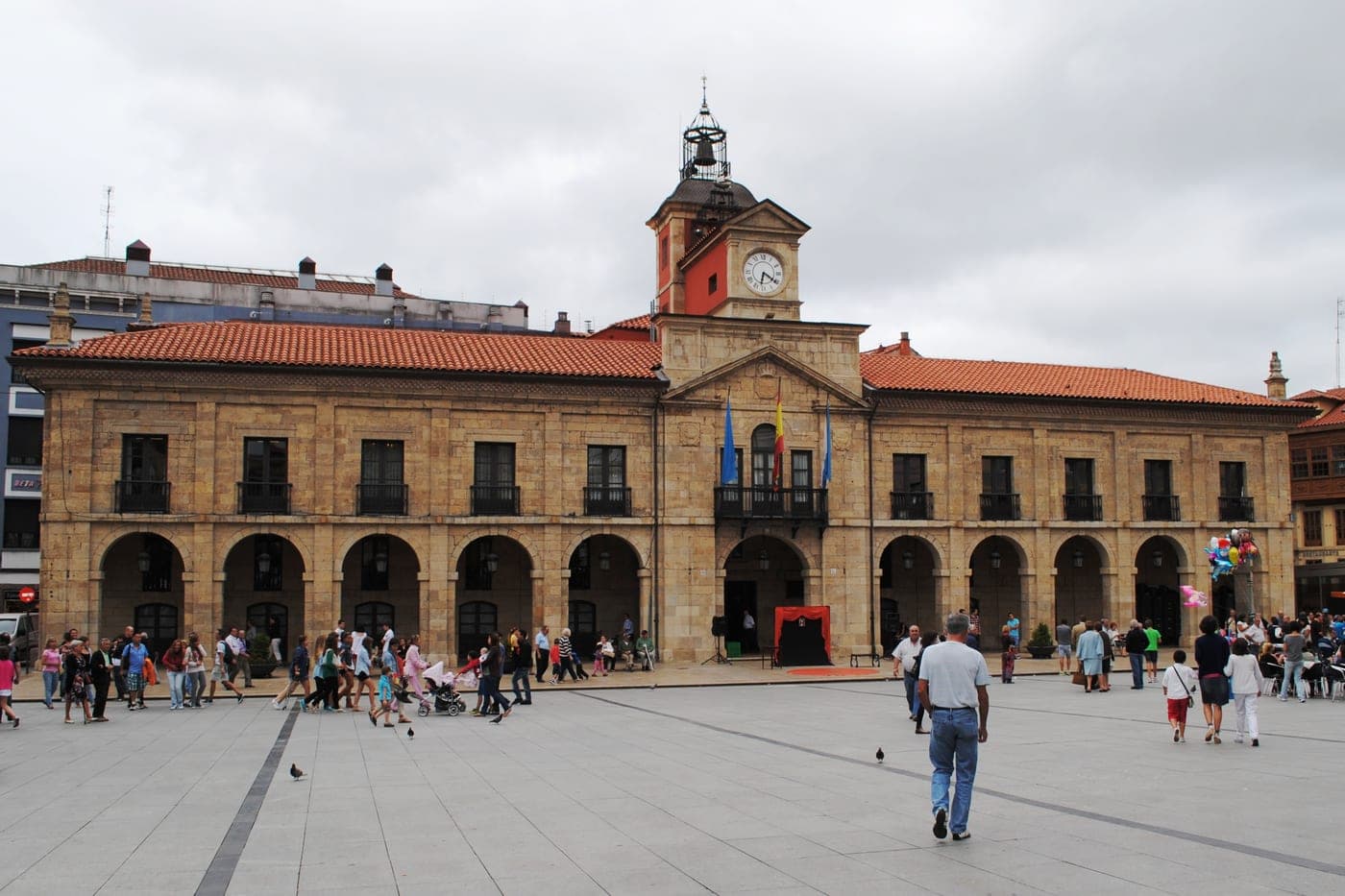
Asturias
Asturias, bordered by the Cantabrian Sea to the north, is known for its rugged coastline and lush green landscapes. This region is the only one in Spain with both mountains and the sea, presenting a unique blend of natural beauty. Oviedo, the capital, is famed for its pre-Romanesque architecture and vibrant cultural scene, while Gijón offers beaches and a lively harbor. The Picos de Europa National Park attracts hikers with its dramatic peaks and diverse wildlife. Asturias is also recognized for its cider production, with traditional sidrerías dotting the landscape. With its rich history, including the medieval kingdom of Asturias, this region offers a deep dive into local culture, making it a fascinating destination for exploration.
Panoramic TrainsHikingLocal Cuisine