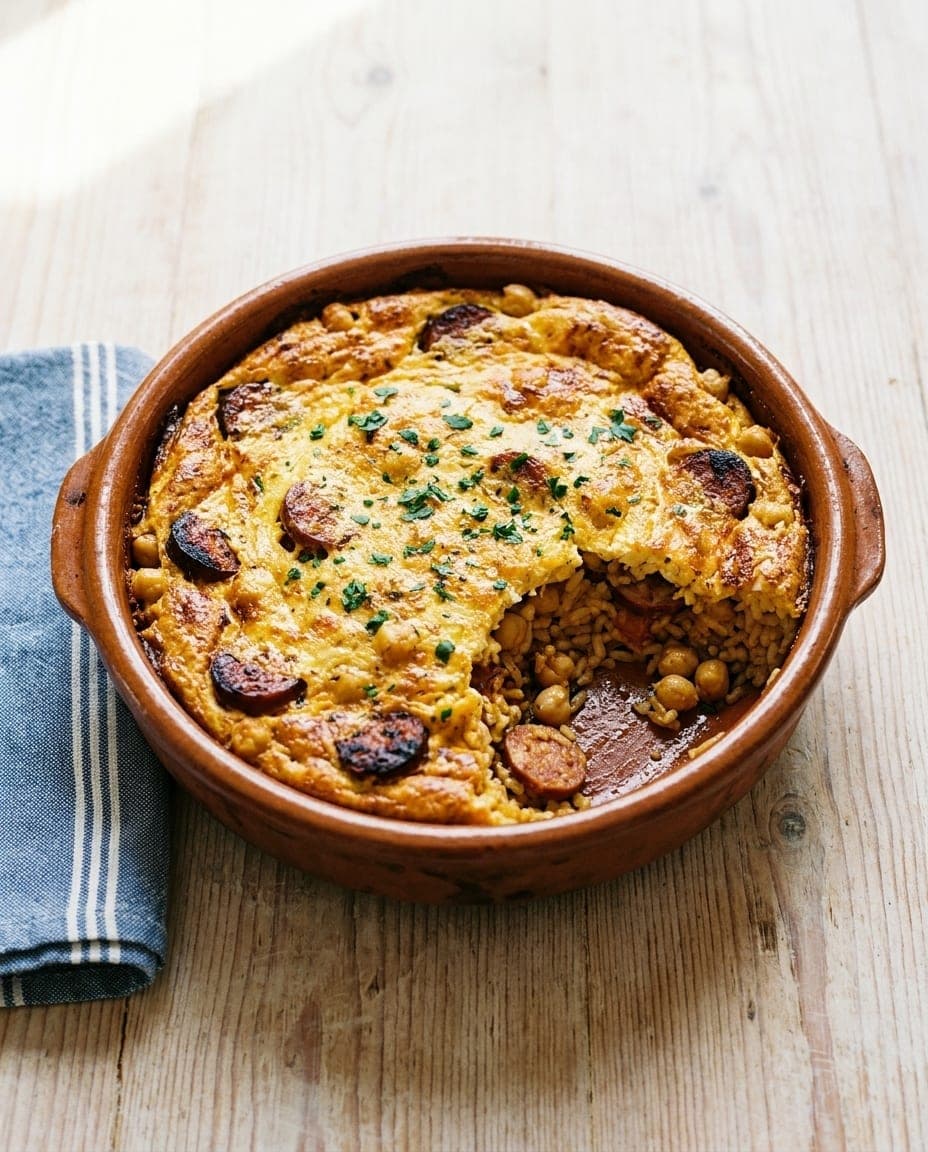
Cocido madrileño
Madrid's chickpea stew, served from one pot in several courses
- Local name
- Cocido madrileño
- Served with
- Cabbage, noodle broth
- Best eaten at
- A Madrid taberna
- Pairs with
- Vinos de Madrid red
What it is
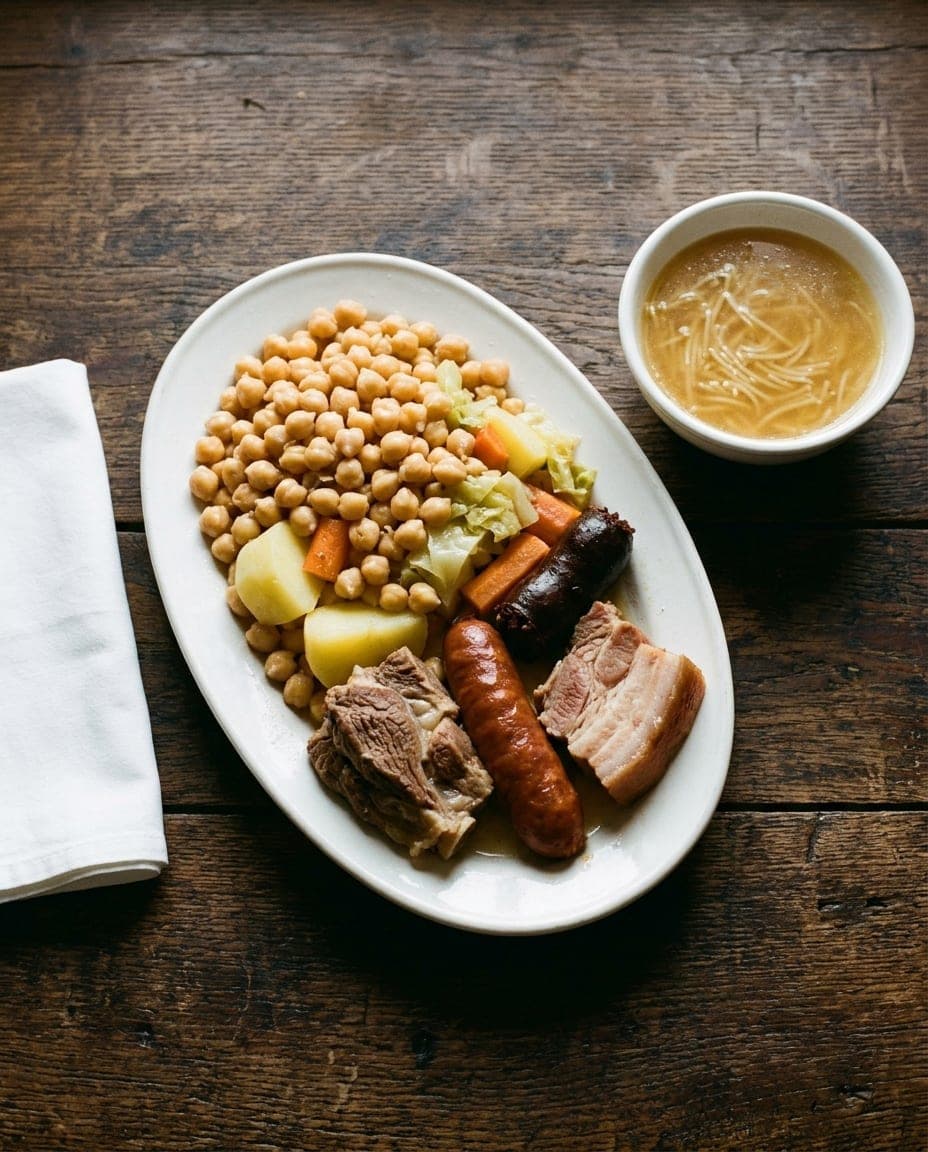
Cocido madrileño is a hearty chickpea stew that forms the backbone of winter eating in Madrid. Versions of cocido are cooked all over Spain, but the Madrid one is a local institution with its own customs. The meal is defined by its structure: one large pot yields several distinct courses, served in a fixed sequence known as the vuelcos, literally the "tippings-out" of the pot.
The first course is the broth, strained from the pot and cooked with fine noodles. Next come the chickpeas, along with vegetables such as carrots and potatoes, and cabbage that has been cooked separately and sautéed with garlic. Finally the meats are tipped onto a platter. These include beef shin, chicken or boiling hen, tocino (cured pork fat), marrow and ham bones, chorizo and morcilla (blood sausage), and in many homes a relleno or bola, a dumpling of bread and egg flavoured with garlic and parsley. In many restaurants the chickpeas, vegetables and meats are brought out together as a single second course.
This method of service turns a single cooking session into a long meal. It is a heavy, warming dish designed for the coldest months of the year, when the air over the central Meseta is dry and sharp.
The history of the stew
The origins of cocido madrileño are bound up with the domestic rhythms of Madrid rather than the kitchens of grand palaces. It is widely reported that the dish shares a lineage with adafina, a slow-cooked stew prepared by Sephardic Jewish communities for the Sabbath, left to simmer overnight so that no fire had to be lit on the holy day. Whether the modern Madrid version is a direct descendant or merely a parallel evolution is a subject of ongoing discussion among food historians. The link remains a widely reported tradition rather than a settled fact.
In the 19th and early 20th centuries, cocido was everyday food in Madrid, eaten in homes, taverns and boarding houses across the social scale. The long cooking time meant it was started early in the morning and left to simmer gently while the household attended to other duties. Over time, the custom of serving it in stages became a cultural expectation, one that lets diners savour each element individually rather than eating everything mixed in a single bowl.
Where it comes from
Cocido madrileño is the culinary signature of Madrid itself. Similar chickpea stews exist in other parts of Spain, such as cocido maragato from León, famously eaten in reverse order with the meats first, or cocido murciano, but each has its own ingredients and customs. In Madrid, the climate of long, cold winters made a high-calorie, warming meal an obvious staple. In February 2026 the Community of Madrid declared it an intangible Bien de Interés Cultural.
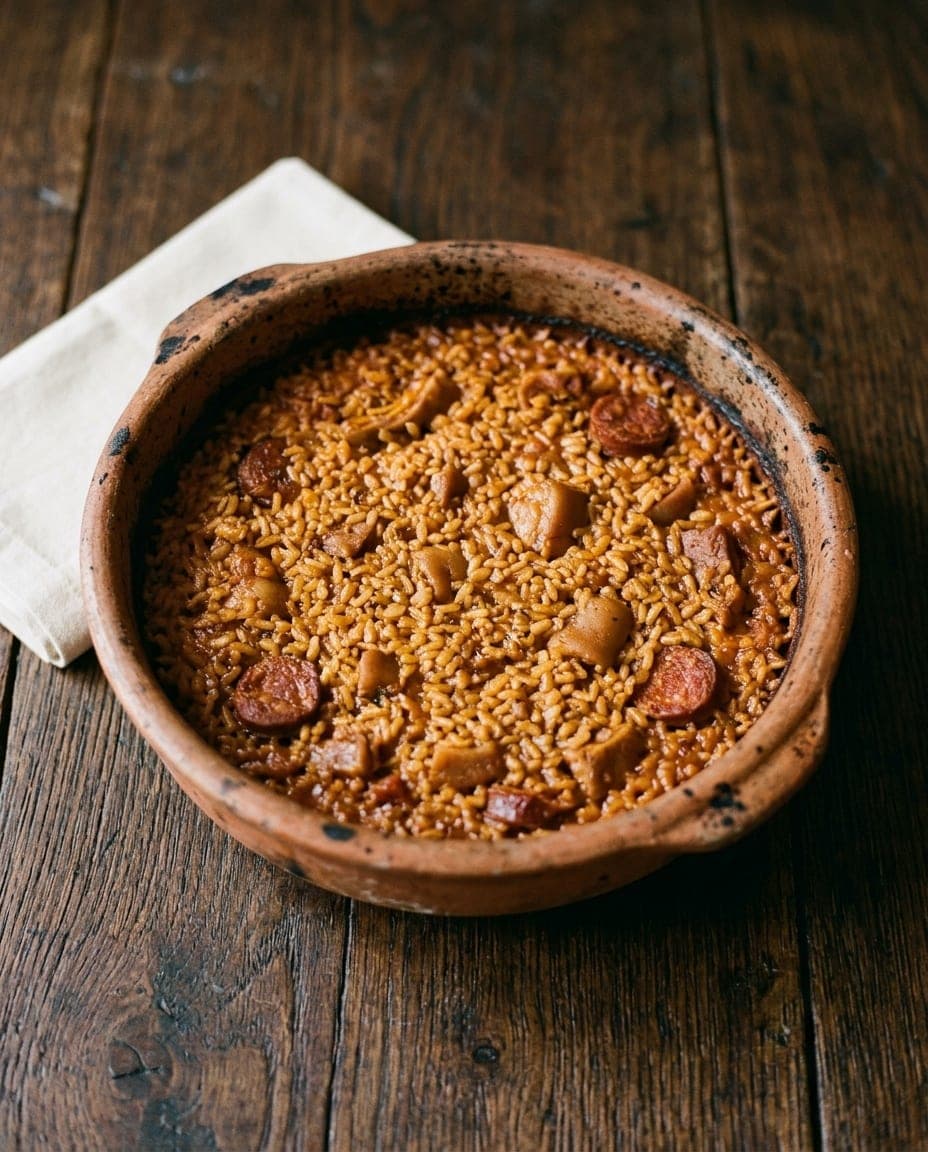
The dish is particularly associated with the traditional taverns of the old city, where it has long been cooked slowly in earthenware pots, in some places in individual clay pots set beside a charcoal or wood fire.
What goes into it
The components of cocido madrileño are simple but require careful preparation to achieve the right texture and balance. The chickpeas are soaked overnight, then simmered gently with the meats for several hours until they are tender but still hold their shape.
Vegetables are treated with specific care. Cabbage is usually cooked separately from the main pot, then sautéed with garlic, so that it does not cloud or flavour the broth too strongly. Carrots and potatoes are added to the main pot, absorbing the savoury notes of the meat as they soften.
The meats form the core of the final course. Beef shin gives body to the broth, while chicken adds a lighter note. Tocino contributes fat and saltiness, and the bones enrich the stock. Chorizo and morcilla add spice and depth, though they are often cooked apart so their colour and fat do not overwhelm the soup. The relleno, a dumpling of bread and egg, soaks up the surrounding flavours.
How to eat it
The first course is the noodle soup, served in a deep bowl. It is meant to be savoured slowly, warming the body before the heavier elements arrive.
Next come the chickpeas and vegetables, either on their own or together with the meats. The cabbage is served alongside, glistening with garlicky oil. Many diners dress the chickpeas with a little olive oil or a spoonful of tomato sauce.
The final stage is the meats, tipped out onto a large platter and shared. This is the main event, where the textures of the beef, chicken, pork, sausages and dumpling come together.
A glass of red wine from the Vinos de Madrid denomination is a classic pairing, and crusty bread is used to mop up the last drops. The pace is unhurried; the courses follow one another without rushing, and the meal can stretch over a long afternoon.
Curious facts
- The order matters. Soup first, then chickpeas and vegetables, then meats is the expected sequence in Madrid.
- A single pot, several courses. Almost everything starts in one large pot. The separation happens at serving, but the taste remains unified throughout the meal.
- The relleno. This bread-and-egg dumpling is a much-loved part of many Madrid cocidos; similar meatballs or dumplings appear in other Spanish stews, such as the pelotas of Murcia.
- Winter fixture. The dish is most associated with the colder months, roughly from October to March, when the long-simmering pot is most welcome.
- Vegetable separation. Cabbage is often cooked apart from the main stew, a technique that keeps the broth clear.
Where to try it
The most traditional experience of cocido madrileño is found in a long-established Madrid taberna that keeps up the service in stages. These places are often small, with wooden tables and a warm atmosphere, and are common in the historic centre and neighbourhoods such as La Latina. Many serve cocido only at lunchtime, and some only on certain days of the week.
The meal is best enjoyed with a group, as the succession of courses naturally encourages conversation and a leisurely pace. Restaurants in the towns of the Community of Madrid also serve good versions, but the heart of the tradition remains in the capital itself.
Where to try it
1 destination
 Camper Van Rentals
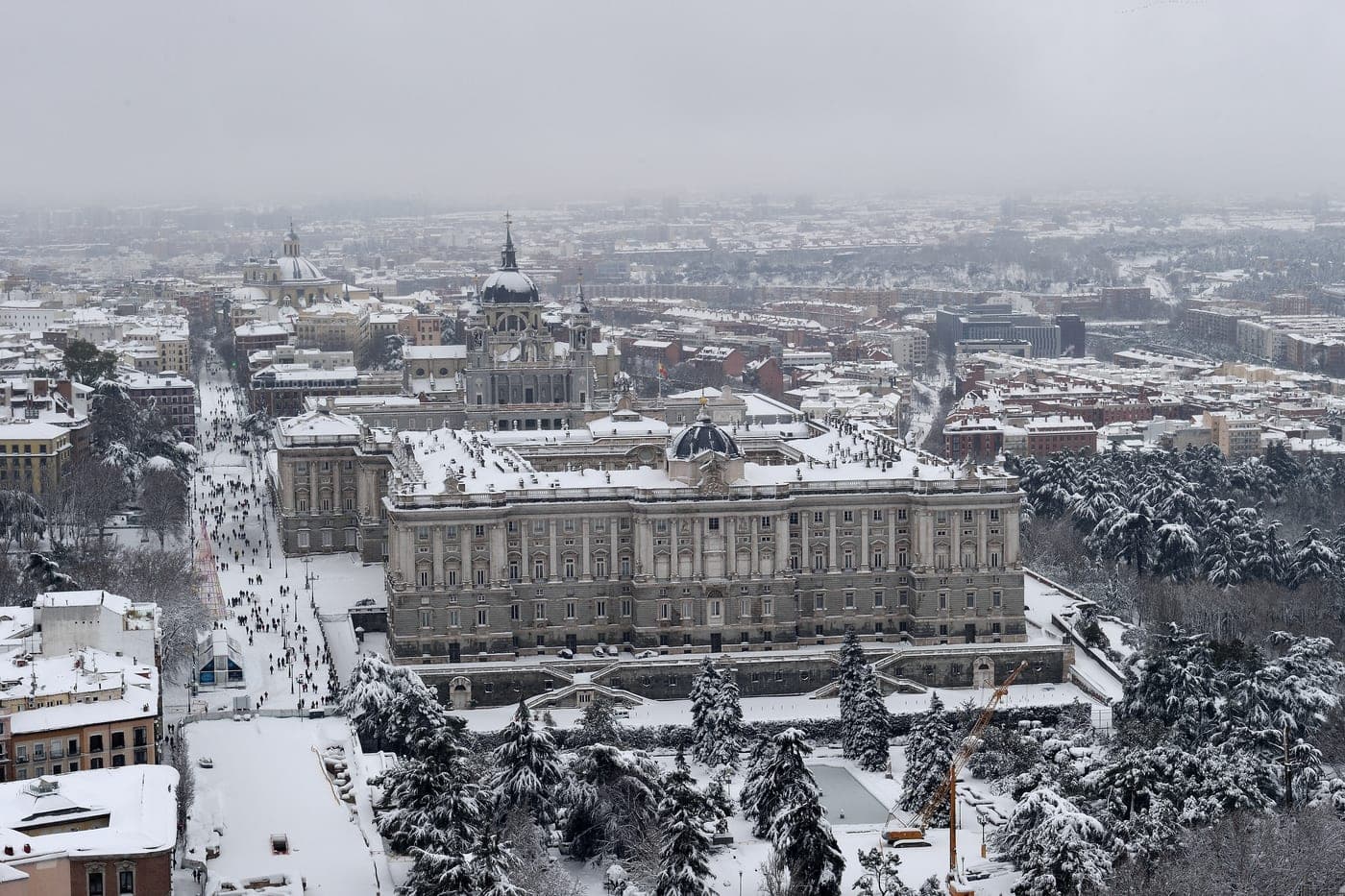
Madrid
Capital city with vibrant art scene, historic plazas, and culinary delights.
Camper Van RentalsHiking
1 region
- Camper Van Rentals1 destination
Madrid
Madrid, the largest city and capital of Spain, is a vibrant hub of culture and history. Known for its royal palace, the city boasts a rich artistic heritage with museums like the Prado and the Reina Sofia. Beyond the mainstream, explore the Malasaña district, famous for its alternative scene, or the tranquil Retiro Park, a green oasis in the urban landscape. The surrounding region features towns like Alcalá de Henares, birthplace of Cervantes, and El Escorial, a UNESCO World Heritage site. Madrid's culinary scene is diverse, from traditional tapas to innovative cuisine, reflecting its cultural melting pot. The region also hosts various local festivals throughout the year, showcasing its traditions and community spirit.
Camper Van RentalsHiking