Cecina de León
Air-dried smoked beef from León's high plateau
- Local name
- Cecina de León
- Served with
- Olive oil, bread
- Best eaten at
- A León tapas bar
- Pairs with
- Bierzo Mencía
What it is
Cecina de León is a distinctive cured meat made from beef rather than pork, originating in the province of León within the autonomous community of Castile and León. While Spain is famous for its jamón ibérico, this dish offers a different profile: beef that has been salted, usually lightly smoked over oak or holm oak wood, and then air-dried for at least seven months in a climate of cold, dry winters. The result is a meat with a deep garnet colour, a firm and dense texture, and a clear, lingering note of smoke.
It carries EU protected geographical indication status, meaning the name can only be applied to beef cured in the province of León following the rules of its specification. The outside of the meat becomes dark and hard during the drying process, while the interior remains a deep, dark red, firm and dense with a distinct smoky aroma.
The landscape of the León plateau
The production of cecina de León is inextricably linked to the geography of the region. The province sits at an average altitude of around 700 metres, with mountains, valleys and plateau, long frosty winters and dry air. These specific climatic conditions are essential for the slow air-drying process. In warmer or more humid regions, the meat would spoil before it could develop its characteristic texture and flavour.
The meat comes from adult cattle, and only large cuts from the hindquarters are used. Cured meat of this kind has a long history here: cecina has appeared in Spanish writing for centuries, and León households traditionally cured it as winter provisions. The process relies on the environment as much as human skill, with dry air helping to preserve the meat and develop its flavour over many months.
How it is made
The transformation from fresh beef to cecina de León follows a strict sequence of steps that have been refined over generations. First, the hindquarter cuts are trimmed and salted to draw out moisture and begin the preservation process. The meat is then washed to remove excess surface salt and left to rest for at least a month so the salt can spread evenly through the pieces.
Smoking, which is optional under the rules, is done using wood from oak or holm oak trees and imparts a smoky character without overpowering the natural flavour of the beef. The meat then enters the final and most critical stage: drying. It hangs in drying rooms, today often climate-controlled, where it matures slowly; the whole process lasts more than seven months, and pieces cured for at least a year can be labelled Reserva. During this time the exterior hardens and darkens while the interior cures to a deep garnet hue. The result is a meat that is not cooked by heat but is transformed by salt, smoke, and time.
What goes into it
The ingredients are simple, relying on the quality of the beef and the natural elements rather than complex additions:
- Beef hindquarters: Large cuts from adult cattle, chosen for their size and muscle structure.
- Salt: Used generously to cure the meat and draw out moisture.
- Oak or holm oak wood: The fuel for the optional smoking that gives much cecina its distinctive aroma.
- Time and air: Months of slow drying act as the final curing agent.
Other cecinas exist, such as cecina de chivo made from goat, but these do not carry the protected name.
How to eat it
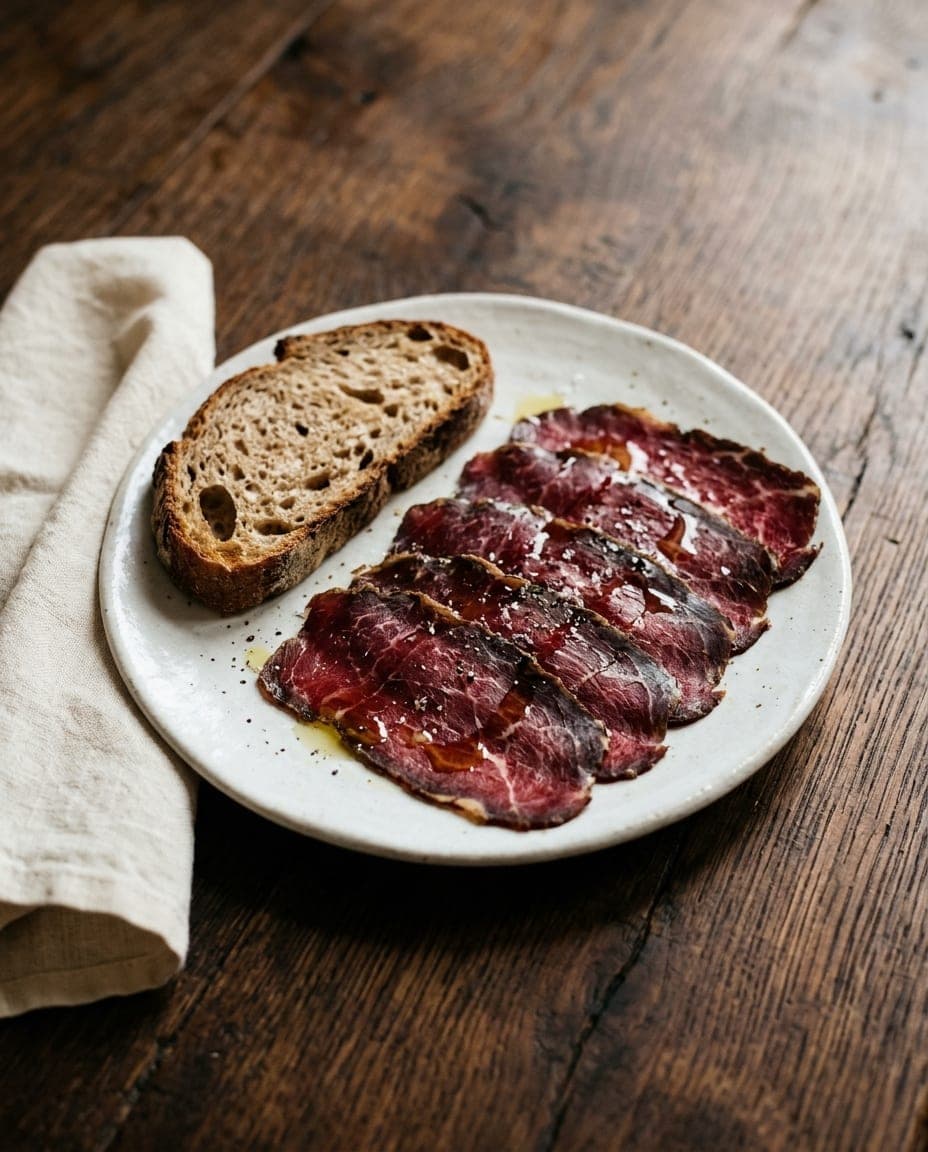
Cecina de León is sliced extremely thin and laid flat on a plate, allowing the meat to display its deep colour and texture. It is dressed with a drizzle of good quality olive oil and sometimes a few flakes of salt to enhance the flavour. The standard accompaniment is crusty bread, which serves as a vehicle for the meat and the oil.
The dish is most commonly encountered at a León tapas bar, where it forms part of the local spread. It is often served alongside other regional products, creating a contrast between the smoky beef and the fresh or pickled items on the plate. A glass of Mencía from El Bierzo, the wine region in the west of León province, pairs well with the intensity of the cecina. The combination of the smoky meat, the oil, the bread, and the wine creates a balanced experience that reflects the local palate.
Curious facts
- An old staple. Cecina is mentioned in classic Spanish literature, including the early 17th-century picaresque novel La pícara Justina.
- Not cooked by fire. The meat is never cooked; its final texture comes from salting and long drying.
- Thin as paper. The meat is sliced so thinly that it is often almost translucent when held up to the light, revealing its deep garnet colour.
- A Reserva grade. Cecina cured for at least 12 months may be labelled Reserva.
- Beyond the beef. While cecina de chivo exists, the name Cecina de León is reserved strictly for the beef version produced in the province.
Where to try it
The best place to taste authentic cecina de León is in the city of León itself or in the towns of the surrounding province. Local tapas bars are the most common setting, where the meat is served fresh and sliced to order. It is available year-round.
Where to try it
1 destination
 Panoramic Trains
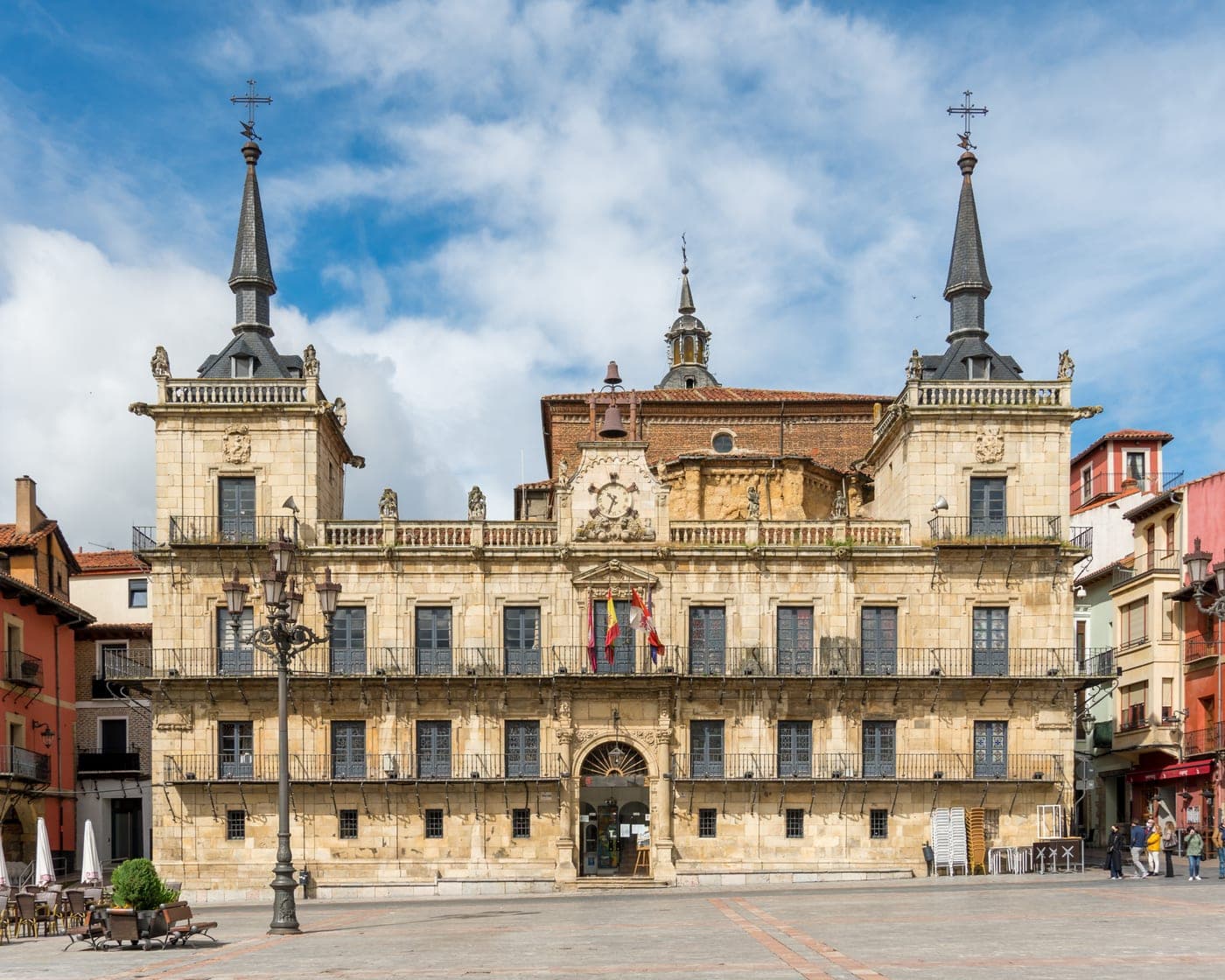
León
Historic city on the Camino with stunning Gothic cathedral.
Panoramic TrainsHiking
1 region
 Panoramic Trains22 destinations
Castile and León
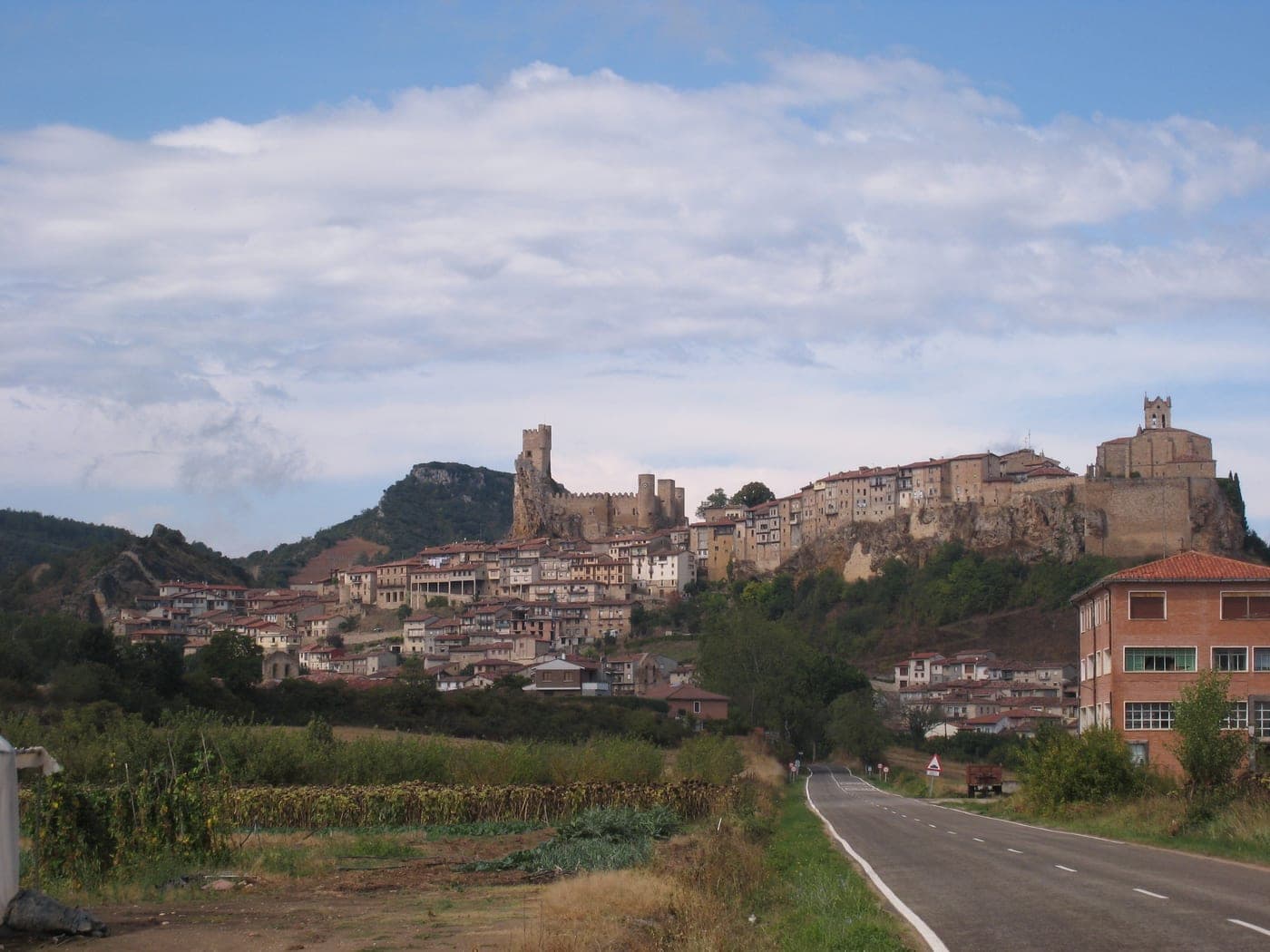
Covering over a quarter of Spain's land, this region is known for its historical richness and diverse landscapes. It features the ancient city of Salamanca, home to one of the oldest universities in the world, and Ávila, famous for its well-preserved medieval walls. The region also boasts stunning natural parks like Sierra de Guadarrama and the Duero Valley, known for its exceptional wine production, particularly Ribera del Duero. Castile and León is the birthplace of Spanish language and literature, with paths like the Camino de Santiago running through it. Visitors can explore lesser-known towns like Pedraza and Sepúlveda, where traditional crafts and gastronomy thrive, offering a genuine taste of local culture.
Panoramic TrainsHikingWine TastingLocal Cuisine