Brandy de Jerez
Brandy de Jerez is a grape spirit aged in sherry casks by the solera system
- Alcoholic
- Local name
- Brandy de Jerez
- Served
- Neat, in a snifter
- Best eaten at
- A Jerez bodega
- Pairs with
- Dark chocolate or coffee
What it is
Brandy de Jerez is a grape spirit matured in the south-western corner of Spain, in Andalusia, around the city of Jerez de la Frontera. While many countries produce grape brandy, this one carries a protected geographical indication that ties it to its place of origin and its particular method of maturation. Much of its defining character comes from the casks in which it rests.
The spirit is aged in oak butts, traditionally American oak, that have previously held sherry, the fortified wine also made in this region. As the brandy sits in these wooden vessels, it absorbs colour and flavour from the wood and from the wine soaked into the staves. This process transforms a clear distillate into a deep amber liquid with notes of dried fruit, nuts and wood spice. The result is a spirit that feels less like a raw distillation and more like a conversation between grape and sherry.
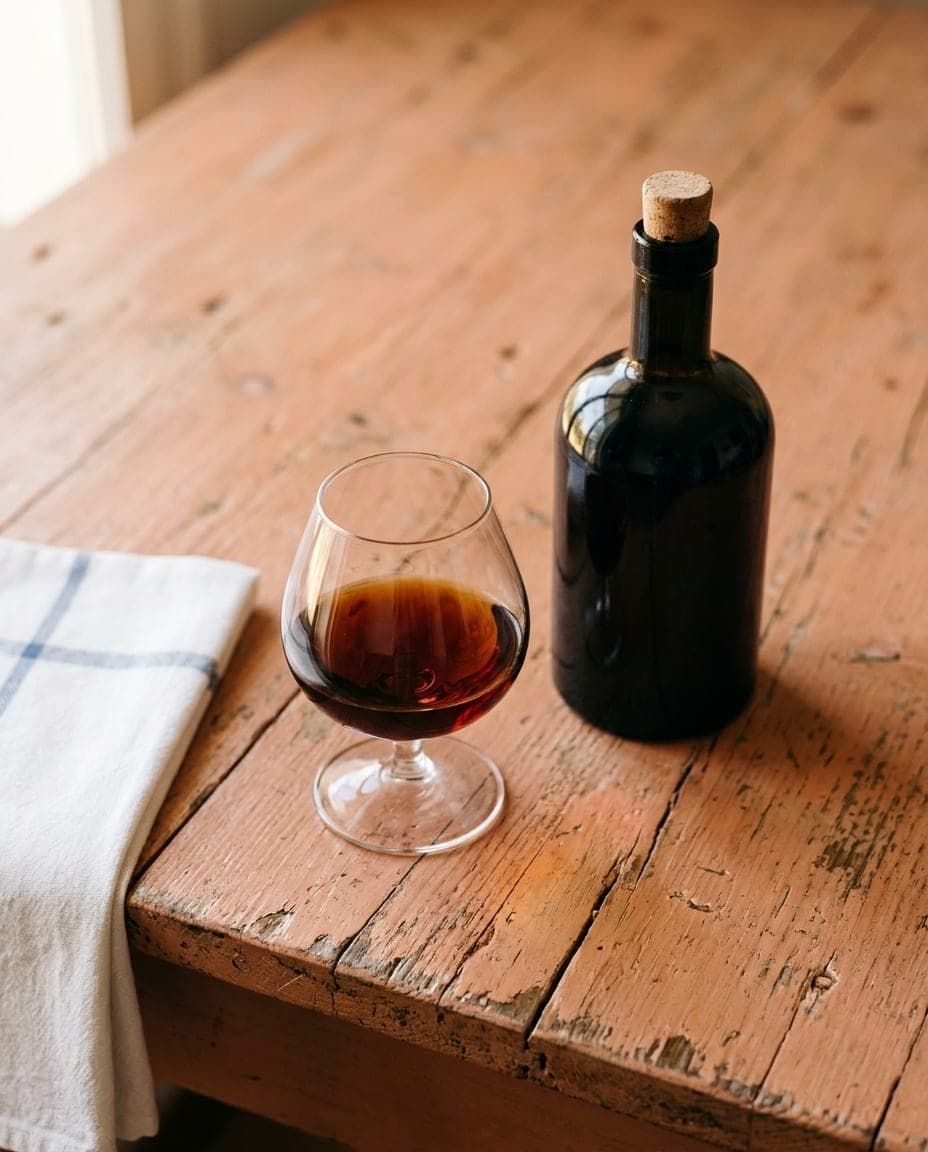
It is a drink usually reserved for the end of a meal or for quiet contemplation, served neat, at room temperature, in a glass whose bowl narrows at the rim to concentrate its aroma. The experience is one of warmth and depth rather than sharpness or heat.
The solera system explained
The method that defines Brandy de Jerez is the criaderas y soleras system. It is a fractional blending process rather than a simple storage technique. Casks are arranged in tiers or scales, with the oldest spirit in the bottom row, the solera, and progressively younger spirit in the rows above, the criaderas.
When a portion of brandy is drawn from the solera for bottling, that space is filled with spirit from the scale above it. That scale is then topped up from the next, and so on, until the youngest scale receives new distillate. This means every bottle contains a blend of many ages, from relatively young to very old. Because the liquid in the casks is always a mixture, Brandy de Jerez does not carry a vintage year.
The system ensures consistency from one batch to the next. The brandy is classified by its average age into three categories: Solera, aged on average for more than six months; Solera Reserva, more than one year; and Solera Gran Reserva, more than three years. In practice many brandies, particularly Gran Reservas, are considerably older than these minimums.
Where it comes from
Brandy de Jerez must be aged and bottled within the so-called Sherry Triangle: the municipalities of Jerez de la Frontera, El Puerto de Santa María and Sanlúcar de Barrameda, in the province of Cádiz. The region is famous for its sherry, and the brandy is often considered a natural sibling to that wine. The warm climate, tempered by Atlantic breezes, shapes the interaction between spirit and wood.
The casks previously held sherry styles such as fino, oloroso, amontillado or Pedro Ximénez. The type of wine that occupied the cask leaves a distinct mark on the final spirit. An oloroso butt might impart nutty, rich notes, while a Pedro Ximénez cask can add sweetness and dark fruit flavours.
What goes into it
The base material is wine spirit. Interestingly, the grapes and the base wine do not have to come from Jerez; much of the wine distilled for the brandy has traditionally been made from Airén grapes grown in La Mancha, while the ageing and blending must happen in the Sherry Triangle. The rules require that low- and medium-strength spirits, including the traditional holandas distilled in copper pot stills, make up the majority of the blend.
The rules cap the total sugar content, and much of the roundness and sweetness in the glass comes from the sherry-seasoned wood. Casks that held oloroso tend to give a drier, nutty character, while Pedro Ximénez casks contribute a syrupy, dark-fruit depth.
How to drink it
Brandy de Jerez is traditionally enjoyed neat, at room temperature, after a meal. The glass is a small snifter or tulip whose bowl narrows at the top to trap the aromas as they rise. A modest pour is held gently, the warmth of the hand helping to release the scent.
The spirit is well matched with dark chocolate or a strong coffee. The bitterness of the chocolate or the roast of the coffee complements the nutty and dried-fruit notes of the brandy without masking them. In Spain it is also commonly taken alongside coffee, or splashed into it.
Serving it too cold would mute its aroma. It is a drink for sitting and thinking, not for rushing through.
Curious facts
- A continuous cycle. Unlike many wines, Brandy de Jerez carries no vintage date, because the solera system blends spirits of many ages in every bottle.
- The wood is key. The sherry-seasoned butts are essential; without this interaction with the previous wine, the spirit would not develop its characteristic colour and taste.
- Three grades of age. Solera, Solera Reserva and Solera Gran Reserva require average ages of more than six months, one year and three years respectively.
- Aged in the triangle. The ageing must take place within Jerez de la Frontera, El Puerto de Santa María and Sanlúcar de Barrameda; outside this zone, a grape spirit cannot legally bear the name Brandy de Jerez.
- A Dutch word. The traditional low-strength distillate is called holandas, a name linked to the Dutch merchants who once bought Spanish spirits.
Where to try it
The most memorable way to taste Brandy de Jerez is inside a bodega in Jerez de la Frontera, the large, high-ceilinged cellars where casks stand for years, sometimes decades. Visitors can tour them to see the solera stacks up close and learn how the blending works, and many bodegas offer guided tastings where the spirit is served neat, sometimes alongside chocolate or coffee, with explanations of how oloroso and Pedro Ximénez casks shape the result. Outside the bodegas, it appears in traditional Andalusian taverns and at the end of long meals in local restaurants.
Where to try it
1 destination
 Wine Tasting
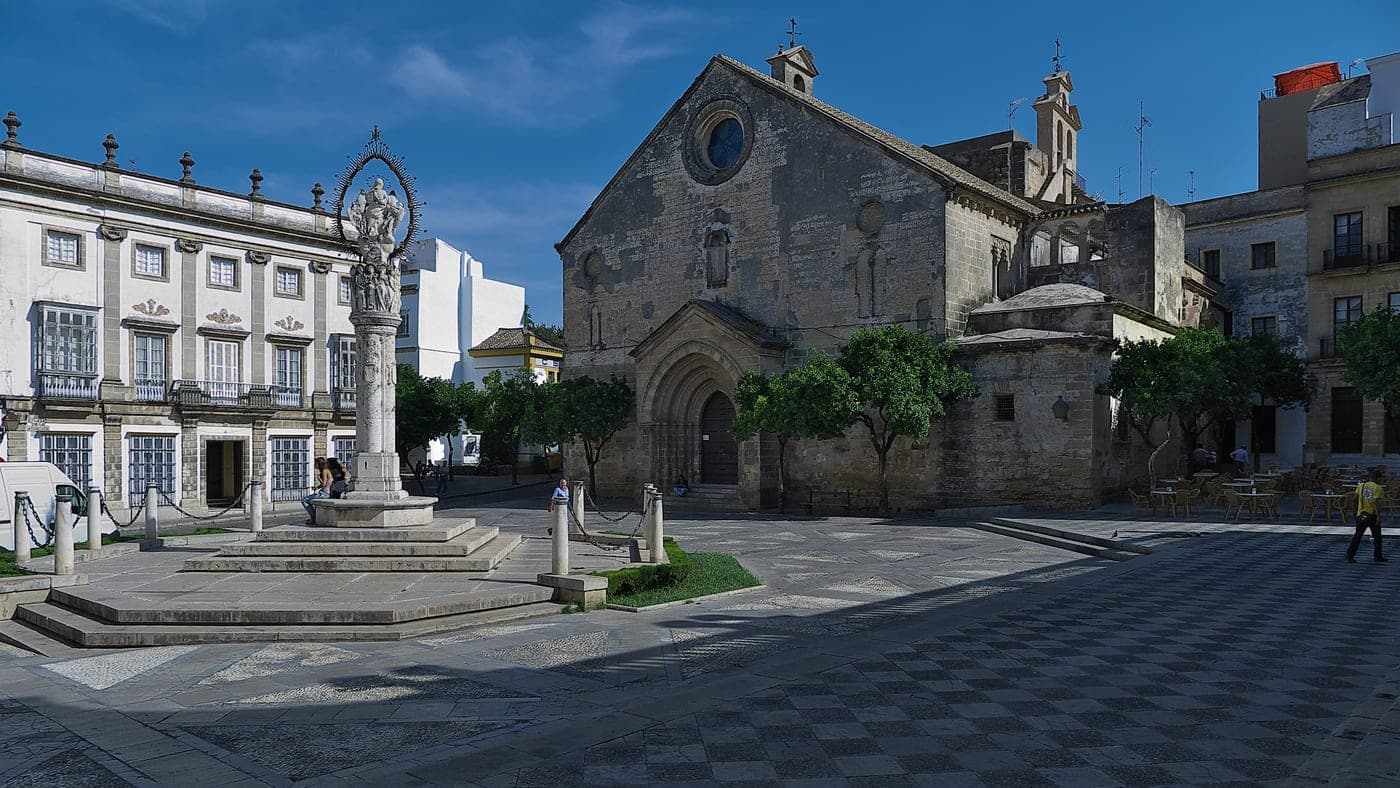
Jerez de la Frontera
World capital of sherry wine with historic bodegas and flamenco culture.
Wine TastingHikingLocal Cuisine





