Zeeuwse mosselen
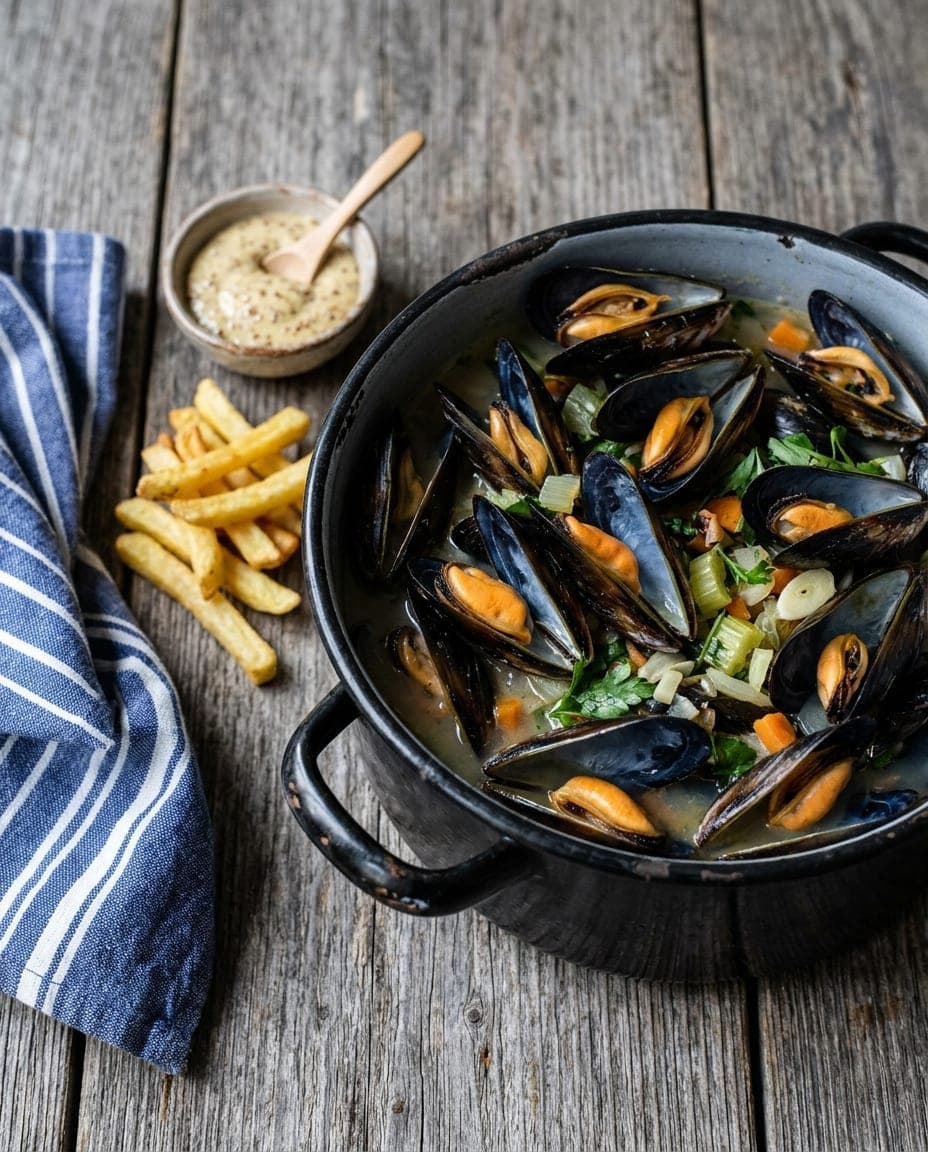
Mussels from the Oosterschelde, with chips and mayo
- Local name
- Zeeuwse mosselen
- Served with
- Fries, mayonnaise, mustard sauce
- Best eaten at
- A Yerseke seafood restaurant
- Pairs with
- Dutch witbier or dry white
What it is
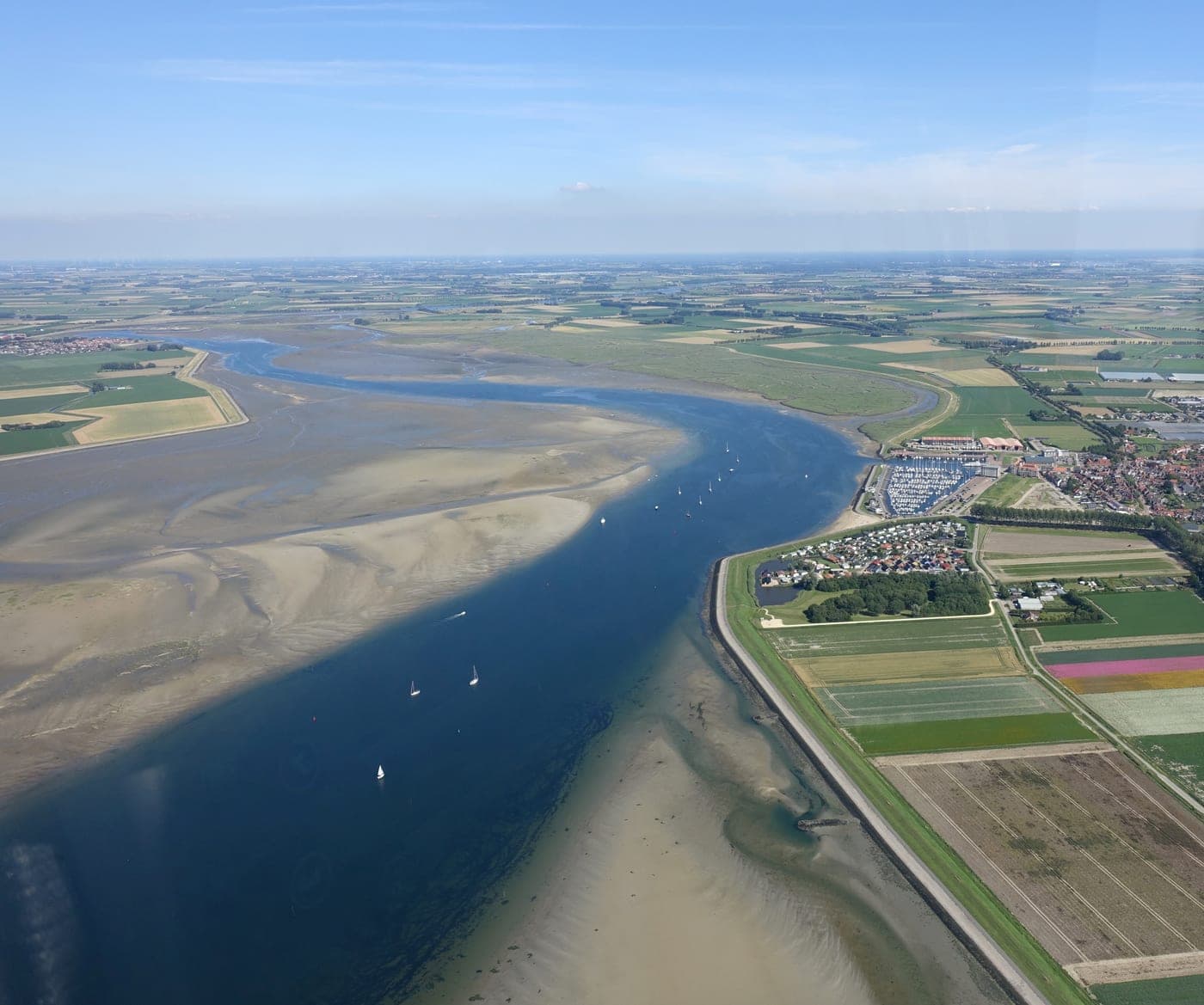
Zeeuwse mosselen are mussels associated with the Oosterschelde, the vast tidal inlet that runs between the Zeeland islands of Schouwen-Duiveland and Tholen to the north and Noord- and Zuid-Beveland to the south. They are not a nationwide staple like the herring or the stroopwafel, but a regional speciality bound up with the landscape of the south-west coast. The shells are small and dark, often with a hint of purple or green, and they carry a distinct brine that reflects the salt, tidal water of the inlet.
The dish is simple in its construction but demanding in its quality. It consists almost entirely of the mussels themselves, cooked until the shells pop open. There are no heavy creams, no tomato bases, and no long simmering times. The result is a bowl of tender meat swimming in their own juices, perhaps enriched by a little white wine or the aromatics of leek and celery. It is a dish of pure texture and taste, designed to be eaten with the hands.
The visual presentation is as important as the flavour. The mussels arrive at the table in the tall, covered cooking pot they were boiled in. A pile of golden chips sits beside the pot, and small bowls of mustard-based mayonnaise are placed within reach. The first shell, once emptied, becomes a tool for the diner to pry open the remaining ones. This ritual transforms a meal into a shared activity where conversation flows as easily as the brine.
Where they come from
The story of these mussels begins in the Oosterschelde, a national park and one of the largest tidal inlets in Europe. The water here is constantly moving, driven by the tides that rush in and out twice a day. This movement is crucial for the mussels. Most are not farmed on ropes or floating rafts but laid as young seed on leased plots on the sea bed, a method called bottom culture; a smaller share is grown hanging in nets. There, they filter the flowing water, fattening slowly as the tide brings them nutrients.
The region of Zeeland, with its flat polders and wide skies, has a long history of shellfish harvesting. The mussels from this specific inlet are considered distinct because of the unique balance of salinity in the Oosterschelde. Dutch mussels are also grown on plots in the Wadden Sea, which in fact hold the larger share, and both end up sold as Zeeland mussels, but the ones from the Oosterschelde have a reputation for being particularly sweet and firm.
The trade is centred on Yerseke, a small town on the Zuid-Beveland shore of the Oosterschelde. This is where the Dutch mussel auction takes place, the only one in Europe, setting the price for the mussels sold across the country. It is a working port where the rhythm of the day is dictated by the tides and the arrival of the boats. The mussels are brought ashore fresh, often on the same day they are cooked in the restaurants of the region.
How it is cooked
The cooking method for Zeeuwse mosselen is designed to preserve the natural flavour of the shellfish rather than mask it with spices or sauces. In a traditional kitchen, the mussels are placed in a tall pot with a tight-fitting lid. The heat is turned up high, and the pot is shaken vigorously every few minutes to ensure even cooking.
The aromatics are kept minimal. Chopped onion, celery, and leek are added to the pot to provide a subtle base note. Sometimes a splash of dry white wine is poured in to add a hint of acidity, but many cooks prefer to use nothing more than the water the mussels release as they steam open. The cooking time is short, lasting only until the shells have all popped open. Overcooking would make the meat tough and rubbery.
Once the shells are open, the pot is brought directly to the table. The steam that rises from the dish carries the scent of the sea, leeks, and onions. There is no straining or draining; the mussels sit in their own cooking liquid, which is often sipped or used to dip the bread or chips at the end of the meal.
How to eat it
Eating Zeeuwse mosselen is a tactile experience that requires patience and a willingness to get one's hands dirty. The pot arrives hot, and the first mussel is prised out with a fork. After that the empty shell becomes the tool: held like pincers, it grips the next shell and twists it open.
The mussels are accompanied by a generous portion of chips. These are not just a side dish but an essential part of the meal. The standard way to eat them is to dip a chip into the bowl of mustard-based mayonnaise, which has a sharp kick from the mustard powder, and then use it to scoop up the meat or the cooking liquid. Some diners prefer to dip the chips directly into the pot's broth before eating the mussel itself.
For drinking, a popular companion is a Dutch witbier, a wheat beer that is light and refreshing, or a dry white wine from the Netherlands. The beer cuts the fat of the mussels and the oiliness of the mayonnaise, while the wine mirrors the briny notes of the shellfish. It is common to order a pitcher of beer or a bottle of wine to share at the table.
Curious facts
- The pot is the bowl. Unlike many dishes where food is transferred to individual plates, Zeeuwse mosselen are served in the cooking pot itself, keeping the mussels hot and the broth intact for dipping.
- A tool made from food. The empty mussel shell is not discarded immediately but repurposed as a pincer to open the rest of the meal, a technique that has been passed down through generations of diners.
- The auction sets the price. The mussels sold in restaurants across the Netherlands are often priced based on the daily auction in Yerseke, where the quality and quantity of the catch determine the cost.
- Seasonal limits. Fresh Dutch mussels are sold from mid-July to about April. The mussels spawn in April and May and recover in June, when they are thin; they are at their fullest from September to November. Before refrigerated transport, the rule was to eat them only in months with an "r".
- No heavy sauces. A true Zeeuwse mussel dish relies on the natural juices of the shellfish and simple aromatics like leek and onion, avoiding the heavy creams or tomato bases found in other coastal cuisines.
Where to try it
The best place to eat Zeeuwse mosselen is in a seafood restaurant in Yerseke or the surrounding islands of Zeeland. Bruinisse, Zierikzee and Tholen, all mussel towns across the water from Yerseke, are also good destinations for visitors seeking this experience. In these places, the mussels often come from plots a few kilometres away.
The service is quick because the food has to be: the pot goes from the stove to the table in a minute and is eaten immediately.
Mussel restaurants across the Netherlands and northern Belgium serve the same shellfish from the same auction, and in Brussels and Antwerp the dish is treated as a local one. The season is the real constraint: fresh Dutch mussels are scarce between roughly April and mid-July.
Where to try it
1 destination
 Boat Rentals
Tholen
Historic fishing village with traditional wooden houses and scenic canals.
Boat RentalsHiking
1 region
- Boat Rentals3 destinations
Zeeland
Zeeland, the smallest province of the Netherlands, boasts a unique coastline and rich maritime history. Known for its dikes and natural reserves, this region is famous for the Delta Works, a series of dams and barriers that protect the land from the sea. Middelburg, the capital, features stunning Gothic architecture, while the town of Veere offers a glimpse into its trading past with its historic harbor. The area is also renowned for its seafood, particularly oysters and mussels. Zeeland's islands, such as Walcheren and Tholen, provide tranquil landscapes and opportunities for cycling and birdwatching, making it a haven for those looking to connect with nature and local culture.
Boat RentalsHiking