Zeeuwse bolus
A spiral bun from Zeeland with a brown-sugar crust
- Vegetarian
- Local name
- Zeeuwse bolus
- Served with
- Butter, coffee
- Best eaten at
- A Zeeland bakery
- Pairs with
- Coffee
What it is
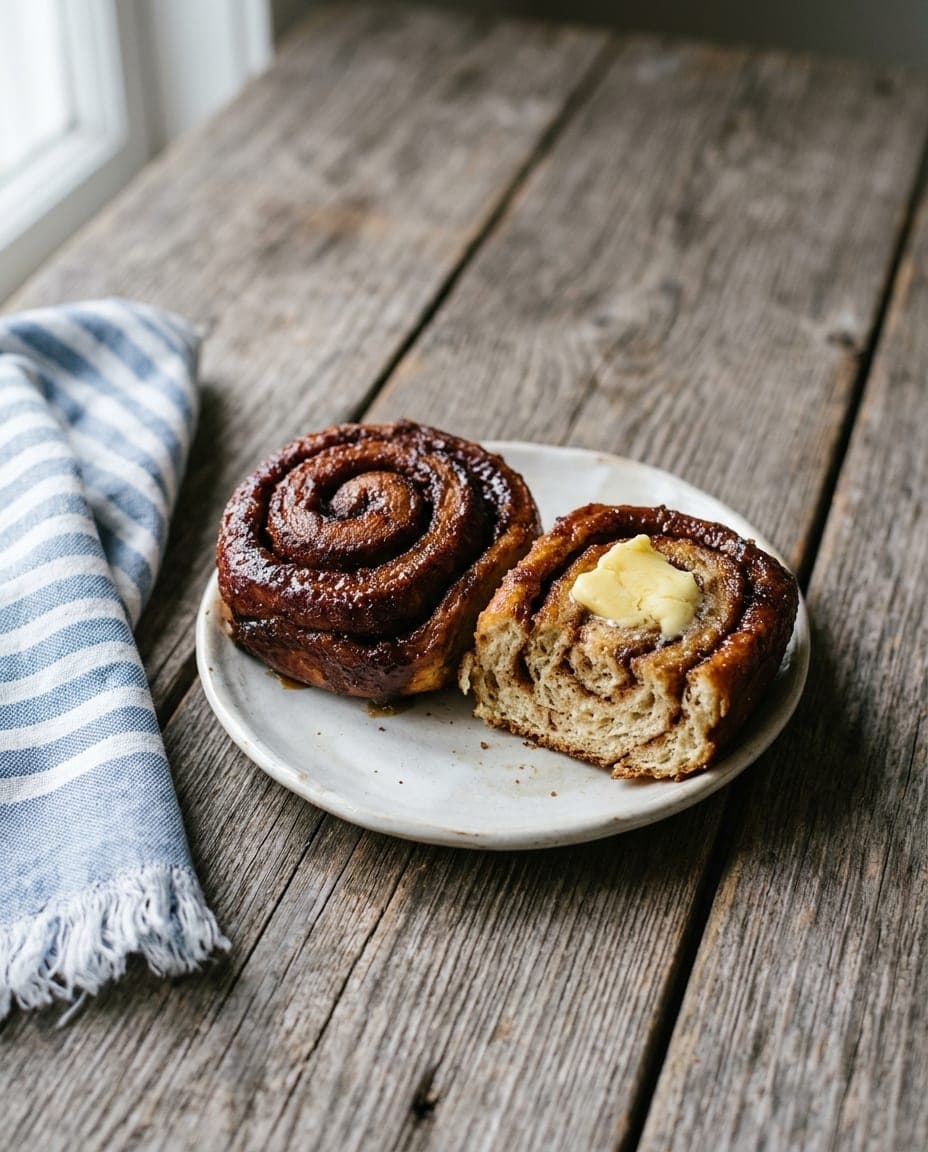
The Zeeuwse bolus is a spiral-shaped sweet bun that belongs to the province of Zeeland in the south-west of the Netherlands. Packaged versions travel, but the real thing belongs to Zeeland, where nearly every bakery in the province makes its own. The pastry consists of yeast dough rolled into a tight coil, coated in dark brown sugar and cinnamon, and baked until the sugar melts and caramelises into a sticky, almost burnt crust on the outside.
Unlike many pastries where the filling sits inside the dough, the sweet coating forms the outer layer of the Zeeuwse bolus. The flatter underside is often spread with butter, which melts into the sugar and is, for many, the point of the whole thing. The result is a dense, sweet treat with a chewy texture and a deep, toffee-like flavour.
A legacy from the 17th century
The usual story of the Zeeuwse bolus begins in the late 16th and 17th centuries, when Sephardic Jews fleeing religious persecution in Portugal and Spain settled in Zeeland, many of them in Middelburg, where a Portuguese-Jewish cemetery still survives. These settlers are credited with bringing a sweet bun, probably related to the Sephardic bollo, that became the bolus. The name itself offers a clue: it is generally linked to Iberian words for a bun or ball, such as the Spanish bollo and Portuguese bolo.
The bolus stayed in the local baking tradition long after its origins were forgotten. Later Zeeland bakers refined the recipe to suit local tastes and ingredients, but its roots remain visible in the name. This survival makes it a rare culinary link to the history of Zeeland's Jewish heritage, preserved not in a museum but on the counter of a local bakery.
How it is made
The preparation relies on simple ingredients rather than complex techniques. The dough is a soft white yeast dough of flour, milk and sugar, kneaded until smooth and elastic. It is then rolled in a mixture of dark brown sugar (basterdsuiker) and ground cinnamon, sometimes with a little lemon zest, before being coiled into a spiral shape. This coil is placed in a baking tin and left to rise once more before entering the oven.
During baking, the heat causes the sugar coating to melt and bubble around the spirals. The outer layer caramelises deeply, creating a dark, sticky crust that contrasts with the soft, airy interior of the bread. The process is straightforward, yet the result depends heavily on the baker's skill in managing the temperature to achieve the right balance between a crisp exterior and a tender crumb.
How to eat it
The Zeeuwse bolus is best enjoyed fresh from a Zeeland bakery, warm or cold. A thick layer of butter is often spread over the flat underside, melting slightly into the sticky sugar coating to create a deep, sweet and savoury combination.
It is rarely eaten on its own as a light snack; instead, it is treated as a substantial treat, often paired with a strong black coffee. The bitterness of the coffee cuts through the sweetness of the pastry, while the warmth of the bread and the saltiness of the butter provide a grounding counterpoint. It is bakery food rather than restaurant food, bought over a counter and eaten within the hour.
Curious facts
- The name is Iberian. The word bolus is usually traced to the Spanish bollo or Portuguese bolo, reflecting the Sephardic Jewish origins credited to the recipe.
- It has a championship. Since 1998 Zeeland's bakers have competed each year during Bolus Week for the title of best bolus and the Bolus Trophy.
- The sugar turns to syrup. The dark brown sugar melts during baking, creating a sticky, almost burnt coating that acts as both a topping and a glaze.
- A local survivor. Centuries after the Sephardic settlers arrived, the bolus remains a staple of local bakeries.
- Best with coffee. The intense sweetness is traditionally balanced by a strong black coffee or a cup of tea at a local bakery.
Where to try it
A bakery in Zeeland — Goes, Middelburg, Veere, or any of the villages on the islands — where they come out of the oven in the morning and are gone by the afternoon. The province argues about which bakery makes the best one, and settles it each year at the bolus-baking championship.
They are best on the day: by the next day the bread has firmed and the caramel has set. Supermarkets across the Netherlands sell a packaged version, which is softer, paler and not the same object. The bakeries sell them singly and by the half-dozen, and the butter is assumed.
Where to try it
1 destination
 Boat Rentals
Veere
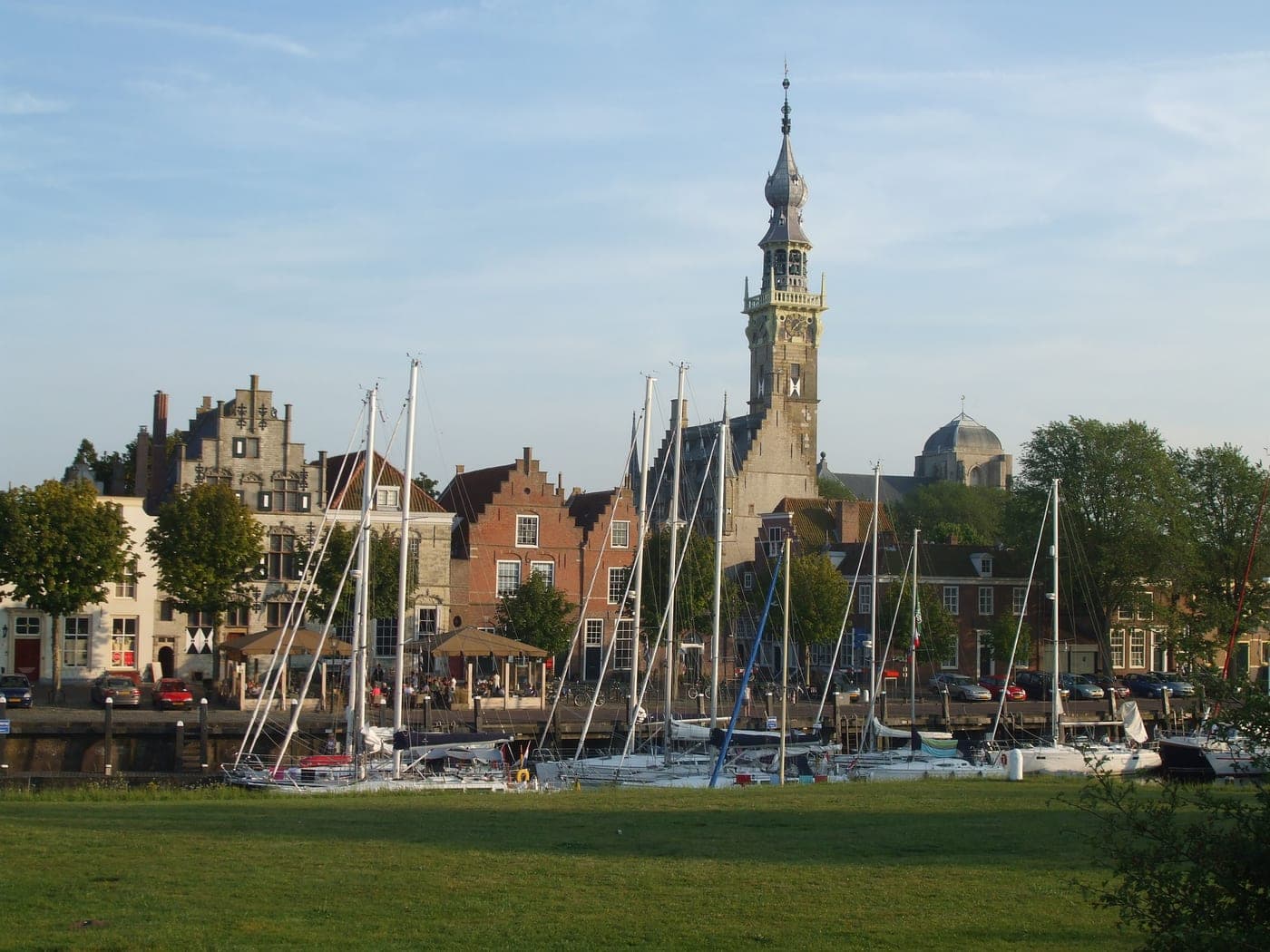
Historic wool-trading port with grand Scottish Houses on Veerse Meer
Boat RentalsHiking
1 region
 Boat Rentals3 destinations
Zeeland
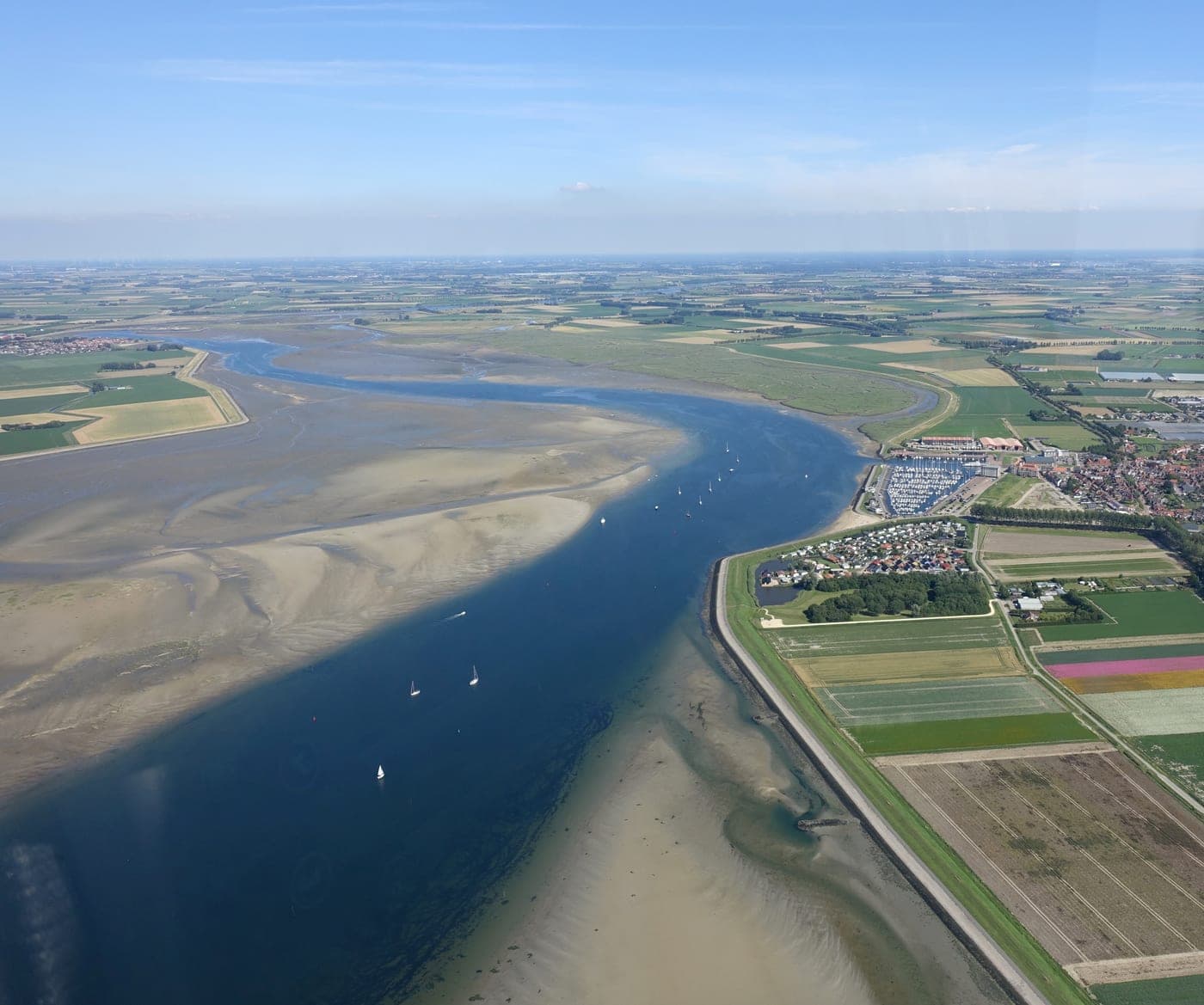
Zeeland, the smallest province of the Netherlands, boasts a unique coastline and rich maritime history. Known for its dikes and natural reserves, this region is famous for the Delta Works, a series of dams and barriers that protect the land from the sea. Middelburg, the capital, features stunning Gothic architecture, while the town of Veere offers a glimpse into its trading past with its historic harbor. The area is also renowned for its seafood, particularly oysters and mussels. Zeeland's islands, such as Walcheren and Tholen, provide tranquil landscapes and opportunities for cycling and birdwatching, making it a haven for those looking to connect with nature and local culture.
Boat RentalsHiking