Zeeuwse babbelaars
Hard butter sweets from Zeeland, made to last
- Vegetarian
- Local name
- Zeeuwse babbelaars
- Pairs with
- Tea or coffee
What it is
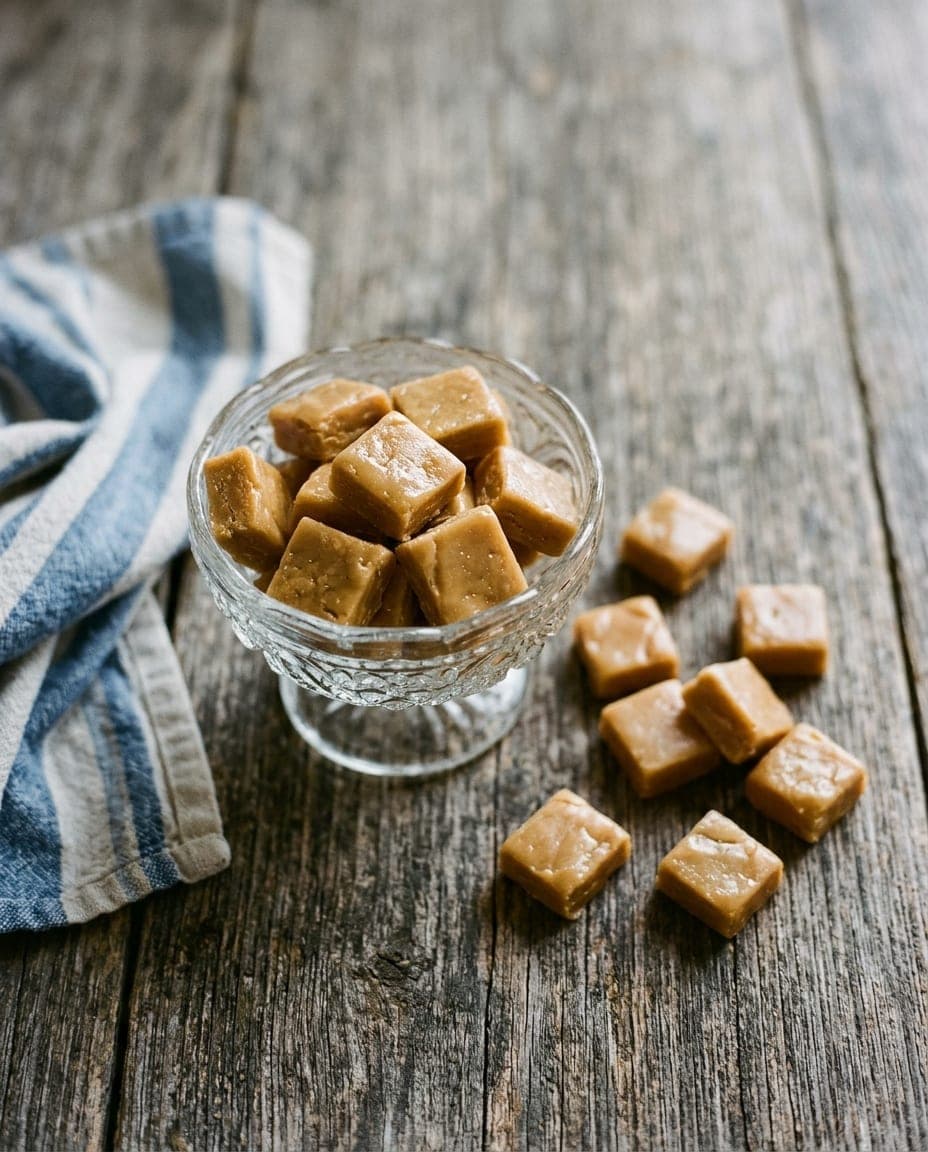
Zeeuwse babbelaars are hard butter sweets made in the Dutch province of Zeeland. They are small, pale-golden cubes, shiny and firm to the touch. The texture is distinctively hard; biting into one without care can hurt the teeth, so they are meant to be held in the mouth until they soften.
The name babbelaars translates literally as "chatterers" or "babblers". The origin of the name is not documented; a popular explanation is that a sweet that lasts this long leaves plenty of time for a chat, and in the 19th century babbelaars were indeed served to visitors with the second cup of coffee or tea.
Babbelaars were once made in Gouda and Leiden too, but the Zeeland version is the one that survives as a regional speciality, found in shops along the coast and in the towns of the province. Since the 1920s they have been sold in blue tins decorated with figures in Walcheren and Zuid-Beveland traditional dress, and a tin of babbelaars is the standard souvenir brought home from a trip to the Zeeland coast.
How they are made
The production of Zeeuwse babbelaars relies on a traditional method of boiling sugar, butter, vinegar and water until the mixture is very hot and thick. This creates a hard structure that melts slowly in the mouth. The addition of vinegar is a key detail; it provides a faint sharp edge that cuts through the intense sweetness of the sugar and butter.
Once the boiling is complete, the hot mass is poured onto a baking tray or a granite slab. While it cools it is turned, folded and stretched again and again until it can be pulled into a strand. The strand is then cut into small cubes, which are left to cool and harden fully before being sold. Folklore groups still demonstrate the method at markets, often in traditional dress.
The result is a sweet that is buttery and sweet with a slight tang. The hardness is the defining feature, designed to last for a long time rather than melt immediately. This durability is what gives the dish its reputation as a challenge for the teeth and a test of patience for the eater.
What goes into it
The ingredients are simple and traditional; in the 19th century housewives made them at home, and bakers and confectioners sold them in quantity. The list is short but specific:
- Sugar, which forms the bulk of the sweet and provides the hard structure.
- Butter, added in generous amounts to give the sweet its smooth, creamy flavour and a slight softness once it begins to dissolve.
- Vinegar, a sharp element that balances the sweetness and adds a distinct tang to the finish.
- Water, used to help dissolve the sugar before boiling.
The mixture is boiled until a drop placed in cold water sets hard. The classic butter babbelaar needs nothing else, though confectioners have long made variants flavoured with lemon, vanilla, cocoa or cinnamon.
How to eat it
Zeeuwse babbelaars are not a snack to be rushed. The standard way to enjoy them is to place one in the mouth and let it soften slowly, often holding it between the teeth to keep it in place while the saliva works on dissolving the sugar. This process can take several minutes for a single piece, which fits the "chatterer" name.
They pair best with tea or coffee, as they have since the 19th century. The bitterness of black tea or the warmth of a strong coffee cuts through the intense sweetness of the sweet, making the flavour more balanced. Some people find that the heat from the drink helps the sweet to soften faster in the mouth.
They are sold in tins and bags, and a tin lasts a long time because a single piece does.
Curious facts
- The name means "chatterer". The usual explanation is the long, sociable time it takes to finish a single piece, though the origin is not documented.
- No protected status. Unlike some regional cheeses, Zeeuwse babbelaars have no official protected designation of origin or geographical indication.
- The blue tin. A Middelburg confectioner founded in 1892 began selling them in blue tins in the early 1920s, and the tin with its figures in traditional dress became a souvenir in its own right.
- A coastal tradition. Gouda and Leiden once had their own babbelaars, but today the sweets are mainly associated with Zeeland.
- Hardness is the point. The texture is designed to be hard enough to require patience, turning eating into a prolonged activity rather than a quick bite.
Where to try it
Sweet shops and general stores across Zeeland — Middelburg, Goes, Veere, and the villages on Schouwen-Duiveland and Walcheren — where they are sold in tins and bags at the counter.
They keep for a long time in a tin, which is why they leave the province in quantity as the standard thing brought back from the Zeeland coast. Outside the province you may find a packet in the supermarket; inside it they are in every souvenir shop.
Where to try it
1 region
 Boat Rentals3 destinations
Zeeland
Zeeland, the smallest province of the Netherlands, boasts a unique coastline and rich maritime history. Known for its dikes and natural reserves, this region is famous for the Delta Works, a series of dams and barriers that protect the land from the sea. Middelburg, the capital, features stunning Gothic architecture, while the town of Veere offers a glimpse into its trading past with its historic harbor. The area is also renowned for its seafood, particularly oysters and mussels. Zeeland's islands, such as Walcheren and Tholen, provide tranquil landscapes and opportunities for cycling and birdwatching, making it a haven for those looking to connect with nature and local culture.
Boat RentalsHiking