Stroopwafel
Two thin waffle layers filled with caramel syrup
- Vegetarian

- Local name
- Stroopwafel
- Served with
- Placed atop a coffee or tea cup
- Best eaten at
- A Gouda market stall
- Pairs with
- Coffee or tea
What it is
The stroopwafel is a simple sweet made of two thin layers of baked waffle, separated by a layer of soft caramel syrup. The name describes the object directly: stroop means syrup and wafel refers to the wafer itself. It is a staple of Dutch pastry culture, particularly associated with the city of Gouda in the province of Zuid-Holland.
The texture is distinct from other waffles. The layers are baked until crisp but remain thin enough to be flexible when warm. When eaten fresh from a market stall, the caramel inside is often still liquid or semi-liquid. As it cools, the syrup hardens into a chewy consistency that holds the two waffle halves together. This structural simplicity masks a specific technique: the waffle must be split while hot so the layers do not shatter, and the filling must be spread before the pastry cools completely.
The origin in Gouda
The dish emerged in Gouda during the late 18th or early 19th century. Accounts from the region suggest it began as a way for bakers to use up scraps of dough and leftover syrup rather than as a planned luxury item. Gouda is the one town with a consistent claim to it; the oldest known recipe dates from 1840.
The connection between the pastry and the city is strong enough that the name Goudse stroopwafel appears on many packages, though the term is often used more broadly across the Netherlands. While other towns in Zuid-Holland may claim their own versions, Gouda retains the reputation for the most authentic preparation. Selling the waffles warm at markets and fairs helped spread them beyond the local bakeries and into the wider Dutch diet.
How it is made
The construction relies on a specific type of iron that presses the dough into a grid pattern while baking. Bakers press a ball of stiff yeast dough, made with flour, butter, brown sugar, milk and eggs, in the hot iron, which bakes it into a thin round. While it is still hot and pliable, the baker removes it, splits it horizontally with a knife or tool, and spreads a generous amount of syrup between the two halves.
The filling itself is a warm mixture of syrup (stroop), brown sugar, butter and cinnamon. The two halves are pressed back together while the syrup is still hot, which is what binds them. The result is a pastry that is crisp on the outside but yields easily when bitten, provided it has not cooled too long.
How to eat it
The most traditional way to enjoy a fresh stroopwafel involves heat and steam. A common practice in cafes and market stalls across the Netherlands is to place the waffle directly on top of a cup of hot coffee or tea. The steam from the beverage warms the waffle for one or two minutes, softening the crisp layers and melting the caramel syrup into a warm, gooey centre.
This method transforms the texture entirely. The crisp exterior gives way to a soft, chewy interior that coats the tongue. It is an experience best enjoyed immediately after the waffle has been warmed. Drinking the coffee or tea while holding the waffle creates a ritual where the heat from the cup and the sweetness of the syrup combine.
In modern settings, especially outside of market stalls, stroopwafels are often sold pre-packaged in plastic wrappers. These versions have cooled completely, so the caramel has hardened. While still tasty, they lack the warm, melting quality of a fresh one. The packaged variety is often eaten as a snack or a sweet treat to be crunched, rather than melted over a cup.
Curious facts
- The split happens while hot. Bakers must separate the two layers before the waffle cools, or it will crack into pieces rather than staying intact for the filling.
- Steam softens the syrup. Placing the waffle over a hot cup melts the hardened caramel, turning it from a chewy block to a warm liquid centre.
- A market staple in Gouda. The Thursday cheese market, held from April to August, is the classic occasion to eat a fresh one in the town where it was born.
- Packaged versions differ. Supermarket stroopwafels are cold and hard, lacking the warm, gooey texture of a fresh market version.
- A national favourite. While tied to Gouda, the treat is now eaten across the entire Netherlands and is a common gift for visitors.
- No single recipe exists. Each baker has their own ratio of syrup, butter, sugar and cinnamon, leading to variations in sweetness and chewiness.
Where to try it
A market stall in Gouda on a Thursday morning, when the cheese market runs from April to August and the waffle irons work nearby. The dough goes onto the iron to order, the waffle is split and filled in front of the customer, and it is eaten standing up within a minute.
Stalls of the same kind work the markets in Amsterdam, Rotterdam and most Dutch towns on market day, and a warm one from any of them beats a cold one from anywhere. The packaged version is in every supermarket in the country and in airport shops by the kilo; it is the same object, cold and set hard, and the cup of coffee is what rescues it.
Where to try it
1 region
 Boat Rentals5 destinations
Zuid-Holland
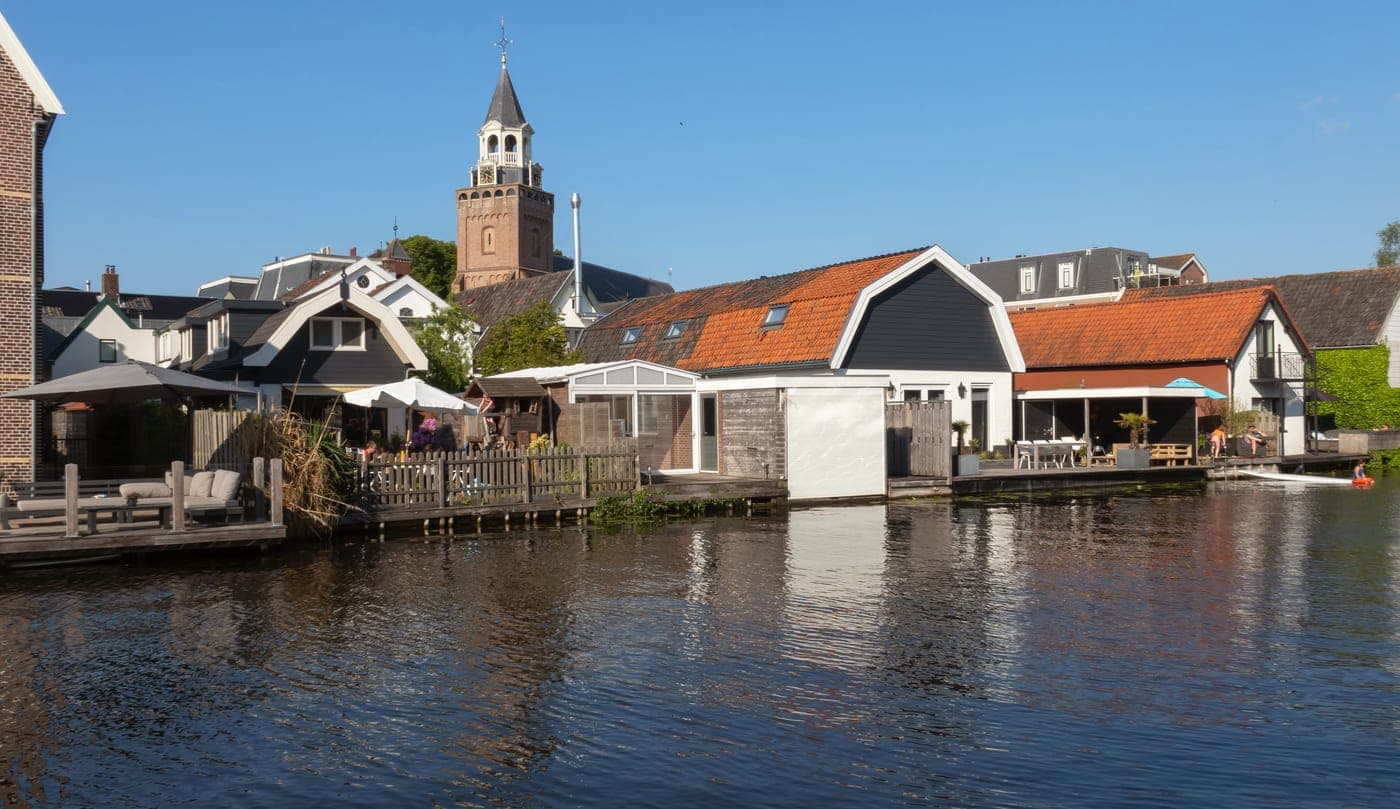
South Holland, the most populous region in the Netherlands, features a blend of urban and rural landscapes. The region's capital, The Hague, is known for its political significance and the stunning Mauritshuis museum, home to masterpieces like Vermeer’s 'Girl with a Pearl Earring.' Rotterdam, a hub for modern architecture, boasts an innovative skyline and vibrant cultural scenes. The coastline, stretching along the North Sea, offers picturesque beach towns like Scheveningen and Kijkduin. Explore the serene countryside dotted with historic windmills and charming villages such as Kinderdijk, famous for its UNESCO-listed windmills. South Holland is also renowned for its tulip fields, particularly in the Bollenstreek area, showcasing the region's floral heritage in spring. This diverse region invites travelers to experience its rich history, local markets, and culinary delights at a leisurely pace.
Boat RentalsHikingCamper Van Rentals