Ossenworst
Raw spiced beef sausage from Amsterdam's 17th-century butchers
- Local name
- Ossenworst
- Served with
- Mustard, pickles
- Best eaten at
- An Amsterdam bruin café
- Pairs with
- Jenever or pilsner
What it is
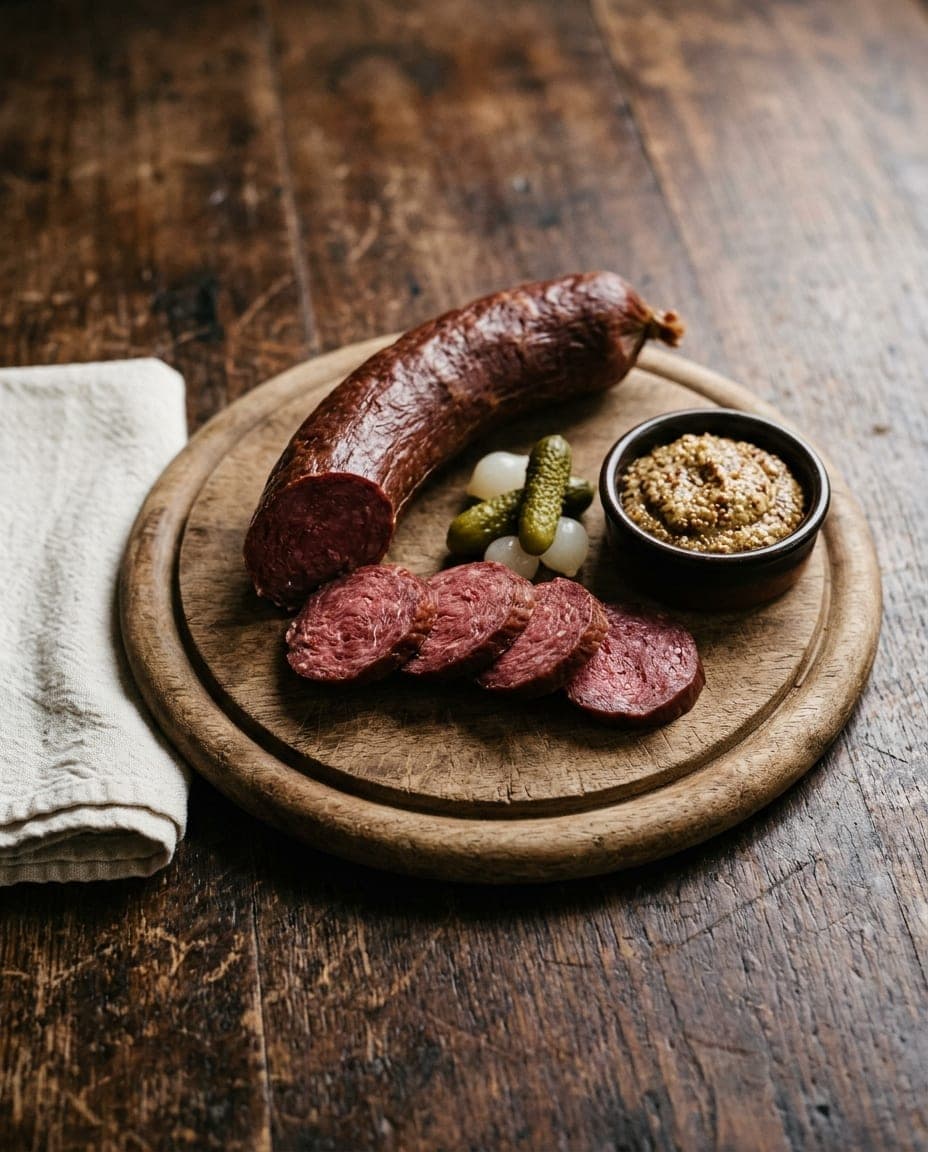
Ossenworst is a raw, cured meat product that belongs firmly to Amsterdam. The name translates simply to "ox sausage", yet the dish is defined by its texture and history rather than any single cut of beef. It consists of minced raw beef, heavily seasoned with spices such as pepper, cloves, mace and nutmeg, which is then stuffed into a casing and traditionally cold-smoked without ever being cooked over heat.
The result is a firm, sliceable sausage that is eaten entirely raw. The meat has a deep red colour and a texture that sits somewhere between a fine pâté and a soft salami. It is not a dish for the faint-hearted, nor is it a quick snack to be taken on the go. Ossenworst is traditionally served in thick slices on buttered bread or as a bar snack, often with pickles and a dollop of mustard. The combination of the rich, spiced meat with the crunch of the pickle creates a balance that has sustained its popularity for centuries.
Oxen, spices and Jewish Amsterdam
The story of Ossenworst begins in 17th-century Amsterdam, when oxen were brought in large numbers from Denmark and northern Germany and fattened on the meadows of Noord-Holland. The name records the original meat: ox. Because it was made from beef rather than pork, the sausage came to play an important part in the food of the city's large Jewish community, though it is not documented as a Jewish invention.
The specific method of curing and spicing the beef became a local hallmark. While other regions in Europe developed their own versions of raw sausage, often using pork or game, Amsterdam retained the beef variant as its signature. The use of spices like cloves and mace reflects the city's historical role as a trading hub where these ingredients were readily available through the Dutch East India Company. The destruction of Amsterdam's Jewish community in the Second World War took away one of the sausage's pillars, and it is now on Slow Food's Ark of Taste as a product worth protecting.
How it is eaten
To eat Ossenworst correctly is to follow a ritual that has remained unchanged for generations. The sausage is typically sold by speciality butchers in Amsterdam, who slice it fresh or provide pre-sliced portions. The meat arrives at the table cold, often accompanied by a plate of buttered bread. Diners spread the butter thickly before laying the slices of Ossenworst on top.
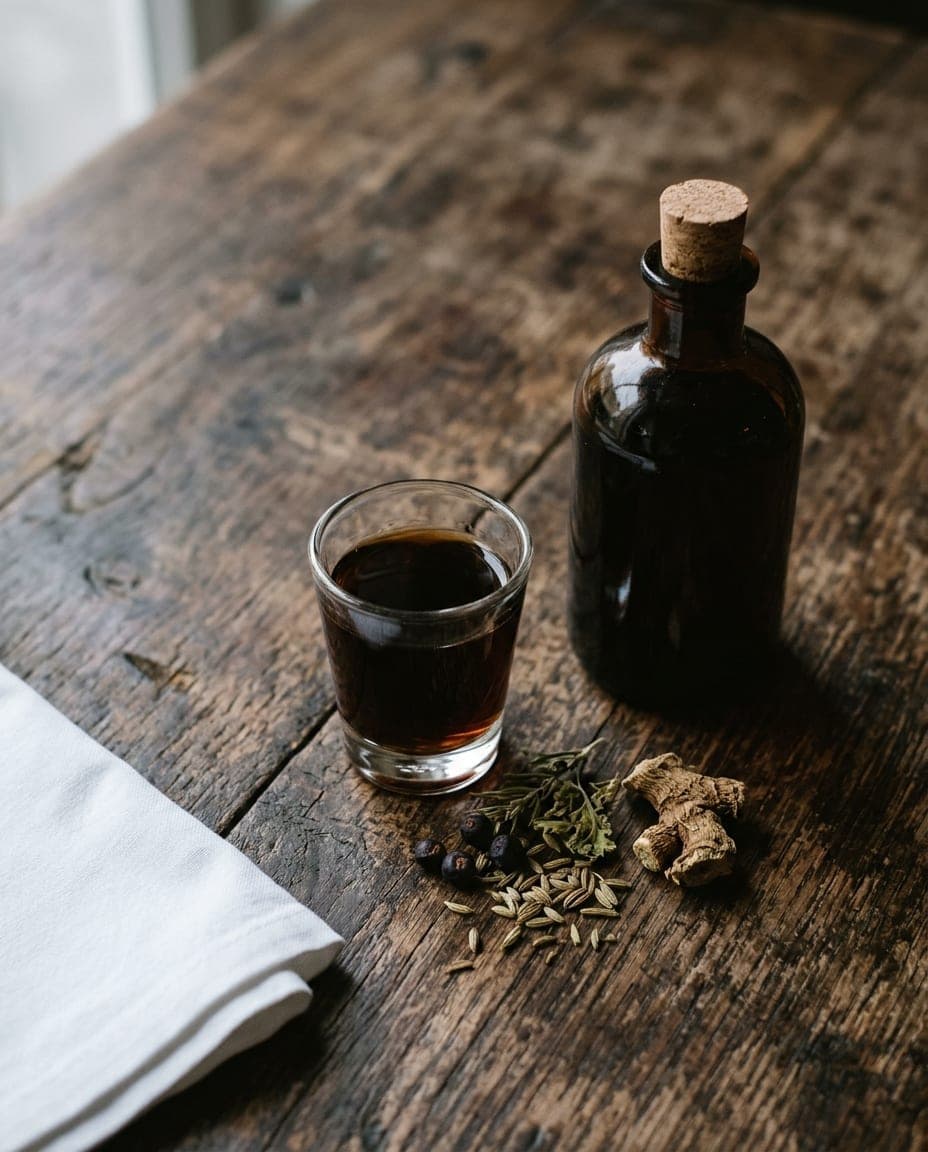
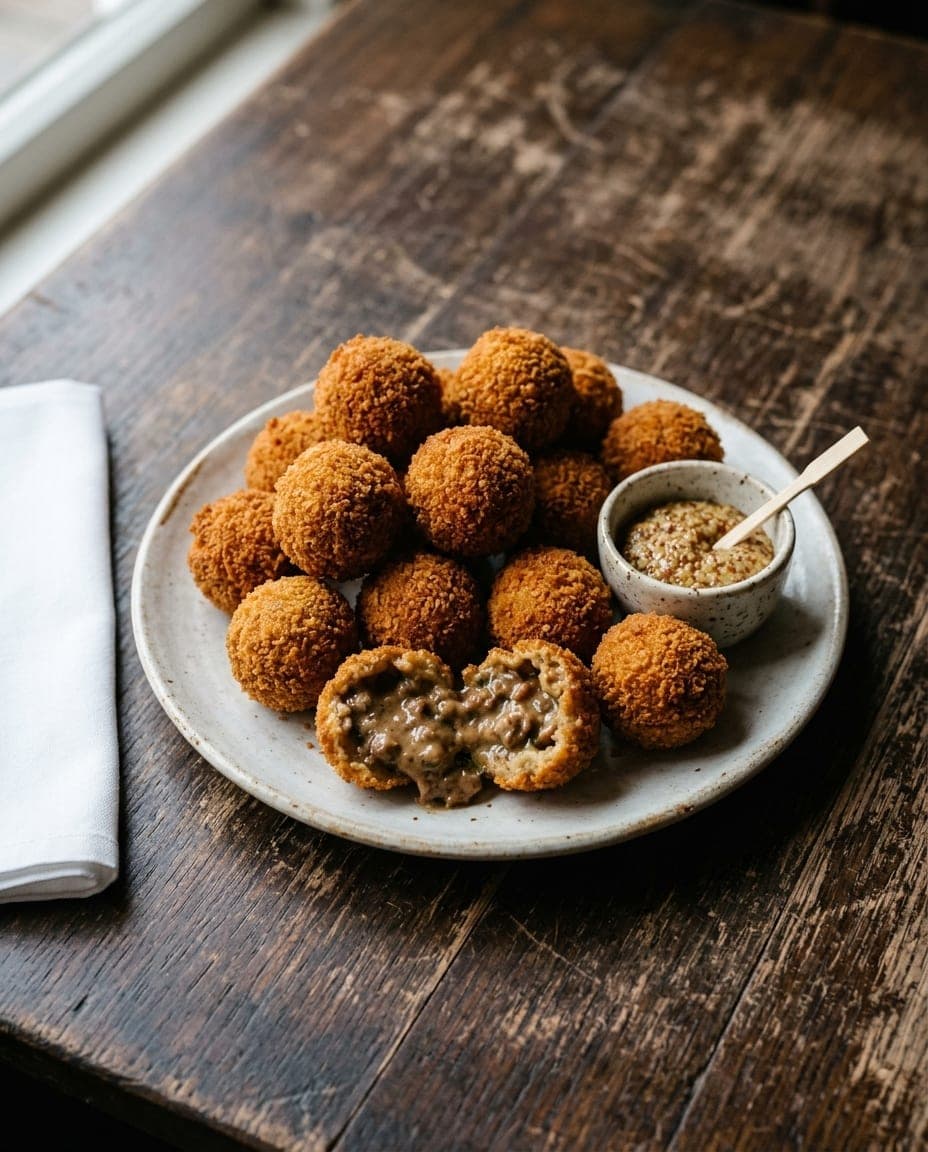
The accompaniments are simple. Pickles, such as gherkins (augurken), are often served to provide acidity against the fat of the beef. A sharp mustard is the usual companion for those who prefer an extra kick. The most traditional way to enjoy the dish involves a glass of jenever or a cold pilsner, which acts as a palate cleanser between bites.
Raw spiced sausages exist across Europe; what makes this one Amsterdam's is the beef, the spice bill and the century it arrived in.
Curious facts
- It is never cooked. Despite the name "sausage", Ossenworst undergoes no heat treatment. The traditional process relies on salt, spices and cold smoking, and it is eaten within days rather than aged like salami.
- A spice-heavy profile. The flavour comes from a generous blend of pepper, cloves, mace and nutmeg, reflecting the spice trade routes that shaped Amsterdam's economy in the 17th century.
- It stays close to the city. Packaged versions turn up in supermarkets, but the butcher-made sausage belongs to Amsterdam and the towns around it.
- Pickles are not a garnish. Mustard and pickles are there to cut the fat of the raw beef.
Where to try it
Amsterdam, at an independent butcher — several in the city centre and the Jordaan have made it for generations and will slice it to order. The covered market halls carry it too.
In a bruin café it appears on the bar menu as a plate of slices with bread, pickles and mustard, ordered with a beer or a jenever. Supermarkets sell packaged versions, but it belongs to the butcher's counter and the bar.
Where to try it
1 destination
 Camper Van Rentals
Amsterdam
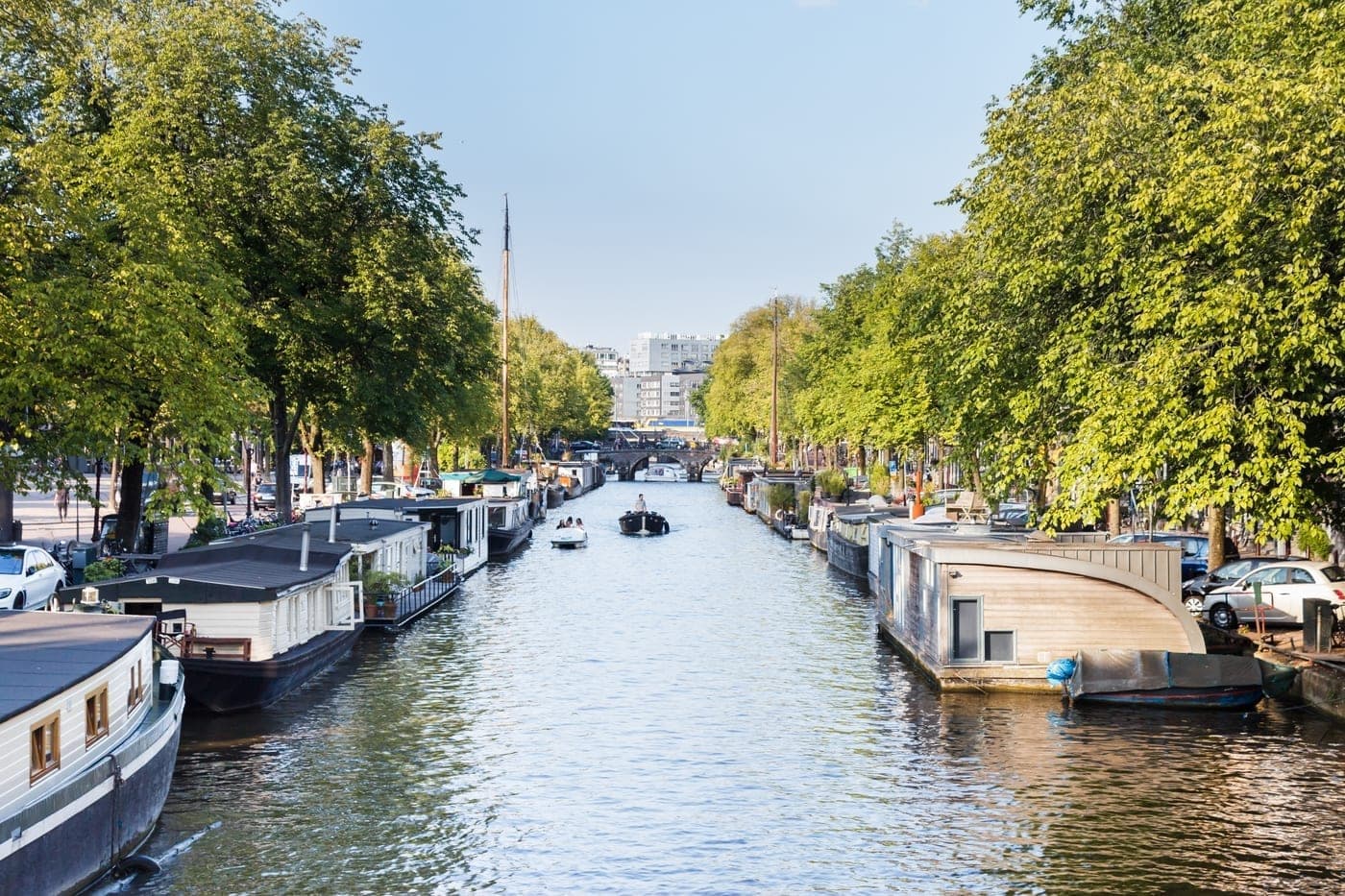
Canal-ringed capital with UNESCO waterways, cycling culture, and museums
Camper Van RentalsHiking