Oranjekoek
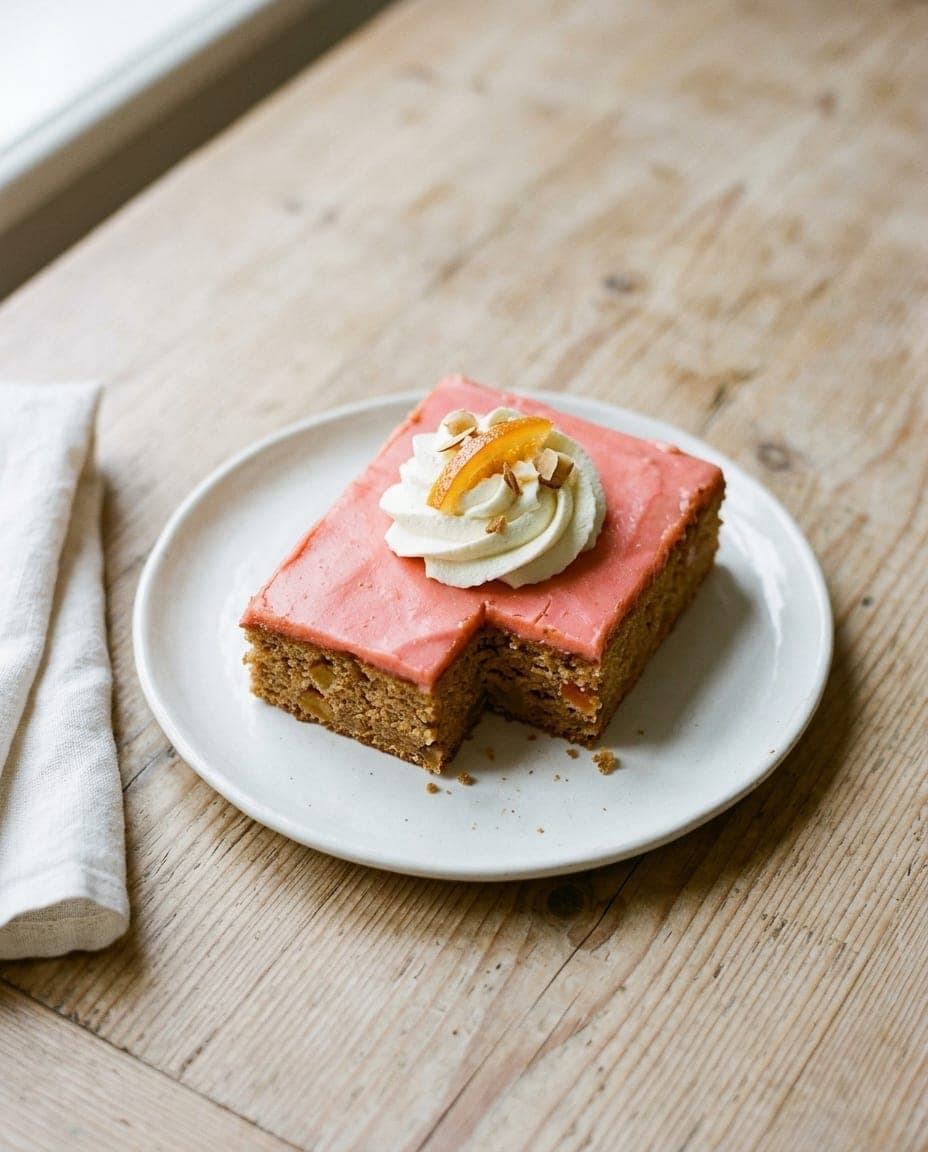
A Frisian celebration cake with pink icing and orange peel
- Vegetarian
- Local name
- Oranjekoek
- Pairs with
- Coffee
What it is
Oranjekoek is a celebratory pastry specific to the Dutch province of Friesland. It appears as a large, flat cake with a firm, spiced base, often with a layer of almond paste, topped with smooth icing that is usually pink. The surface is typically decorated with whipped cream and sometimes candied fruit, including candied orange peel.
The cake is cut into squares before being served. It is not an everyday item found in every bakery across the Netherlands; it remains a regional speciality known primarily within Friesland. Bakeries in towns and villages across the province make it; further south it mostly appears as packaged supermarket pieces.
It serves as a marker for significant life events. Families order oranjekoek for birthdays, weddings, and anniversaries. The cake is substantial enough to feed a gathering of guests, yet simple in its composition compared to elaborate French pastries. It sits comfortably between a sponge cake and a fruit tart, relying on the quality of its spices and the texture of its icing rather than complex construction.
The name and its origins
The origin of the word oranjekoek is not settled in historical records. Two common explanations exist, but neither has been definitively proven. The one Frisian bakers usually give is that the name comes from the oranjesnippers, pieces of candied orange peel once mixed into or scattered over the cake. Another account links the cake to the Royal House of Orange-Nassau, suggesting it was created for a celebration of the family, though the icing is pink rather than orange.
Without documented evidence to confirm either story, the name remains a local tradition rather than a recorded historical fact. What is clear is that the cake has been a fixture in Frisian bakeries for generations. It is baked specifically for the occasion it celebrates, and larger trays are usually ordered in advance.
What goes into it
The structure of oranjekoek relies on three distinct components: the base, the icing, and the topping. The base is a firm, biscuit-like cake made with flour, butter, sugar and egg, often with candied orange peel and spices such as nutmeg or aniseed worked in. The dough is spread thinly across a large baking tray to create a flat surface, and many bakers add a layer of almond paste on top.
The icing forms a thick, smooth skin over the cake. It is usually a pink sugar icing or fondant that hardens slightly on the outside while remaining soft underneath. This layer protects the cake and provides a canvas for decoration. The final touch involves piping whipped cream across the surface, sometimes with pieces of candied fruit. Candied orange peel is a frequent addition, tying the name to the visual reality of the topping.
How it is eaten
Oranjekoek is traditionally served at room temperature, cut into squares that can be picked up by hand or eaten with a fork. It pairs naturally with black coffee, which cuts through the sweetness of the icing and complements the spiced base. The texture offers a contrast between the soft, moist cake and the slightly chewy, sweet icing.
It is met in a bakery window or on a table at a family gathering, cut into squares and handed round. Bakeries sell it by the piece and by the tray, wrapped in paper for the journey.
Curious facts
- A regional boundary. Bakery-made oranjekoek is rare outside Friesland; elsewhere in the Netherlands it is mostly met as packaged supermarket pieces.
- Royal connection. The name invites a link to the House of Orange, but no record confirms it, and the candied orange peel is the likelier source.
- Flat form. Unlike many celebration cakes that are tall or layered, oranjekoek is spread thinly across a large tray.
- Seasonal availability. It is available year-round in Friesland but is most commonly ordered for specific life events rather than daily consumption.
- Simple ingredients. The flavour relies on the balance of spices and the quality of the candied fruit rather than complex techniques.
Where to try it
The best place to find oranjekoek is within the province of Friesland itself. Village and town bakeries across the region each make their own version. It is ordered rather than bought on impulse for the larger occasions: a tray is usually ordered ahead, which is how most Frisian households come by one.
Where to try it
2 destinations
 Boat Rentals
Heeg
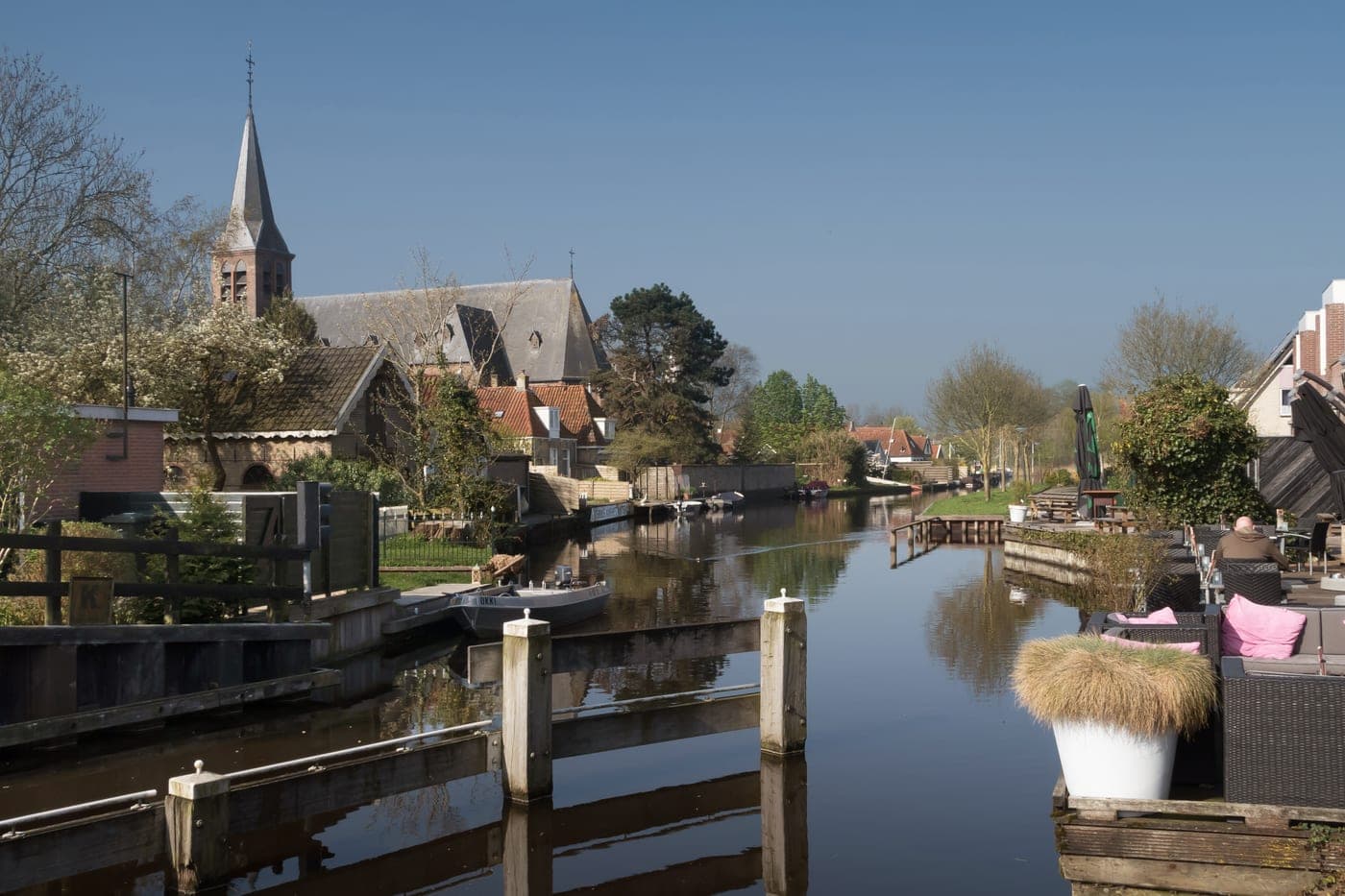
Popular Frisian sailing village with boat rentals for exploring the famous Frisian Lakes.
Boat RentalsHiking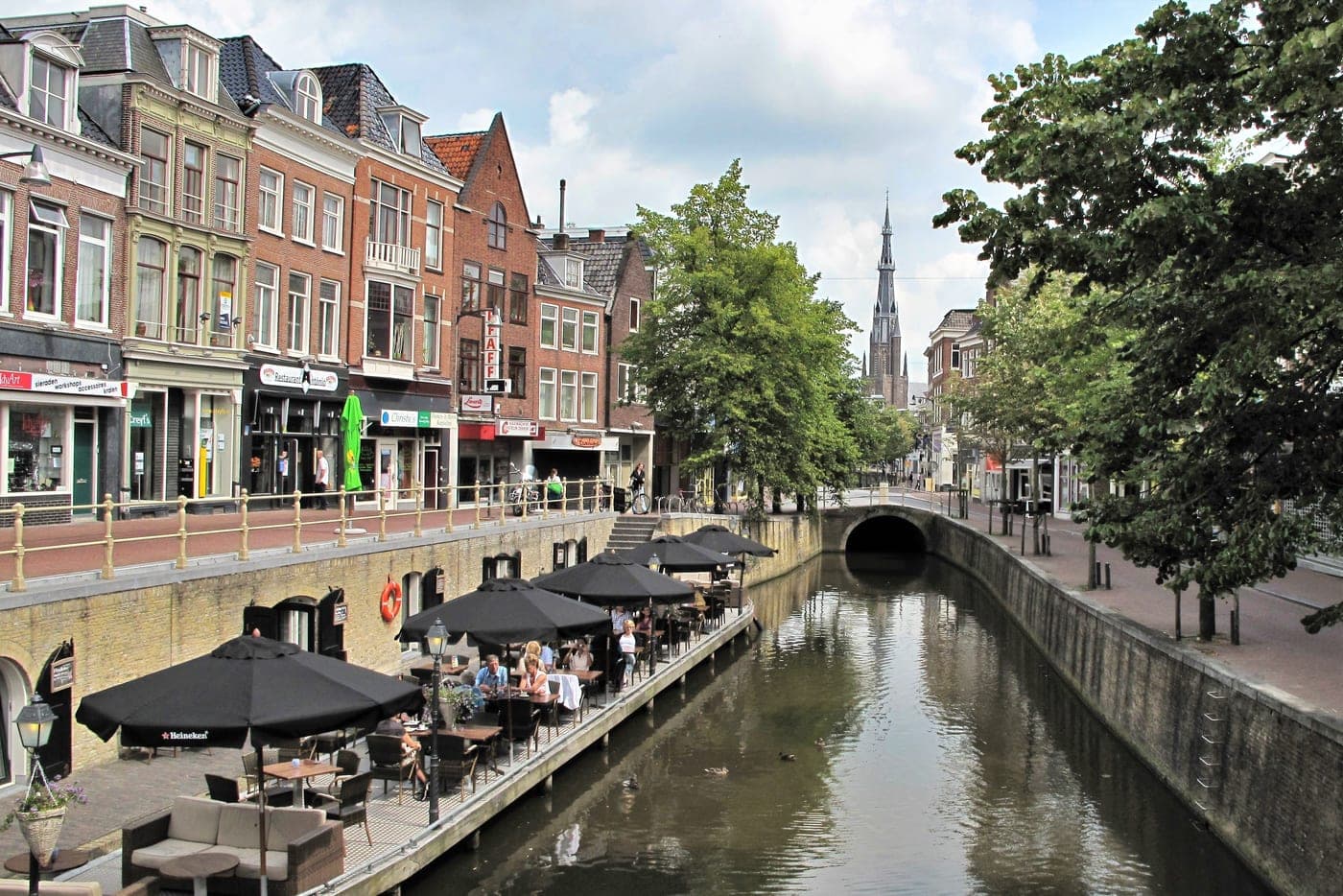 Boat Rentals
Leeuwarden
Frisian capital with boat rentals and access to the extensive Frisian water network.
Boat RentalsHiking
1 region
 Boat Rentals12 destinations
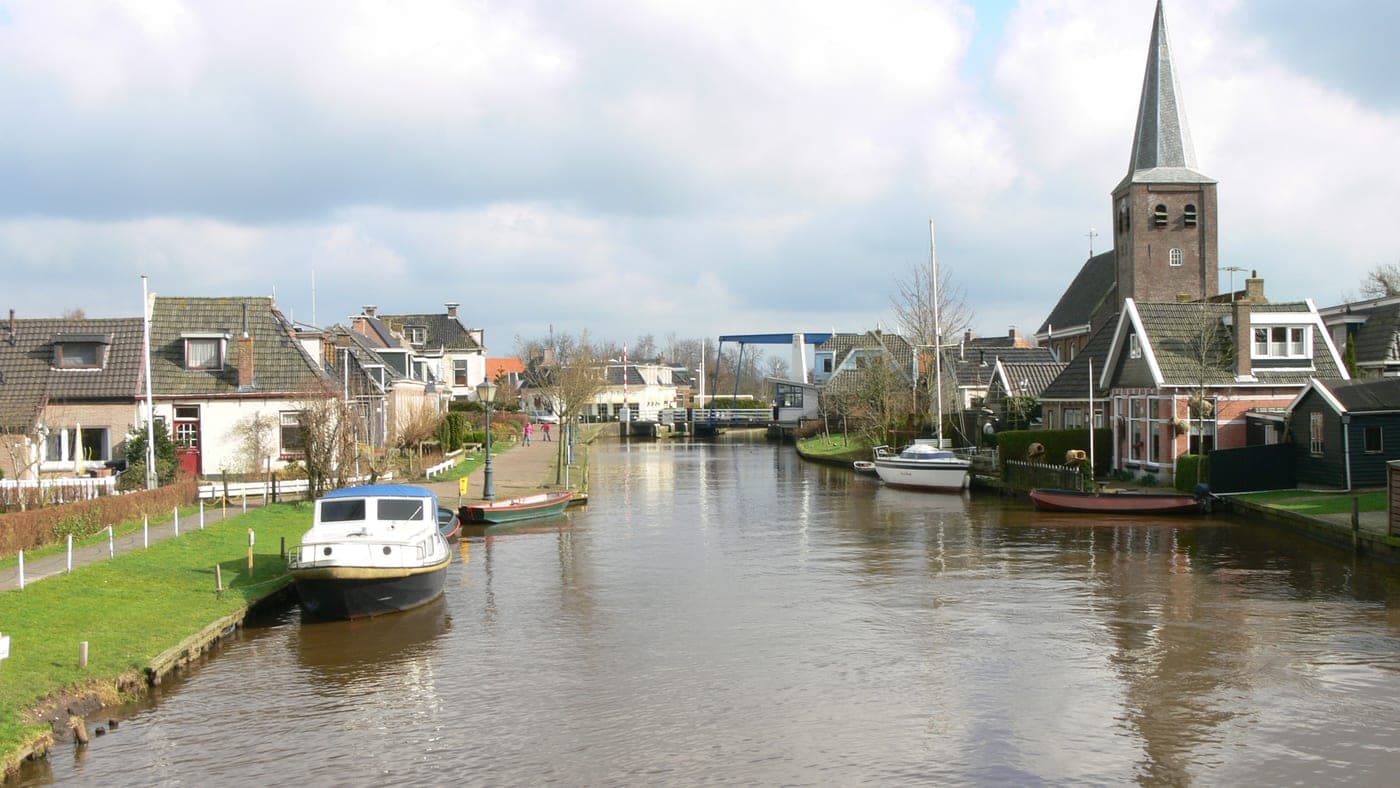
Friesland
Friesland, known for its lakes and waterways, is the largest province in the Netherlands by area. The region features unique cultural heritage, with the Frisian language recognized alongside Dutch. Leeuwarden, the capital, boasts historical architecture and was a European Capital of Culture in 2018. Small towns like Dokkum and Sneek offer cobbled streets and traditional festivals. Friesland is famous for its dairy products, particularly Frisian cheeses, and the annual Elfstedentocht, a long-distance ice skating tour. Nature lovers can explore the Wadden Sea, a UNESCO World Heritage site, and the expansive Frisian Lakes, ideal for sailing and cycling.
Boat RentalsHiking