Kibbeling
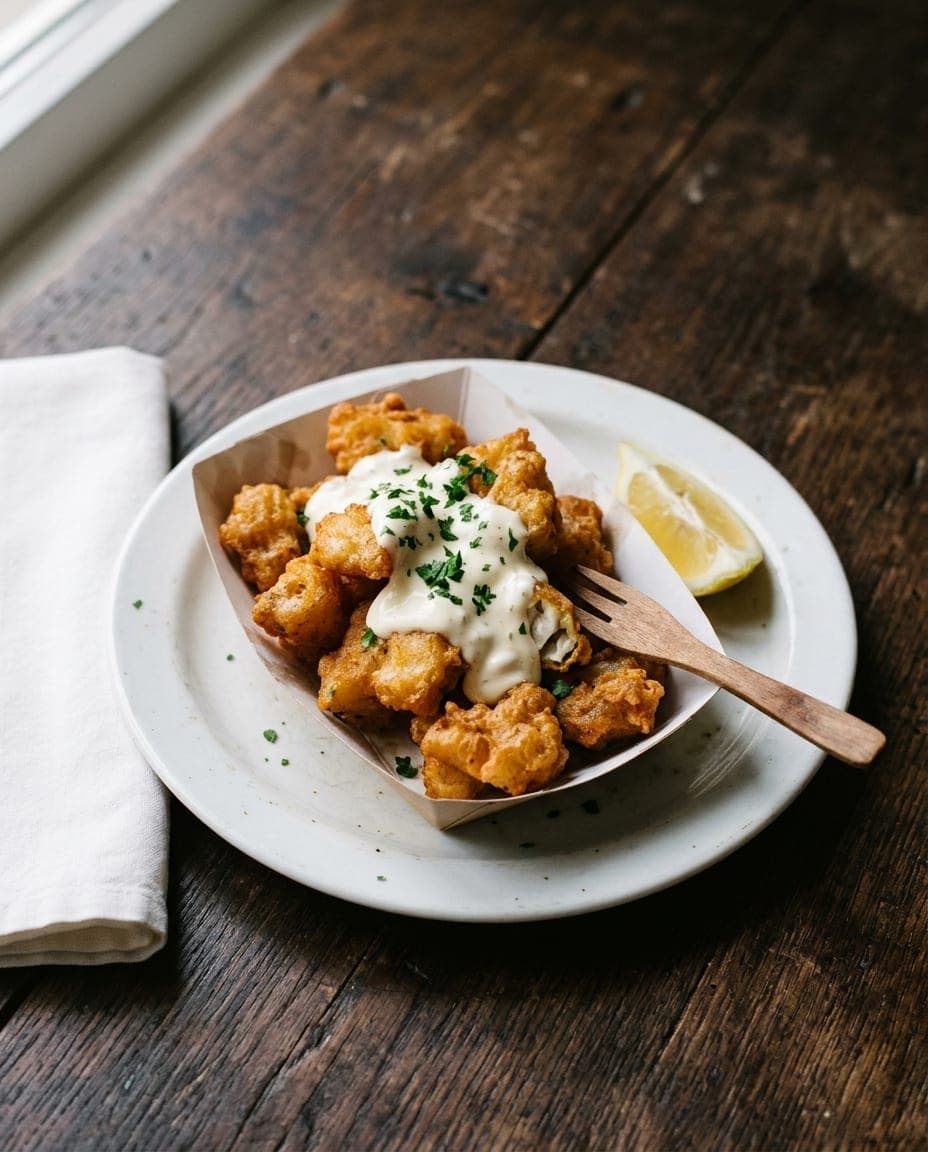
Battered fried cod, served with garlic sauce at fish stalls
- Local name
- Kibbeling
- Served with
- Garlic sauce, lemon
- Best eaten at
- A Dutch market fish stall
- Pairs with
- Cold beer
What it is
Kibbeling is a simple dish of battered and deep-fried white fish, now one of the most recognisable sights at markets across the Netherlands. The name originally referred to cod cheeks and other salted cod offcuts, by-products of the catch that were sold cheaply to the working class. Today, the term covers any bite-sized piece of white fish coated in a light, seasoned batter and fried until golden.
The dish is not served on a plate with cutlery. It arrives hot in a paper tray or a cardboard box, often held in one hand while the other reaches for a tub of sauce. The texture is crisp on the outside and soft inside, with a flavour that relies entirely on the quality of the fish and the seasoning of the batter. It is a food of the streets and the harbours, designed to be eaten quickly without fuss.
Where it comes from
The origins of kibbeling are tied to the fishing traditions of the Dutch coast and the inland waters. In the past, when cod cheeks were abundant and cheap, they were sold alongside other parts of the fish that were less desirable for fine dining. The origin of the name kibbeling is uncertain; it is usually linked to kabeljauw, the Dutch word for cod, and its cheeks, and the dish began as an affordable snack for fishermen and labourers.
Over time, the availability of cod cheeks became inconsistent due to changing fish stocks and regulations. As the supply of cheek meat dwindled, cooks adapted the recipe to use fillets of cod or, increasingly, cheaper white fish such as Alaska pollock, hake or whiting, cutting them into uniform chunks. The name remained, even though the original ingredient is now rare in commercial preparations. This shift turned a specific by-product into a general category of fried fish that could be made with whatever white fish was fresh and affordable on any given day.
The dish found its permanent home at the Dutch market fish stall. The Netherlands has a strong tradition of mobile fishmongers setting up stalls in town squares, harbour fronts, and busy streets. These stalls are the primary destination for kibbeling, rather than sit-down restaurants.
How it is made
The preparation relies on keeping the batter light so it does not overwhelm the delicate flavour of the fish. The chunks of white fish are usually cut into cubes roughly two centimetres wide, ensuring they cook quickly and evenly in hot oil. A seasoned flour mixture is used to coat the pieces, sometimes with a small amount of beer or milk added to the dry mix to create a thin batter that adheres well without becoming heavy.
The fish is deep-fried in batches until the coating turns a pale golden brown. The oil must be clean and hot enough to seal the surface immediately, preventing the batter from absorbing too much fat while ensuring the inside remains moist. Once cooked, the pieces are drained briefly on paper before being placed in the serving tray. The entire process is designed for speed and volume, allowing the vendor to keep a steady supply of hot food moving through the crowd.
What goes into it
The ingredients are minimal by design, focusing on the quality of the fish and the seasoning of the batter rather than complex flavourings. While every stall has its own variation, the core components remain consistent:
- White fish: Originally cod cheeks and offcuts, now cod, pollock, hake or whiting cut into bite-sized chunks.
- Seasoned flour: A mixture of plain flour, salt, pepper, and sometimes a pinch of paprika or garlic powder for subtle depth.
- Liquid for the batter: Water, milk, or occasionally beer is mixed with the flour to create a thin coating that fries up crisp.
- Oil: Neutral vegetable oil or sunflower oil for deep-frying at high heat.
- Garlic sauce: A creamy emulsion of mayonnaise, crushed garlic, and lemon juice served in a separate tub.
- Lemon wedges: Fresh lemon slices provided on the side to squeeze over the hot fish just before eating.
The fish is what should come through; the batter is thin enough to be a coating rather than a crust, and the garlic sauce does the rest.
How to eat it
Kibbeling is almost exclusively eaten as a street food item or a quick lunch at a market stall. It is rarely found on the menu of a formal restaurant, though some casual eateries near the water may serve it. It is bought by weight or by the portion and handed over in a paper tray, still steaming.
The tray is held in one hand and the chunks lifted with the fingers or a small wooden fork. Lemon goes on straight away, while the batter is hot, and each piece is dipped in the garlic sauce on the way to the mouth. Eating it plain is possible and nobody does it.
It pairs naturally with a cold beer, which is often sold alongside the food at these stalls. The cold foam of the beer complements the warm, salty fish, making it a popular choice for a midday break or a snack after a walk along the harbour. On market day the stall becomes a social hub where locals and visitors alike stop to share a tray.
Curious facts
- The cheek meat was once the star. The original kibbeling used the cheeks and offcuts of the cod, cheaper than the fillets. Today, these parts are rarely seen in the dish.
- A name of uncertain origin. The word kibbeling is usually traced to cod and its cheeks, reflecting its history as an affordable food for the working class rather than a gourmet item.
- No cutlery required. Served in a paper tray with finger-friendly chunks, it belongs with herring and bitterballen among the Dutch foods that need no knife and fork.
- A national staple. It is found all over the Netherlands, wherever there is a market with a fish stall.
- Sauce is expected. The garlic sauce, or the herby ravigotesaus, is treated as part of the dish, and every stall offers a tub.
Where to try it
A viskraam — the market fish stall — in a town square or on a harbour front. Every Dutch town has one on market day; at a good one the fish goes into the oil when the order is placed rather than sitting under a lamp.
The coastal towns of Flevoland, Noord-Holland and Zuid-Holland have permanent stalls on the water. Supermarkets sell frozen kibbeling in bags, which is the same idea and a different food.
Where to try it
1 destination
1 region
 Boat Rentals2 destinations
Flevoland
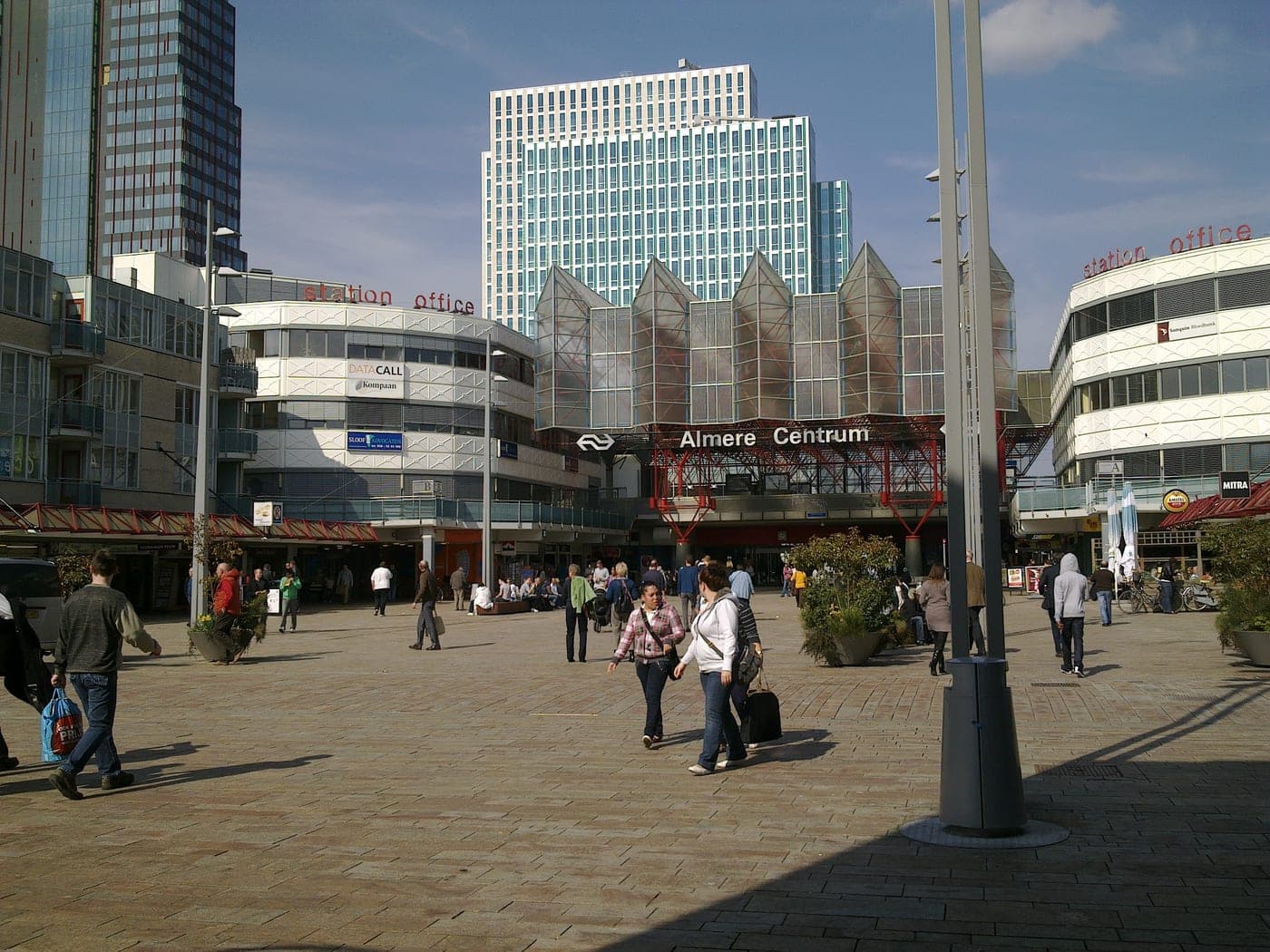
Flevoland, the youngest province in the Netherlands, was reclaimed from the Zuiderzee, showcasing innovative land reclamation techniques. Almere, the largest city, features modern architecture and a vibrant cultural scene, while Lelystad, the provincial capital, offers museums like the Batavialand, highlighting the region's maritime history. The area's unique landscapes include the Oostvaardersplassen nature reserve, home to diverse wildlife. Flevoland is also known for its agricultural practices, particularly in tulip cultivation. This province provides an opportunity to explore modern Dutch life alongside historical insights, making it a fascinating destination beyond typical tourist trails.
Boat RentalsHiking