Sirop de Liège
Thick apple and pear syrup from Belgium's Pays de Herve, served with Herve cheese and meatballs
- Vegetarian
- Local name
- Sirop de Liège
- Served with
- Boulets, bread, Herve cheese
What it is
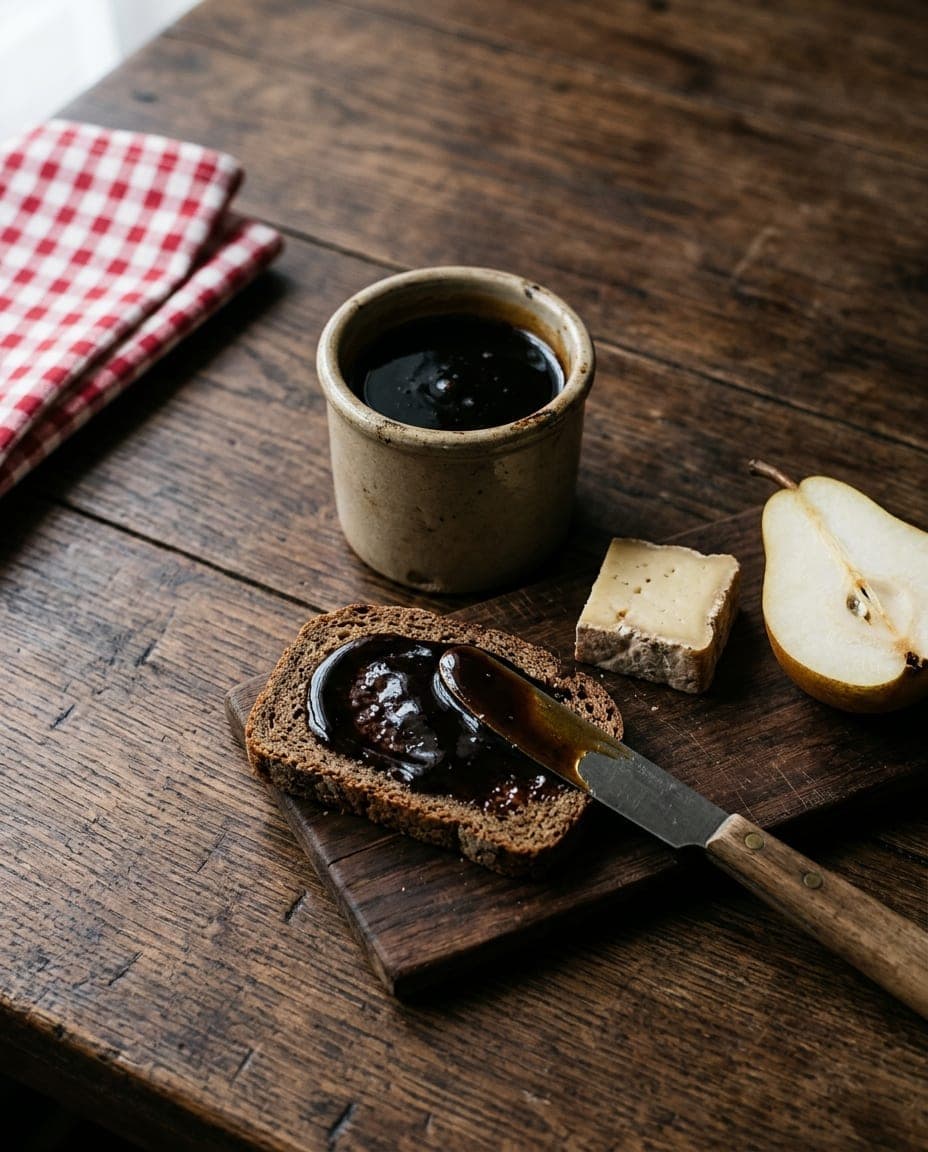
Sirop de Liège is a thick, dark fruit spread from the Pays de Herve, the hedged orchard country east of the city of Liège in Wallonia. Despite its name, which translates literally to "syrup of Liège", the product is closer to a very dense jam or a stiff jelly than to a liquid syrup. It has a near-black colour and a texture that holds its shape on a knife, requiring some effort to spread.
The substance is made from pears and apples grown in the region's orchards, sometimes with dates included. The fruit is cooked for hours and pressed, and the resulting juice is boiled down until it reduces to a thick paste; roughly eight kilos of fruit make one kilo of syrup. In the artisanal version no sugar is added and the sweetness comes entirely from the concentrated fruit sugars, although the large industrial brands do add sugar. The result is intensely sweet with a sharp, tart edge that cuts the fat of the ingredients it accompanies.
It is a regional speciality rather than a dish eaten across all of Belgium, and its production is concentrated in the orchard country of the Pays de Herve, around towns such as Aubel and Herve. The name itself is not protected by an EU geographical indication; the best-known industrial version is sold under a registered trademark.
The history of the harvest
The origins of sirop de Liège lie in the practical needs of the Pays de Herve, a landscape defined by small fields, hedgerows and orchards. Historically, the region produced large quantities of pears and apples each autumn, and local accounts trace syrup-making here to the 17th century. Before modern refrigeration, farmers needed reliable ways to preserve this glut of fruit so it would not spoil before it could be consumed or sold.
Boiling down the juice into a thick, stable paste offered a solution that required no added sugar and kept well for long periods. The process turned a seasonal abundance into a year-round staple. Over time, the spread moved beyond simple preservation to become a valued local ingredient. Today a handful of artisanal makers still follow the traditional method of slow reduction in copper vats during the autumn harvest, alongside a couple of industrial producers.
The product reached a wider market in the 20th century, when family siroperies in Aubel and Herve began producing it on a larger scale. Its flavour still depends on the local pear and apple varieties of the Pays de Herve. While the exact date of the first recorded recipe is not always clear in public records, the method has been a standard practice for generations among local producers.
How it is eaten
The most traditional way to eat sirop de Liège is spread very thinly on bread, often alongside a slice of Herve cheese. This combination is a classic pairing in the region. The strong, pungent flavour of Herve cheese, which grows softer and more pungent with age, balances the intense sweetness and sharp fruitiness of the syrup. The saltiness of the cheese cuts through the sugar, creating a complex bite that is both savoury and sweet.
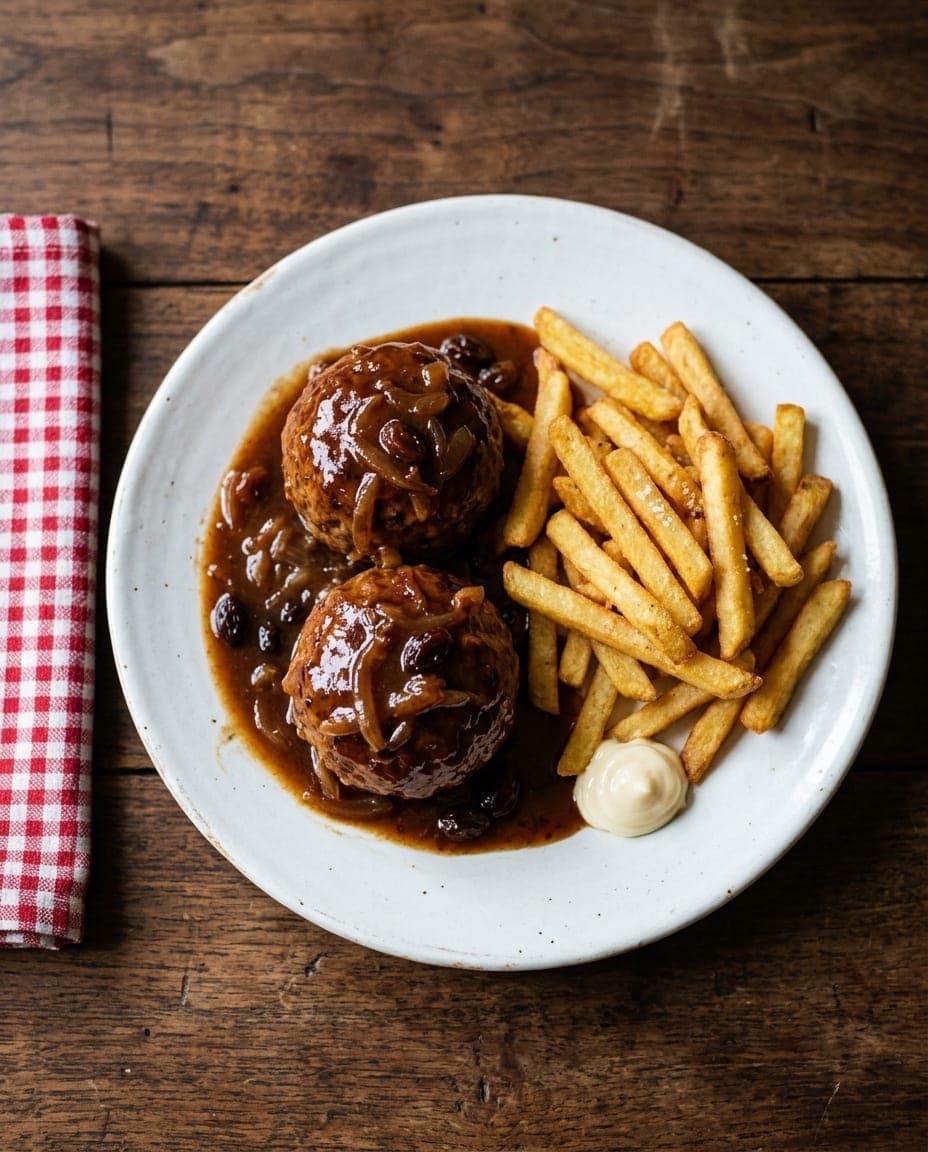
In the kitchen, the syrup plays a different role as a key ingredient in the sauce for boulets à la liégeoise. These are meatballs made from beef or pork, traditionally served with potatoes. The sirop is used to darken and sweeten the gravy, adding depth of flavour that cannot be achieved with sugar alone. It gives the sauce a glossy appearance and a deep, fruity undertone that complements the savoury meat.
The syrup can also be eaten on its own as a spread for toast or crackers, though its intensity means it is best enjoyed in small amounts. Around Liège it also turns up with local pancakes such as boûkètes and with lacquemant waffles, but it is most at home alongside strong flavours, acting as a counterpoint rather than a simple sweetener.
Curious facts
- No added sugar (in the artisanal version). Traditional makers rely entirely on the natural sugars of the fruit reduced over hours; industrial versions add sugar.
- A lot of fruit. Roughly eight kilos of pears and apples go into one kilo of artisanal syrup.
- A dark colour. The reduction process turns the juice a near-black shade, making it look more like a dark jam than a clear syrup.
- A regional staple. It is most closely associated with Aubel, Herve and the wider orchard country east of Liège, rather than being a national Belgian product.
- A meat sauce secret. The syrup is essential for the traditional gravy of boulets à la liégeoise, where it provides colour and a distinct fruity depth.
Where to try it
The best place to taste sirop de Liège is in the Pays de Herve itself, particularly around Aubel and Herve, where some local producers still make it by hand in the autumn. Small farm shops and regional grocers in the area often stock the product alongside other local specialities. You will find it served with bread and Herve cheese in traditional cafés throughout Wallonia, especially those that focus on regional cuisine.
In Liège city, you may also encounter it as part of a dish featuring boulets à la liégeoise. The combination of the dark syrup with strong cheese is a signature experience of the region, best enjoyed slowly to appreciate the balance between the sharp fruit and the salty dairy.
Where to try it
1 destination
 Wine Tasting
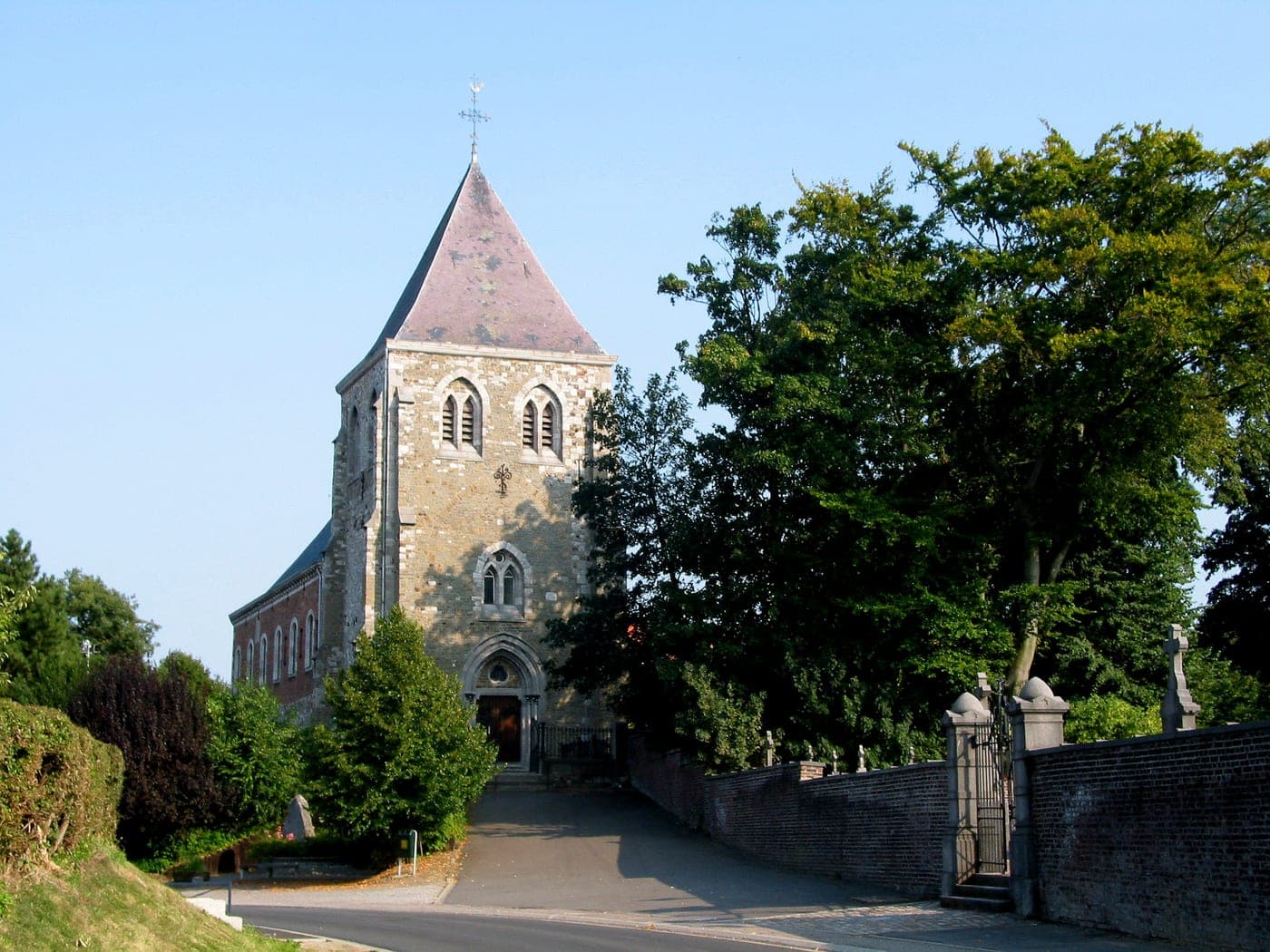
Fexhe-le-haut-clocher
Small Liège province village with 13th-century church and rural calm.
Wine TastingHiking
1 region
 Wine Tasting5 destinations
Wallonia
Wallonia, the French-speaking region of Belgium, is known for its rich history and diverse landscapes. It is the largest region in the country, featuring cities like Liège, Namur, and Charleroi, each with unique cultural offerings. The region is famous for its stunning countryside, dotted with picturesque villages, and the Meuse River, which provides scenic vistas and outdoor activities. Wallonia is also home to several UNESCO World Heritage sites, including the Grand-Hornu industrial complex. The area boasts local specialties like artisan cheeses and Trappist beers. For history enthusiasts, the medieval towns of Durbuy and Bouillon offer a glimpse into the past with their ancient castles and cobblestone streets. Wallonia's hidden gems and natural beauty create a compelling backdrop for a leisurely exploration of Belgian heritage.
Wine TastingHikingLocal Cuisine