Saison
A dry, spicy farmhouse ale from Hainaut, brewed for summer workers
- Alcoholic
- Local name
- Saison
- Served
- Cellar-cool, in a tulip glass
- Best eaten at
- A Hainaut brewery tap
- Pairs with
- Charcuterie, local cheese
What it is
Saison is a dry, spicy farmhouse ale that originated in the French-speaking region of Wallonia, specifically in the province of Hainaut. It is not a nationwide style like pilsner, but a regional speciality tied to the rural landscape of south-western Belgium. The name itself means "season", referring to the time of year when the drink was traditionally brewed and consumed.
Historically, these beers were made on farms during the cooler months, from late autumn through early spring. The brewing took place when cool temperatures allowed for fermentation without spoiling. Once the beer was ready, it was set aside to be drunk later by the saisonniers, the seasonal farm workers who arrived in summer to harvest crops. These workers needed a light, refreshing drink to sustain them through hard labour, one that also offered some nutritional value from the grain.
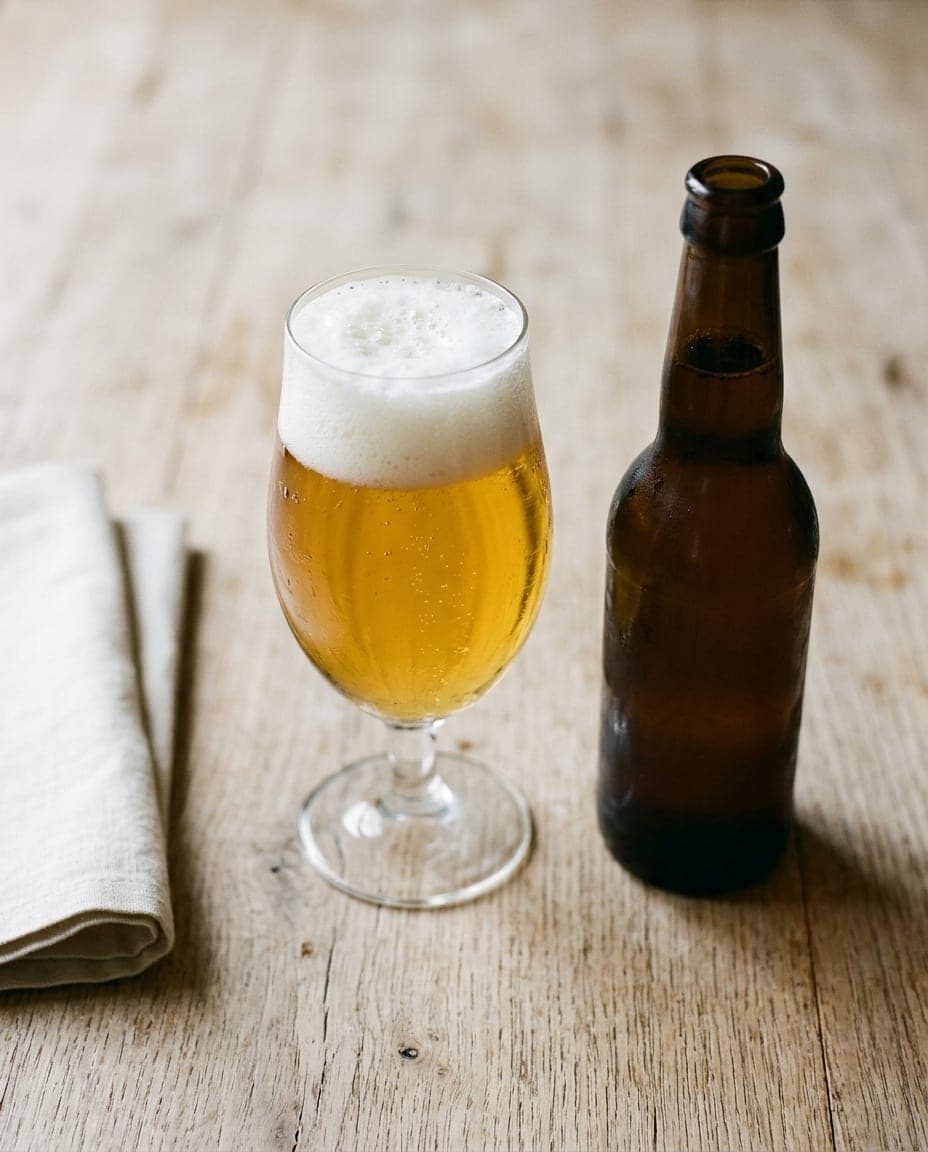
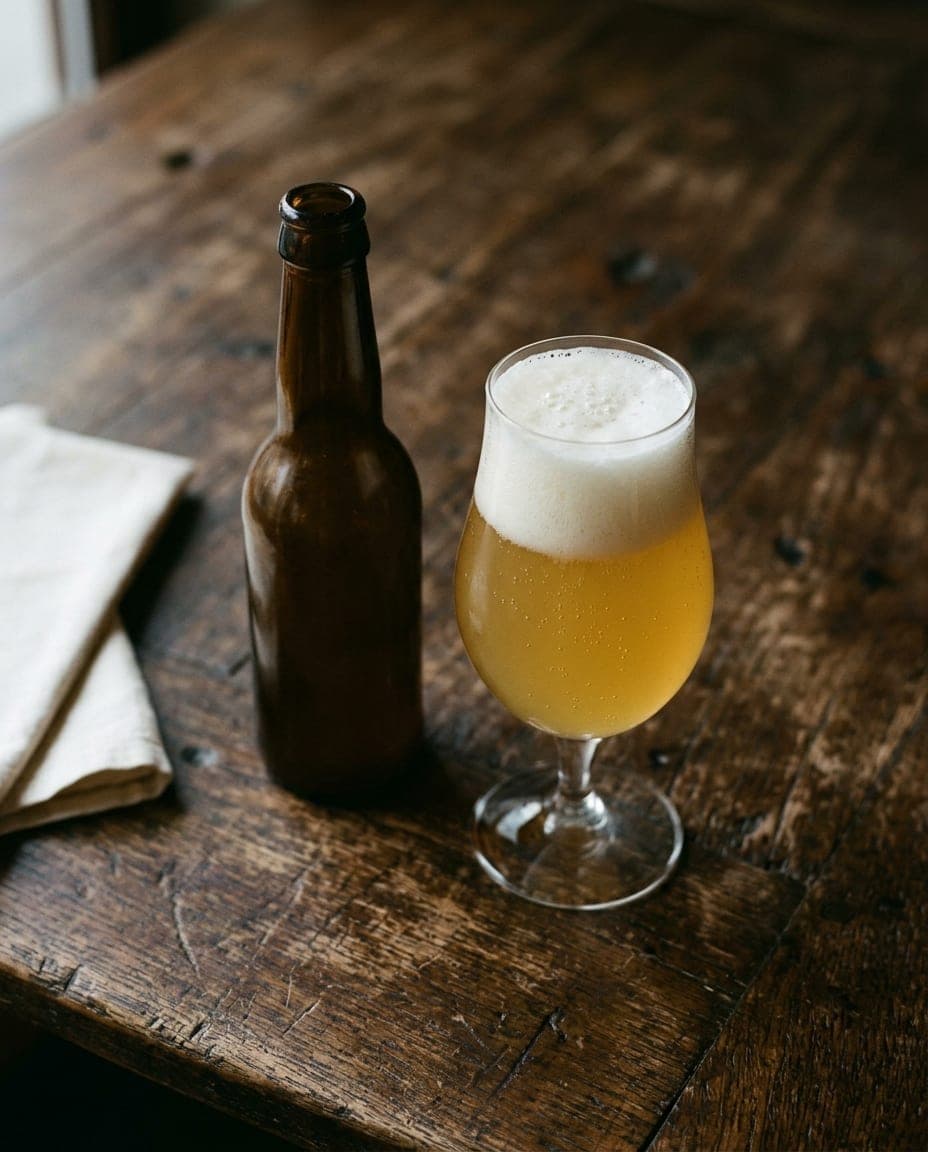
The result is a golden to amber liquid that is often described as dry and sharply carbonated. The finish is clean and bitter, with a distinct peppery or spicy character derived mainly from the yeast rather than from added spices. A large, foamy head sits atop the glass, created by high levels of natural carbonation. While the historical versions were brewed at low strengths, often around 2 to 4 per cent, so that workers could keep working, modern interpretations are usually 5 to 8 per cent and more complex.
The origins of the farm worker's drink
The most widely accepted account of saison's origin links it directly to the agricultural cycles of Hainaut. Farmers would brew the ale when the weather was cool enough to control fermentation, making it hoppy and dry enough to keep through the summer. The beer was brewed in winter or early spring and stored in cellars or barrels, then served cool during the hot summer months when workers arrived from other regions.
The saisonniers were often temporary employees who came to the farms for harvest seasons. They drank the beer as a source of refreshment and calories. The high carbonation and dryness made the drink thirst-quenching, while the alcohol and hops helped it keep before refrigeration. This practical purpose shaped the style: it needed to be refreshing, stable, and capable of being served in varying conditions without losing its character.
Over time, the term saison became associated with this specific type of farmhouse ale from Wallonia. The style nearly vanished in the 20th century as industrial brewing took over and traditional farm brewing declined. Many small breweries closed or switched to mass-produced lagers. A few Hainaut breweries kept making saison, and in the late 20th century interest returned, partly driven by American brewers who studied the old styles and began recreating them with a focus on the unique yeast profiles and dry finishes.
What goes into it
Saison is defined more by its character than by a strict set of ingredients, but there are consistent elements found in traditional versions. The base usually consists of pale malt, sometimes with wheat, oats or spelt, which provides a light colour and a neutral canvas for the yeast to express itself. The defining feature is the yeast strain, which produces the signature spicy, peppery, and sometimes fruity notes that distinguish it from other ales.
Hops are used generously by Belgian standards, giving a moderate to firm bitterness alongside a spicy, earthy aroma. Some brewers add spices such as coriander or herbs, though most traditional examples rely on the yeast alone. The high carbonation is a hallmark of the style, often achieved through bottle conditioning where yeast continues to ferment sugar in the bottle, creating natural fizz.
The dryness is another key trait. The yeast consumes most of the available sugars, leaving a finish that is crisp and clean rather than sweet or syrupy. This makes the beer feel light on the palate despite its potential alcohol strength. The foam is usually thick and long-lasting, a result of the protein content in the malt and the vigorous carbonation.
How it is served
Saison is traditionally served cellar-cool, not ice-cold, to allow the aromas to develop fully. It is poured into a tulip glass, which helps trap the complex bouquet while supporting the large head of foam. The glass shape also allows the drinker to appreciate the visual clarity and the effervescence rising through the liquid.
In Hainaut, the beer is best experienced at a local brewery tap or in a rustic tavern where it is poured directly from the cellar. The temperature should be around 10 to 12 degrees Celsius, cool enough to refresh but warm enough to release the spicy and fruity esters produced by the yeast. The foam should be left intact, as it acts as a barrier that preserves the aroma until the first sip.
Pairing is straightforward: the beer's dryness and spice cut through rich foods without being overwhelmed by them. It sits well with charcuterie such as smoked sausages or cured ham, and complements local cheeses like those from the region of Hainaut. The carbonation helps cleanse the palate between bites, making it a versatile companion for a meal or a snack.
A story in the glass
The history of saison is one of near extinction and revival. In the mid-20th century, as modern brewing methods became dominant, few farmers continued to brew their own ale, and the style survived mainly in a handful of Hainaut breweries, one of them in a farmstead at Tourpes. From the 1980s interest began to return, helped by a new generation of small Belgian brewers.
American craft brewers played a significant role in keeping the style alive. They studied the few remaining examples and began brewing their own versions, often adding new twists while respecting the core character. This cross-Atlantic exchange helped define what a modern saison looks like, though the original Wallonian versions remain distinct in their dryness and regional yeast profiles.
The revival was not just about recreation; it was about understanding the context of the drink. This led to a renewed appreciation for its farmhouse roots, with some small producers still brewing in farm buildings and conditioning the beer in the bottle.
Curious facts
- The name means "season". The term saison refers to the time of brewing in winter and consumption in summer, not to a specific season of the year for drinking.
- High carbonation is key. The beer is naturally highly carbonated, often resulting from bottle conditioning rather than forced carbonation.
- Yeast provides the spice. The peppery and spicy notes come mainly from the yeast strain, not from added spices, in most traditional versions.
- It was a worker's drink. Historically, the beer was brewed for saisonniers, seasonal farm workers who needed a light, refreshing beverage during harvest.
- The style nearly vanished. By the mid-20th century, few farms were still brewing saison, and it was only revived through the efforts of Belgian and American brewers.
Where to try it
The most authentic experience of saison is found in Hainaut, particularly in the villages of the west such as Tourpes and Pipaix, and around Dour in the south. Hainaut is the heartland of the style, and many breweries still operate on a small scale, producing beer that reflects the local terroir. A visit to a brewery tap in these villages offers the chance to taste the beer exactly as it was meant to be: cool, fresh, and poured by the people who know its history best.
You might find a small family-run brewery where the beer is conditioned in the bottle for weeks or months before release, or a traditional rural pub where the beer is served alongside local produce and simple fare. The key is to seek out places that still value the seasonal rhythm of brewing, rather than those producing the beer year-round for mass markets.
For the traveller, a stop at a Hainaut brewery tap is a chance to taste a drink that was once made for workers but is now enjoyed by anyone who appreciates its complexity. The dry finish and spicy aroma make it a memorable companion to the landscape of Wallonia, where the fields still grow the grain that started it all.
Where to try it
2 destinations
 Wine Tasting
Estinnes
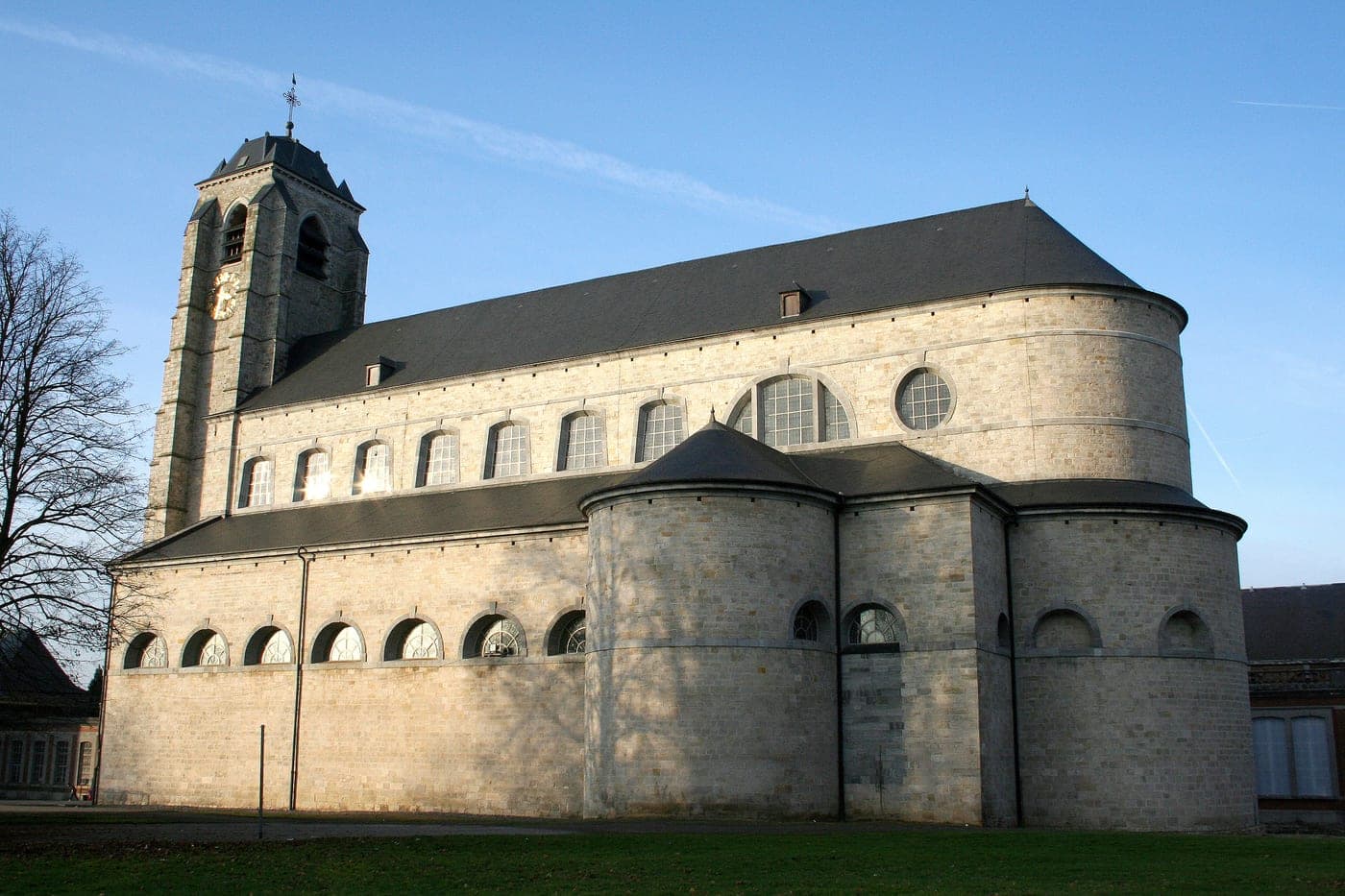
Rural Hainaut village with traditional Walloon character and farming heritage.
Wine TastingHiking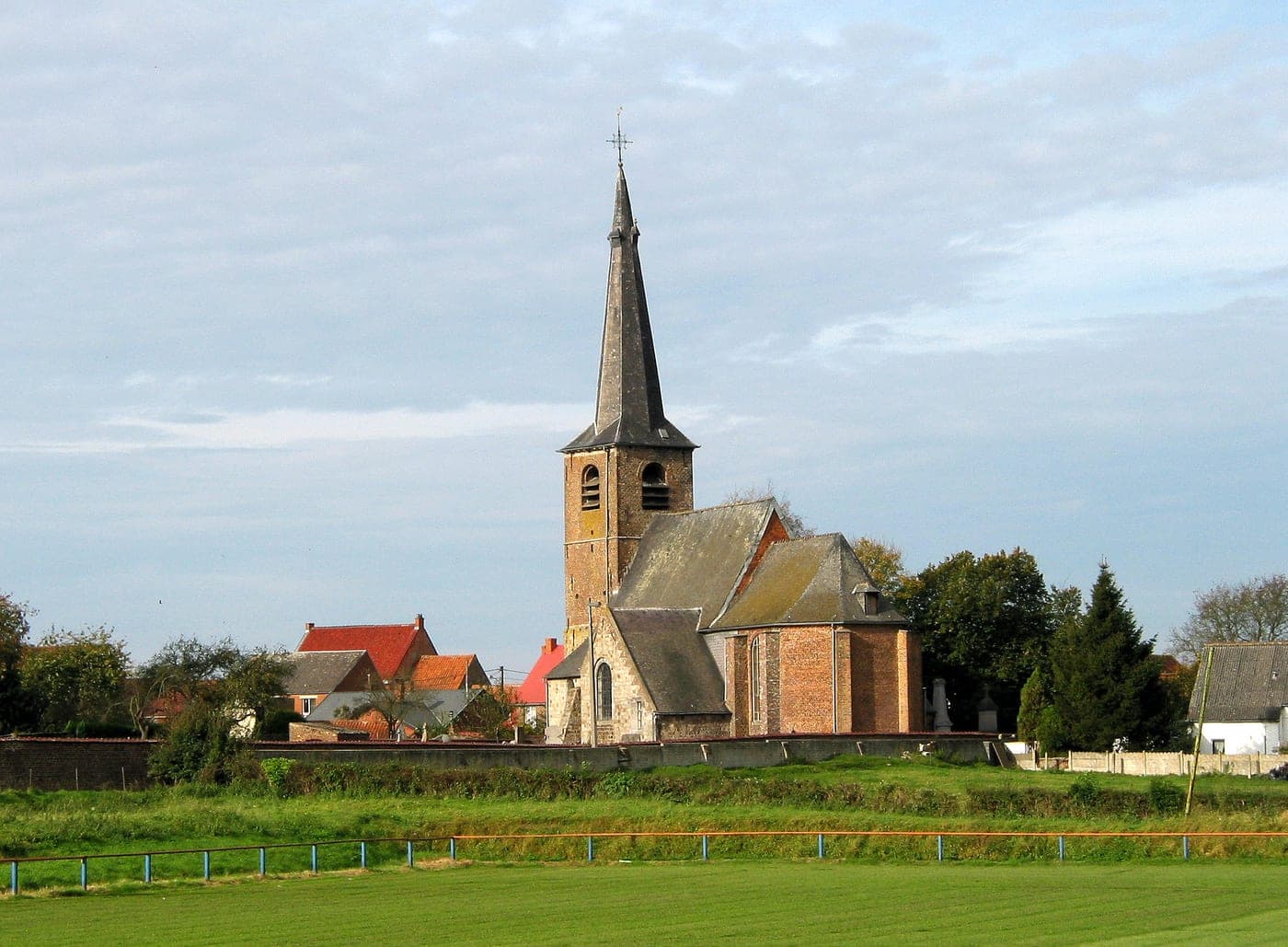 Wine Tasting
Quévy
Border village near France with rural landscapes and agricultural character.
Wine TastingHiking
1 region
 Wine Tasting5 destinations
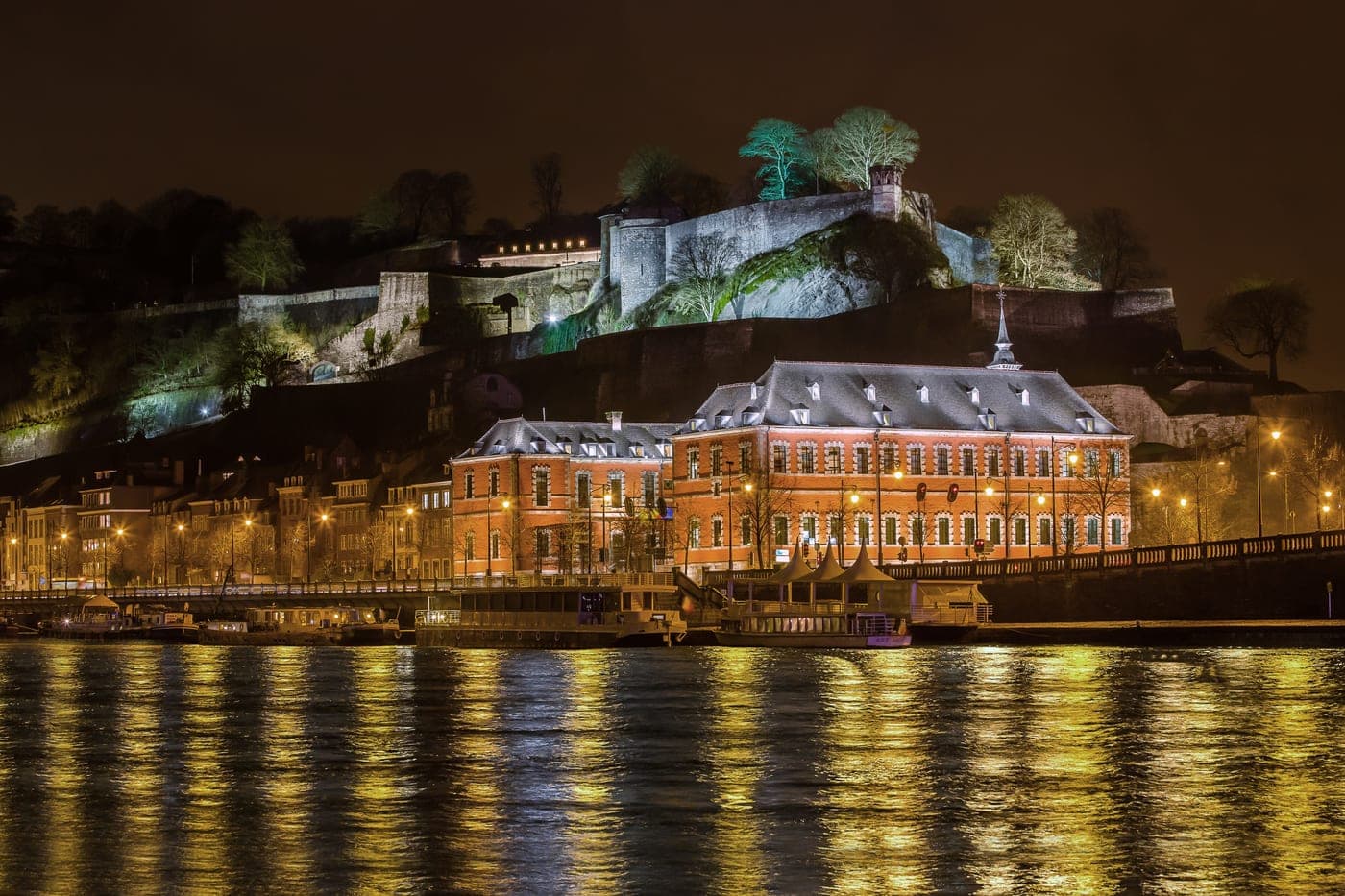
Wallonia
Wallonia, the French-speaking region of Belgium, is known for its rich history and diverse landscapes. It is the largest region in the country, featuring cities like Liège, Namur, and Charleroi, each with unique cultural offerings. The region is famous for its stunning countryside, dotted with picturesque villages, and the Meuse River, which provides scenic vistas and outdoor activities. Wallonia is also home to several UNESCO World Heritage sites, including the Grand-Hornu industrial complex. The area boasts local specialties like artisan cheeses and Trappist beers. For history enthusiasts, the medieval towns of Durbuy and Bouillon offer a glimpse into the past with their ancient castles and cobblestone streets. Wallonia's hidden gems and natural beauty create a compelling backdrop for a leisurely exploration of Belgian heritage.
Wine TastingHikingLocal Cuisine