Oudenaards bruin
A cool brown ale from Oudenaarde, brewed for the Flemish kitchen
- Alcoholic
- Local name
- Oudenaards bruin
- Served
- Cellar-cool, in a tulip glass
- Best eaten at
- An Oudenaarde café
- Pairs with
- Stoofvlees
What it is
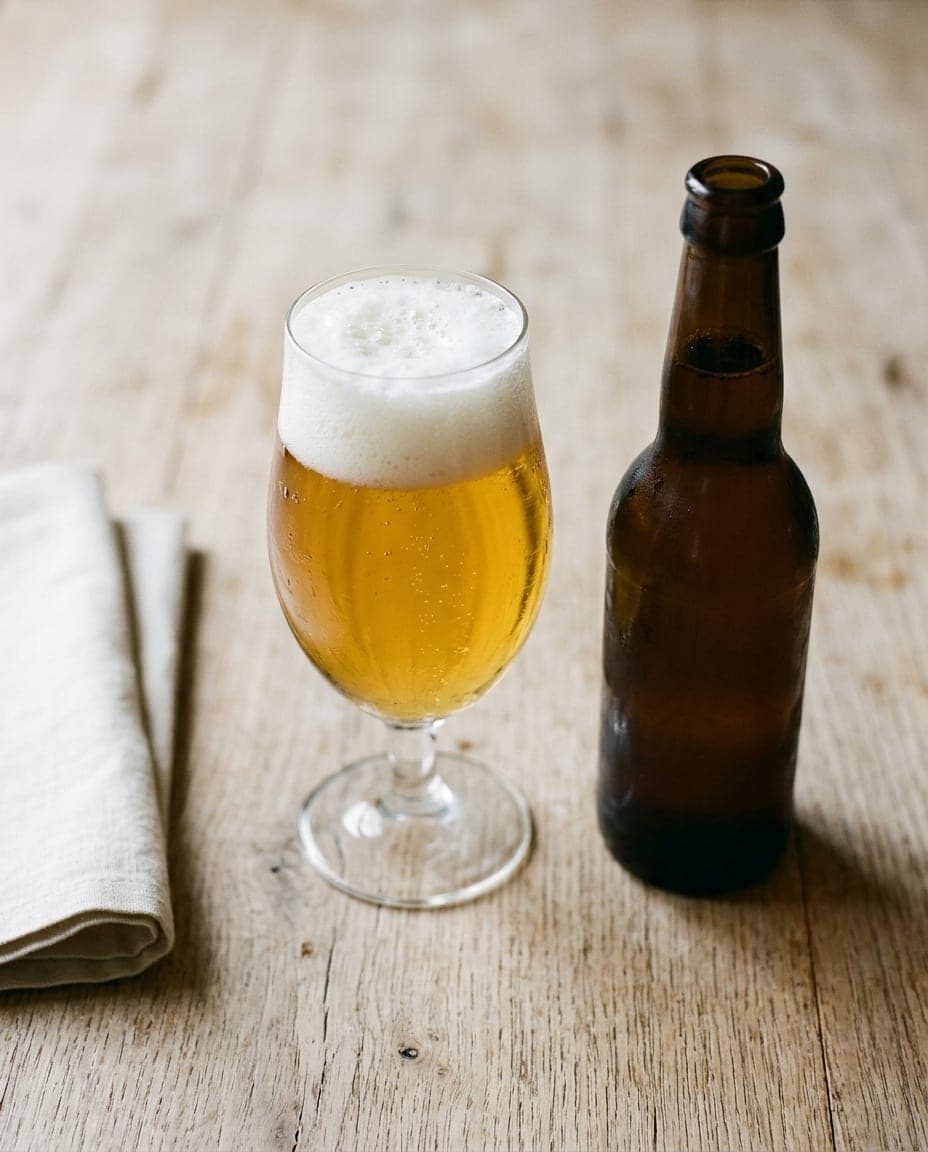
Oudenaards bruin is the signature drink of Oudenaarde, a historic town in the Flemish Ardennes of East Flanders. It is a brown ale that belongs firmly to the category known locally as oud bruin, or old brown. The beer is deep in flavour, offering notes of dark fruit, caramel and a gentle sourness that lingers on the palate, and Oudenaarde is widely regarded as the capital of the style.
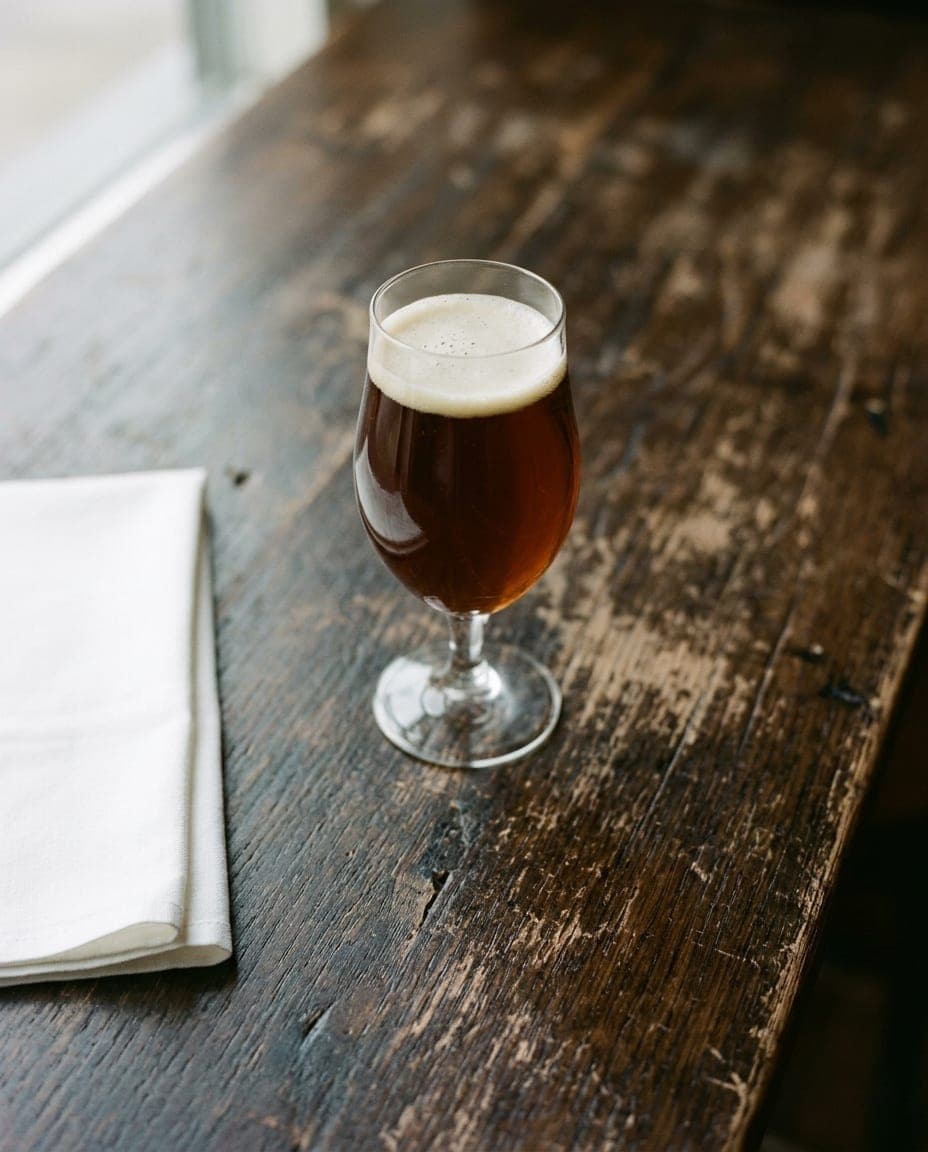
The style is not unique to Oudenaarde alone; variations of oud bruin are found across East and West Flanders. However, the version from this town has a distinct character tied to the local water and the traditional methods of its brewers. It is not a heavy, winter-only brew but a year-round staple that maintains its balance in any season. The liquid is typically reddish-brown to deep brown, with a creamy head that settles quickly.
How the town made it
Oudenaarde has been a centre of brewing since the 12th century, and from the 15th century the town earned more in taxes on beer than on wine. More than seventeen breweries once operated in the area; after the Second World War many switched to pilsner or closed, and four remain today. Since 2015 Oudenaards bruin bier has been recognised as an official Flemish regional product. The town's water is soft, rich in sodium bicarbonate and low in calcium, the traditional explanation for the beer's velvety character.
The traditional method involves long ageing with yeast and lactic bacteria, then blending older, soured beer with younger, sweeter beer. This process softens the acidity while the aged component brings complexity. The result is a drink that feels both lively and settled, a duality that reflects the town's own history of trade and craft. It is not a mass-produced lager but a beer that respects the rhythm of fermentation and time.
What goes into it
The ingredients are simple and traditional, focusing on the quality of the malt and the character of the water:
- Malted barley, including roasted or caramelised malts, providing the dark colour and the base of caramel and toffee sweetness.
- Hops, used sparingly so that bitterness stays in the background.
- Yeast and lactic bacteria, whose long, slow work produces the fruitiness and gentle sourness.
- Oudenaarde water, soft and low in calcium, which is credited with the beer's smooth texture.
The blend of young and aged beer creates a texture that is smooth yet has enough body to stand up to food. It is not a sweet syrup, nor is it dry and sharp; it occupies a middle ground that makes it versatile for drinking on its own or with a meal. It is never served warm, as the heat would mask the delicate balance between the fruit notes and the slight sourness.
How to drink it
Oudenaards bruin is best enjoyed cellar-cool, never ice-cold. This temperature allows the aromas of dark fruit and malt to rise without being numbed by the cold. It is usually served in a tulip-shaped glass or the brewery's own glass, which helps trap the aroma.
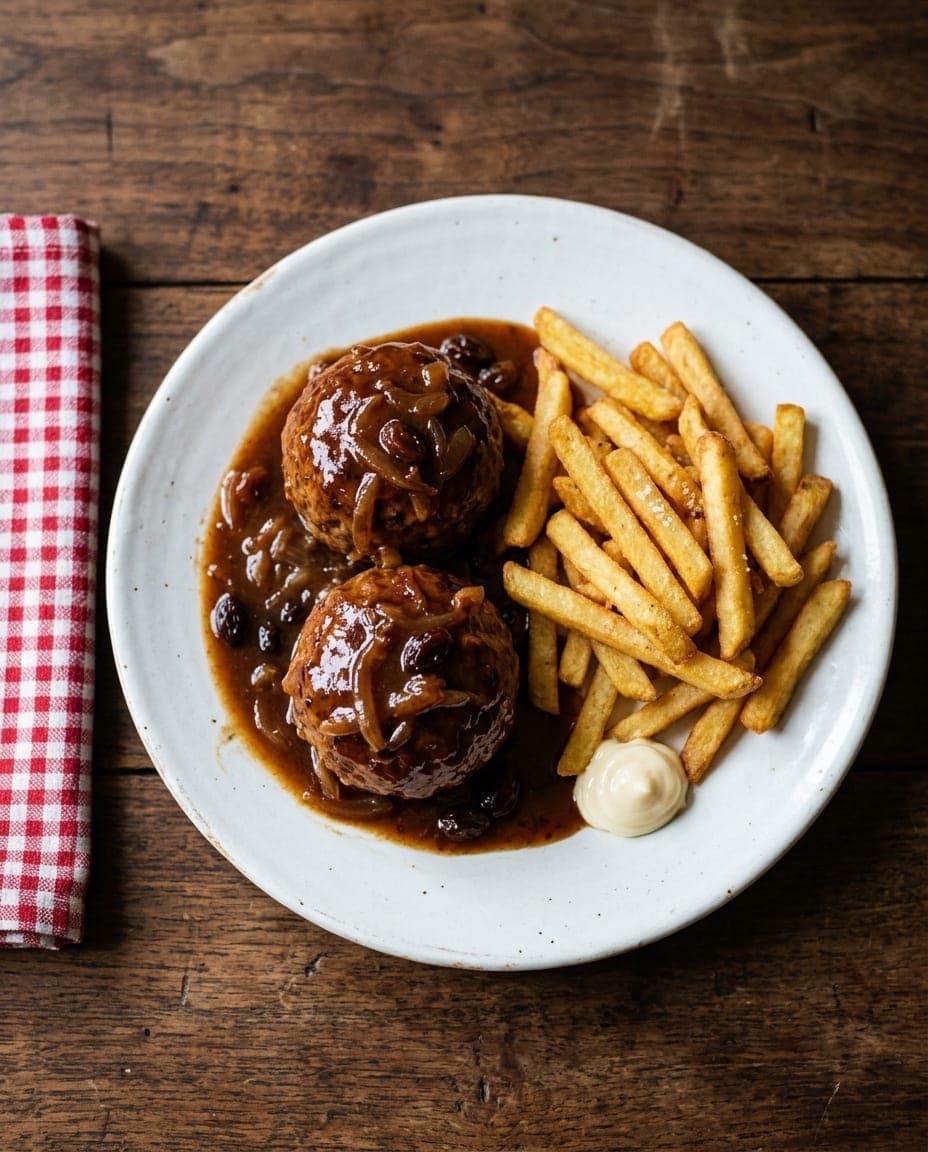
The drink finds its true partner in the local kitchen, specifically with stoofvlees, a slow-cooked beef stew flavoured with onions and brown beer. The beer's mild acidity cuts the fat of the stew, while its maltiness complements the caramelised onions, and it is a common choice for the pot as well as the glass.
The beer is easy to find in Oudenaarde's cafés, particularly those with a long history or a focus on traditional Belgian beer. It is not a quick drink to be finished in one go; it is meant to be savoured slowly, perhaps alongside a plate of local cheese or a slice of dark bread.
Curious facts
- A blend of times. Traditionally, aged sour beer is blended with younger beer to create its balance.
- Water matters. Local tradition credits Oudenaarde's soft water, rich in sodium bicarbonate, for the velvety character of the ale.
- A kitchen staple. Brown beer is the classic liquid for the Flemish beef stew known as stoofvlees, and local cooks also braise rabbit in it.
- Four breweries. Four Oudenaarde breweries still make the style, a remnant of the more than seventeen that once worked in the area.
- Year-round appeal. Unlike many seasonal ales, this style is brewed and served throughout the entire year.
Where to try it
1 destination
 Wine Tasting
Kruisem
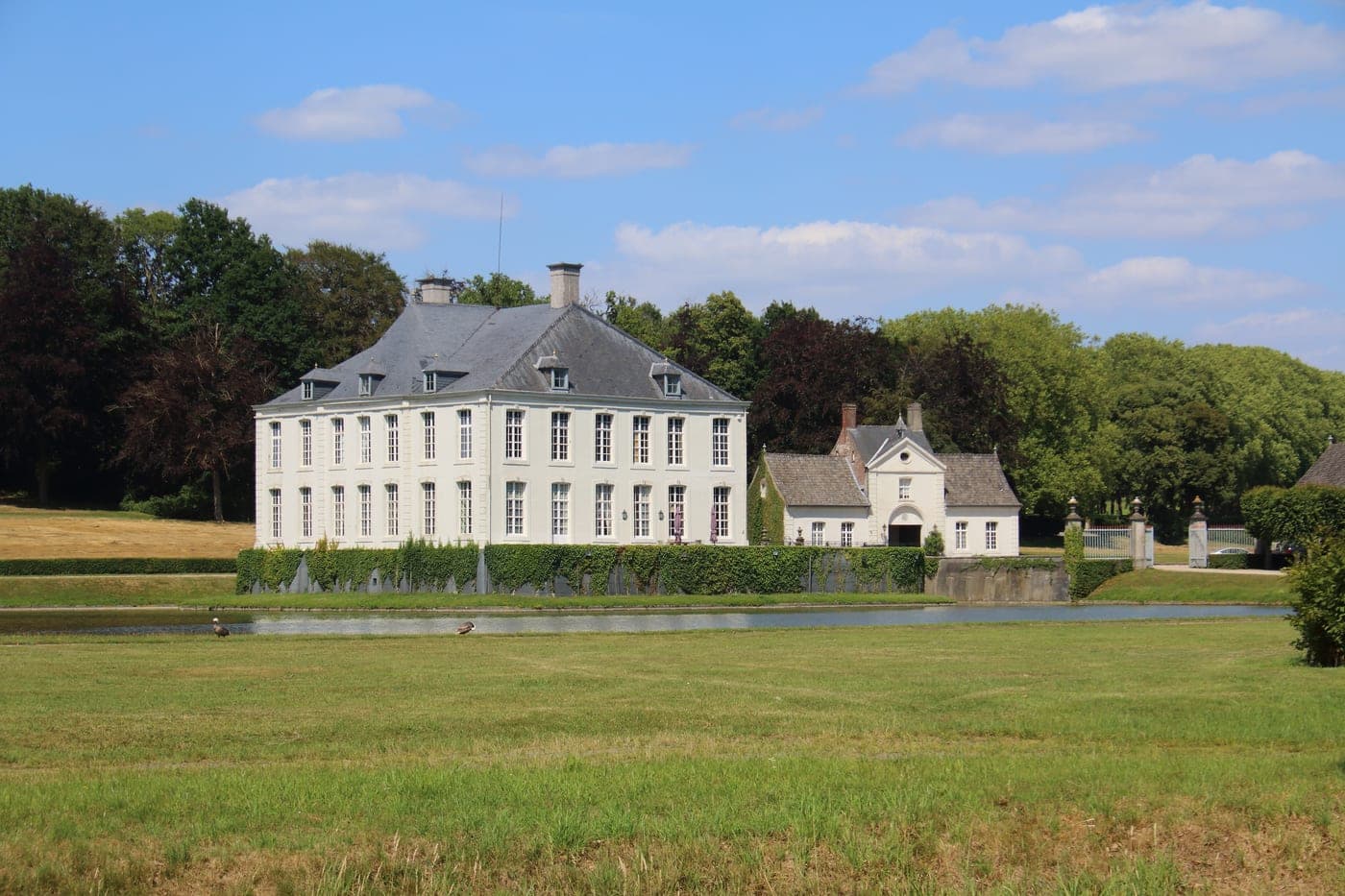
Quiet Flemish village with rural charm and traditional Flemish character.
Wine TastingHiking