Orval
Dry-hopped Trappist ale refermented with wild yeast in the bottle
- Alcoholic
- Local name
- Orval
- Served
- In its chalice, at cellar temperature
- Best eaten at
- An inn near the abbey, in the Gaume
- Pairs with
- Orval Trappist cheese
What it is
Orval is a dry-hopped Trappist ale brewed at the Abbaye Notre-Dame d'Orval in the Gaume, the far south of Belgium's Luxembourg province. It stands apart from its peers as a single beer rather than a range, defined by a unique fermentation process that sees the liquid change over time. The abbey produces one main beer and a weaker version known as Petite Orval (Orval Vert, about 4.5%), which is poured only on tap at the inn beside the abbey.
The identity of Orval rests on its refermentation in the bottle. After primary fermentation, the beer matures for about three weeks with Brettanomyces and dry hops, and is then bottled with a little sugar and a yeast blend that includes Brettanomyces, a wild yeast that continues to work inside the bottle. This biological activity means the flavour is not static. A young bottle presents a sharp, hoppy bitterness, while a bottle aged for a year or more evolves into something drier, earthier and more austere. Drinkers often treat it as a cellaring beer, laying bottles down deliberately to taste the transformation.
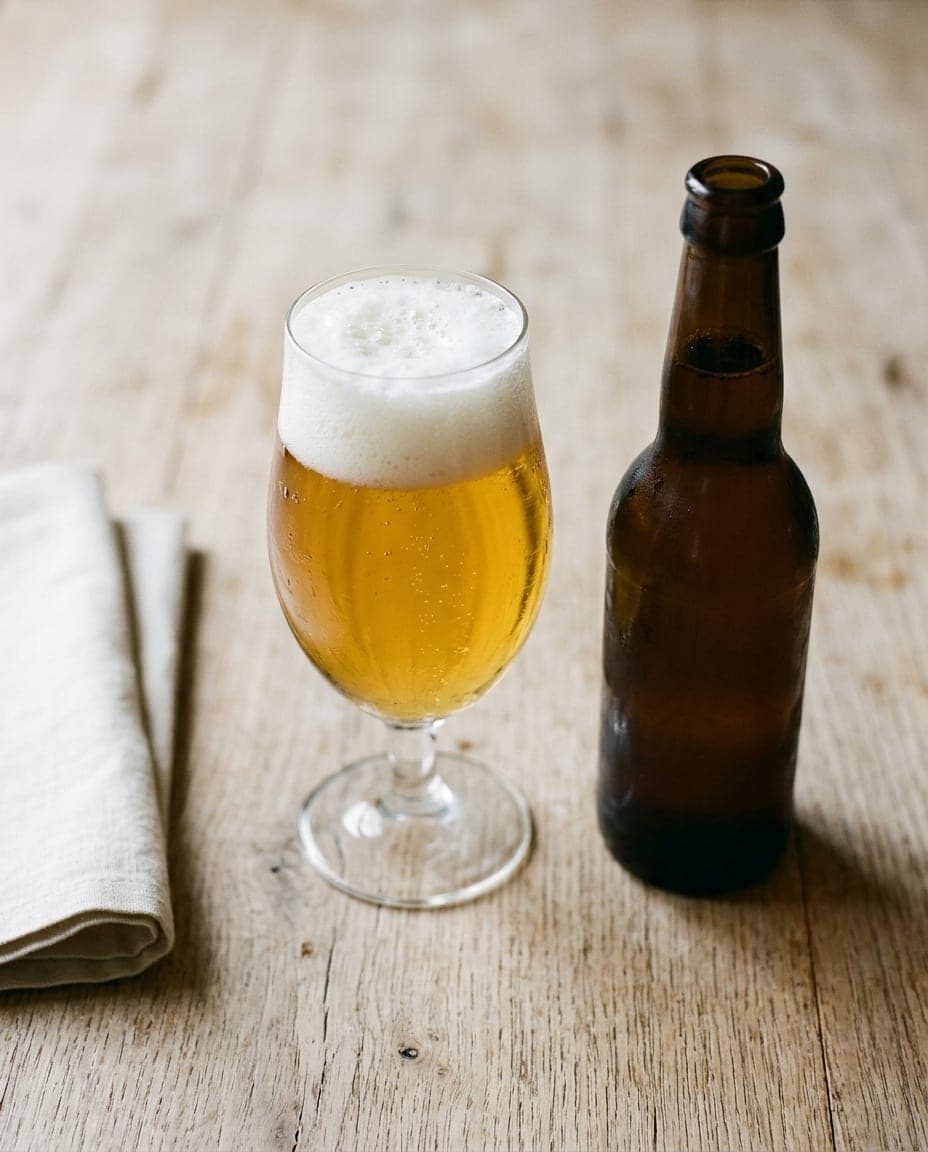
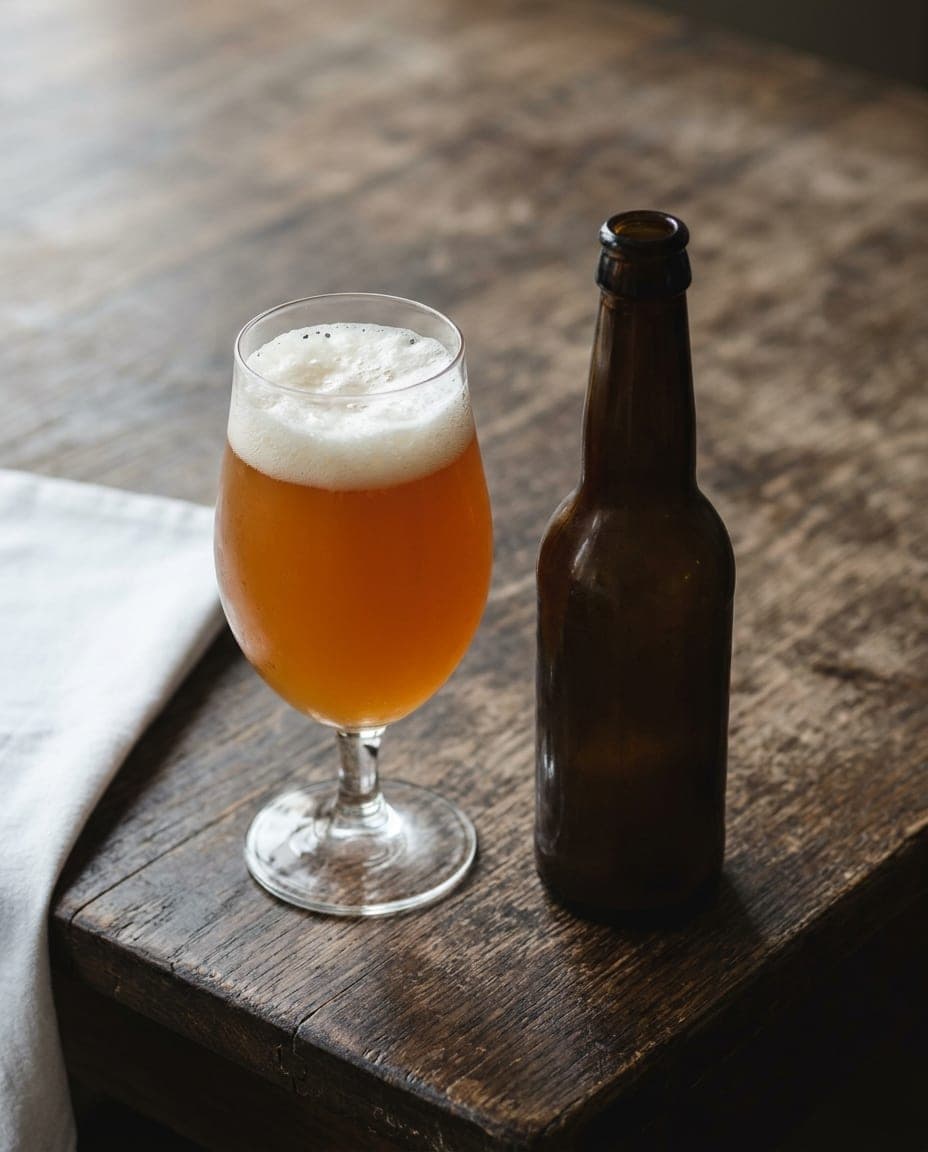
It is served in its own wide chalice at cellar temperature. The abbey also produces Orval Trappist cheese, a pressed, washed-rind cow's milk cheese made on the abbey premises since 1928, which pairs naturally with the ale. The setting for the experience matters; the best place to drink it is an inn near the abbey or in a local tavern within the Gaume region, where the atmosphere matches the beer's history.
The legend of the fish and the ring
The abbey's identity is tied to the ruins of the original structure and a story that every local knows. Legend says that Countess Mathilda of Tuscany, a widow, lost her wedding ring in a spring on the site. After she prayed, a trout surfaced with the ring in its mouth. She is said to have called the place a true val d'or, a golden valley, and to have supported the monastery in gratitude. The trout and ring still appear on the abbey's arms and on every bottle.
The tale is a legend, not a recorded historical fact, but it remains central to the site's narrative. Monks first settled here around 1070, and Cistercians arrived in 1132. The abbey was burnt by French troops during the Thirty Years' War in 1637 and destroyed again during the French Revolution in 1793. The present abbey was built between 1926 and 1948, and the brewery was founded in 1931 to help pay for the rebuilding. The ruins of the medieval abbey still stand beside it, and visitors can see the spring where the story supposedly unfolded. The legend adds a layer of mystery to the place, suggesting that the beer has always been part of a deeper spiritual connection.
How Orval is made
Orval follows the rules of a Trappist brewery, meaning it is brewed within the abbey walls under the supervision of the monks, though the daily work is done by lay staff. The proceeds from the sale support the community and charitable causes. This status places it among the few breweries recognised by the International Trappist Association.
The process begins with a standard ale fermentation, but the defining step occurs when the beer is dry-hopped and then refermented in the bottle. Unlike most beers that are stable once bottled, Orval continues to evolve due to the presence of Brettanomyces. This wild yeast consumes residual sugars and produces compounds that give the aged beer its characteristic dryness and earthy notes. The hop character fades over time, replaced by a complex, dry, rustic profile often described as earthy or leathery.
The abbey also produces Petite Orval, a lower-alcohol version drunk by the monks and served on tap at the inn beside the abbey. It is not sold commercially. The main beer is available year-round, though the experience changes depending on how long the bottle has rested.
How to drink it
Orval is poured into its own wide chalice, designed by Henry Vaes, the architect of the new abbey, to showcase the beer's colour and aroma. It should be served at cellar temperature, which allows the volatile aromas to open up without being overwhelmed by cold. The chalice shape helps concentrate the hoppy notes in the early stages while allowing the earthy tones to develop as the beer warms slightly in the glass.
The best place to drink it is an inn near the abbey or a traditional tavern in the Gaume region. Some local establishments keep older bottles, offering a chance to taste the beer at different stages of its evolution. Pairing it with Orval Trappist cheese is the traditional approach; the creamy texture of the cheese balances the dryness and bitterness of the ale.
The beer rewards patience. A young bottle might be too sharp for some palates, while an older one can seem too complex for others. Many enthusiasts buy multiple bottles at once to taste the progression over months or years.
Curious facts
- A single beer. Unlike other Trappist breweries that offer a range of beers, Orval produces only one main beer and a small local version.
- Wild yeast in the bottle. The refermentation with Brettanomyces is rare among commercial ales and gives the beer its unique ability to age and change flavour.
- A specific glass. The Orval chalice was designed by Henry Vaes, the architect who also designed the new abbey and the beer's skittle-shaped bottle.
- Cellaring culture. Drinkers often buy bottles with the intention of aging them for a year or more to experience the shift from hoppy to earthy.
- Local cheese pairing. The abbey has made its own cheese since 1928, creating a natural pairing that has been part of the tradition for decades.
Where to try it
The most authentic experience comes near the abbey in the Gaume region. Inns and taverns in the area stock the beer, and some keep older bottles, offering a chance to taste it at various stages. The abbey shop sells the main beer and the cheese, but the best atmosphere is found in the local establishments where the drink is part of daily life.
Travellers visiting the ruins or the abbey grounds can find these taverns nearby. The Gaume itself is a rural area known for its forests and quiet villages, making it a fitting setting for a beer that demands slow tasting. For those who wish to explore further, Wallonia has two other Trappist breweries, at Rochefort and Chimay, but Orval remains distinct in its character and history.
Where to try it
1 region
 Wine Tasting5 destinations
Wallonia
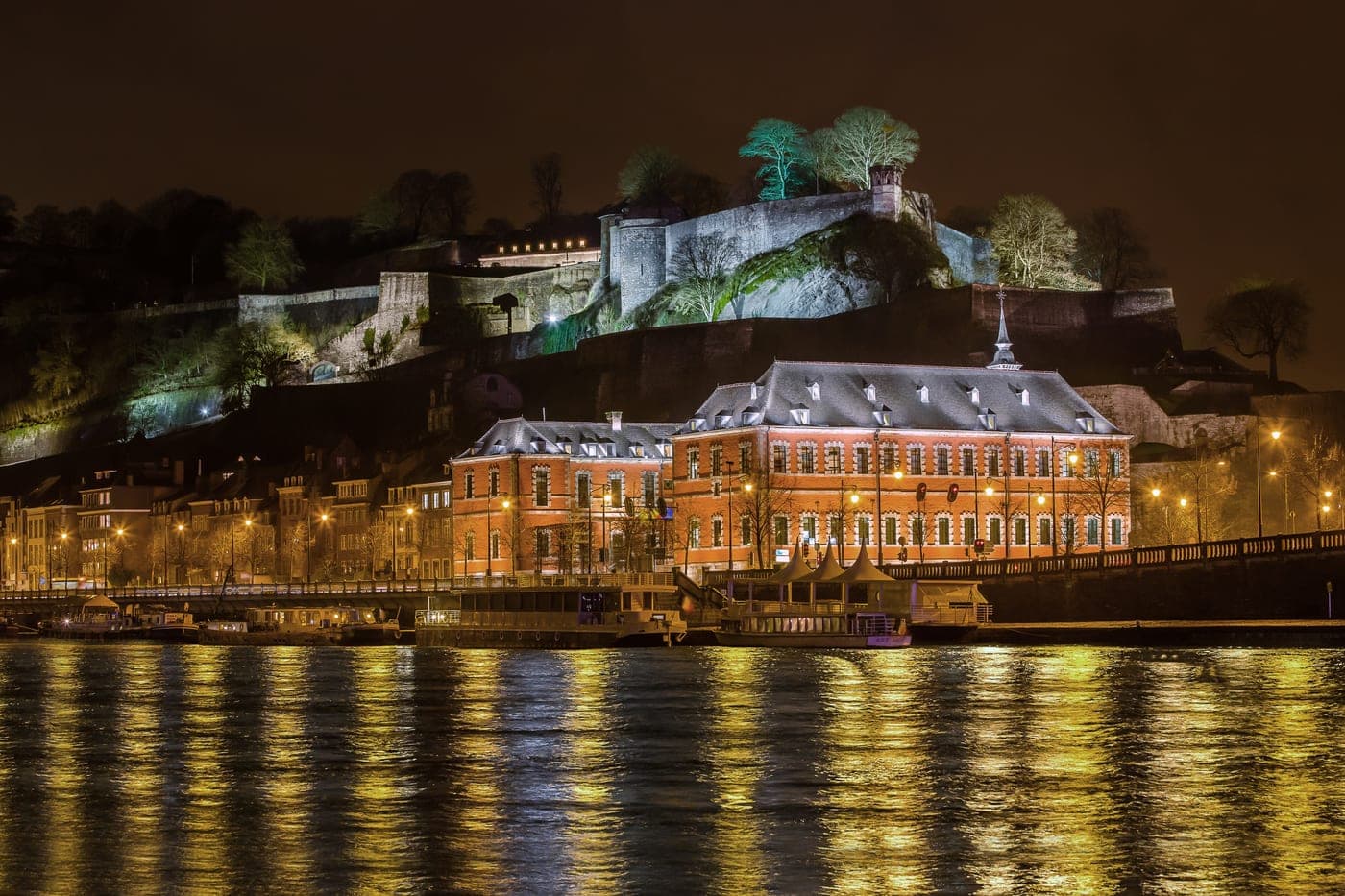
Wallonia, the French-speaking region of Belgium, is known for its rich history and diverse landscapes. It is the largest region in the country, featuring cities like Liège, Namur, and Charleroi, each with unique cultural offerings. The region is famous for its stunning countryside, dotted with picturesque villages, and the Meuse River, which provides scenic vistas and outdoor activities. Wallonia is also home to several UNESCO World Heritage sites, including the Grand-Hornu industrial complex. The area boasts local specialties like artisan cheeses and Trappist beers. For history enthusiasts, the medieval towns of Durbuy and Bouillon offer a glimpse into the past with their ancient castles and cobblestone streets. Wallonia's hidden gems and natural beauty create a compelling backdrop for a leisurely exploration of Belgian heritage.
Wine TastingHikingLocal Cuisine