Gaufre de Liège
A dense, yeasted waffle studded with caramelised pearl sugar from Wallonia
- Vegetarian
- Local name
- Gaufre de Liège
- Best eaten at
- A street waffle stand
- Pairs with
- Coffee or hot chocolate
What it is
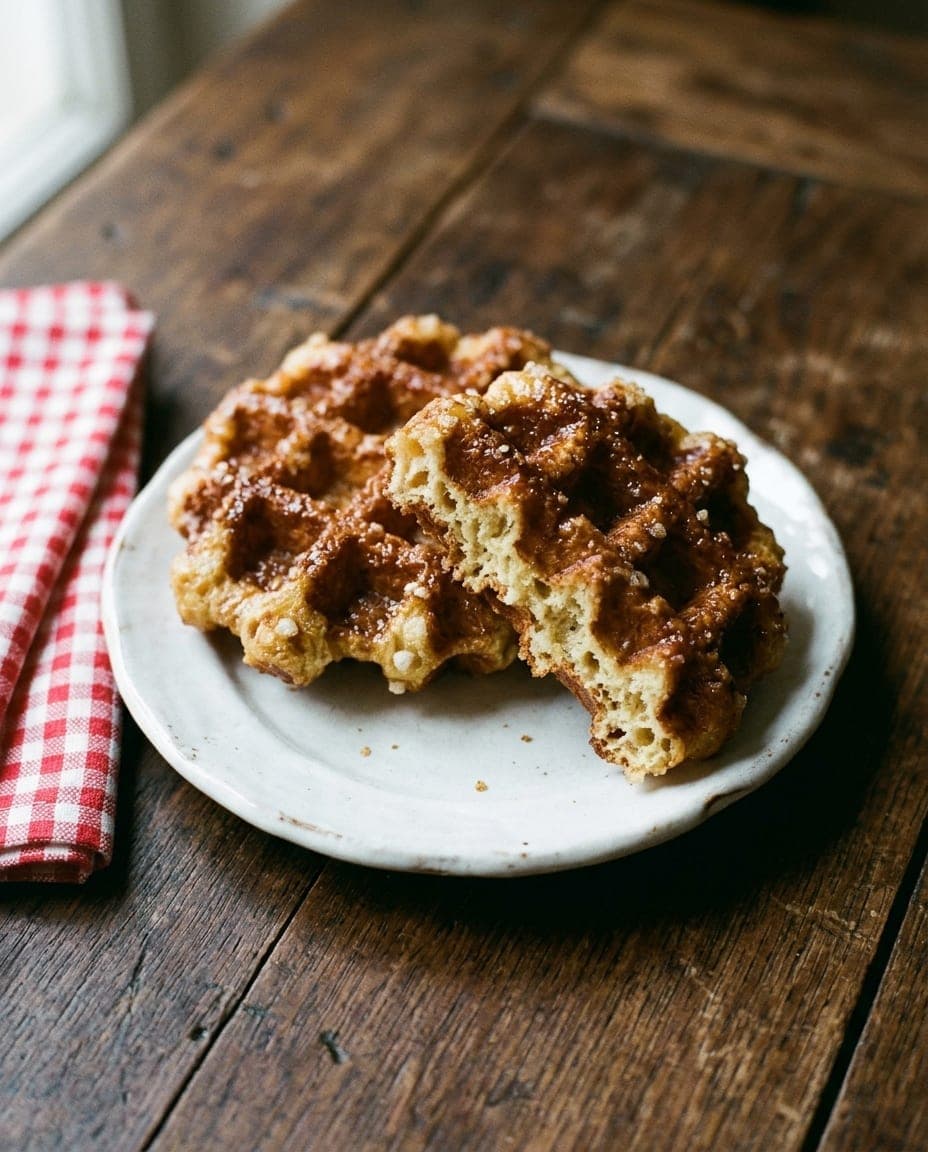
The gaufre de Liège is one of the most distinct sweet treats in Belgium, a dense waffle made from a deep, yeasted dough rather than a liquid batter. It originates from the city of Liège in the Walloon region of southern Belgium, where it remains a daily staple for locals and a frequent stop for visitors. Unlike its lighter cousin from Brussels, this pastry is heavy, buttery and chewy, with a texture that resembles a cross between a brioche bun and a traditional waffle.
The defining feature of the gaufre de Liège is the pearl sugar, known locally as sucre perlé or parelsuiker. These are hard, irregular nuggets of compressed beet sugar that do not dissolve into the dough when it is mixed. Instead, they stay whole, and those near the surface melt against the hot iron of the waffle maker to form a sticky, caramelised glaze. The result is a lacquered crust that is crunchy in spots and soft elsewhere, with a deep, burnt-sugar sweetness that permeates the pastry.
The shape is rarely perfect. Because the dough is thick and elastic, it spreads unevenly when pressed into the waffle iron, creating irregular edges and a rustic appearance. A gaufre de Liège is typically served warm, held in the hand, and eaten without any toppings. The tradition holds that the sugar inside the dough provides all the sweetness required; adding whipped cream or fruit is considered a modern alteration rather than part of the original practice.
The dough behind the crisp crust
The difference between the gaufre de Liège and other waffles lies entirely in the composition of the batter. Most waffles use a pourable mixture of flour, eggs, milk and leavening agents that spreads quickly into thin layers. The Liège version begins as a yeasted dough, similar to brioche or enriched bread dough. It is kneaded until smooth, allowing gluten to develop, which gives the final product its characteristic chewiness and substantial weight.
Butter plays a central role in this dough. Generous amounts are worked into the mixture, creating layers of fat that melt during baking to produce a tender crumb inside and a crisp exterior. The sugar used in the mixing process is standard granulated sugar, which dissolves into the dough, but the true magic comes from the pearl sugar added later. These coarse crystals are folded in just before the dough is portioned.
When the dough hits the hot iron of the waffle maker, the heat causes the pearl sugar to soften and caramelise without disappearing entirely. The sugar forms a golden-brown coating that hardens as it cools, creating a crunchy texture that contrasts with the soft interior. This caramelisation happens rapidly, often within minutes, which is why the pastry must be eaten while still warm. If left to cool completely, the sugar becomes harder and the texture less inviting.
How the Liège waffle spread
The origins of the gaufre de Liège are tied to the city itself, though the exact timeline remains a matter of local lore rather than documented history. The pastry is deeply connected to the region of Wallonia, where it is a source of pride and a common sight on street corners. While similar yeasted waffles exist in other parts of Europe, the specific combination of brioche-like dough and pearl sugar is unique to this area.
Stories often circulate about an 18th-century prince-bishop of Liège who asked his cook for something sweet and tasty, and was served the first pearl-sugar waffle. The details of the tale change with each telling. While this narrative adds colour to the dish's history, it is widely regarded as a myth rather than a verified fact. No contemporary records confirm the involvement of any specific noble figure in the creation of the pastry.
It is generally held to be older than the Brussels waffle, which is first documented in the 1840s, and it became an established part of the city's culinary landscape. It became a favourite among the working class and the bourgeoisie alike, sold from small bakeries and street carts. The simplicity of the ingredients meant it could be made in large quantities for quick consumption, fitting perfectly into the rhythm of daily life in a bustling industrial city.
Over time, the waffle spread beyond Liège to other parts of Wallonia and eventually to Brussels and the rest of Belgium. Today, it is found in bakeries across the country, though the most authentic versions are still associated with the region where it began. The pastry has also gained international recognition, appearing on menus in cities far from Belgium, often adapted to suit local tastes or dietary restrictions.
What goes into it
The ingredients of a traditional gaufre de Liège are simple and few, yet each plays a vital role in the final texture and flavour. There is no single official recipe, and bakers across Wallonia have their own variations, but the core components remain consistent.
- Flour: Strong white flour provides the structure for the yeasted dough, allowing it to rise and hold its shape during baking.
- Butter: A high proportion of butter is kneaded into the dough, creating a deep, tender crumb and contributing to the caramelisation of the sugar.
- Pearl sugar: Coarse nuggets of compressed beet sugar that do not dissolve but caramelise where they touch the iron, providing sweetness and crunch.
- Yeast: Active dry or fresh yeast leavens the dough, giving it a light, airy texture despite its density.
- Eggs: Whole eggs enrich the dough, adding colour and richness to the crumb.
- Milk: Warm milk is used to activate the yeast and hydrate the flour, creating a soft, pliable dough.
- Vanilla or cinnamon: A touch of vanilla sugar or cinnamon, depending on the baker, enhances the sweetness without overpowering the buttery notes.
The result is a pastry that is neither dry nor overly sweet. The caramelised sugar provides a concentrated burst of flavour, while the butter and eggs ensure a moist interior. The texture is dense enough to be held in one hand, yet light enough to eat quickly without feeling heavy.
How to eat it
The gaufre de Liège is designed for immediate consumption, best enjoyed while still warm from the iron. It is typically served plain, without toppings, as the caramelised sugar inside the dough provides sufficient sweetness. Adding whipped cream, chocolate sauce or fresh fruit is a modern addition that changes the character of the pastry rather than enhancing it.
The ideal setting for eating a gaufre de Liège is at a street waffle stand, often found in markets, near historic sites or along busy thoroughfares. These small stalls are usually operated by bakers who prepare the dough fresh throughout the day. The stands are simple, with heavy cast-iron waffle irons kept hot all day, and they sell the pastry on paper plates or in small cardboard boxes.
The waffle is meant to be eaten with the hands, held firmly as it cools slightly. It is common to pair it with a cup of coffee or hot chocolate, which complements the sweetness without overwhelming it. The warmth of the drink balances the intensity of the caramelised sugar, creating a simple but satisfying combination.
Some bakeries offer larger versions that can be split, while others keep them small and individual. The key is to find a stand where the dough is fresh and the iron is properly heated, ensuring the sugar caramelises correctly without burning.
Curious facts
- The sugar never melts away. Pearl sugar remains distinct in the dough, creating pockets of caramelised sweetness that do not dissolve into the batter.
- A hand-held treat. Unlike many pastries served on plates, the gaufre de Liège is designed to be eaten standing up or while walking.
- Irregular shapes are normal. The dough spreads unevenly in the iron, so no two waffles look exactly alike, and jagged edges are expected.
- No toppings required. Traditional bakers insist that the caramelised sugar inside the dough makes added toppings unnecessary and often undesirable.
- A regional staple. While found across Belgium, the gaufre de Liège is most strongly associated with Wallonia and the city of Liège itself.
- Freshness matters. The waffle is best eaten immediately after baking, as the texture changes significantly once it cools completely.
Where to try it
The best place to find a true gaufre de Liège is at a street waffle stand in Wallonia, particularly in and around the city of Liège. These small stalls are ubiquitous in the region, often located near market squares, parks or busy pedestrian zones. They are simple operations, with bakers working behind a glowing iron, preparing fresh batches throughout the day.
In Liège itself, look for stands near the Place du Marché or along the banks of the Meuse River. The city is known for its concentration of traditional bakeries that still make the waffle by hand, using time-honoured methods. Outside the city, similar stands can be found in other Walloon towns, though the quality may vary depending on the skill of the baker and the freshness of the dough.
While the waffle has become popular in Brussels and beyond, the most authentic versions remain rooted in Wallonia. Visitors seeking the true experience should head to a street stand rather than a fancy café or hotel restaurant, where the waffle might be served with elaborate toppings that detract from its original character. The simplicity of the setting matches the simplicity of the pastry, making it an ideal choice for a quick, satisfying treat during a day of exploration.
Where to try it
1 region
 Wine Tasting5 destinations
Wallonia
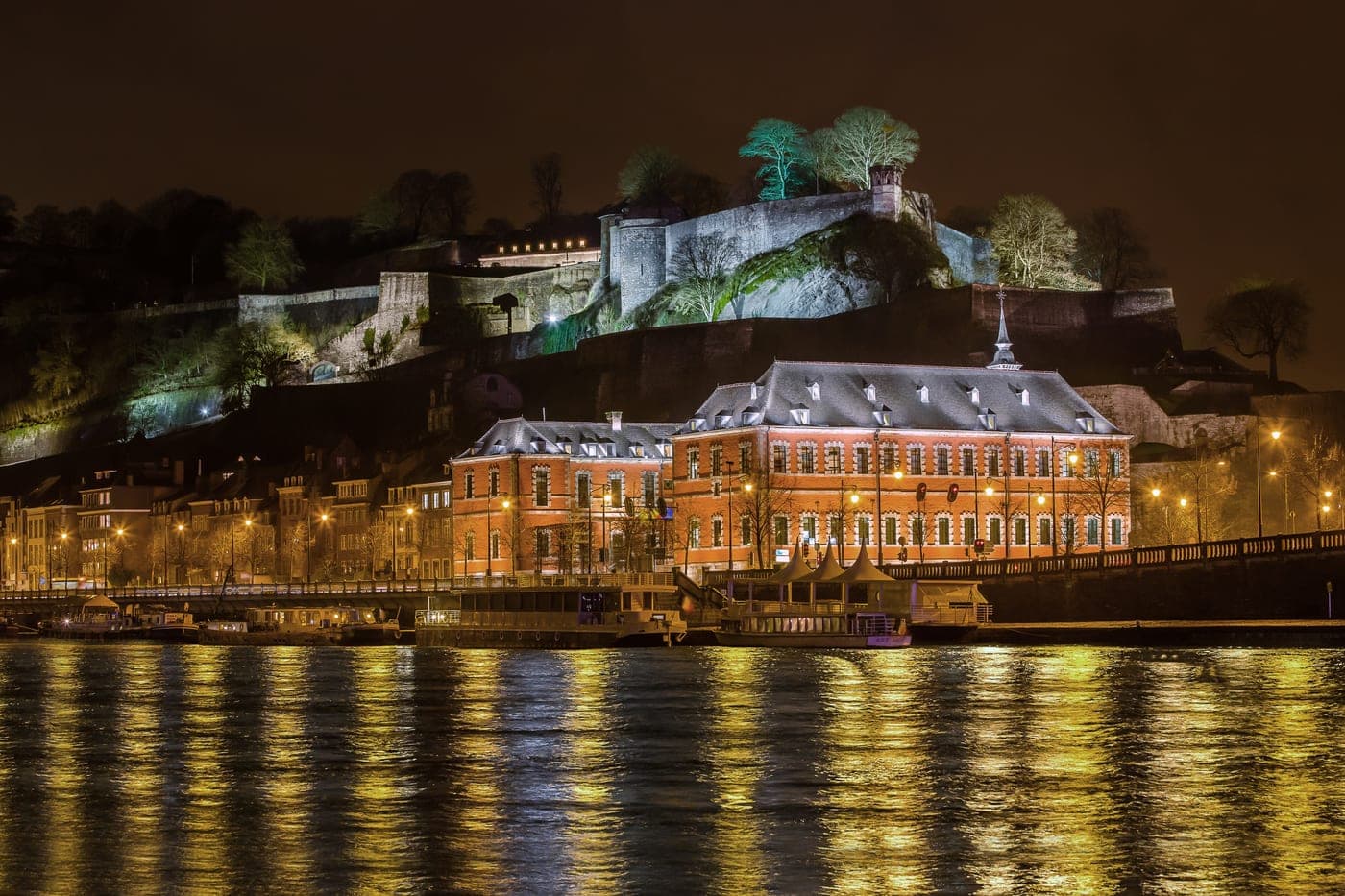
Wallonia, the French-speaking region of Belgium, is known for its rich history and diverse landscapes. It is the largest region in the country, featuring cities like Liège, Namur, and Charleroi, each with unique cultural offerings. The region is famous for its stunning countryside, dotted with picturesque villages, and the Meuse River, which provides scenic vistas and outdoor activities. Wallonia is also home to several UNESCO World Heritage sites, including the Grand-Hornu industrial complex. The area boasts local specialties like artisan cheeses and Trappist beers. For history enthusiasts, the medieval towns of Durbuy and Bouillon offer a glimpse into the past with their ancient castles and cobblestone streets. Wallonia's hidden gems and natural beauty create a compelling backdrop for a leisurely exploration of Belgian heritage.
Wine TastingHikingLocal Cuisine