Murphy's Irish Stout
A smooth Cork stout, brewed since 1856
- Alcoholic
- Local name
- Murphy's Irish Stout
- Served
- Pint, with a creamy head
- Best eaten at
- A Cork city pub
- Pairs with
- Oysters
What it is
Murphy's Irish Stout is a dark, full-bodied beer first brewed in Cork city in 1856 by James J. Murphy and his brothers, and owned since 1983 by Heineken. It is Cork's best-known stout and the main local alternative to the Dublin stout that dominates the rest of the island; nationally its share is small, but in Cork it holds a loyal following, long shared with the city's other stout, Beamish. The beer is known for a softer, less bitter profile than its Dublin rival, with notes of caramel, malt and chocolate.
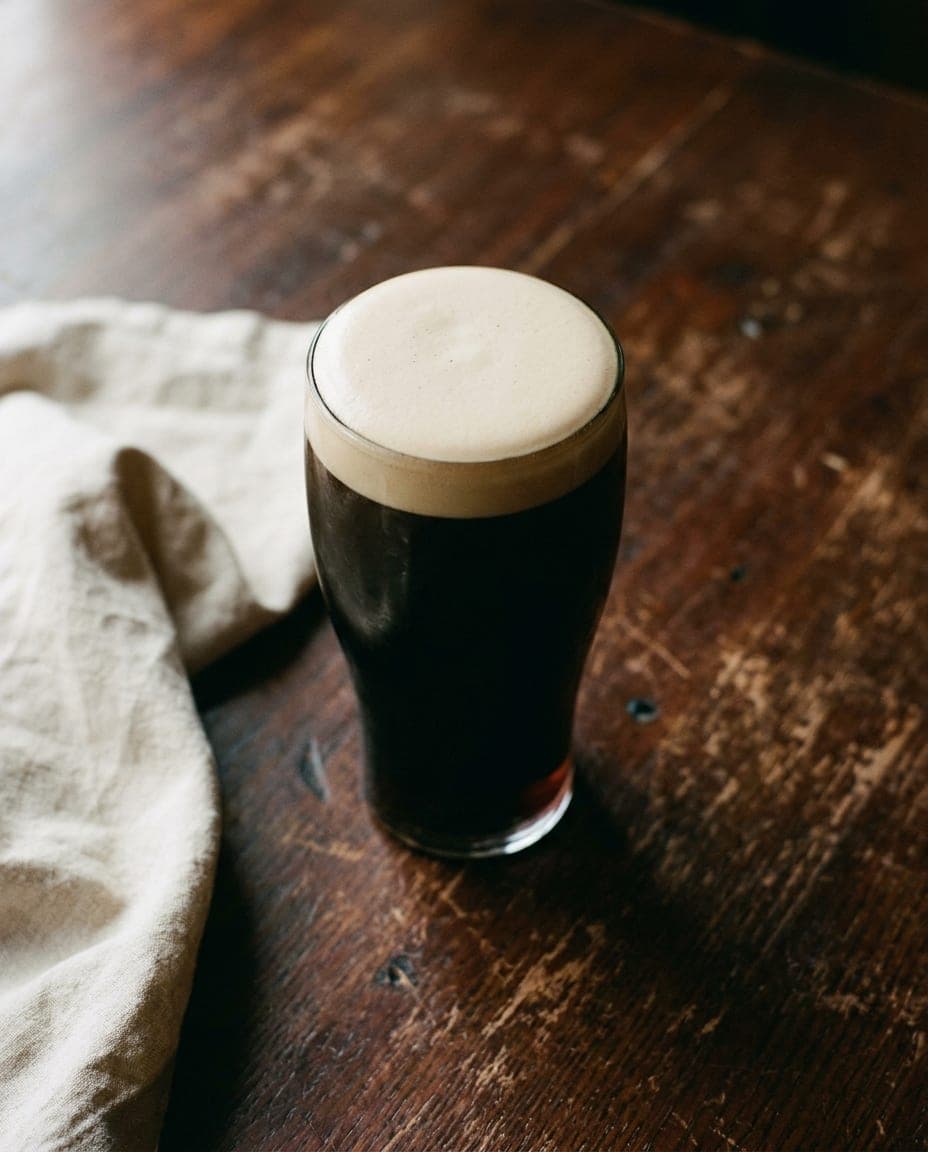
The texture defines the experience. It is poured using nitrogen gas rather than carbon dioxide alone, which creates a thick, creamy head that sits atop the dark liquid. This method gives the stout a velvety mouthfeel that feels substantial without being heavy. A pint of Murphy's arrives cool and dense, with a white foam that lingers on the glass long after the first sip is taken.
The geography of Irish stout
Ireland has a distinct geography when it comes to dark beer. For many decades, the market was split between Dublin in the east and Cork in the south. While Dublin's stout is often described as sharper and more roasted, Murphy's offers a smoother character that appeals to those who find other stouts too harsh. The difference is not merely a matter of marketing; it is a genuine regional divide.
This loyalty runs deep in County Cork. Asking for the wrong stout in a traditional Cork pub can become a subject of local amusement or gentle debate. The choice between the Dublin brew and Murphy's is often seen as a marker of local identity. Although Murphy's has belonged to a Dutch brewer since 1983, the connection between the beer and the city of Cork remains a point of pride for residents who view the stout as their own.
How it is made and served
The brewing focuses on quality malt and a hop profile that avoids excessive bitterness. The key to its signature texture lies in the serving method. On draught, Murphy's is dispensed with a nitrogen gas mix that forces tiny bubbles into the liquid; in cans, since 1992, a plastic widget releases nitrogen when the can is opened.
When the pint is poured, the beer is served in two stages. First, the glass is filled to about three-quarters full and allowed to settle. Then it is topped up to create the final creamy head. This technique ensures that the nitrogen remains suspended in the beer, delivering a smooth, non-fizzy finish. The result is a drink that feels rich and substantial, with a mouthfeel often compared to a milkshake or a thick cream.
What goes into it
While the exact proportions are guarded secrets, the building blocks of Murphy's Irish Stout are clear. It relies on roasted barley for its deep black colour and dark chocolate flavour, balanced by malted barley to provide body and sweetness. Hops are used sparingly to add a subtle bitterness that cuts through the creaminess without dominating the palate.
The result is a gentle character that distinguishes it from other stouts.
How to drink it
Murphy's is best enjoyed at a Cork city pub, where the atmosphere matches the substance of the drink. It is served cool, often in a pint glass that allows the creamy head to be admired before the first sip is taken. The beer is typically consumed on its own or paired with food that complements its rich, roasted notes.
One traditional pairing found in Cork is fresh oysters. The briny sweetness of the shellfish cuts through the creaminess of the stout, while the coffee-like notes of the beer enhance the mineral taste of the seafood. It is a combination many regulars recommend.
The drinking style is usually slow and social. The creamy texture encourages sipping rather than gulping, making it suitable for long evenings in a pub where conversation flows as easily as the beer. It is not a drink for rushing; the nitrogen system ensures that the head does not collapse quickly, allowing the drinker to enjoy the full experience of the pour.
Curious facts
- A two-stage pour. The pause to let the pint settle is taken seriously in Cork pubs, ensuring the nitrogen creates the correct creamy texture before the glass is topped up.
- The Dublin rivalry. Drinkers in Cork often insist that their local stout is superior to the Dublin version, citing its smoother, less bitter profile as the reason for their loyalty.
- Nitrogen over carbonation. Unlike many stouts that use only carbon dioxide, Murphy's relies heavily on nitrogen to achieve its signature velvety mouthfeel and thick head.
- A local institution. The brewery has operated on the same Cork site since 1856, long known as the Lady's Well Brewery; it is now Heineken's main Irish brewery.
- The perfect pairing. Fresh oysters from the nearby coast are a popular food match, as the briny flavour balances the roasted bitterness of the stout.
Where to try it
The best place to drink Murphy's is a traditional pub in Cork city, where the locals know the proper way to pour and serve the beer. While the brand has expanded beyond its home city, the authentic experience is found in the establishments that have served it for generations.
Outside of Cork, the stout can be found in other parts of Ireland and abroad, but the atmosphere changes. The connection between the beer and the city is strongest in the south, where the loyalty to the local brew remains a point of pride. A visit to a Cork pub offers the chance to taste the stout exactly as it was intended, with the creamy head and the full body that define its character.
Where to try it
1 region
 Boat Rentals1 destination
County Cork
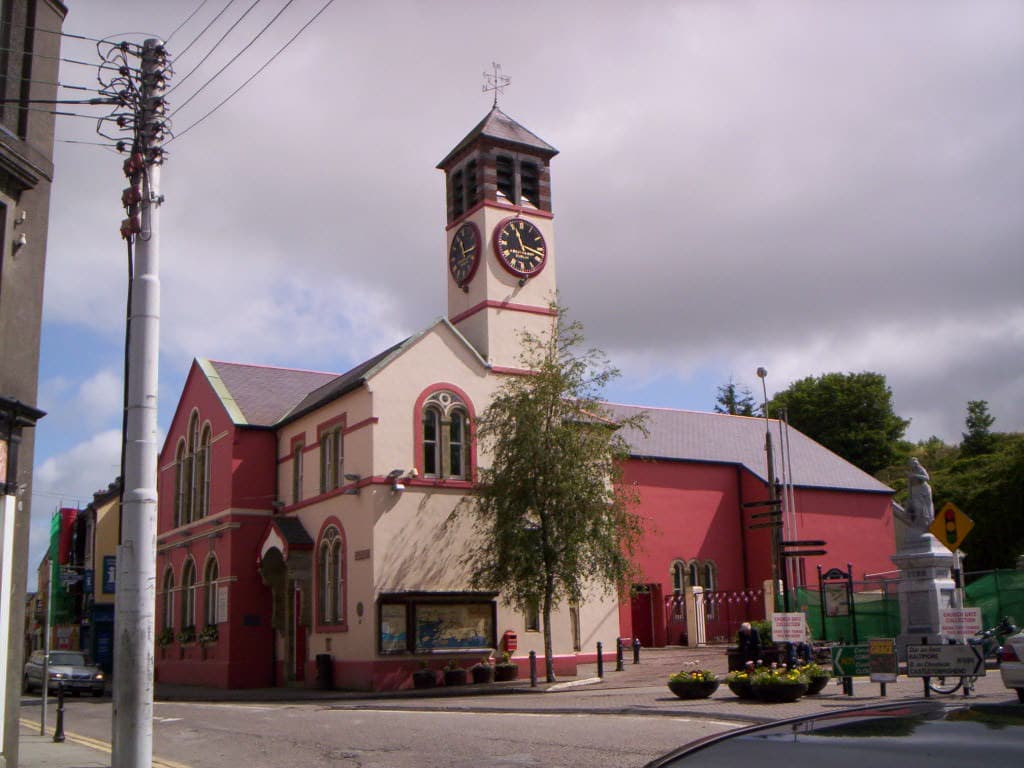
County Cork, the largest county in Ireland, boasts a diverse landscape of rolling hills, rugged coastline, and picturesque villages. The city of Cork, known for its vibrant cultural scene, is the region's only major urban center. The scenic coastline features attractions like the historic town of Kinsale, famous for its culinary offerings and maritime history. Nearby, the remote Beara Peninsula offers stunning views and fewer tourists, perfect for leisurely hikes. The region is also home to the historic Blarney Castle, where travelers can kiss the famous stone. With rich traditions in music and crafts, County Cork provides numerous opportunities for authentic cultural experiences. Explore local markets and artisan workshops to discover the region's unique heritage.
Boat RentalsHiking