Clonakilty black pudding
Spiced blood pudding from West Cork
- Local name
- Clonakilty black pudding
- Served with
- Eggs, rashers, soda bread
- Best eaten at
- A full Irish breakfast
- Pairs with
- Strong tea
What it is
Clonakilty black pudding is a branded black pudding from the town of Clonakilty in West Cork, Ireland. It is a dark, dense sausage made with beef rather than pork, oatmeal, onion and a secret blend of spices, packed into a casing before being cooked and sliced for serving. Unlike the smoother, finer-textured black puddings found in other parts of the British Isles, this version is known for its coarse, nubbly body, which comes from the oatmeal.
It has been made in the town to the same recipe since the 1880s. It sits alongside bacon and eggs as a central element of the full Irish breakfast, a meal that remains a ritual in homes, hotels, and traditional cafés across the region. While black pudding exists in many forms throughout Ireland, the Clonakilty pudding is recognised for its balance of savoury meatiness and sweet spicing.
The texture of oatmeal
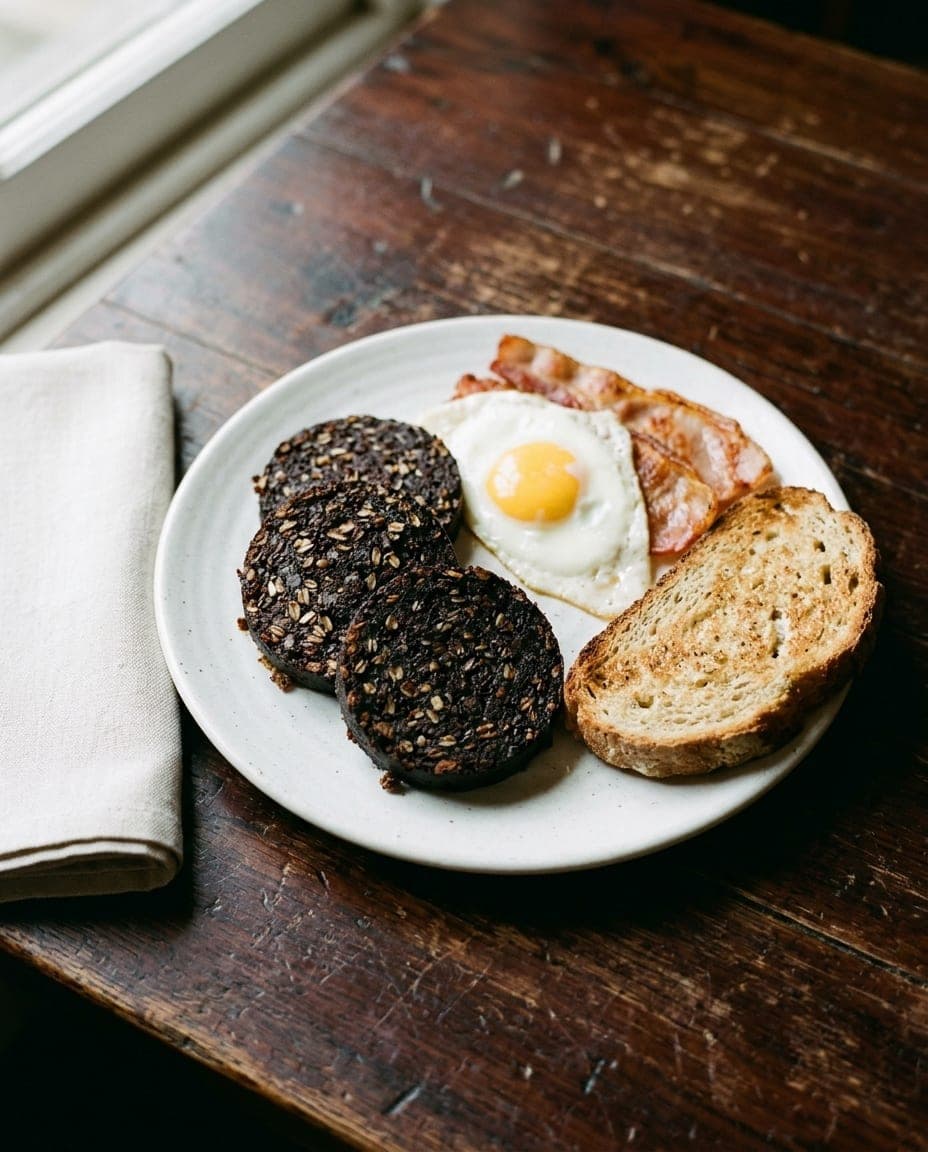
The defining feature of this pudding is the inclusion of rolled oats in the mixture. In some other black puddings, the filler is barley or rusk, creating a finer paste when sliced. In Clonakilty, the oatmeal is mixed into the meat and fat, allowing the grains to absorb the flavours without losing their individual shape. The result is a texture that feels substantial in the mouth, with distinct grains of oat providing a gentle resistance against the softness of the cooked blood and pork fat.
This coarse texture is not accidental. It reflects the long Irish habit of stretching meat with oatmeal, turning humble grains into a deep, sustaining food. When the pudding is sliced thickly and fried, the outer edges become crisp and dark, while the centre remains moist and tender, offering a contrast between the crunchy crust and the soft, spiced interior.
A breakfast tradition in West Cork
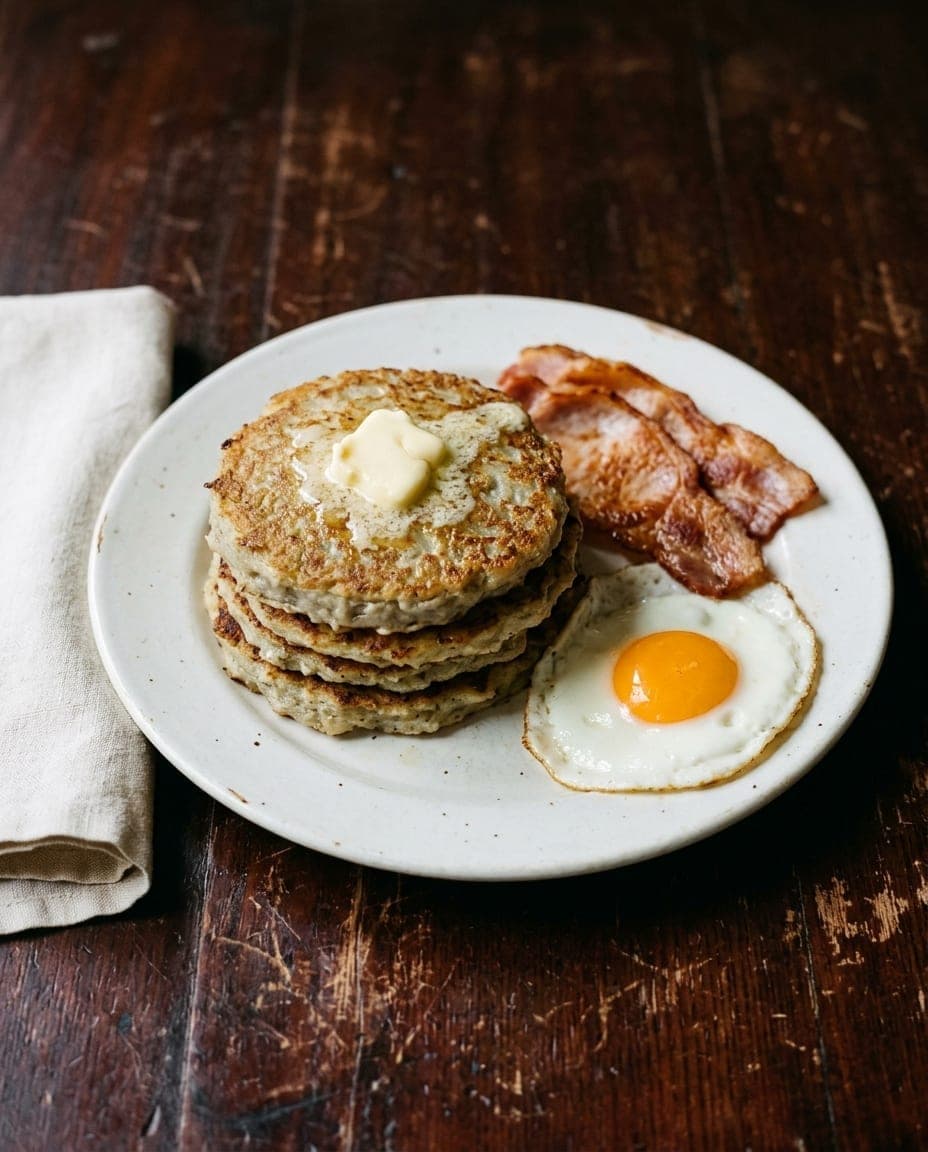
The full Irish breakfast is the natural home for Clonakilty black pudding. It is typically served alongside rashers of smoked bacon, a fried egg, sausage, tomato, and mushrooms, all accompanied by soda bread or toast. The pudding is usually pan-fried until it develops a dark, caramelised skin that holds its shape when cut with a fork. This preparation method brings out the sweetness of the spices and the nuttiness of the oats, creating a taste that complements the salty, smoky bacon perfectly.
While the full breakfast remains the most common way to enjoy it, modern Irish kitchens have found other uses for the dish. Chefs in Dublin and Cork often serve slices of fried Clonakilty black pudding with roasted vegetables, in salads, or alongside seared scallops. The sweet-spiced profile pairs well with the delicate sweetness of seafood, offering a counterpoint that adds depth to a plate without overwhelming it. Despite these modern adaptations, the dish retains its identity as a breakfast food, anchored firmly in the morning rituals of West Cork.
Where Clonakilty stands out
Clonakilty is a market town on the southern coast of County Cork, at the head of Clonakilty Bay. The recipe is credited to a local woman, Johanna O'Brien, and was sold from Philip Harrington's butcher's shop in the town from 1880. Edward Twomey bought the shop, and the recipe with it, in 1976; the Twomey family still make the pudding in Clonakilty and keep the spice blend secret. It is a single brand rather than a style made by several butchers, and it is now sold across Ireland and in the UK.
West Cork is one of the more productive food regions in Ireland, helped by a mild climate and good soil. The town holds a weekly farmers' market in Emmet Square, where local producers sell directly to customers. Clonakilty black pudding fits naturally into this food culture, even if it is now made on a much larger scale than a butcher's back room.
How to eat it
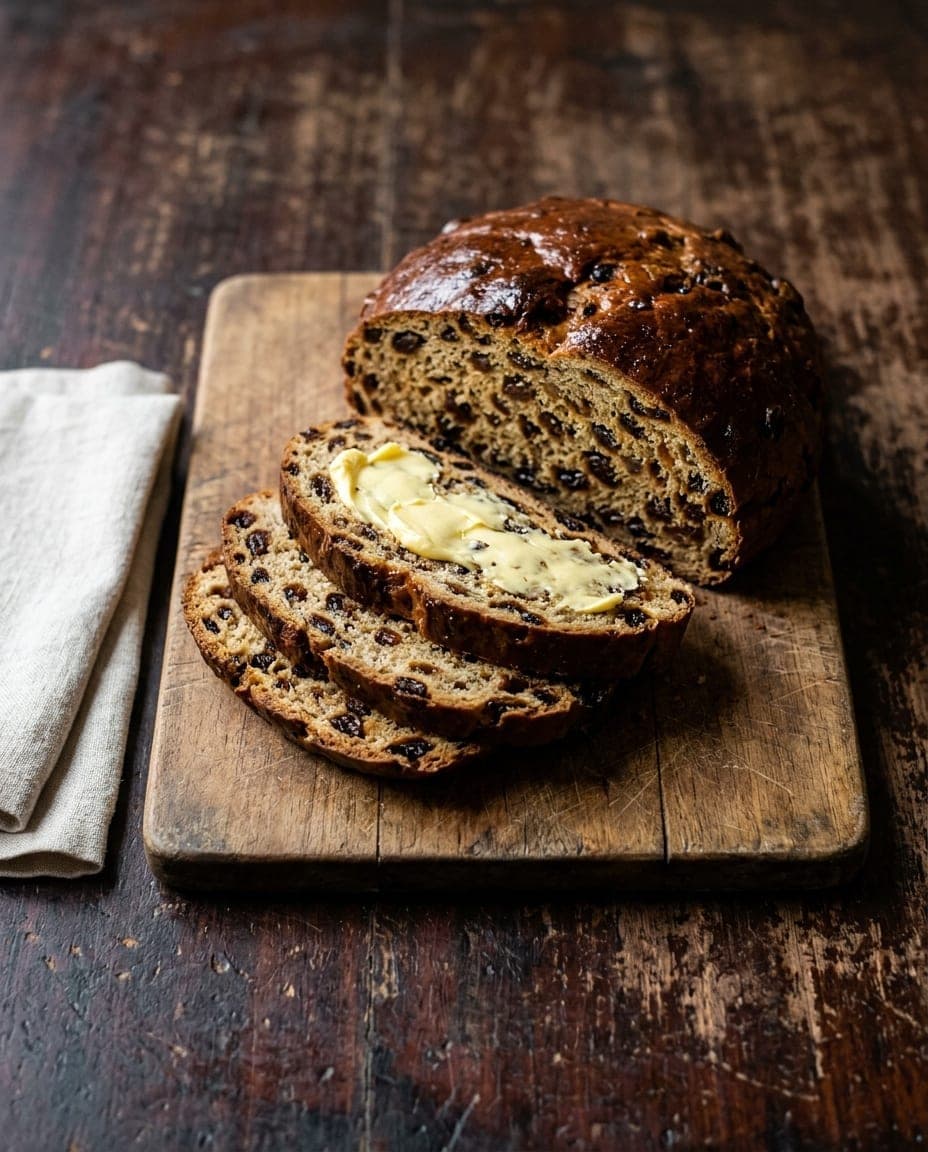
The most traditional way to enjoy Clonakilty black pudding is as part of a full Irish breakfast. It is served hot, sliced thickly, and fried until crisp on the outside. The slices are placed on a plate with rashers of bacon, a fried egg, and soda bread. The buttered soda bread is often used to scoop up any remaining crumbs or juices from the plate, creating a savoury, satisfying finish to the meal.
The dish pairs naturally with strong black tea, which cuts through the richness. In the cafés of Skibbereen and Clonakilty the breakfast order often comes with tea from a pot. The combination of the salty bacon, the sweet-spiced pudding, and the sharp acidity of fresh tomatoes creates a balanced meal that has sustained generations of workers in the region.
Curious facts
- A brand, not a style. "Clonakilty" on a pudding means one family's recipe, made in the town, rather than a generic regional type.
- One town, wide reach. It is made only in Clonakilty, but sold in supermarkets across Ireland and the UK.
- Oats over barley. The use of oatmeal as the filler distinguishes it from some British black puddings, which use barley or rusk for a finer texture.
- A secret recipe. The spice blend has been passed down since the 1880s and is said to be known only to the Twomey family.
- Served with eggs. The classic pairing involves frying the pudding alongside a sunny-side-up egg, where the runny yolk mixes with the spiced blood to create a rich sauce for the soda bread.
Where to try it
West Cork, over breakfast. The small towns between Kinsale and Skibbereen have butchers who sell the pudding, and cafés that put two thick slices on the plate without being asked. Clonakilty itself, on the N71, is where it is made, and where the local shops take it most seriously.
Outside the region it is sold vacuum-packed in supermarkets across Ireland and the UK, and it is easy to spot: the slices are dark and visibly flecked with oatmeal rather than smooth.
Where to try it
1 destination
 Boat Rentals
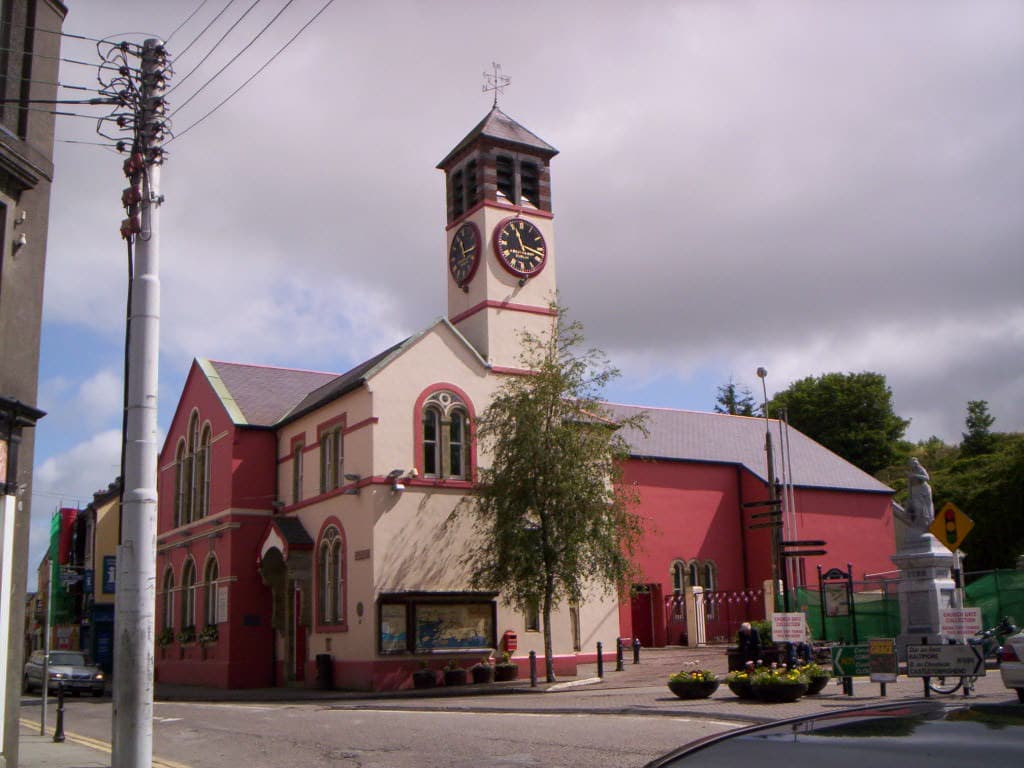
Skibbereen
Charming market town known for vibrant food scene and historical sites.
Boat RentalsHiking
1 region
- Boat Rentals1 destination
County Cork
County Cork, the largest county in Ireland, boasts a diverse landscape of rolling hills, rugged coastline, and picturesque villages. The city of Cork, known for its vibrant cultural scene, is the region's only major urban center. The scenic coastline features attractions like the historic town of Kinsale, famous for its culinary offerings and maritime history. Nearby, the remote Beara Peninsula offers stunning views and fewer tourists, perfect for leisurely hikes. The region is also home to the historic Blarney Castle, where travelers can kiss the famous stone. With rich traditions in music and crafts, County Cork provides numerous opportunities for authentic cultural experiences. Explore local markets and artisan workshops to discover the region's unique heritage.
Boat RentalsHiking