Cork spiced beef
A brined beef joint, heavily spiced for Christmas
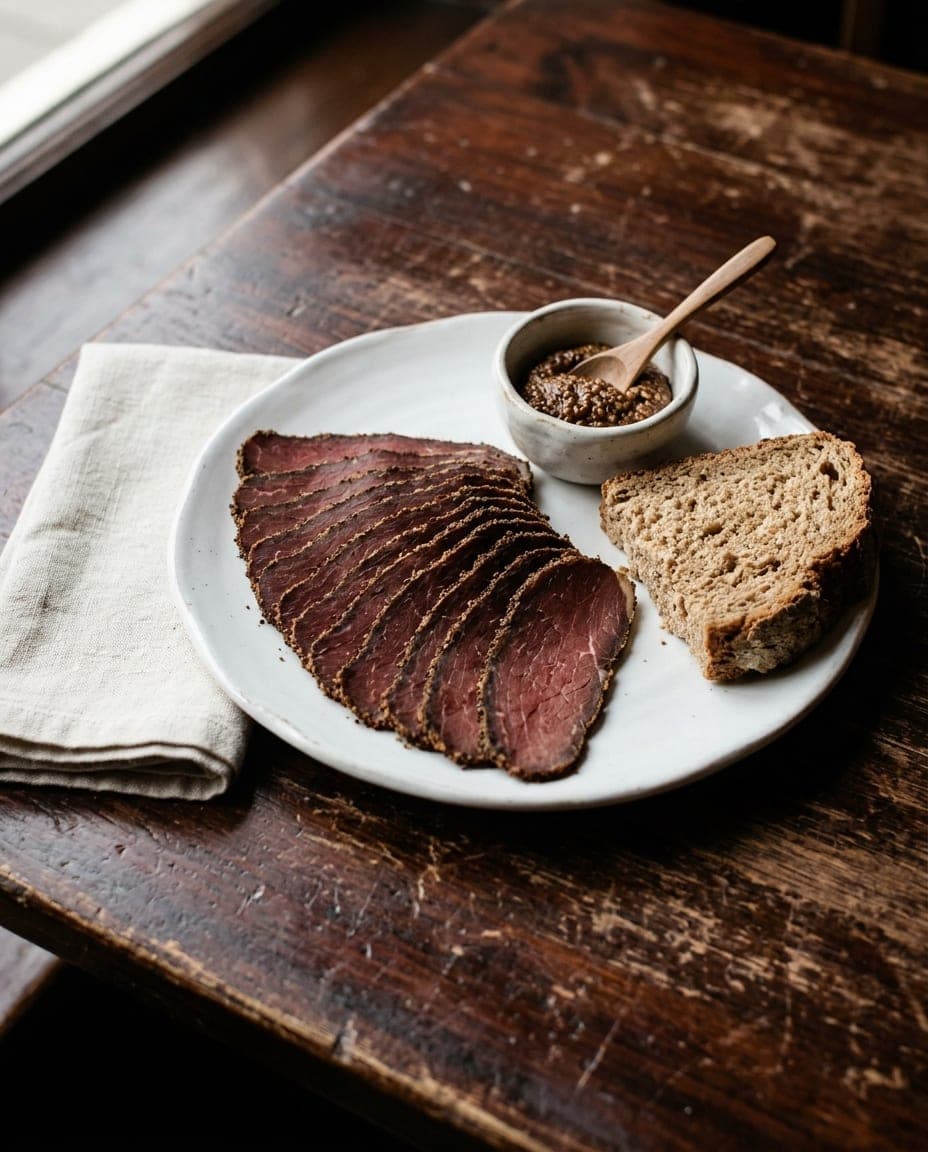
- Local name
- Cork spiced beef
- Served with
- Brown bread, mustard
- Best eaten at
- Cork's English Market
- Pairs with
- Stout
What it is
Cork spiced beef is a cured meat specific to County Cork, prepared as a dry-cured joint of beef that is heavily spiced before being cooked and eaten cold. It is mainly a Christmas food, sold in quantity from late November until the week between Christmas and New Year, though some butchers and supermarkets stock it all year.
The meat usually comes from the silverside, topside or brisket. Unlike standard cured meats elsewhere in Ireland, the curing process involves a dry mix of salt, saltpetre and sugar, followed by an aggressive coating of spices. The result is a deep reddish-brown crust that encases the meat, giving it a distinctive aroma before it is ever cooked. Once prepared, the beef is simmered or baked until tender, then allowed to cool completely. It is sliced thin and usually served cold or at room temperature.
The texture is firm yet moist, with a taste dominated by warm spices rather than just salt. The heavy spicing distinguishes it from other Irish cured meats, making it a regional speciality that remains tied to the city of Cork and the surrounding county.
The Christmas tradition
This dish belongs firmly to the winter calendar in County Cork. Butchers across the region begin preparing the beef in late November, often selling out their stock by the end of the month. Families traditionally purchase a large joint to eat throughout the festive week, treating it as a central part of the holiday table.
The spicing is kept secret by individual butchers. Home recipes are published, but each shop guards its own exact formula. The standard mix includes allspice, cloves, black pepper, juniper berries and sometimes mace, though the proportions vary from one establishment to another. This secrecy has become part of the tradition, with locals often comparing their preferred butcher's version against others in the neighbourhood.
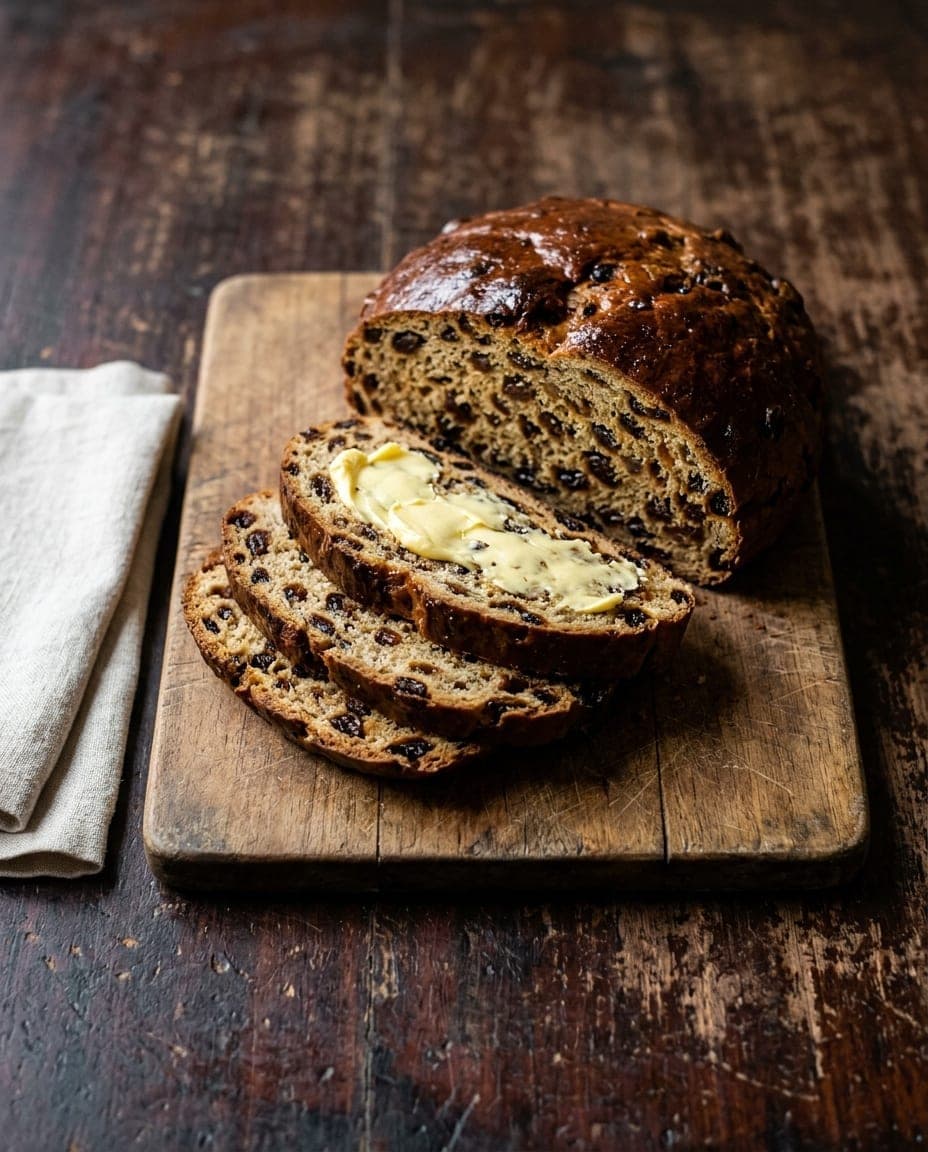
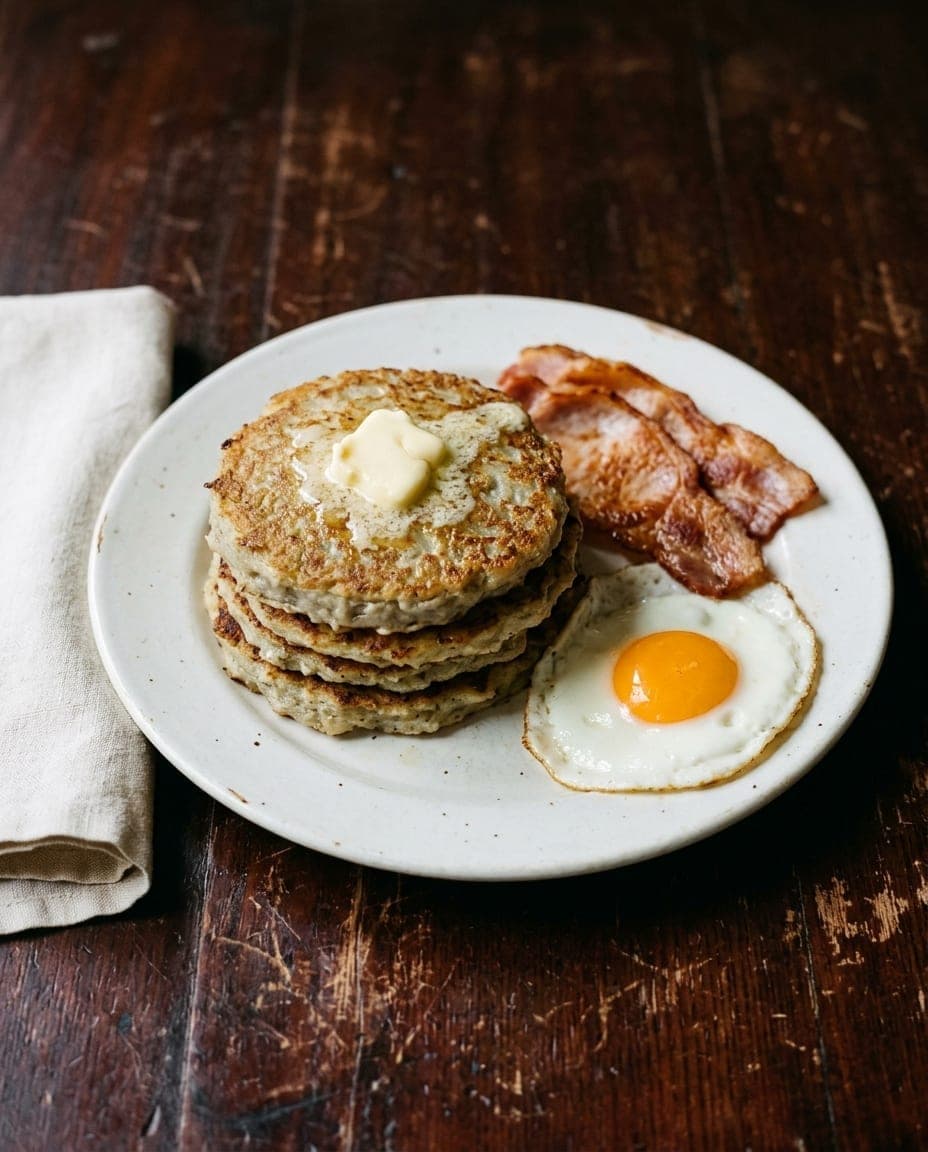
The beef is usually eaten cold, sliced thinly on a plate or on bread. It pairs naturally with brown bread, which provides a dense, slightly sour counterpoint to the salty, spiced meat. A sharp mustard is the standard condiment, cutting through the fat of the beef. Some households also fry leftover slices in butter with eggs for a breakfast dish, though the cold slice remains the primary way it is served.
Where it is made and sold
Cork spiced beef is closely associated with the English Market in Cork city. This covered market has traded on the same site since 1788, and it remains the place most associated with the dish. While butchers operate from various locations across County Cork, the English Market is where visitors are most likely to find a wide selection of the cured beef during December.
Visitors often come to the stalls specifically to buy a joint for the Christmas season, watching as butchers slice the meat or prepare orders for the festive week.
Outside the city, rural butchers in County Cork also produce the beef for local families. Spiced beef is also eaten at Christmas elsewhere in Ireland, especially on St Stephen's Day, and some supermarkets sell it nationally, but Cork is where the tradition is strongest and where butchers still cure it in quantity.
Curious facts
- The spices define the region. The heavy use of allspice and cloves sets this beef apart from other Irish cured meats, which tend to be less heavily spiced.
- Every butcher has a blend. Each butcher keeps their own mix of salt, saltpetre, sugar and spices secret, creating a unique local variation for every stall.
- It is eaten cold. Unlike many festive meats that are served hot, this beef is traditionally sliced and eaten at room temperature or slightly cool.
- A seasonal window. Most of it is sold from late November through the New Year period; outside these weeks it is much harder to find.
- Market association. The English Market in Cork has traded since 1788 and remains the most famous location for finding this dish during the festive season.
Where to try it
Cork city in December, at a butcher's counter. The English Market, the covered public market in the city centre, is where the tradition is most visible: joints sit in trays of spice from late November, and the butchers there will tell anyone who asks how long a given piece has been curing.
Outside the city it is harder to find, and outside December harder still — a few butchers cure it year-round, but the trade is built around Christmas and the weeks on either side of it.
Where to try it
1 region
 Boat Rentals1 destination
County Cork
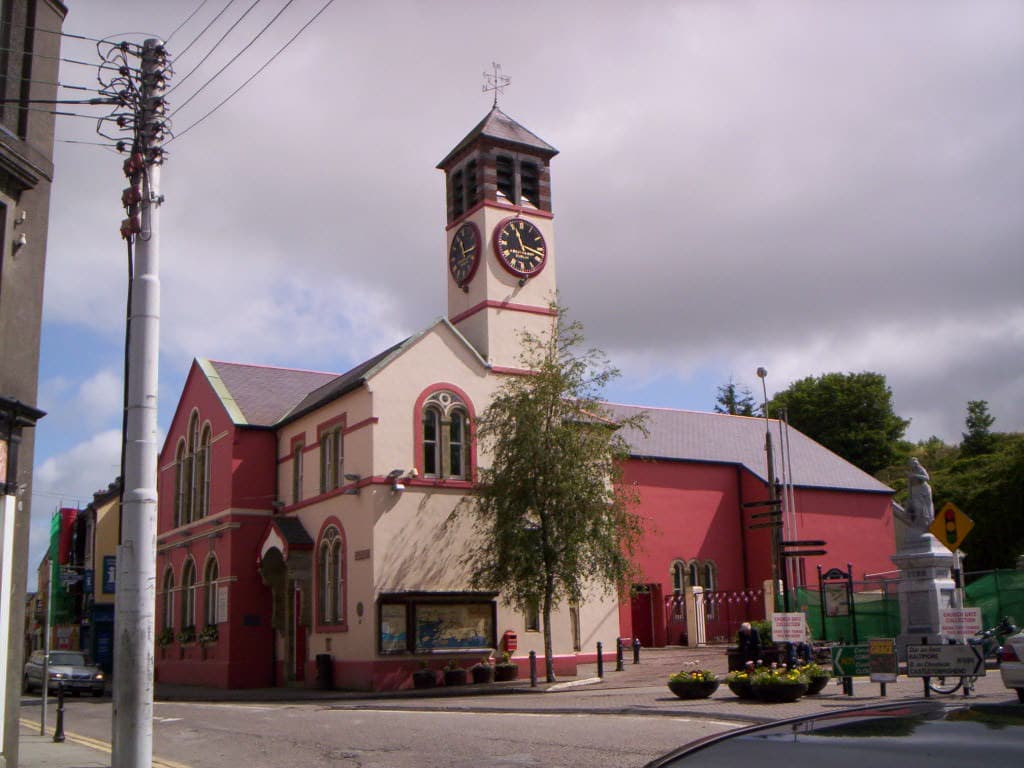
County Cork, the largest county in Ireland, boasts a diverse landscape of rolling hills, rugged coastline, and picturesque villages. The city of Cork, known for its vibrant cultural scene, is the region's only major urban center. The scenic coastline features attractions like the historic town of Kinsale, famous for its culinary offerings and maritime history. Nearby, the remote Beara Peninsula offers stunning views and fewer tourists, perfect for leisurely hikes. The region is also home to the historic Blarney Castle, where travelers can kiss the famous stone. With rich traditions in music and crafts, County Cork provides numerous opportunities for authentic cultural experiences. Explore local markets and artisan workshops to discover the region's unique heritage.
Boat RentalsHiking