Irish stew
A slow stew of mutton, potatoes and onions
- Local name
- Irish stew
- Served with
- Soda bread
- Best eaten at
- A traditional Irish pub
- Pairs with
- Irish stout
What it is
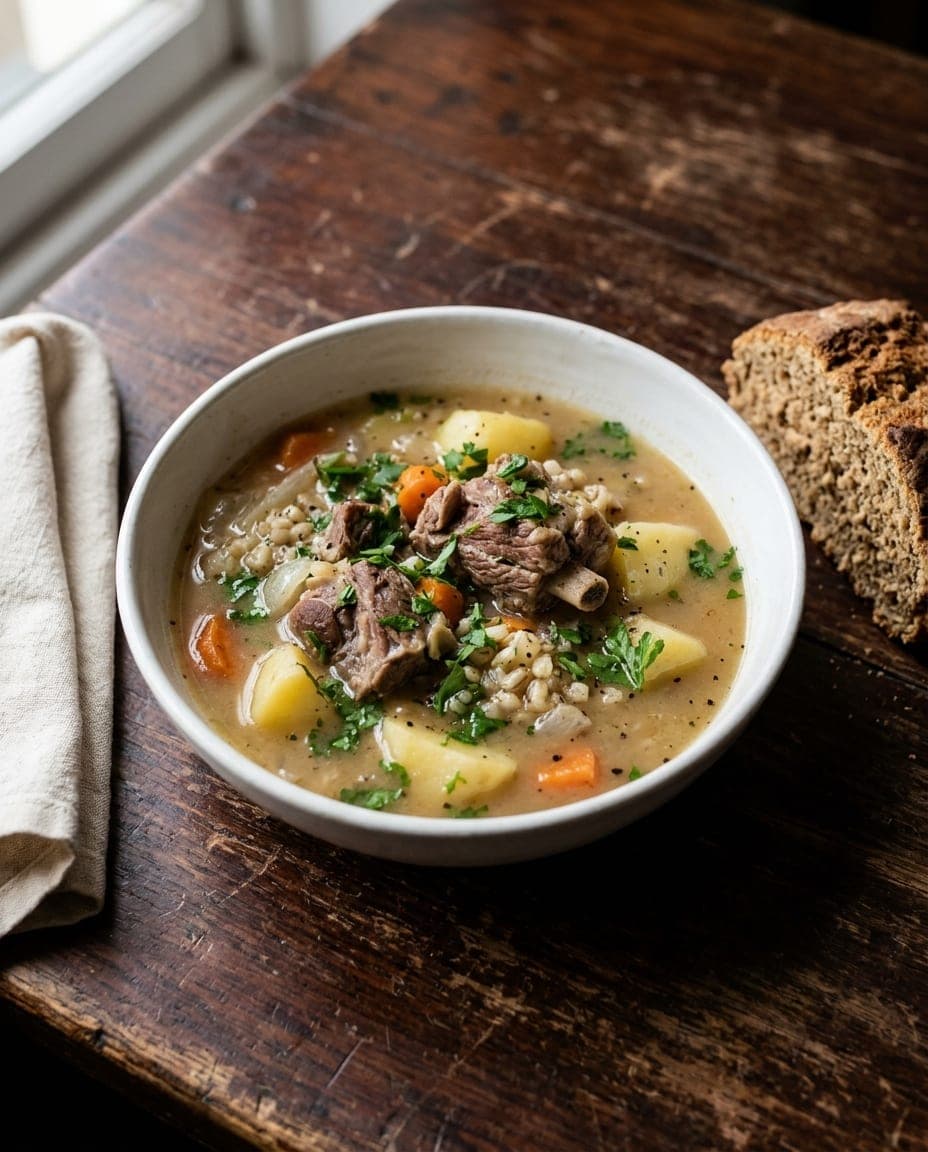
Irish stew is one of the most familiar dishes of Ireland, appearing on menus in Dublin's city centre, roadside pubs in Leitrim and country kitchens across the island. It is a simple, hearty combination of lamb or mutton, potatoes and onions, cooked slowly until the meat is tender and the broth thickens from the starch of the vegetables. The dish has no heavy sauces, no wine reduction and no tomato base. Its character comes from the gentle cooking of inexpensive cuts on the bone and the way the potatoes break down into the liquid.
The texture is soft and substantial. A bowl of the stew provides a full meal in a single serving, often described as comfort food that suits the damp, cool weather of the Irish Atlantic coast. It is not a light starter but a main course designed to warm the body after a long day outdoors or during the winter months. While recipes vary from one kitchen to another, the core elements remain consistent: meat, potatoes, onions and water or stock, seasoned only with salt, pepper and sometimes fresh parsley.
The history of mutton and potatoes
The origins of the dish lie in the agricultural habits of Ireland before the 17th century. Sheep were kept primarily for their wool and milk, and the older animals were often sold for meat when they were no longer productive. This mutton was tough and required long hours of slow cooking to become palatable. The potato arrived in Ireland in the late 16th or early 17th century and quickly became a staple crop that could grow in poor soil and provide calories year-round.
The combination of these two elements created a practical meal for farming families who needed to feed many people on a limited budget. The cheap cuts of mutton, often including the neck or shoulder, were placed in a pot with water and left to simmer for hours. As the meat cooked, it softened, and the potatoes eventually dissolved into the broth, thickening it naturally without the need for flour or roux. This method of cooking suited the fuel constraints of many households, as it required only a low fire that could be maintained all day.
The dish spread through the countryside as sheep farming and potato cultivation expanded. In the countryside it became a winter staple, and in Dublin the tradition continued in urban pubs and taverns. As mutton became less common in modern markets, lamb increasingly took its place. Despite changes in ingredients over time, the basic structure of the dish remains unchanged from its early days.
What goes into it
The composition of Irish stew is defined by its simplicity. There is no single official version, and cooks often guard their own variations, but the essential components are clear. The meat is traditionally mutton, though lamb is frequently used today when mutton is difficult to source. The potatoes are usually a starchy variety that breaks down easily, contributing to the thickness of the broth. Onions form the aromatic base, providing sweetness as they cook slowly with the meat.
Some versions include barley or parsley to add texture and flavour, but these additions are not universal. The debate over whether carrots belong in the dish is long-standing among Irish cooks. Older recipes rarely mention them, and many traditionalists argue that carrots were not part of the original preparation. Newer generations often include them for colour and sweetness, creating a divide between purists and those who prefer a more colourful bowl.
- Mutton or lamb: The meat should be on the bone, with mutton being the historical choice for its deep flavour.
- Potatoes: Starchy varieties that soften and thicken the broth as they cook.
- Onions: A generous amount to provide sweetness and depth without overpowering the meat.
- Barley or parsley: Optional additions that some cooks use to enhance texture or aroma.
- Salt and pepper: The only seasonings required in the most traditional preparations.
The result is a dish where the broth becomes thick and creamy from the potato starch, while the meat remains tender and easy to pull from the bone. It is not a vegetarian dish, and the absence of heavy spices allows the natural flavours of the ingredients to shine through.
How it is eaten
Irish stew is typically served as a main course at lunch or dinner, often in a traditional Irish pub or a family home. The stew is usually ladled into deep bowls, with the meat and vegetables arranged so that each diner gets a portion of broth, potato and meat. The broth is thick enough to coat the spoon but not so heavy that it feels like a paste.
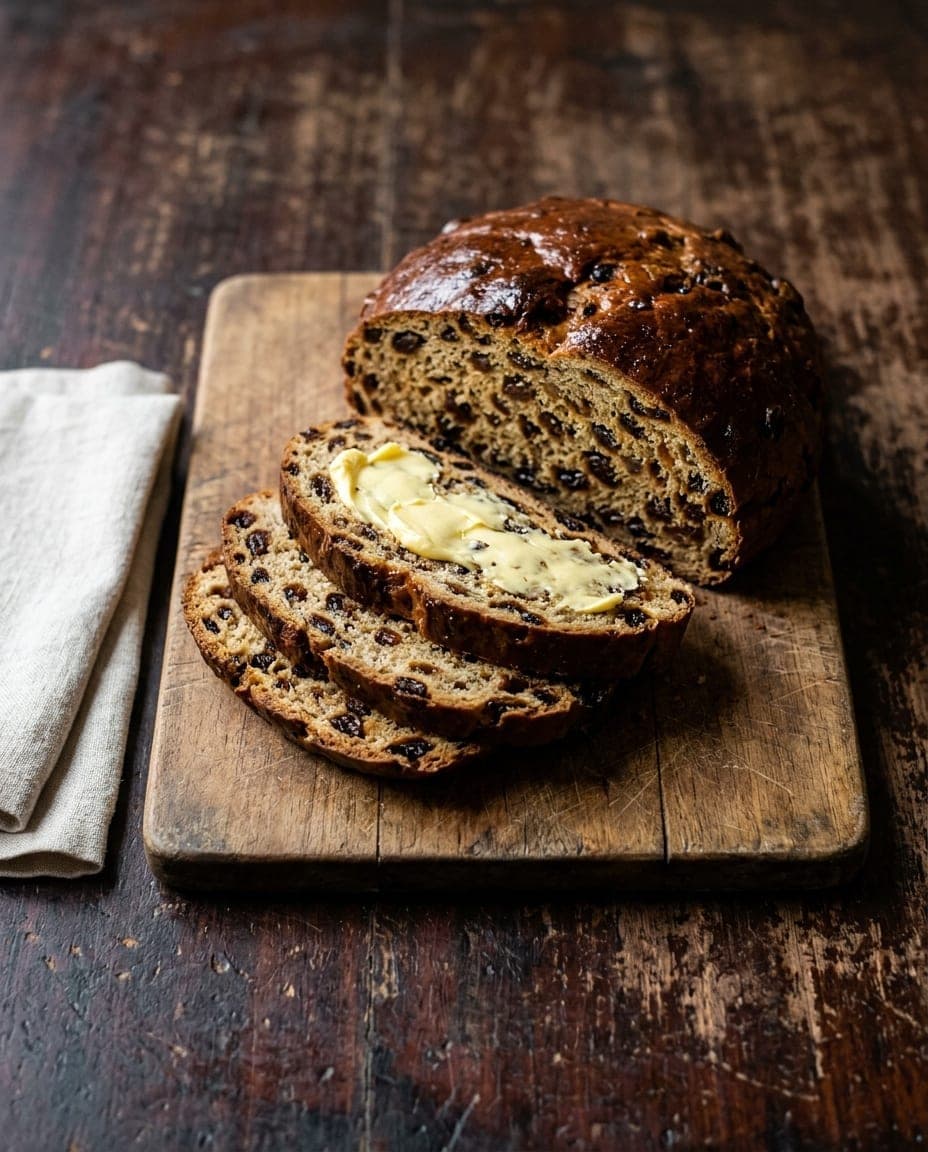
The dish is usually accompanied by soda bread, a dense loaf raised with bread soda and buttermilk rather than yeast. The bread is broken into chunks and dipped into the stew, absorbing the savoury broth while providing a chewy contrast to the soft meat and potatoes. In some places the bread comes on the side instead.
A pint of Irish stout is the traditional drink to pair with the stew, its dark, roasty notes complementing the deep flavours of the meat and potatoes. The beer is often poured cold, offering a refreshing contrast to the warm bowl. In colder months, the combination of hot stew and cold stout creates a comforting ritual that many locals enjoy after a day in the rain.
Where it comes from
The dish is eaten across the whole country, with no single region claiming exclusive ownership. Dublin has long been a centre for the stew, where it appears on the menu of many traditional pubs. In rural counties such as Leitrim, the cool, wet climate makes it a natural fit for the slow-cooked preparation. The stew has also found its way into other parts of Ireland, from the west coast to the east, adapting slightly to local ingredients while keeping its core identity.
The simplicity of the dish made it accessible to all classes of society. In the past, it was a meal for farmers and labourers who needed sustenance that could be prepared with minimal resources. Today, it remains a favourite in pubs where the focus is on honest, unpretentious food.
Curious facts
- Mutton is the original meat. While lamb is common now, mutton was the traditional choice because it came from older sheep that were no longer needed for wool or milk.
- The carrot debate. Many older recipes do not include carrots, and purists leave out carrots, turnips and barley alike.
- No browning required. The meat is usually placed in the pot raw, without searing, allowing it to simmer gently until tender.
- Soda bread on the side. The dense, yeast-free loaf is the standard accompaniment, used to soak up the thick broth.
- A pub staple. Traditional Irish pubs often serve the stew as a main course, paired with stout or porter.
- Seasonal availability. While eaten year-round, it is particularly popular in winter when the cold weather calls for a warming meal.
Where to try it
The best place to eat Irish stew is in a traditional Irish pub, where the atmosphere matches the simplicity of the dish. In Dublin, many historic pubs serve the stew daily, often as a special or a standard menu item. In Leitrim and other rural areas, local pubs and country houses also serve it.
The menus worth trusting list mutton or lamb with potatoes and onions, and say nothing about tomato or thickened gravy. A pint of stout or porter is the ideal companion, and a slice of soda bread is essential for dipping. The experience is less about fine dining and more about enjoying a warm, honest meal in a setting that feels rooted in local tradition.
Where to try it
2 regions
 Camper Van Rentals1 destination
Dublin
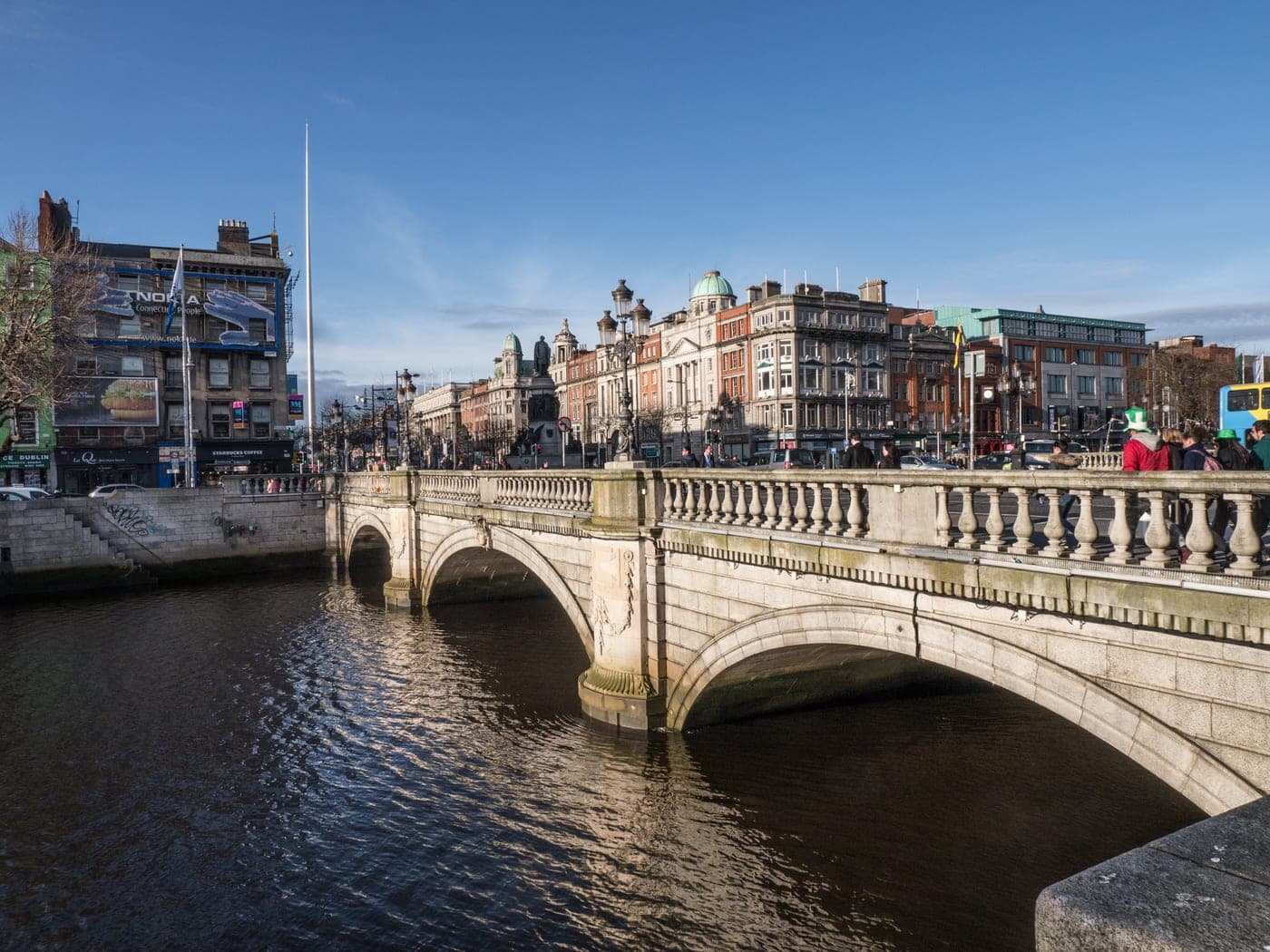
Dublin, the capital of Ireland, is a vibrant city known for its rich literary heritage and historic architecture. The city is home to several notable landmarks, including the iconic Trinity College, which houses the Book of Kells, and Dublin Castle, which dates back to the 13th century. Beyond the city center, neighborhoods like Temple Bar offer a bustling atmosphere filled with pubs and cultural events, while areas such as Stoneybatter provide a glimpse into local life with artisan shops and community markets. The surrounding county features scenic coastal views, particularly in Howth and Dalkey, where hiking trails and fresh seafood await discovery. Dublin's history of literature is celebrated in various museums and literary pubs, making it a hub for those interested in Irish culture and storytelling.
Camper Van RentalsHiking Boat Rentals1 destination
Leitrim
Leitrim, one of Ireland's smallest counties, is known for its lush landscapes and tranquil lakes. Unique for its rich tapestry of rivers and waterways, the Shannon River flows through this region, offering scenic views and opportunities for fishing and boating. The town of Carrick-on-Shannon serves as the main hub, featuring a vibrant local arts scene and traditional Irish music. The area is steeped in history, with ancient sites like the Ceide Fields and the picturesque Lough Key Forest Park. Visitors can explore charming villages like Dromod and Ballinamore, where local crafts and culinary traditions thrive. Ideal for those seeking an authentic Irish experience away from the crowds, Leitrim's natural beauty and cultural heritage provide a rewarding journey.
Boat RentalsLocal Cuisine