Dublin coddle
A slow stew of sausage, bacon, potato and onion
- Local name
- Coddle
- Served with
- Soda bread
- Best eaten at
- A Dublin pub
- Pairs with
- Guinness
What it is
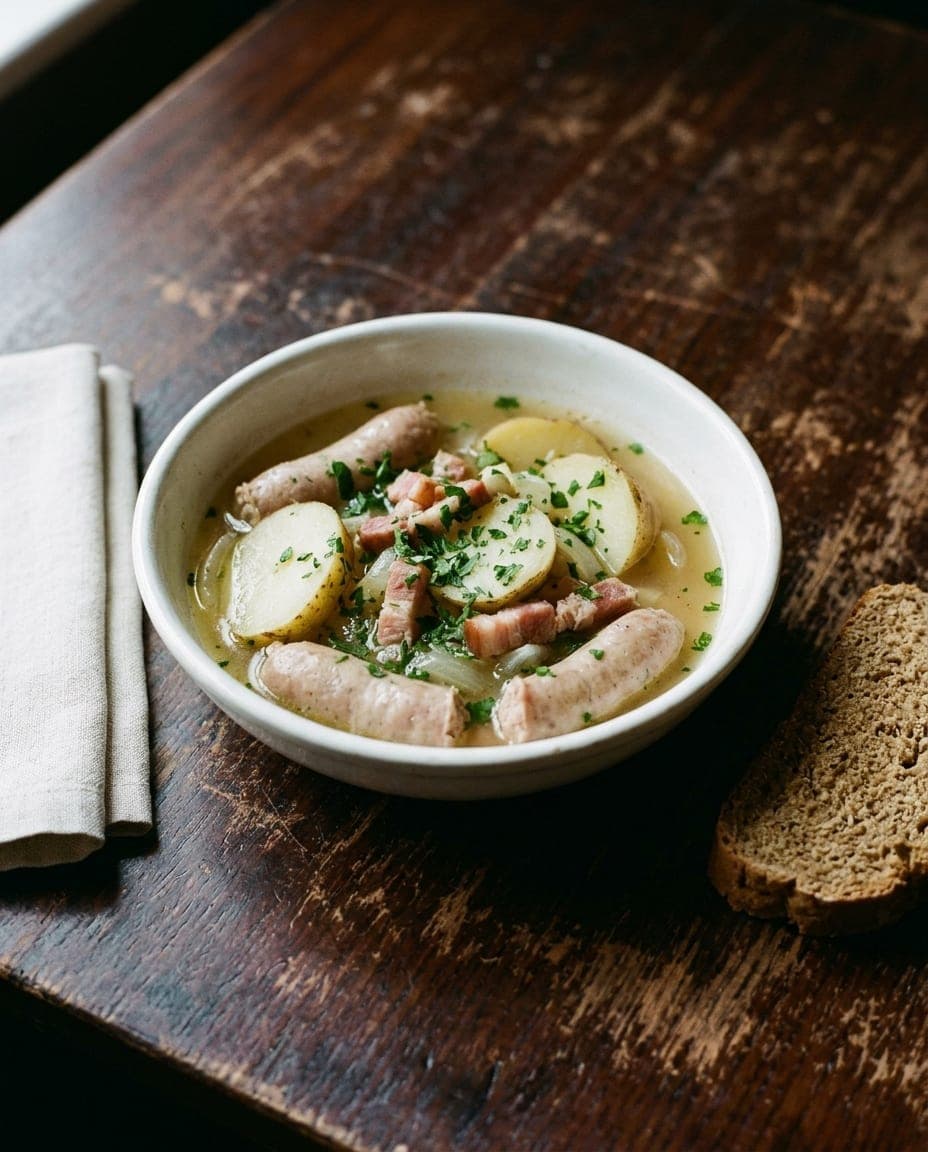
Dublin coddle is a humble, slow-simmered stew that belongs firmly to the inner city of Dublin. It consists of sausages, thick slices of bacon known as rashers, onions and potatoes layered in a deep pot and cooked gently until everything is soft and the cooking liquid has turned into a thick, savoury broth. The dish is pale rather than browned, lacking the caramelised crust one might expect from a roast or a fry-up. This lack of colour is not an accident but a feature: many Dubliners regard browning the sausages as a shortcut. Coddle was traditionally a way of using up leftovers, often on a Thursday, before the meatless Catholic Friday.
The texture is key. The potatoes should dissolve slightly into the broth, thickening it without needing flour or starch. The sausages and rashers soften rather than crisp. It is a dish of comfort that prioritises warmth and filling sustenance over visual appeal. In Dublin, where the weather can turn chilly at any time of year, coddle remains a reliable presence on menus in traditional pubs.
A leftovers tradition
Coddle belongs to a Dublin that shopped and cooked differently from the city that came after the mid-20th century. When Catholics did not eat meat on Fridays, Thursday was the day to use up leftover sausages, rashers and vegetables. Rather than frying them again or wasting them, cooks placed the ingredients in a pot with stock or water and let them simmer slowly for hours.
This method of cooking ensured that the meat stayed tender and the potatoes absorbed the flavour without burning. The dish became a staple of the working class and the urban poor, who needed a meal that was cheap, filling and easy to prepare. Over time, what began as a way to use up leftovers evolved into a celebrated speciality. Today, it is eaten year-round, but it still carries the memory of a pot made early in the day and reheated later for supper, after work or a night in the pub.
Literature from Dublin mentions coddle. It turns up in references to the city in the work of James Joyce, and Jonathan Swift and Seán O'Casey are said to have been fond of it. It is a dish that speaks of practicality and resourcefulness rather than high cuisine.
How it is made
The preparation relies on patience rather than technique. Ingredients are layered in a heavy pot: thick slices of bacon rashers, pork sausages, onions cut into chunks and potatoes sliced thickly. Some versions include barley or carrots, though these additions are debated among cooks and diners. The liquid is usually stock or water, often the water in which the bacon and sausages were first boiled.
The pot is covered and placed on a low heat for several hours. There is no browning of the ingredients before they go into the pot. The goal is to soften everything until the broth thickens naturally from the starch released by the potatoes. The result is a pale, aromatic stew where the flavours of the meat and vegetables blend together. It is not a dish that requires constant attention, making it ideal for a long simmer while the household goes about its day.
How to eat it
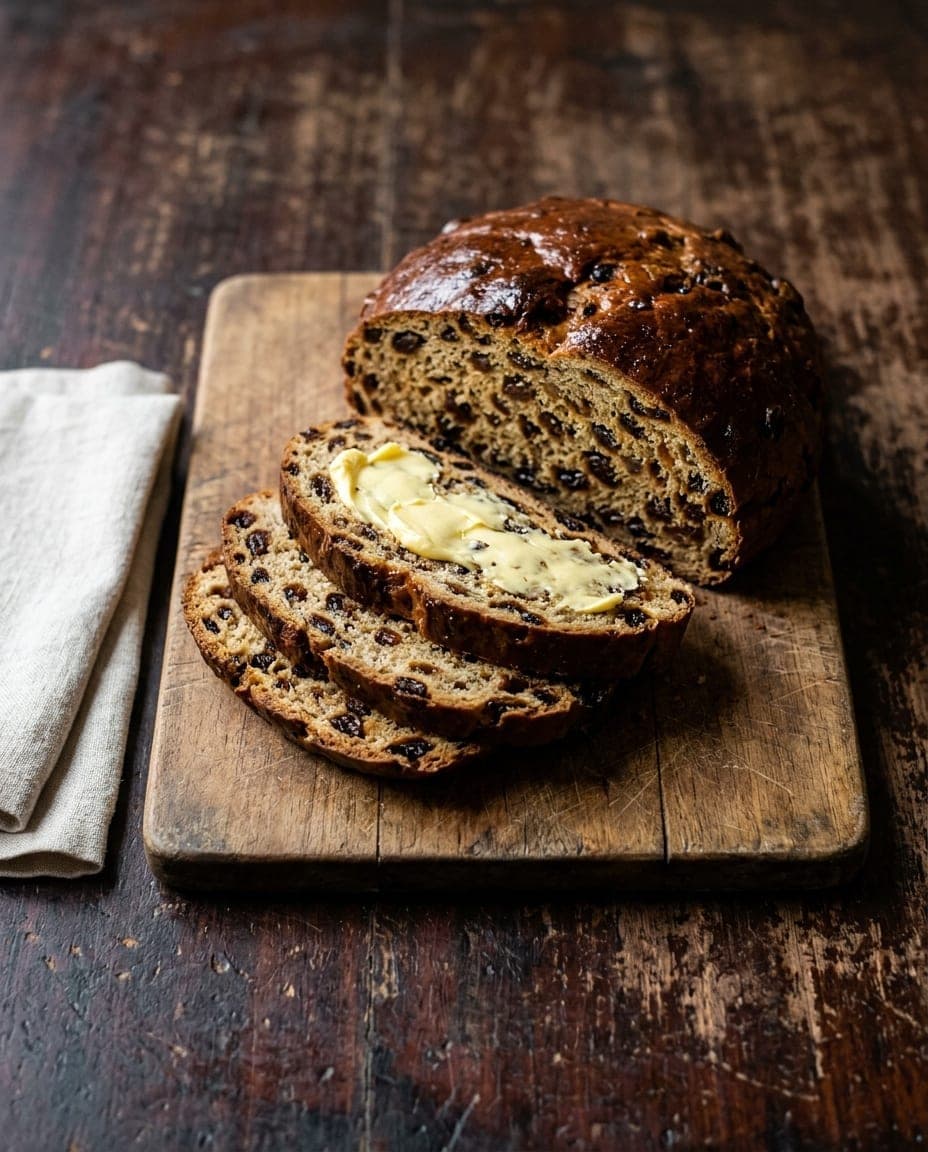
Coddle is usually served as a main course in a pub or at home. It arrives in a large bowl or tureen, often with the broth pooling around the ingredients. The best way to eat it is with a slice of soda bread, a dense loaf made with baking soda rather than yeast. The bread is perfect for dipping into the thickened broth and soaking up every drop of flavour.
A glass of Guinness or another dry Irish stout is the traditional companion. The bitterness of the stout cuts the fat of the bacon and sausages, balancing the meal. While some might suggest wine or cider, the local habit remains stout. At home it often comes to the table in one big pot, with bread passed around and stout poured.
The dish is not fussy. It does not require cutlery in the same way as a formal meal; a spoon is essential for the broth, but the potatoes and meat are easy to handle with a fork.
Where it comes from
Coddle is a Dublin dish specifically. While similar stews exist in other parts of Ireland and beyond, the version known as coddle is tied to the capital's inner city. It reflects the history of a place where resources were often tight and creativity in the kitchen was necessary. The dish does not belong to a specific region outside Dublin, nor is it found widely in rural counties.
Thrift is central to its identity. Families who moved into the city from the countryside often kept a pig or hens, and sausages and rashers boiled with root vegetables made a cheap, filling meal. The slow simmer allowed the ingredients to meld together while the household got on with the day. This tradition has survived even as modern life has changed how people shop and cook.
Curious facts
- The name comes from the cooking method. To coddle means to cook something gently in liquid at a temperature just below boiling, keeping it soft and tender.
- It is not a festive dish. Coddle was never served for celebrations or holidays; it was a practical meal for ordinary days and weekends.
- The debate over barley. Some versions of the stew include pearl barley, which thickens the broth further, while others stick strictly to potatoes and vegetables.
- A literary staple. Coddle appears in James Joyce's Dublin, and Jonathan Swift and Seán O'Casey were reputedly fans.
- No browning required. Unlike many stews that start with searing meat, coddle relies entirely on the gentle simmer to develop its flavour.
Where to try it
The best place to eat Dublin coddle is in a traditional pub in the inner city, particularly in areas like the Liberties or near the River Liffey. These establishments often serve it as a speciality on their menu, especially during the colder months. The pubs that keep it list it next to the beef-and-stout stew.
A Dublin pub with a long history is more likely to serve an authentic version. Just ask for a slice of soda bread and a glass of stout, and let the slow-simmered stew do the rest.
Where to try it
1 destination
 Camper Van Rentals
Dublin
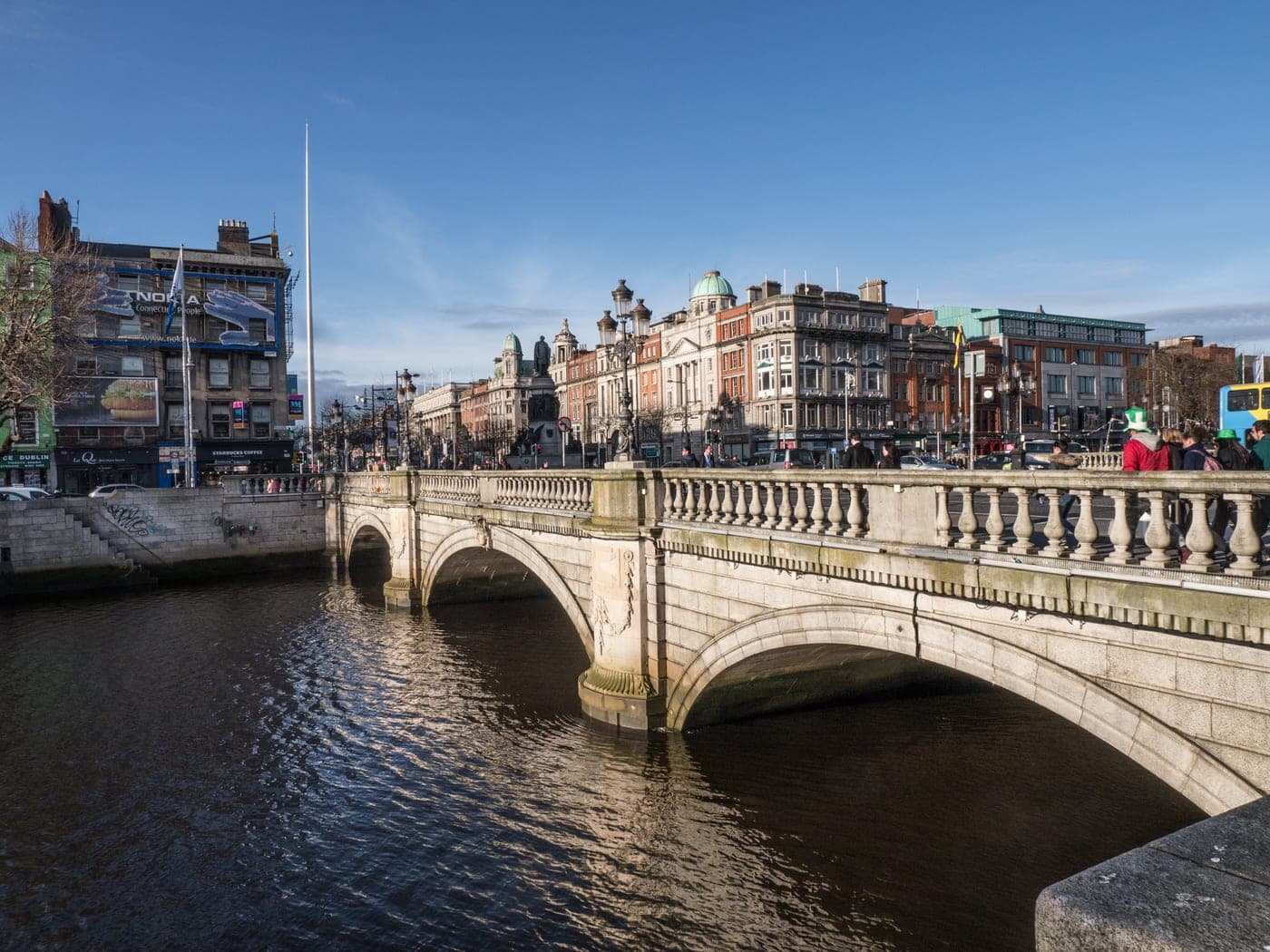
Ireland's vibrant capital with Georgian architecture and pub culture.
Camper Van RentalsHiking
1 region
- Camper Van Rentals1 destination
Dublin
Dublin, the capital of Ireland, is a vibrant city known for its rich literary heritage and historic architecture. The city is home to several notable landmarks, including the iconic Trinity College, which houses the Book of Kells, and Dublin Castle, which dates back to the 13th century. Beyond the city center, neighborhoods like Temple Bar offer a bustling atmosphere filled with pubs and cultural events, while areas such as Stoneybatter provide a glimpse into local life with artisan shops and community markets. The surrounding county features scenic coastal views, particularly in Howth and Dalkey, where hiking trails and fresh seafood await discovery. Dublin's history of literature is celebrated in various museums and literary pubs, making it a hub for those interested in Irish culture and storytelling.
Camper Van RentalsHiking