Danish snaps (akvavit)
Caraway, ice-cold, and never without food
- Alcoholic
- Local name
- Snaps, akvavit or brændevin
- Served
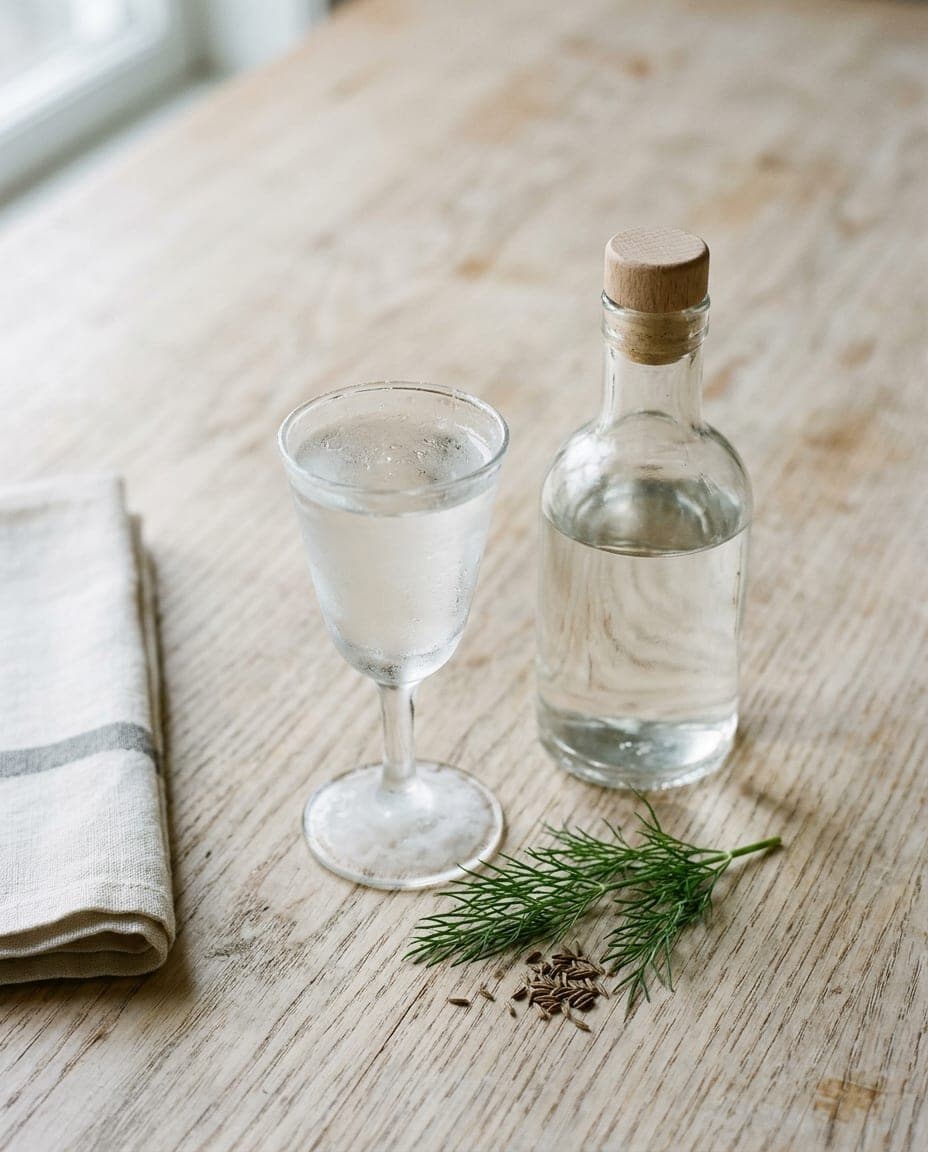
- Ice-cold in a small snaps glass, with beer alongside
- Best eaten at
- A frokost restaurant or a family Christmas lunch
- Pairs with
- Pickled herring, smørrebrød, the julefrokost table
What it is
In Denmark a snaps is a small glass of strong spirit drunk during a meal, and in practice that spirit is almost always akvavit: a clear grain or potato spirit flavoured above all with caraway, sometimes with dill. Older Danes may still call it brændevin, "burnt wine", and the name akvavit itself comes from the Latin aqua vitae, water of life.
The word has a legal meaning too. Under EU spirit-drink rules, akvavit must take its dominant flavour from a distillate of caraway and/or dill seed, may not be flavoured with essential oils, must not let bitter notes dominate, and must be bottled at no less than 37.5% alcohol. Anything outside those lines is still a snaps to a Dane, but not an akvavit on the label.
The everyday style is unaged and colourless, often sold as taffel — table akvavit — with a dry, sharp caraway edge. Cask-aged bottles turn straw to gold and taste rounder. Neither is a cocktail spirit by tradition; snaps arrives with the food and leaves with it.
Where it comes from
Distilling reached Denmark around 1400, first as medicine, and brændevin soon became the drink of the countryside rather than of the court. For centuries much of it was made on farms, where the spent mash fed the cattle, and successive laws from the late 1600s onwards tried and largely failed to stop home distilling. A law of the 1840s that compensated farmers for their copper stills is generally credited as the one that finally worked.
Industry moved in, and North Jutland became its centre. In 1846 Isidor Henius opened a spirits works in Aalborg that by 1877 was the largest of its kind in Denmark. In 1881 it merged with smaller producers to form De Danske Spritfabrikker, which bought up distillery after distillery until, by 1923, it held a monopoly on Danish spirits and akvavit production. A new plant on the Limfjord, opened in 1931 by Prime Minister Stauning, became a symbol of Danish industrialisation.
The monopoly ended when Denmark joined the European Community in 1973, and the Aalborg plant itself closed in 2015, when production moved to Norway. The buildings were listed, and the city's name still sits on the bottles most Danes picture when they hear the word snaps.
How it is made
The base is a neutral spirit from grain or potatoes. It is redistilled or steeped with caraway — and, depending on the recipe, dill, coriander, fennel or citrus peel — then diluted and bottled. The EU rule that the main flavour must come from a distillate, not from oils, is what keeps the taste clean and seed-driven. Aged versions rest in oak before bottling.
The other half of Danish snaps is made at home. Kryddersnaps, herb snaps, means steeping wild plants in a clear spirit, and the rule of thumb is that flowers and leaves need days, twigs and roots weeks, and berries months. St John's wort (perikon), which flowers around Sankt Hans in late June, is the classic: its buds can turn the spirit a clear red and are said to improve with years of keeping. Sloe (slåen) and rowan berries are picked after the first frost; bog myrtle (pors), yarrow and woodruff all have their followers. Most of these essences are strong and are diluted again before drinking.
How it is drunk
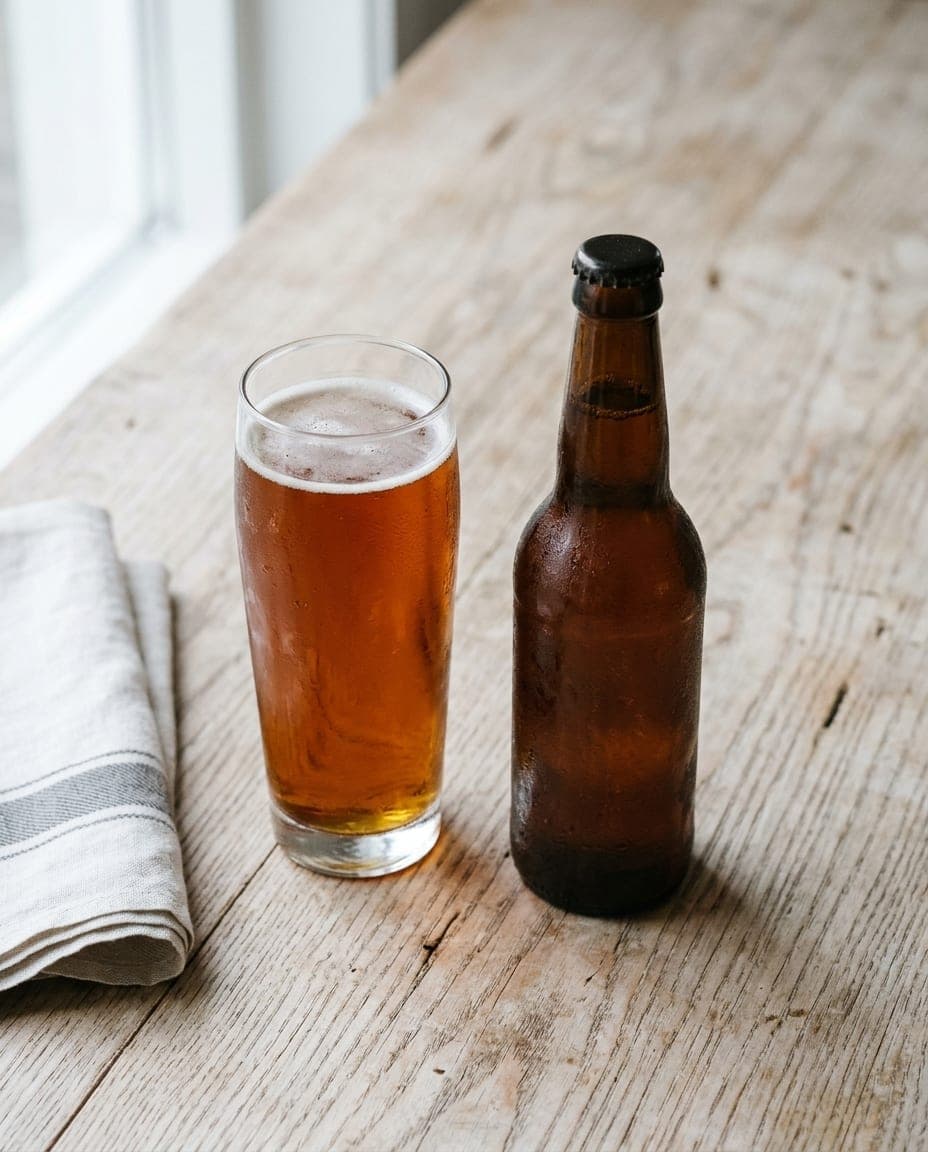
Cold — chilled hard, often straight from the freezer — in a small snaps glass. Beer stands alongside: Danish lunch tables traditionally carry both, and the snaps is the punctuation, not the drink.
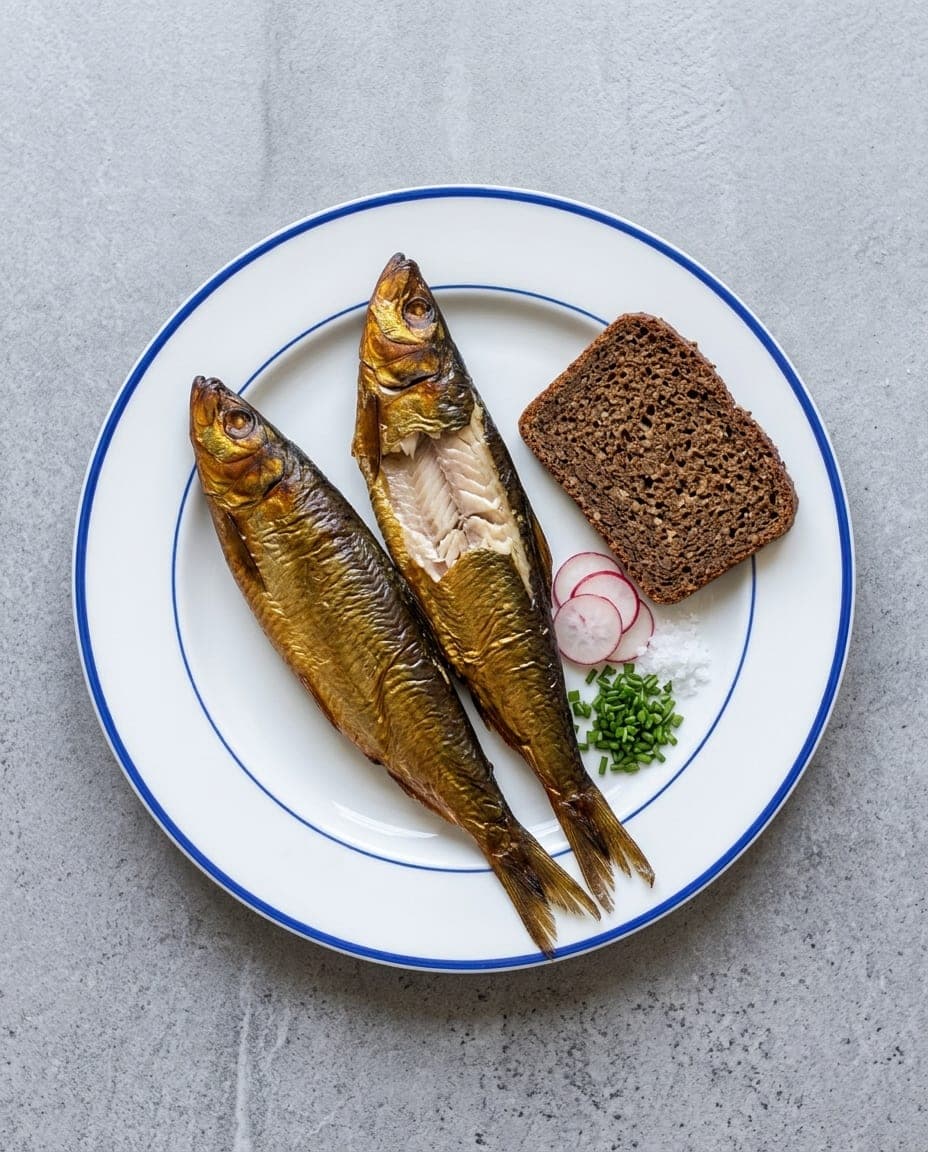
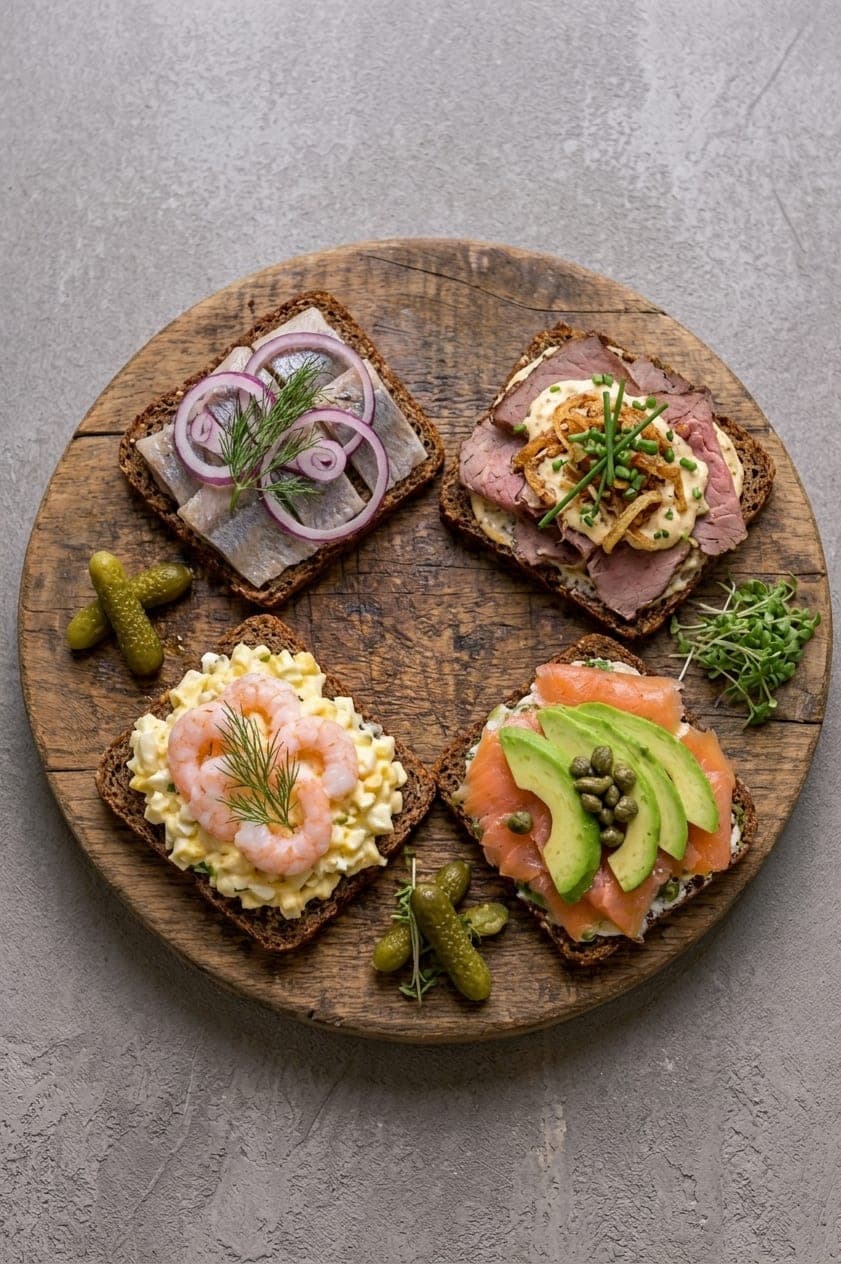
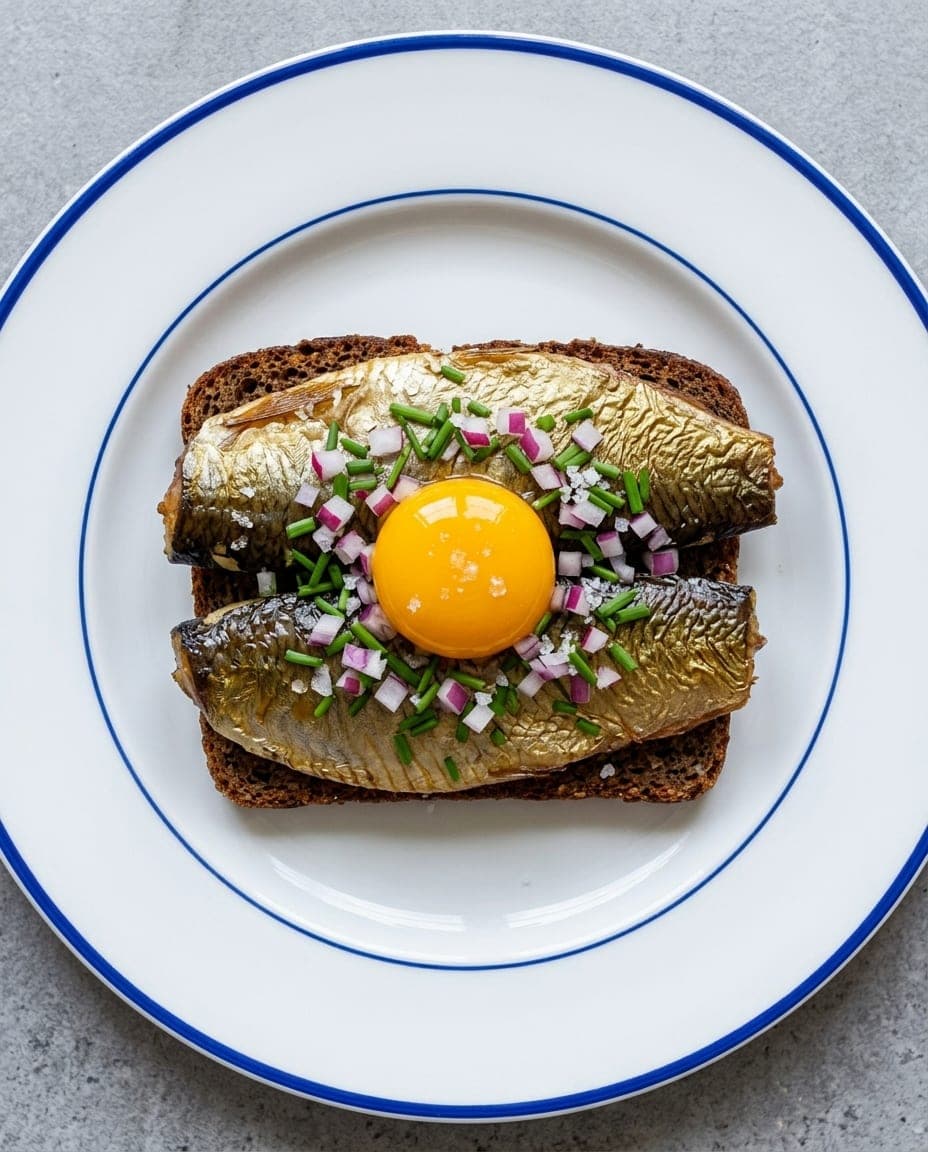
It begins with food. The classic opening is pickled herring on dark rye bread, followed by the other cold dishes of smørrebrød, and the glass is raised as they arrive. "The herring must swim," Danes say, by way of justification. The snaps is drunk in one or two goes rather than sipped.
Nobody drinks before the toast. Skål is said with the glass raised, looking each person at the table in the eye; you drink, then meet their eyes again before setting the glass down. Skipping the eye contact is noticed. The word itself means "bowl" — the popular story that it comes from drinking out of enemies' skulls is a myth.
The great occasion is the julefrokost, the Christmas lunch, held through December with colleagues, friends and family. Herring and smørrebrød come first, then warm dishes, then sweets, and the meal can run from three to six hours depending on how many rounds of snaps are poured. Easter has its own påskefrokost on the same pattern, often with short drinking songs before a glass.
Curious facts
- The herring goes first for a reason. Historians link the fish-first order of the Christmas lunch to old fasting rules, when meat was forbidden but fish was allowed.
- A monopoly for half a century. From 1923 to 1973 only one company was allowed to make spirits in Denmark.
- The wartime shock. In 1917 the tax on brændevin was raised so steeply that a bottle cost roughly eleven times what it had before; beer was left untouched.
- A snaps for mourning. Walnut snaps turns almost black, which is why it has been used as a funeral snaps.
- A listed distillery. The old Aalborg works was named a national industrial monument in 2007, and its listing has been described as the largest industrial preservation in Denmark.
Where to try it
Anywhere herring and smørrebrød are served at lunch: a traditional frokost restaurant, a country inn (kro), a harbour café. Ask what they keep — many places have a clear caraway snaps, an aged one, and often a house herb snaps of their own.
December is the season, when restaurants across the country run julefrokost tables. In Aalborg, the listed distillery buildings by the Limfjord are a reminder of how much of the country's snaps once came from one North Jutland city.
Where to try it
1 region
 Boat Rentals3 destinations
Nordjylland
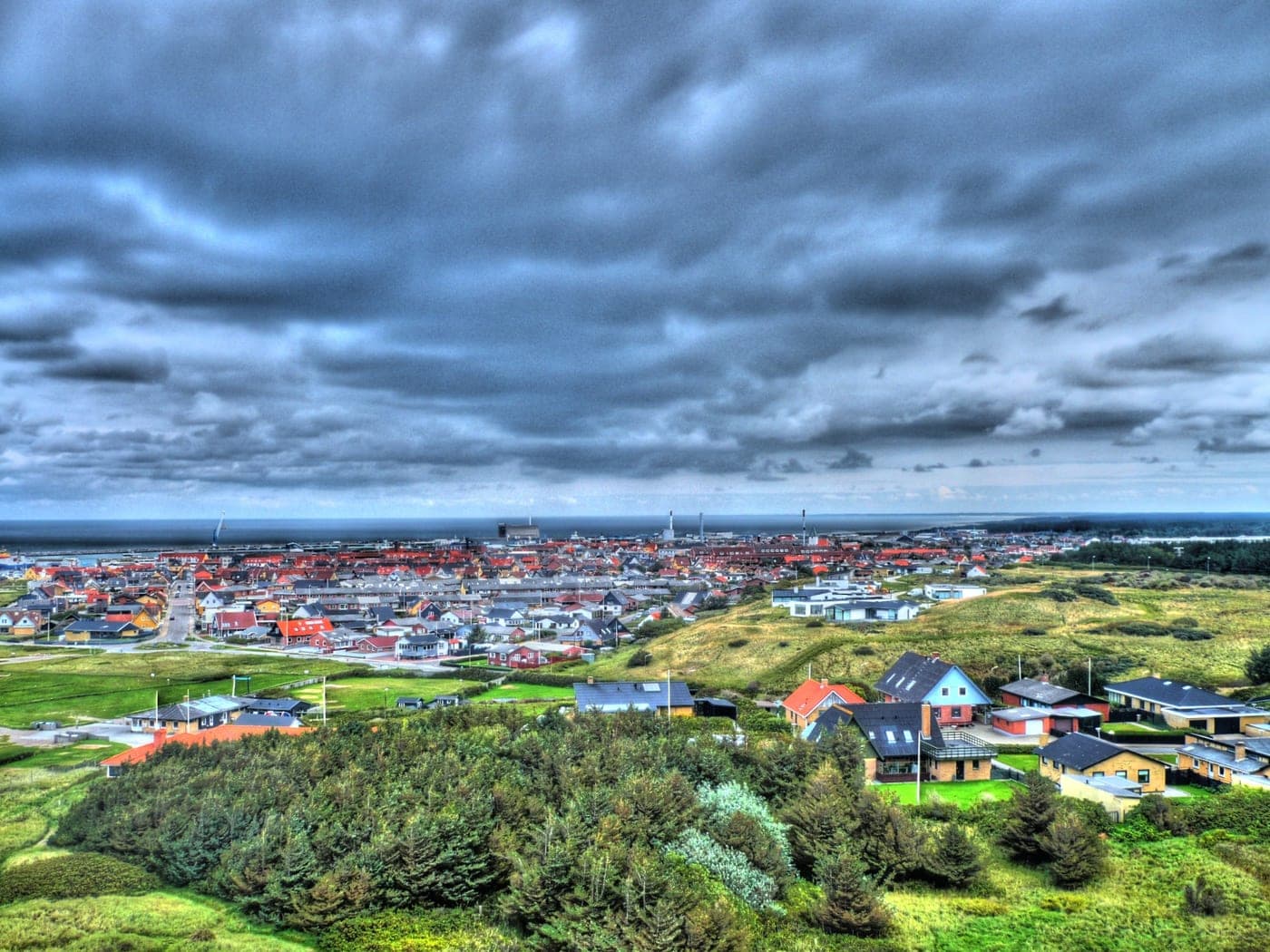
Nordjylland sits at the top of the Jutland peninsula, where the North Sea and the Kattegat come close enough that both are within reach of the same coastal walk. The region has built its character slowly, around fishing harbours, dune landscapes, and a clear northern light that has drawn painters here for more than a century. The sea sets the pace along this coast, and daily life in many towns still runs on tides, weather, and the rhythm of the harbour market. Aalborg is the largest city and sits on the Limfjord, the long stretch of water that cuts across northern Jutland. Old harbour warehouses have become cafés and concert venues, and cobbled streets in the historic centre lead down to a waterfront promenade where locals cycle along the water in the evening and boats sit moored until morning. It is a good introduction to the unhurried mood that runs through the wider region. North of Aalborg, the coastline changes character from one stretch to the next. On the North Sea side, Løkken and Lønstrup keep the look of old bathing towns, with rows of small beach huts, wide sandy beaches, and fishing boats still hauled up onto the sand by tractor, since there is no natural harbour deep enough here for permanent moorings. Further along, Hirtshals and Frederikshavn work as proper fishing and ferry harbours, their quaysides busy with the day's catch heading into smokehouses along the water. At the very tip of the peninsula lies Skagen, where the Skagerrak and the Kattegat meet at the sandy point known as Grenen, the two currents visibly colliding just off the beach. The same clear light that pulls those waters from two directions drew a colony of painters north in the late nineteenth century, and Skagen's yellow houses with blue-grey window frames still carry that artistic history. Inland and to the west, Thy holds a different landscape: heather-covered dunes, pine plantations, and wide open skies over Denmark's first national park, home to a wild red deer population and a scattering of small lakes. This stretch of coast is wilder and less developed, a reminder that much of Nordjylland's calm comes from simple remoteness. Cycling ties the region together. Nordjylland is flat and its coastal paths are well kept, so moving between harbour towns on two wheels feels like a natural way to take in dune ridges, fjord edges, and quiet lanes through fields of rapeseed and barley. Villages in Nordjylland tend to gather around a church, a harbour, or both, with a bakery and a smokehouse doing most of the daily trade. Hygge here shows up in practical comforts: a warm café after a windy beach walk, a bowl of fish soup in a harbour restaurant, an evening spent watching the sun go down over the water. The local table draws directly on the sea and the fjord, with smoked mackerel and herring, whole fried plaice, and shrimp landed daily by small boats working the Kattegat. Each coastal town in Nordjylland faces its own stretch of water and takes its character from it, so a morning in Skagen and an evening in Løkken can feel further apart than the short distance between them suggests. The harbours, dunes, and fjord towns each keep their own pace, set more by the sea and the season than by any set route between them.
Boat RentalsHiking