Bornholm beer
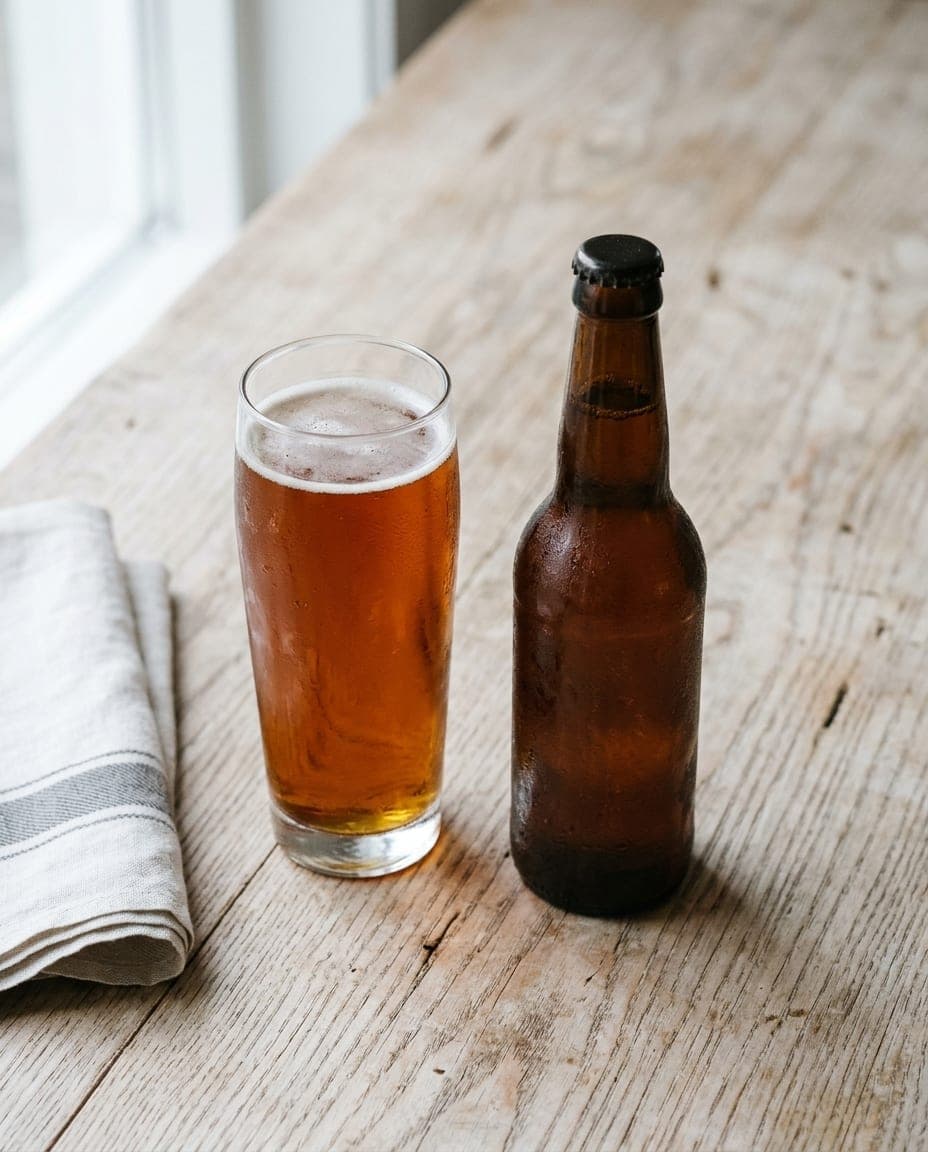
Small-batch island beer, drunk beside the smokehouse herring
- Alcoholic
- Local name
- Bornholmsk øl
- Served
- Cool, in a glass, usually alongside food
- Best eaten at
- A harbour taproom or a smokehouse table
- Pairs with
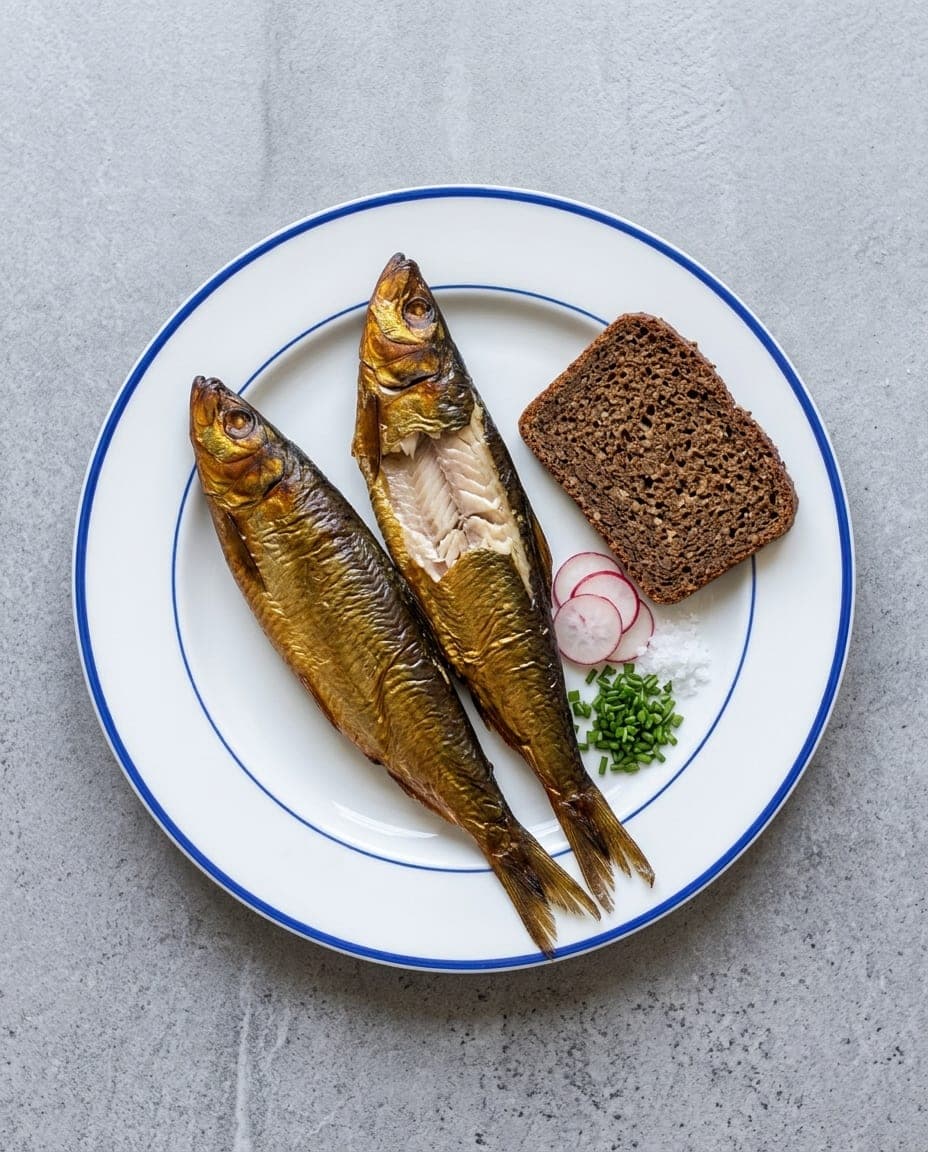
- Warm smoked herring on rye bread
What it is
Bornholm beer is not a single style. It is the beer of one small Danish island in the Baltic, made by a handful of independent breweries and drunk, more often than not, with the island's own food. The range is wide: lagers and pilsners, pale and brown ales, dark beers, and at the more experimental end, barrel-aged and wild-fermented beers that take their character from wood, herbs and wild yeast.
What gives it a shape is place rather than recipe. Bornholm sits far out to the east of the rest of Denmark, closer to Sweden than to Copenhagen, and it has built a strong identity around food and drink produced on the island. Beer is one strand of that, alongside the smokehouses, the island's aquavit and a small vineyard. The national brewers' association counted six breweries on Bornholm in 2023, a small number for an island that nonetheless supports a surprising variety.
It is worth being clear about what this is not. There is no protected Bornholm beer style and no unbroken local recipe handed down through generations. The island's modern brewing is largely a story of the last quarter-century, built on top of an older brewing past that had faded away.
Where it comes from
Beer was brewed across Denmark long before there were breweries in the industrial sense, on farms and in monasteries, and Bornholm's rural households would have been no exception. In the second half of the 19th century the industrial brewery arrived, with Copenhagen's Carlsberg, founded in 1847, as the model for the rest of the country.
Bornholm's towns had their own breweries in this era. According to records kept by Danish brewery historians, a brewery in Nexø was founded in 1861 and ran until 1972, while Rønne's brewery closed in 1967. Collectors' lists of island beer labels also name breweries in Hasle and Svaneke, though their dates are harder to pin down. These were the local suppliers of everyday beer for a fishing and farming population, and they went the way of most small Danish breweries in the 20th century, as production concentrated in a few large national companies.
The revival came with Denmark's wider microbrewery wave. Small breweries began to multiply across the country after 2000, encouraged by a beer-enthusiast movement that had organised in the late 1990s. On Bornholm, the first of the new generation opened on the town square in Svaneke in 2000. Others followed in Rønne, in Allinge and at Tejn harbour, and the island's beer has grown in step with its reputation as a destination for local food.
How it is made
There is no single method, and the breweries are deliberately different from one another. What they share is scale: these are small operations, some producing only a few thousand litres a year, others considerably larger.
Island ingredients are part of the appeal. Bornholm's breweries draw on locally grown grain and hops where they can, and the more adventurous ones flavour their beers with what the island offers: leaves and herbs, berries, wild flowers, even raw wood. One brewery near Tejn specialises in beers fermented with wild yeasts and aged in barrels, a slow way of working that earned it an honorary diploma from the Danish Academy of Gastronomy in 2019.
Several breweries are built around a taproom, so the beer is often drunk within sight of where it was made. Others are tiny partnerships, or brands whose beer is brewed on contract at a neighbouring brewery as rising costs press on small producers.
How it is drunk
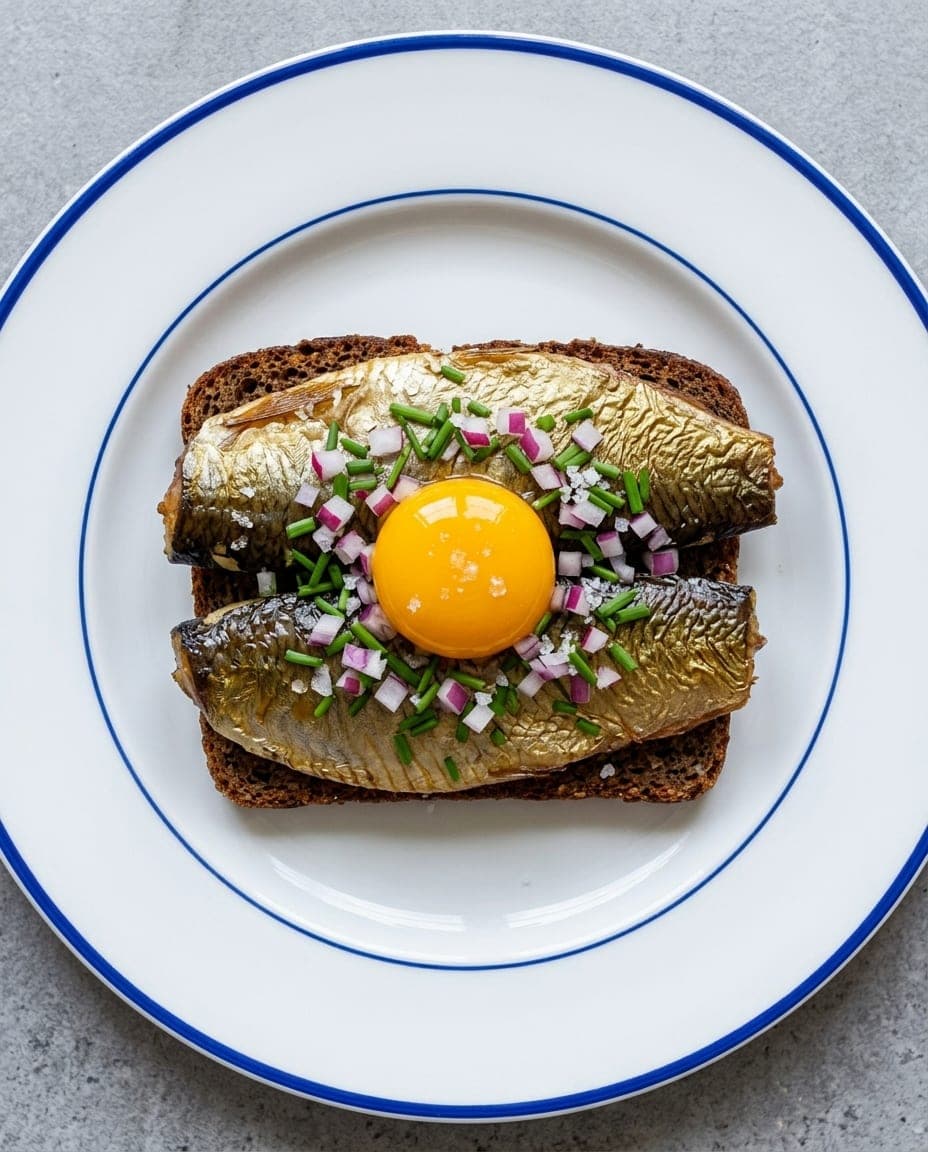
Mostly with food, and mostly in company. The natural partner is the island's smoked herring. Bornholm's smokehouses hang fish over alder wood inside tall chimneys, and the signature plate, Sol over Gudhjem, sets warm smoked herring on rye bread with radishes, chives or spring onion and a raw egg yolk as the "sun". A cool glass of beer against the oil, salt and smoke of that plate is the most Bornholm way to drink it.
Beyond the herring, island beer turns up with fish and chips at harbour bars, with cheese and rye bread, and as an ordinary companion to a long summer lunch. It is served cool in a glass; the darker and barrel-aged beers are better tasted than gulped.
Curious facts
- An old industry, a new start. Bornholm had working town breweries into the 1960s and early 1970s; today's breweries are a revival, not a continuation.
- Two claims to the east. More than one brewery has described itself as Denmark's easternmost, and on the tiny outlying island of Christiansø a doctor and his wife have brewed by hand under that title.
- A chimney town. Gudhjem, home of the first Bornholm smokehouse in 1866, once had so many that it was nicknamed the town of a hundred chimneys; around ten island smokehouses still work.
- Holding steady. When the number of Danish breweries fell in 2023 for the first time since around 2000, Bornholm's count stayed the same.
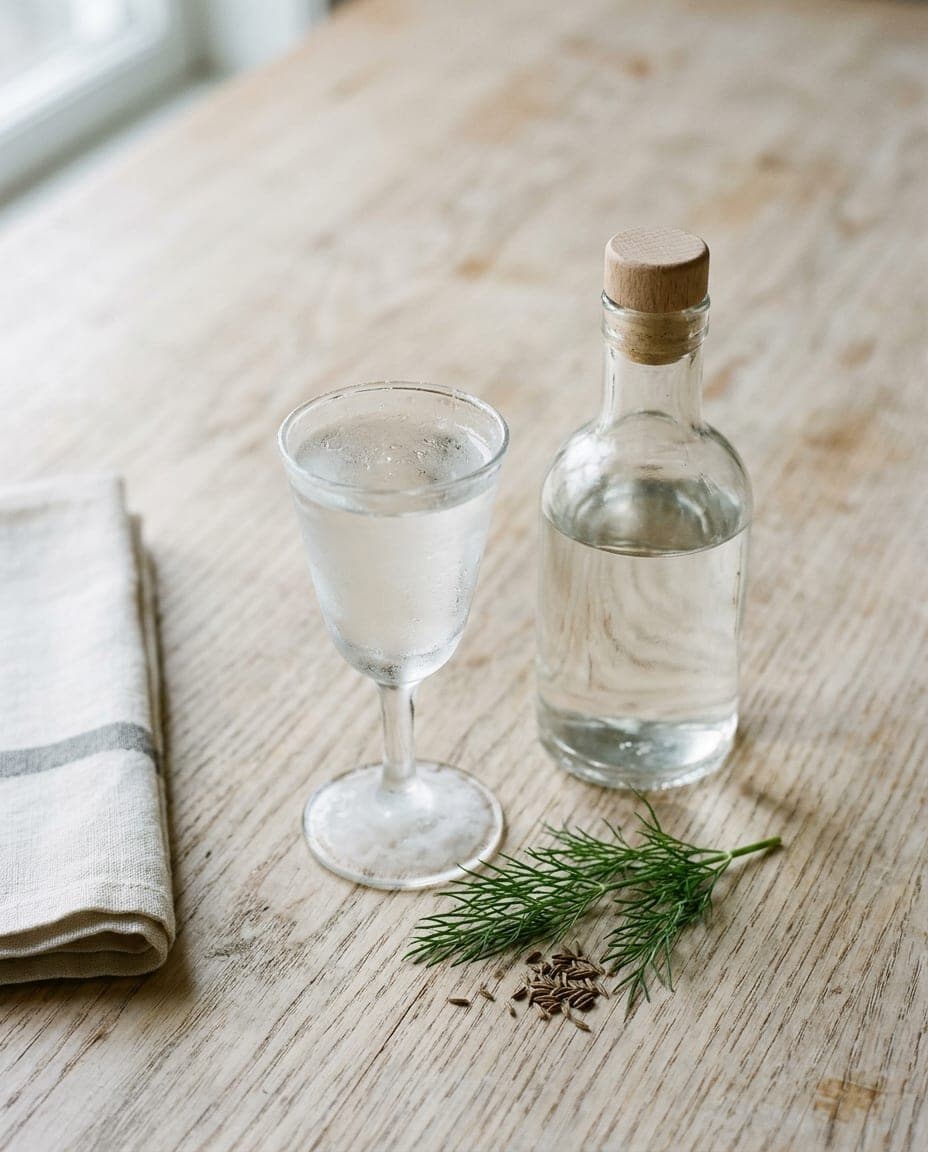
- Not just beer. The island's drinks revival runs in parallel: Bornholm aquavit was produced on the island again in 1994 for the first time in some 70 years.
Where to try it
At the source, wherever possible. The island's breweries are spread around its coast, from the harbour in Rønne to Svaneke on the east and the small harbours of the north around Allinge and Tejn, and several have a taproom or bar where you can drink the beer where it is made. Island bars, harbourside restaurants and many smokehouse tables stock local beer, which makes the classic pairing easy to arrange: a smokehouse lunch, then a glass of something brewed down the road.
Summer is when all of this is most reliably open, and the island also hosts a summer beer festival in Rønne that gathers breweries from Bornholm and beyond. Outside the season, many smaller businesses shorten their hours, so it is worth checking before setting out.
Where to try it
1 region
 Boat Rentals1 destination
Bornholm
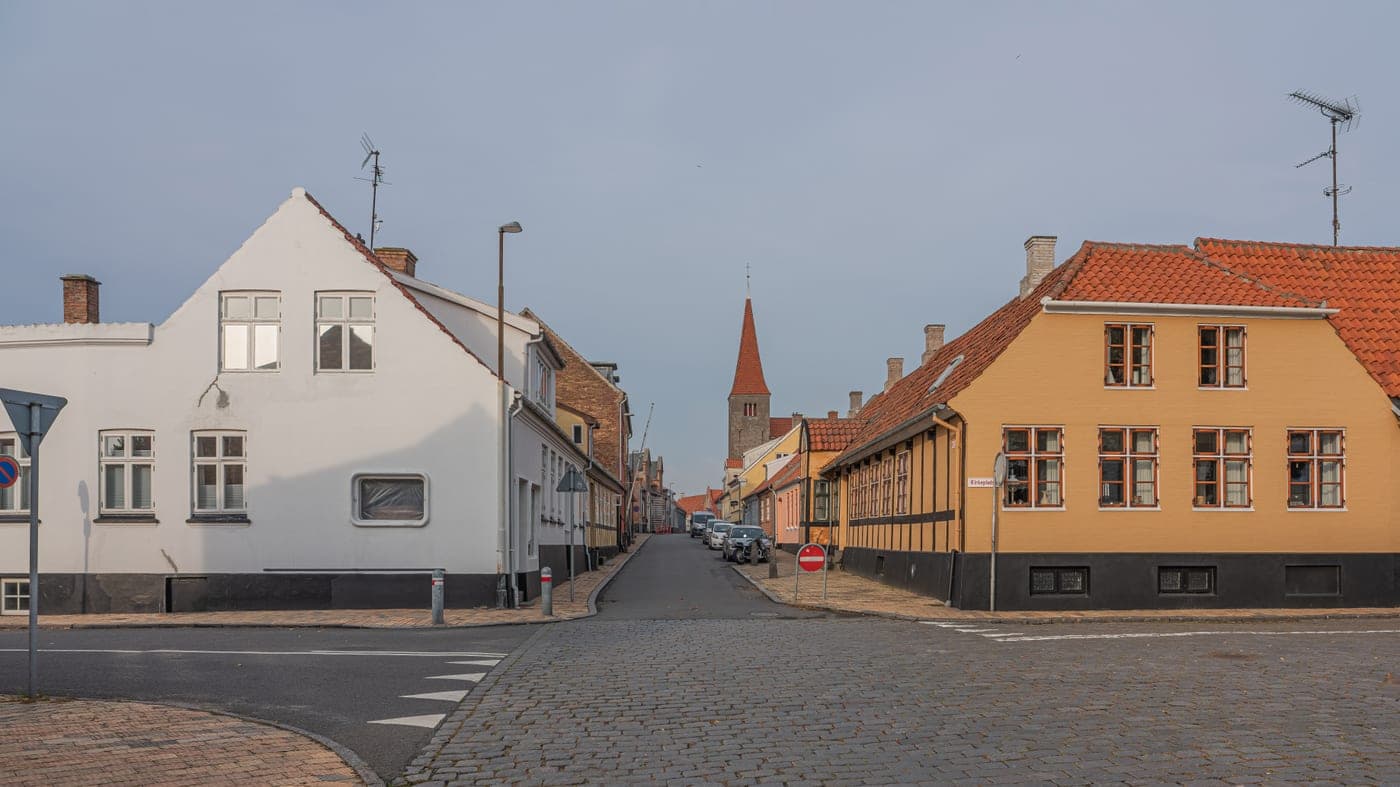
Bornholm, a Danish island in the Baltic Sea, is known for its unique round churches and rich artisanal traditions. The island is home to picturesque towns such as Gudhjem, famous for its smoked herring, and Svaneke, recognized for local craft beer and glassblowing. With stunning coastal cliffs, sandy beaches, and lush forests, Bornholm offers diverse landscapes. The island hosts a variety of local festivals, including the Bornholm Art Week, showcasing local artists. Historical sites like Hammershus, a medieval castle ruin, provide insight into the island's past. Bornholm is the only region in Denmark with a unique blend of Danish and Nordic influences, perfect for cultural exploration.
Boat Rentals