Žuvienė (fish soup)
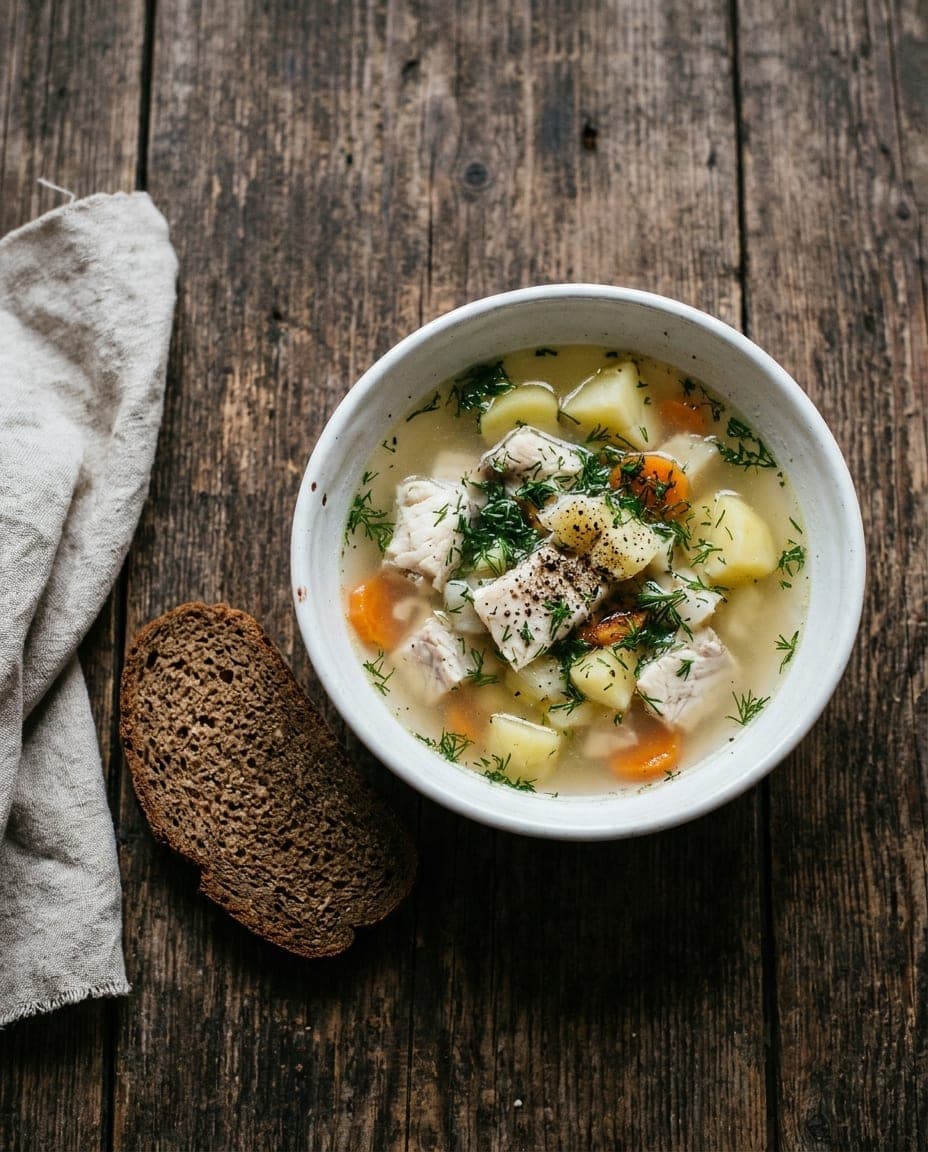
Curonian Lagoon fish soup with rye bread and black pepper
- Local name
- Žuvienė
- Served with
- Rye bread
- Best eaten at
- A Curonian Spit fish inn
- Pairs with
- Lithuanian beer
What it is
Žuvienė is simply the Lithuanian word for fish soup, cooked wherever there are lakes and rivers, but this robust version belongs to the Curonian Lagoon, south of the city of Klaipėda in western Lithuania. It is a speciality of the lagoon villages and of the narrow Curonian Spit that separates the sea from the freshwater lagoon. The soup is defined by its ingredients rather than any complex technique: whatever fish was caught that day is boiled with potatoes, onions, carrots, fresh dill and a generous amount of black pepper.
What comes out is a thick, peppery broth with pieces of fish still on the bone in it, cooked in a cauldron over a fire on the shore or in the kitchen of a lagoon inn. A deep bowl of it with rye bread is lunch rather than a first course.
Fishermen's soup
The dish is, by tradition, what the fishermen made from the part of the catch nobody would buy: too small, too bony, too mixed to sell. It went into a pot with potatoes, onion, carrot and whatever was in the garden, and it was seasoned hard with black pepper.
The lagoon it comes from is unusual — a huge, shallow, almost entirely fresh body of water held in behind the dunes of the Curonian Spit, with only a narrow channel at Klaipėda joining it to the Baltic — and the fish in it are freshwater fish rather than sea fish. The villages still cook the soup in cauldrons for feast days and for visitors, and there is no fixed recipe: it is a method, and what goes in depends on the morning.
What goes into it
What goes in changes with the season and the catch; the frame does not:
- Lagoon fish, mixed — perch, pike, bream, carp — and chosen by what was in the net, not for the menu.
- Potatoes, cut into chunks that soften in the broth and give the soup its body.
- Onions and carrots, added for sweetness and depth to the water-based base.
- Fresh dill, the herb that defines much of Lithuanian cooking, used in large quantities to scent the pot.
- Black pepper, often with a bay leaf, used generously to create a sharp, warming finish that contrasts with the mild vegetables.
Nothing is thickened. In the fishermen's version the fish stays in the bowl in pieces, bones included, and the pepper is heavy enough to be the first thing anyone notices.
How to eat it
From a deep bowl, outdoors if the weather allows, with dark rye bread for the broth. A cold Lithuanian lager is the usual glass beside it, against the pepper.
It is a soup for a cold day, which the Lithuanian coast supplies generously outside July and August.
Curious facts
- A use for the unsellable fish. The soup is traditionally made from the small, bony and mixed part of the catch, which is why no two pots are the same.
- Freshwater fish, not sea fish. The Curonian Lagoon is nearly fresh water, so what goes in the pot is perch, pike and bream rather than anything from the Baltic.
- No single recipe. Every cook in the Klaipėda region has their own method, and the soup changes daily depending on what the fishermen bring in.
- The lagoon version stays on the coast. Fish soup is cooked all over Lithuania, by lakes and rivers, but this mixed-catch lagoon style belongs to the lagoon shore and the Spit.
Where to try it
A fish inn on the lagoon shore — Dreverna, the small harbour village south of Klaipėda, is one of them — or in the villages of the Curonian Spit, where the soup is often made in a cauldron outside and ladled from it. The Nemunas delta villages do the same thing further south.
What to look for is a pot rather than a menu entry: a kitchen cooking one batch a day will say so, and the soup at the bottom of the cauldron is better than the soup at the top.
Where to try it
1 destination
 Boat Rentals
Dreverna
Charming fishing village known for wooden architecture and local crafts.
Boat Rentals
1 region
 Boat Rentals3 destinations
Klaipėda
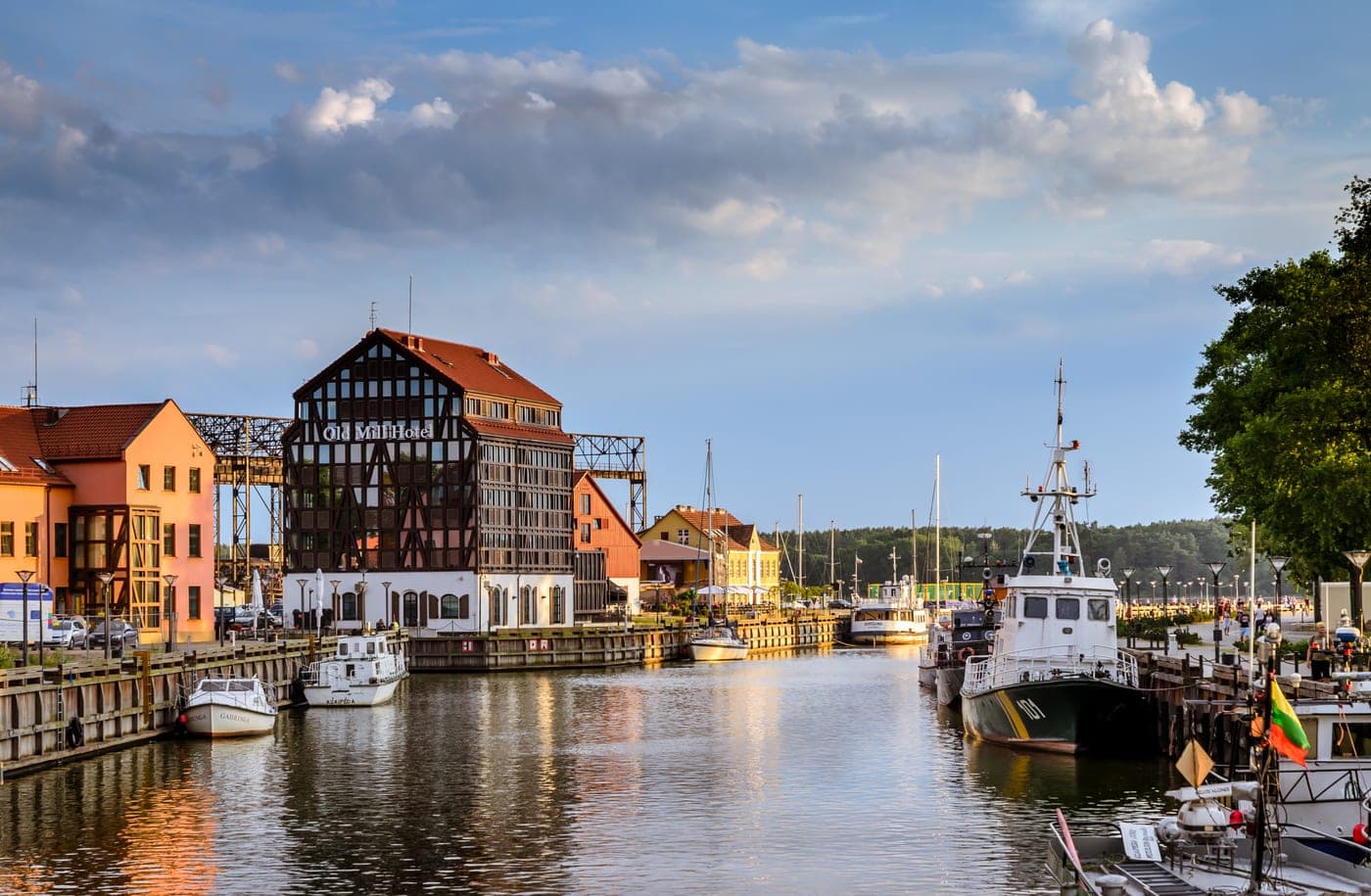
Klaipėda is Lithuania's only port city, offering unique access to the Baltic Sea. It features a blend of maritime history and vibrant culture, with its roots tracing back to the 13th century. Notably, the city is famous for the Curonian Spit, a UNESCO World Heritage Site that separates the lagoon from the sea, showcasing stunning dunes and diverse ecosystems. Explore the old town with its German-influenced architecture, including the iconic Theatre Square. Nearby, the quaint fishing village of Nida captivates with its scenic beaches and local crafts. The region is also known for its rich maritime traditions, local seafood cuisine, and annual festivals celebrating the sea and its heritage, providing a deeper understanding of Lithuanian culture beyond common tourist paths.
Boat RentalsHiking