Suitsukala (smoked fish)
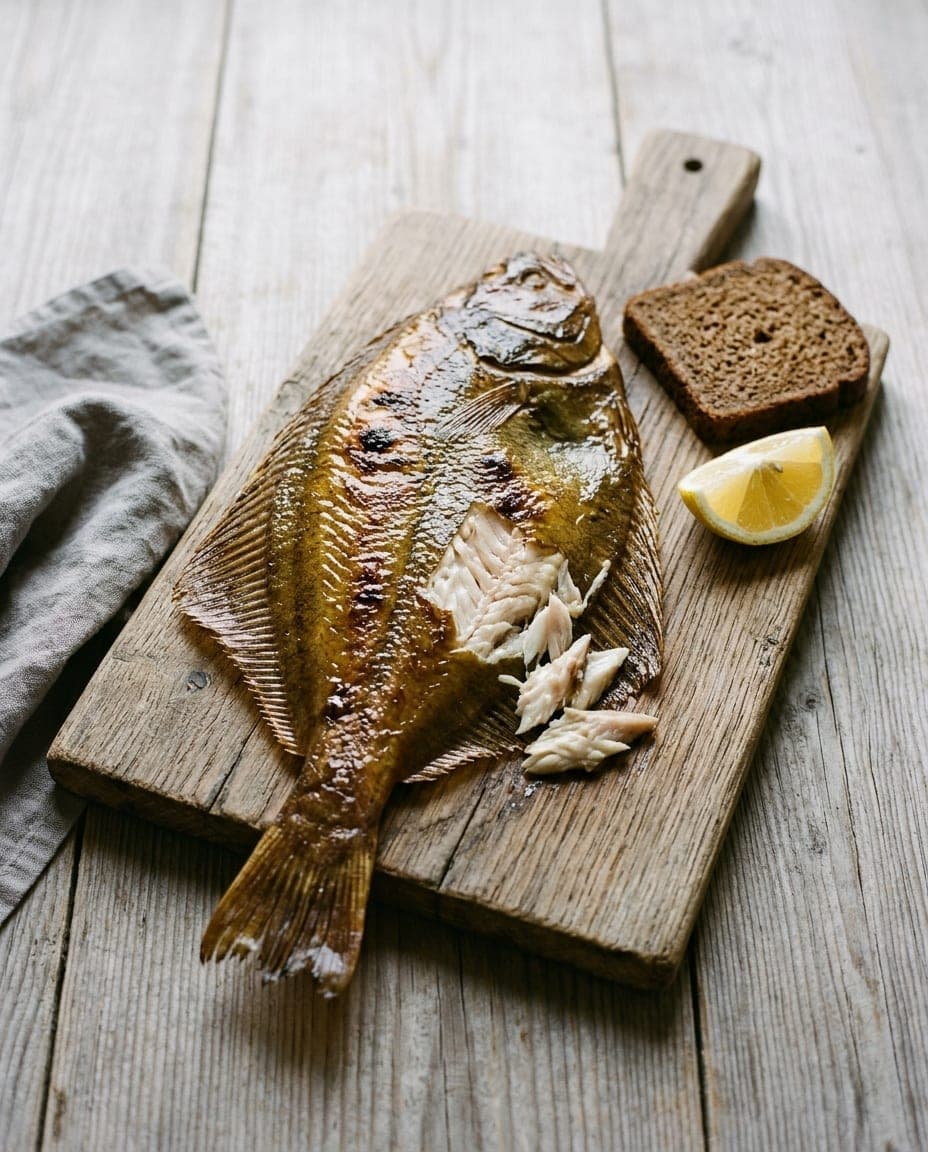
Hiiumaa smoked fish, warm from the smokehouse
- Local name
- Suitsukala
- Served with
- Rye bread, potatoes
- Best eaten at
- A Hiiumaa fishing-village smokehouse
- Pairs with
- Estonian beer
What it is
Suitsukala, the Estonian term for smoked fish, is a staple of the country's coastal life rather than a dish found on every mainland menu. It is most closely associated with the island of Hiiumaa, Estonia's second-largest island, and the Pärnu region on the western coast. Here, the air often carries the scent of burning alder wood, which signals that fresh fish has just been processed.
Whatever has been landed goes in: flounder, herring, perch, bream. It is hot-smoked for an hour or two rather than cold-cured for weeks, which cooks the fish as it smokes, and it comes out golden and flaking off the bone. It is sold and eaten warm, the same day.
Where it comes from
The tradition belongs to the island harbours — Sõru on Hiiumaa among them — where a household with a boat also has a smoker. The equipment is improvised and unembarrassed about it: a wooden shed, a steel barrel, an old refrigerator cabinet with a fire under it, whatever holds heat and smoke.
Selling is equally informal. A table at the end of a track, a hatch in a shed, a cooler box at the harbour; a hand-painted sign saying suitsukala and an arrow. Pärnu and the mainland coast smoke fish the same way; the islands simply have the stronger reputation for it.
How it is eaten
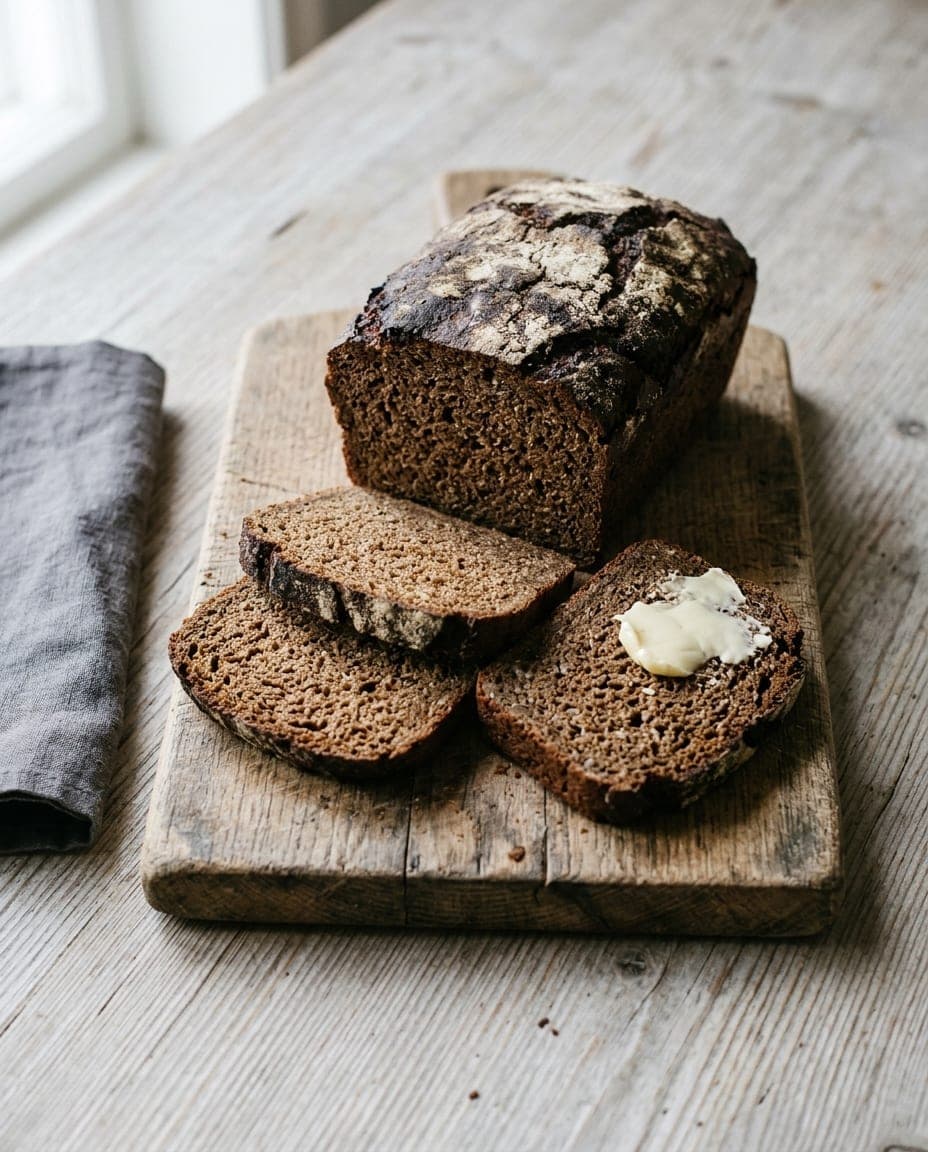
With black rye bread and boiled potatoes, and nothing else. No sauce, no lemon, no dressing — the fish is salty and oily enough to need none of them, and the potatoes are there to absorb it.
Cutlery is optional. The fish is pulled apart with the fingers and the flesh lifted off the bones onto the bread. It is eaten within the hour, standing at a counter or sitting on a bench outside the shed, with a beer if the shed sells one.
What goes into it
The ingredients are minimal, relying entirely on the quality of the catch and the wood used for smoking. There is no need for spices or marinades in the traditional version.
- Fresh fish: Flounder, herring, perch or bream, usually caught locally and smoked fresh.
- Alder wood: The primary fuel source, providing a sweet, aromatic smoke that does not overpower the delicate flesh.
- Salt: Rubbed in or used as a brine before the fish enters the smokehouse.
The smoking process itself is brief. The heat cooks the fish while infusing it with the smoky flavour. The result is a product that is soft, moist and deeply savoury, with no added oils or sauces required.
Curious facts
- Improvised equipment. Many small smokehouses use repurposed barrels or old refrigerator cabinets to contain the heat and smoke.
- Sold warm. The fish is typically sold on the same day it is smoked, often while still steaming from the process.
- No spices needed. Traditional versions rely solely on salt and the natural flavour of the alder wood.
- Best known on the islands. Smoked fish is sold all along the Estonian coast; Hiiumaa and Saaremaa are where it has the strongest reputation.
- Simple pairing. The fish is traditionally eaten with dark rye bread and boiled potatoes, nothing more.
Where to try it
A harbour shed on Hiiumaa — Sõru and the small ports around the island — in summer, when the stands are open and the boats are going out. The sign to follow is the smell of alder smoke, which carries a long way across flat ground.
Buying it warm and eating it on the spot with bread is the whole arrangement; nothing about it improves after being carried home. Outside the summer months the island goes quiet and the smokers mostly stop.
Where to try it
1 destination
2 regions
 Boat Rentals1 destination
Hiiumaa
Hiiumaa, Estonia's second-largest island, is distinct for its rich maritime history and diverse natural landscapes. Known for its lighthouses, including the iconic Kõpu Lighthouse, one of the oldest in the Baltic Sea, the island offers a blend of coastal charm and rural tranquility. The island features small villages like Käina and the unique, traditional fishing culture of the local population. Hiiumaa is famous for its beautiful nature trails, pristine beaches, and birdwatching opportunities, particularly in the Kihnu Nature Reserve. The island's local cuisine highlights fresh seafood and traditional Estonian dishes. With its low population density and relaxed atmosphere, Hiiumaa encourages exploration at a leisurely pace, making it an ideal spot for those seeking a deeper connection with nature and local culture.
Boat Rentals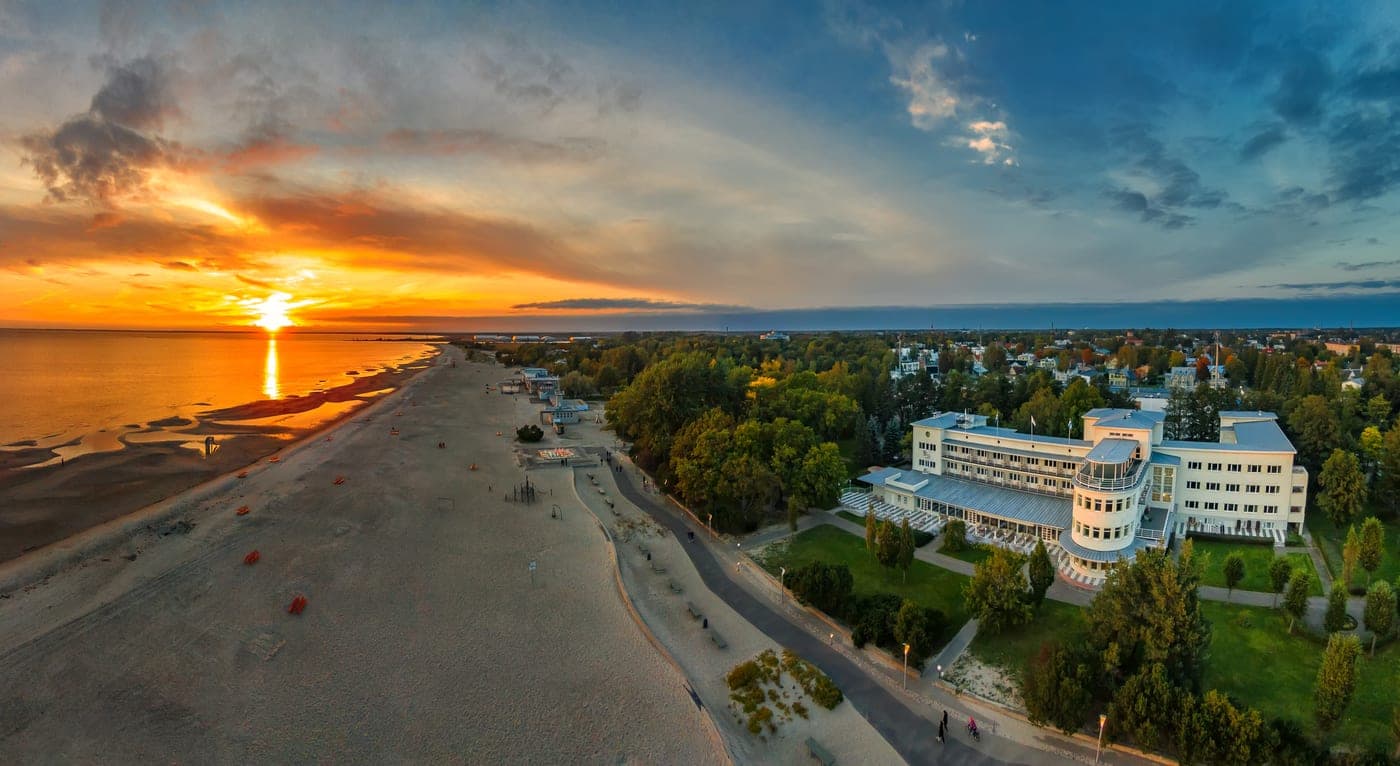 Boat Rentals1 destination
Pärnu
Pärnu is Estonia's summer capital, renowned for its sandy beaches and vibrant cultural scene. This region features Estonia's only coastal city, where visitors can explore the historical old town, known for its wooden architecture and charming cafes. Pärnu is also the gateway to the Pärnu Bay, a UNESCO Biosphere Reserve, rich in birdlife and unique ecosystems. The region hosts various local festivals, including the Pärnu Film Festival, which showcases emerging filmmakers. Nearby, the small towns of Kihnu and Manija offer insights into traditional Estonian life, with unique crafts and customs. Pärnu's spa culture adds to its allure, attracting those looking for wellness and relaxation experiences.
Boat RentalsHiking